Weight Classifications
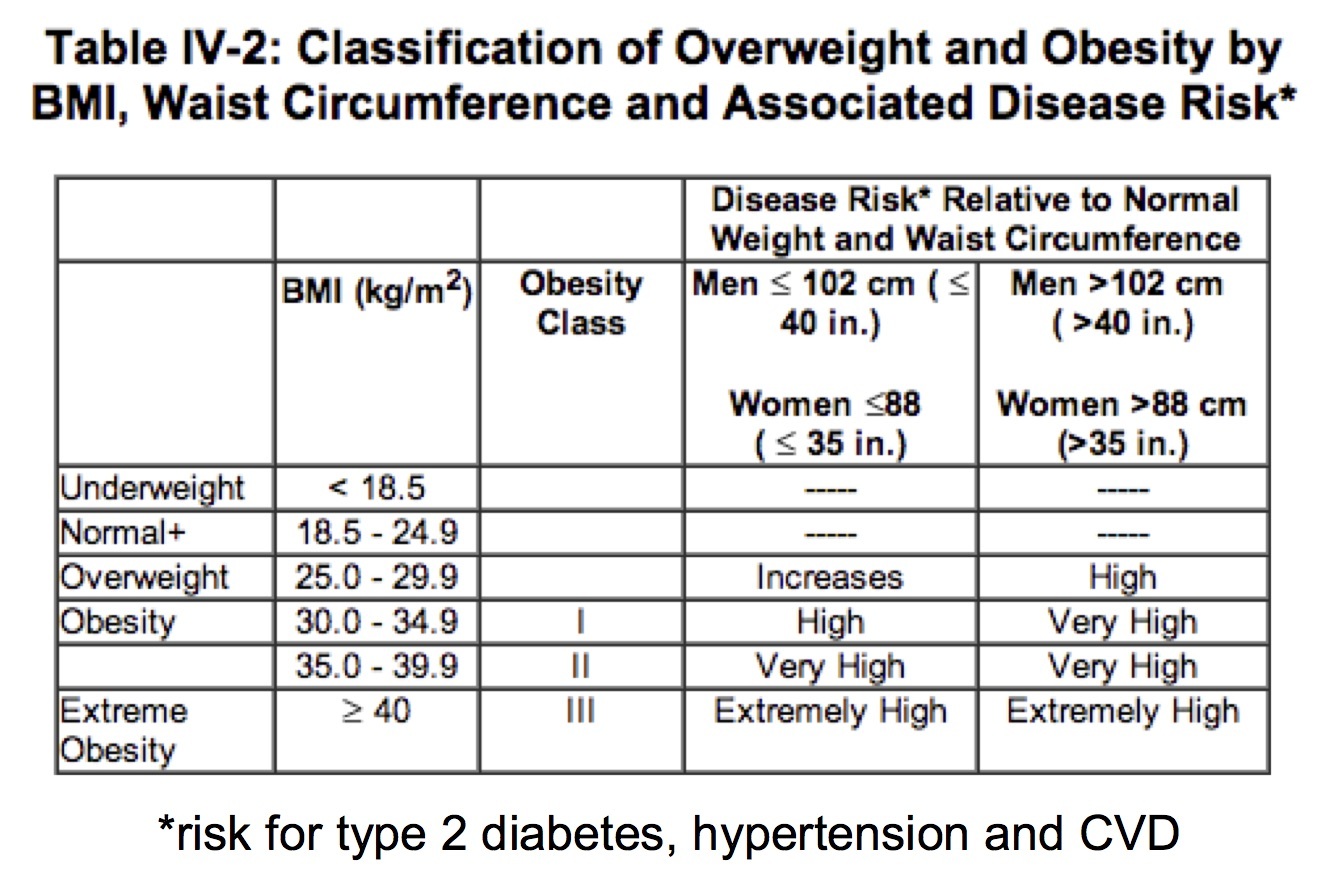
Individuals classified as obese or non-obese for evaluation of potential risk factors.
- BMI used as a proxy for body fat %
- Does not take into account body composition
- Waist size also a risk factor
- > 40 in for males
- > 35 in for females
- ↑ waist size in normal weight person also a marker for ↑ risk
NHANES
Ongoing national survey of Americans.
Records various anthropometric, nutritional, and lab data.
Accessible for anyone to analyze by appropriate statistical/epidemiological methos.
Provided bases for numerous reports.
Obesity & Overweight
Epidemiology
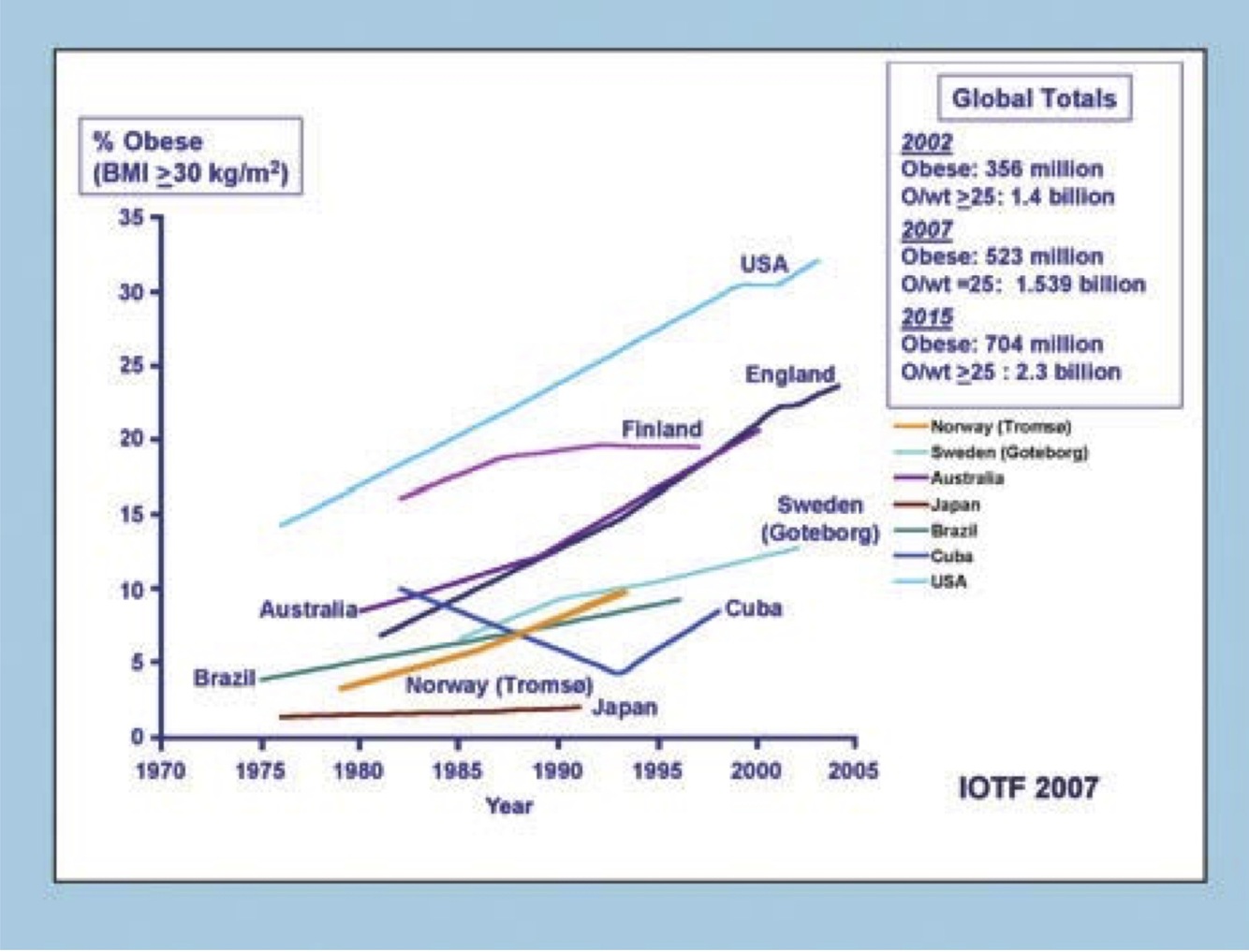
Overweight and obesity extremely common in the US and globally.
Problem worsening among both whites and blacks.
Women, especially black women, with highest rates of severe obesity.
Health Risks
Associated with Obesity
- Cardiovascular disease and stroke
- Hypertension
- Some cancers (e.g., colon, breast)
- Type 2 diabetes
- Sleep apnea
- Osteoarthritis
- Fertility problems
- Non-alcoholic fatty liver disease
- Gout
- Incontinence
Psychological Problems
Associated with Obesity
Includes:
- depression
- eating disorders
- low self-esteem
Physicians subject to bias against obese patients.
All-cause Mortality
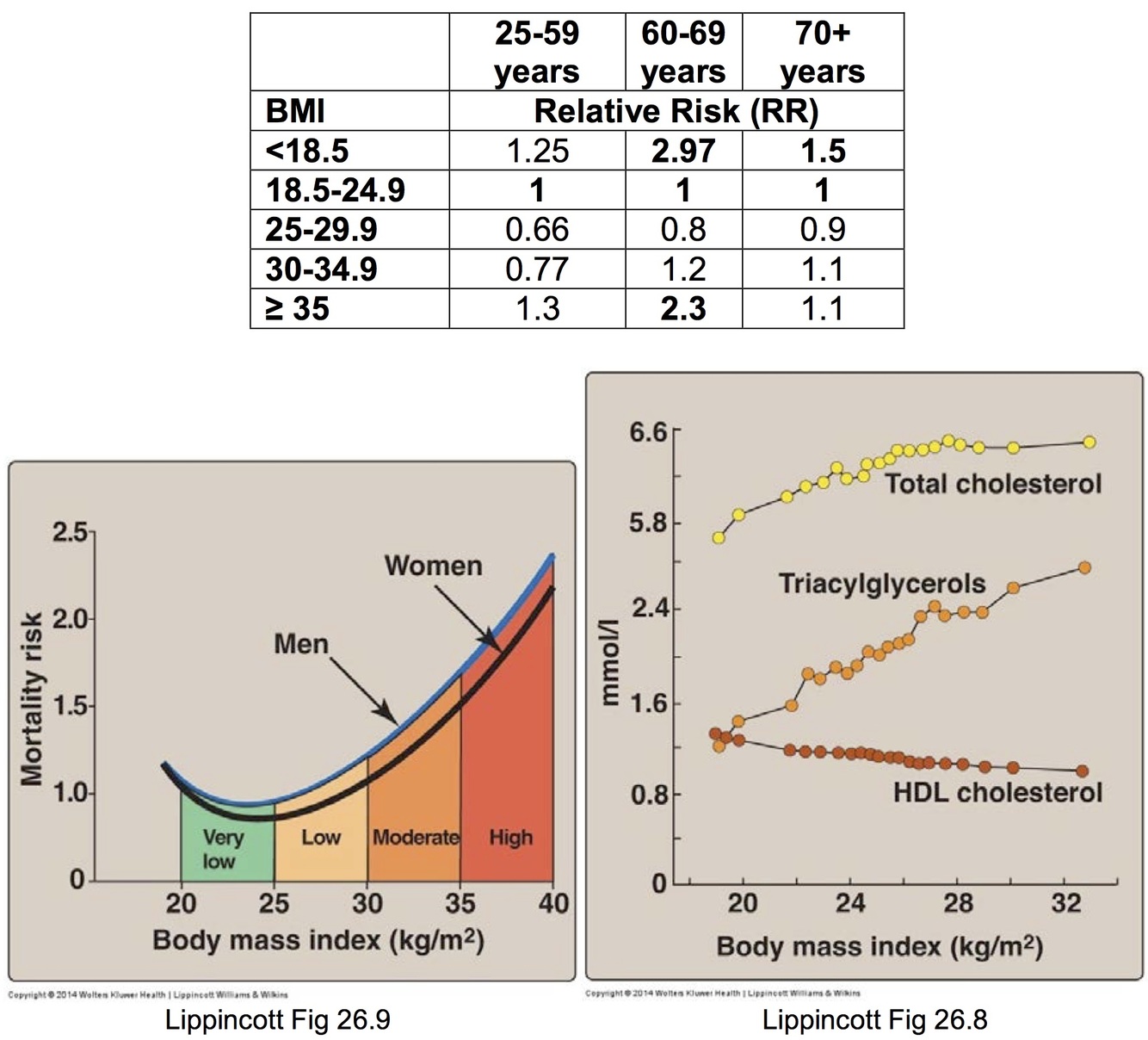
Significant ↑ in all-cause mortality as function of BMI.
Mortality risk highest for BMI <18.5 and > 30.
Due to atherosclerosis, DM, CKD, and some cancers.
BMI 25-29 (overweight) is not associated with ↑ death rates.
Do have ↑ risk of DM and kidney diseases.
Metabolic Syndrome
Constellation of symptoms defined as 3 or more of the following:
- Excessive waist size (>40 in. for men; >35 in. for women)
- Elevated fasting glucose (>110 mg/dL; 70-100 mg/dL is normal)
- Elevated serum triglycerides (>150 mg/dL; <150 mg/dL is normal)
- Low HDL (<40 mg/dL; >60 mg/dL is a negative risk factor for CVD)
- Hypertension (>130/85 mm Hg)
Patients meeting criteria are at ↑ risk for CAD and type 2 DM.
Linked to ↑ risk of obesity, non-ETOH fatty liver, CKD, PCOS.
Causes of Obesity
Multifactorial Disease
- Genetics
- 9 loci involved in Mendellian forms of obesity
- 58 loci contributing to polygenic obesity
- Formula Feeding
- purposed that infants fed formula during first 6 months are more likely to be obese at 24 months
- may be publication bias
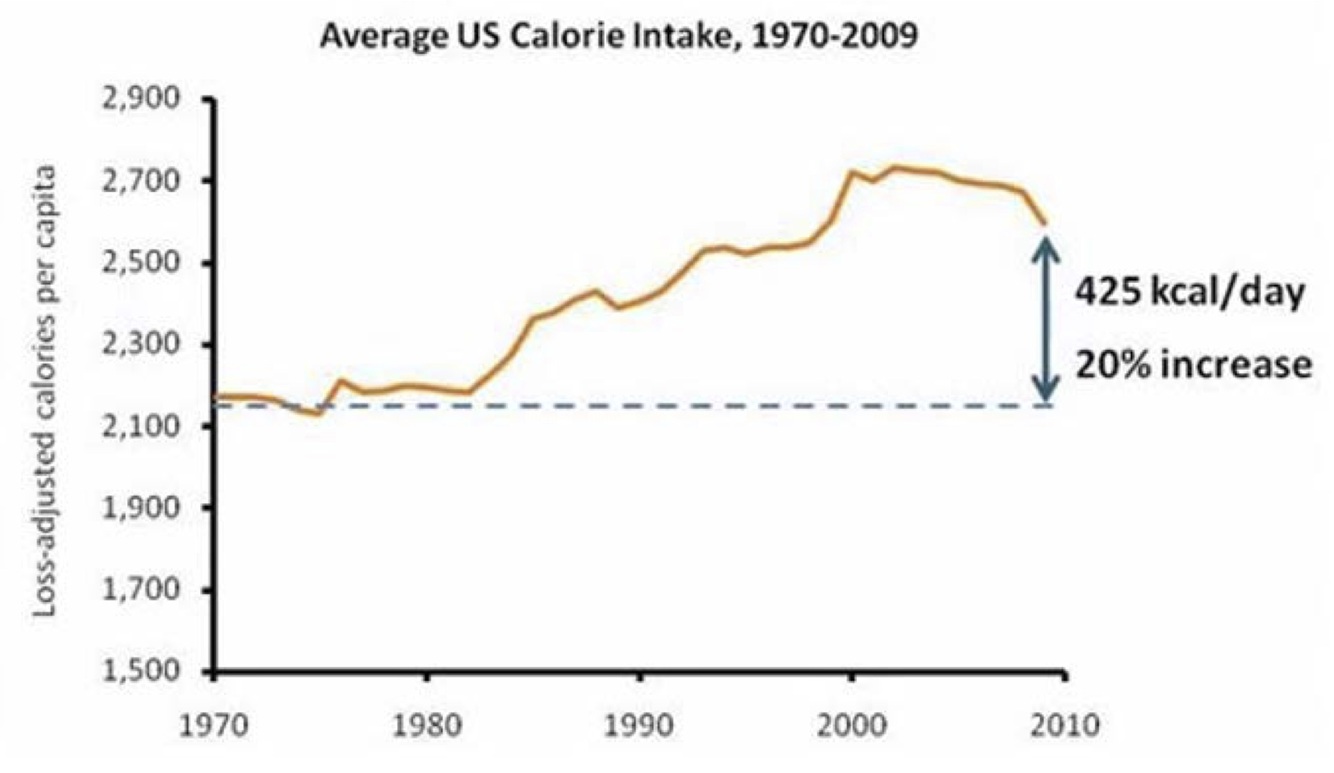
- ↑ consumption / ↓ energy expenditure
- sign. ↑ caloric consumption in US over past 40 years
- ↓ fat
- ↑ carbs
- likely d/t fast food and sweetened drinks
- protein constant
- sign. ↑ caloric consumption in US over past 40 years
Adipose Hormones
- Leptin
- reduces appetite
- Adiponectin
- reduces serum FFA
- improves lipid profiles
- ↑ insulin sensitivity
- ↓ inflammation
As body weight ↑:
leptin ↑
adiponectin ↓
Ghrelin
Hormone released by GI system.
Produced in the absence of food.
Increases appetite.
Body Shape
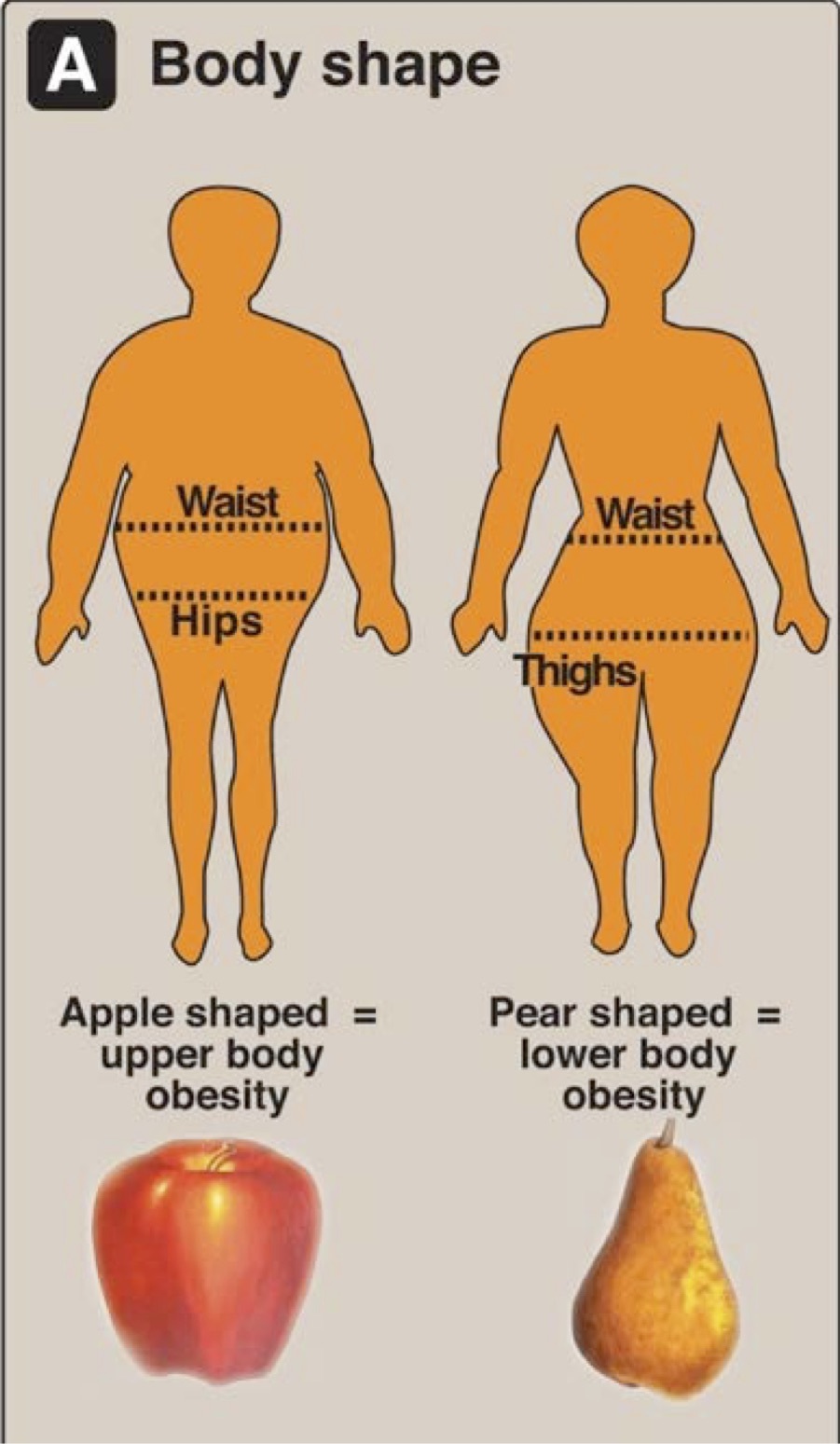
Apple shape: increased fat deposition in the abdominal area.
Pear shape: increased fat deposition in the hips and thighs.
Apple shape at greater risk for Type 2 DM.
Waist reduction may be more important than weight reduction.
Body Weight Set-Points
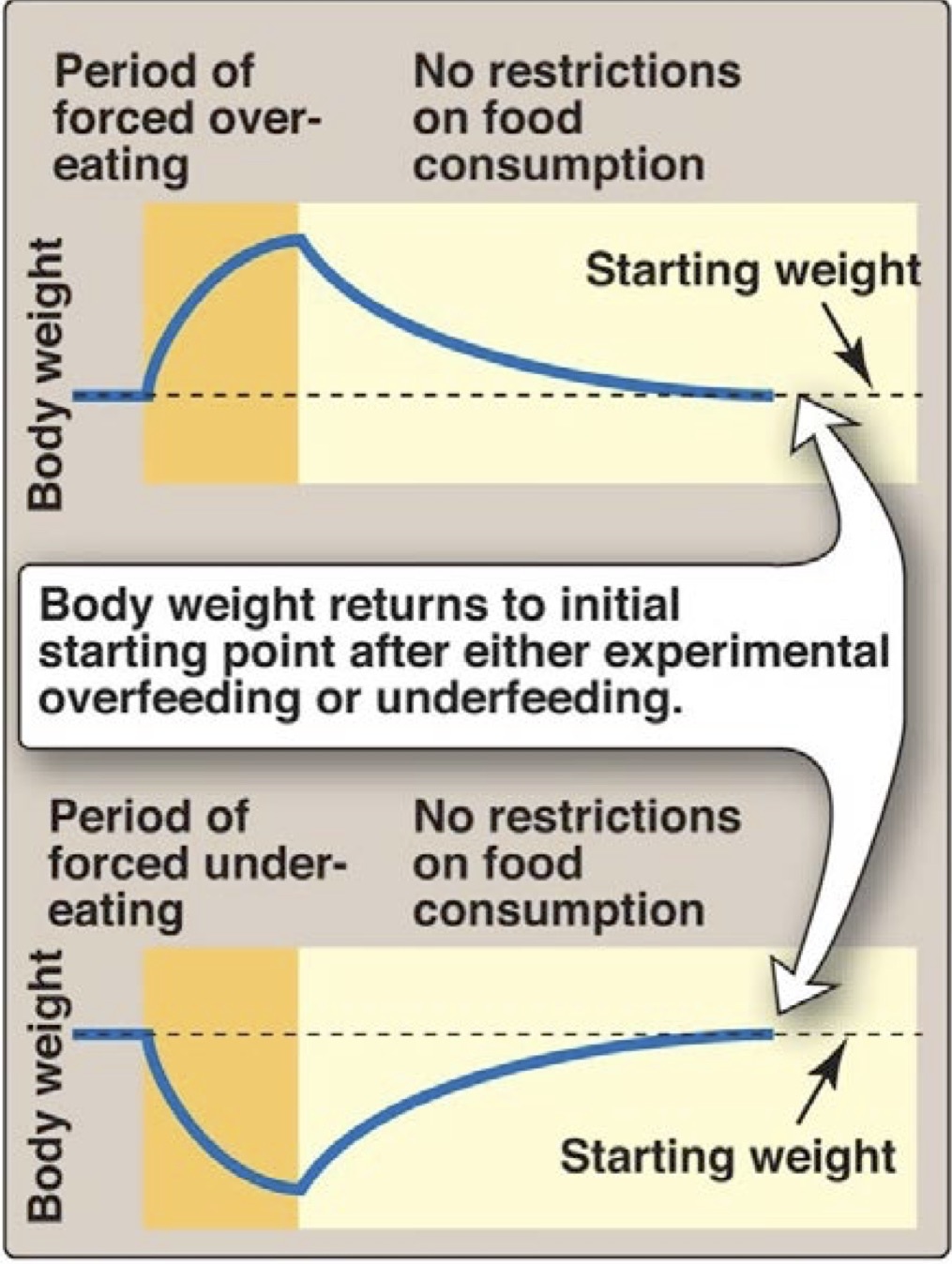
Most people w/ body weight set-point over short- to medium-term.
- Controlled by coordinated ∆ to caloric intake & energy expenditures.
- Stabilizes body weight and resists changes.
- Hormone influences appear to conspire against sustained changes in body weight set point.
- Body weight tends to increase with age.
Diets
- Weight loss should not exceed 10% over 6 months
- Low calorie balanced diet key (800-1,500 Cal/day)
- Resonable goals for weight loss essential
- Behavioral strategies important
- stress management
- eating stimulus control
- cognitive restructuring
- social support
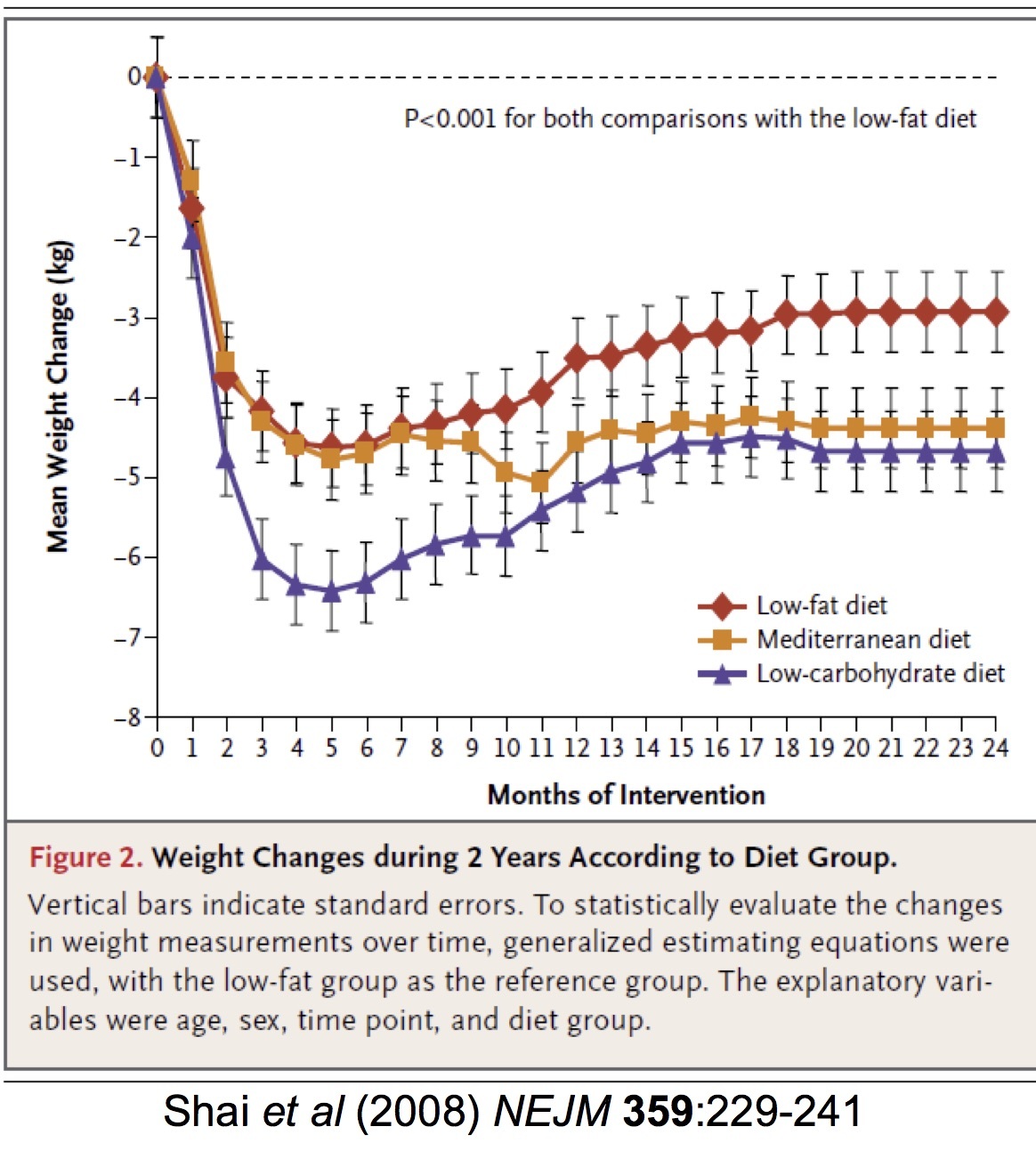
- Adherence to any structured diet regardless of composition can be effective
- various diets can achieve 3-6% reduction over 5 months
- social support component may acheive greater compliance
- Concerns over serum lipids w/ a high-fat, low-carb diet unfounded
- Mediterranean & low carb diets better than low-fat diets for weight loss and lipid profiles
- Smoking cessation does not rule out possibility of long-term weight control
Weight-loss Drugs
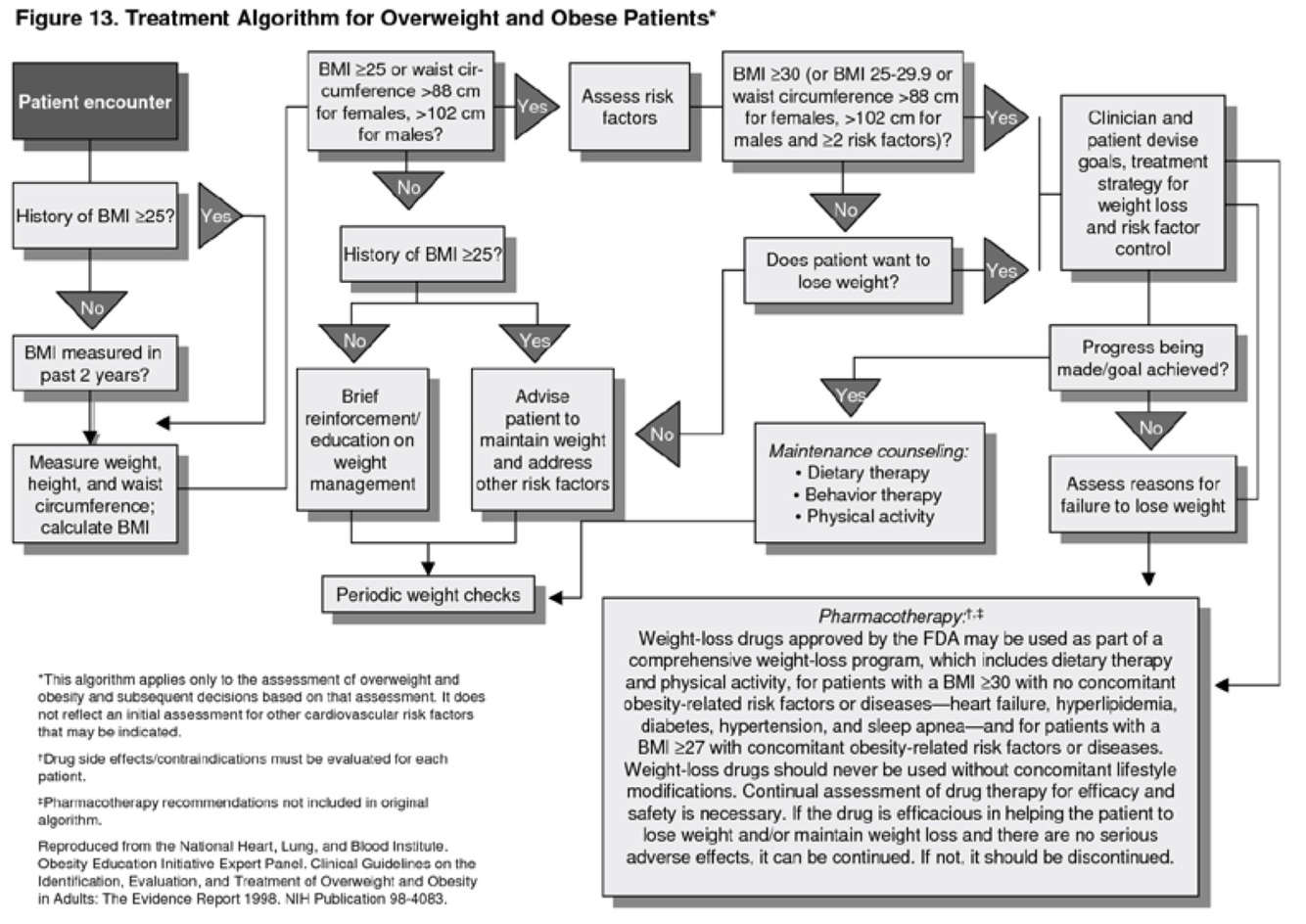
Medication along with diet and lifestyle changes may be appropriate for BMI >30.
- Mechanisms:
- appetite suppression
- satiety enhancers
- inhibitors of fat digestion
Ex. Qsyma
Phentermine (↓ appetite) and topiramate (↑ satiety)
Exclusions from Weight Loss Therapy
Weight loss therapy is not appropriate in:
- Pregnant or lactating women
- Those with serious psychiatric disorders
- Those with severe illnesses
- caloric restriction might exacerbate illness
Bariatric Surgery
Possible option for:
- severe obesity where less invasive methods have failed
- BMI > 40
- BMI > 35 with comorbidities
- those at high risk for obesity-associated morbidity or mortality
Patients s/p bariatric surgery at risk for PEU or vitamin deficiency.
Mainly vit B12, folate, zinc, iron, copper, calcium, and vit D.
Swedish Obesity Study showed bariatric surgery can enable substantial and long-term weight loss.
Partially due ↓ Ghrelin production ⇒ ↓ feelings of hunger and food intake.
Pediatric Obesity
- Assessed via growth charts
- BMI for age at 95th %ile or greater ⇒ obese
- BMI for age at 85th - 95th %ile ⇒ overweight
- On the rise with % obese 14-19% in 2008
- More likely to become obese adults
Pediatric Metabolic Syndrome
Prevalence among 12-14 y/o is 22-44%.
No established definition but suggested parameters include:
- Large waist size
- Elevated fasting glucose
- Elevated TGs
- Low HDLs
Pediatric Type 2 DM
Testing Guidelines
Overweight (>85th %ile) plus any 2 of the following:
- family history of Type 2 DM in 1st or 2nd degree relative
- are Native American, African American, Hispanic, or Asian/Pacific Islander
- signs of insulin resistance (e.g., acanthosis nigricans)
Diabetic Ulcers
Nutritional Treatment
- Uncontrolled DM can result in an improverished body
- due to various metabolic processes
- inappropriate gluconeogenesis
- decreased protein stores
- dieting may exacerbate nutritional disturbances
- due to various metabolic processes
- Glycation of basement membrane d/t excess BGL
- contributes to microvascular atherosclerosis
- poor circulation prevents adequate blood flow for healing
- Peripheral neuropathy hides severity of trauma
- Addition of Glucerna dramatically shortened healing time of diabetic foot ulcers
- a nutritional formula used as Medical Nutrition Therapy in the frail elderly
- contains high protein content
- contains slowly-digested polysaccharides
- blunts the glycemic response

-
Dietary Recommendations, Life Stages, and Nutrition24
-
B Vitamins23
-
Antioxidants11
-
Energy Expenditure15
-
Nutritional Assessment10
-
Carbohydrates23
-
Proteins15
-
Lipids16
-
Obesity20
-
Need to Know Numbers23
-
Nutrition and Cancer31
-
Vitamin A & K18
-
Vitamin D10
-
Calcium, Phosphate, and Iron31
-
Nutrition for the Critically Ill22



