State three eating disorders to be aware of as classified in ICD-10
- Anorexia nervosa
- Bulimia nervosa
- Other eating disorders/atypical eating disorders (includes binge eating disorder)
Define anorexia nervosa
Eating disorder characterised by deliberate weight loss, an intense fear of fatness, distorted body image and endocrine disturbances
Describe two subtypes of anorexia nervosa
- Restrictive type: restrict food
- Binge eating/purging type: compensatory behaviours (e.g. vomitting, laxative abuse, excessive exericse) and may also binge. *NOTE: don’t have to binge to purge.
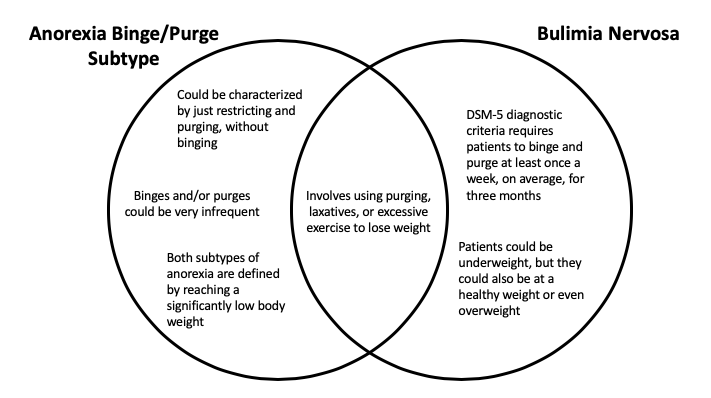
State some prediposing risk factors for anorexia nervosa- consider biological, psychological & social factors
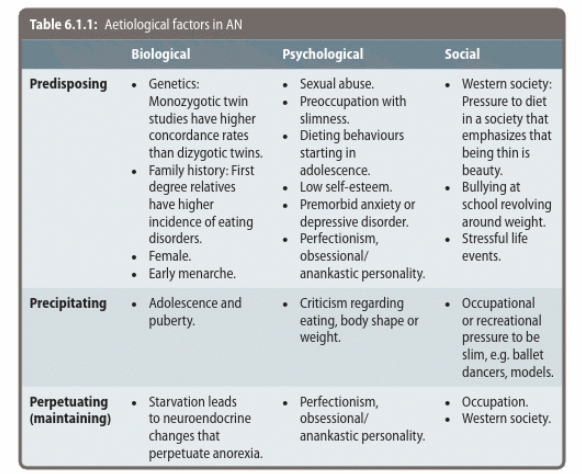
State some precipitating risk factors for anorexia nervosa- consider biological, psychological & social factors
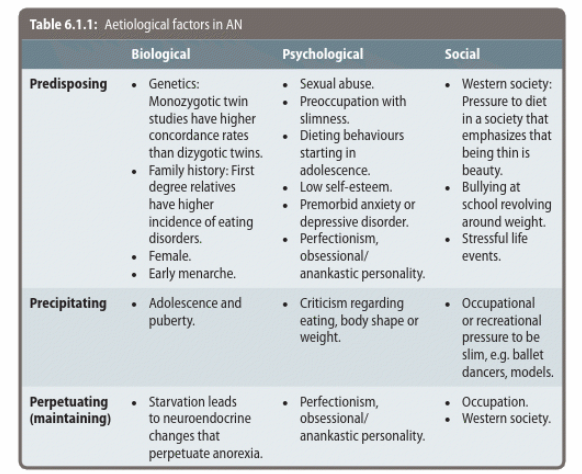
State some perpetuating risk factors for anorexia nervosa- consider biological, psychological & social factors
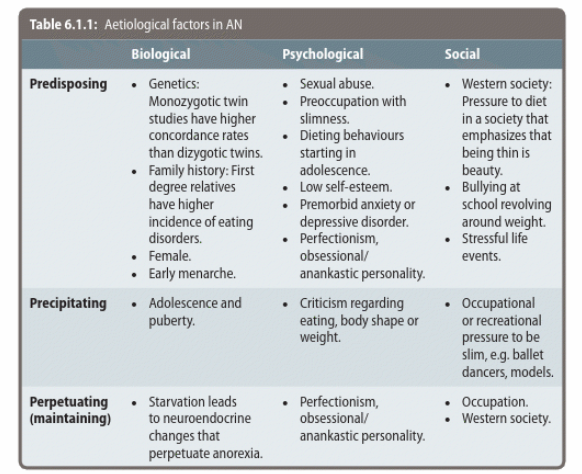
Discuss for anorexia nervosa:
- Male:female ratio
- Age of onset
- Females more affected (male:female is 1:10)
- Mid-adolescence
- 10-30 per 100,000
Discuss the ICD-10 criteria for anorexia nervosa
HINT: mneumonic FEEDD
- Fear of weight gain
- Endocrine disturbances (resulting in amenorrhoea in females & loss of sexual interest and potency in males. May also delay or arrest puberty)
- Emaciated: body weight at least 15% below expected weight (either lost weight or never achieved) or BMI <17.5kgm2
- Deliberate weight loss by avoidance of fatty foods (may also increase exercise, use appetite supressants)
- Distorted body image
NOTE: ICD puts fear of weight gain & distorted body image together as one point and puts delayed or arrested puberty as seperate to endocrine disturbances
Alongside the ICD-10 criteria for anorexia nervosa, what other symptoms/features may someone with anorexia nervosa present wtih?
*HINT: P, P, S, S
Physical
- Fatigue
- Hypothermia
- Bradycardia
- Arrhythmias
- Peripheral oedema (hypoalbuminaemia)
- Headaches
- Lanugo hair
Preoccupation with food:
- Dieting
- Preparing elaborate meals for others
Social
- Socially isolated
- Sexuality feared
Other symptoms
- E.g. of depression, obesessions
NOTE: consultant said that she thinks diagnostic criteria for AN may change in ICD-11; BMI and amenorrhoea will be removed because average size of population has increased hence you may have AN pts who don’t have BMI <17.5 but did have, for example, BMI of 45 and now BMI of 22
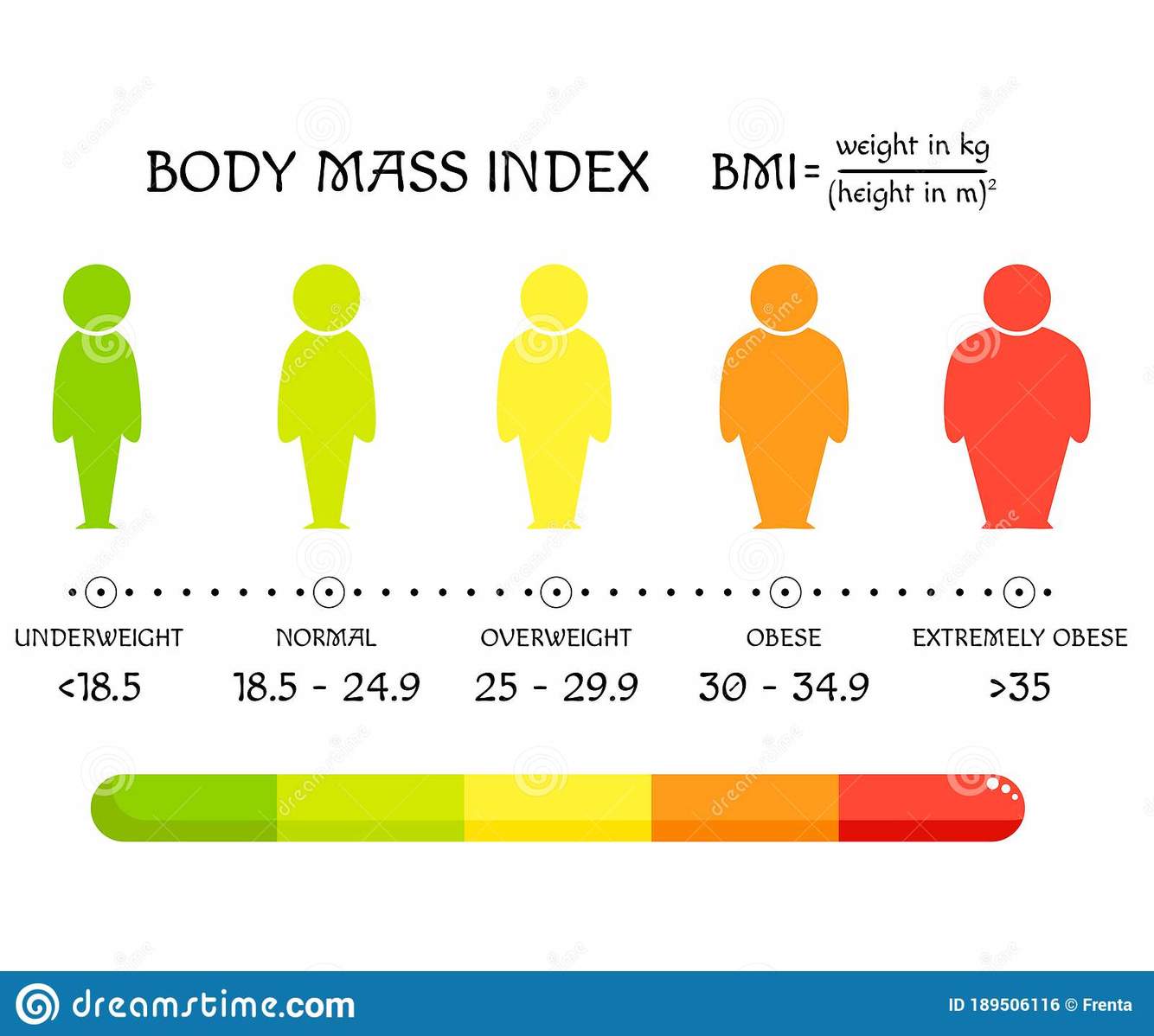
Remind yourself of the BMI ranges for:
- Underweight
- Healthy weight
- Overweight
- Obese
- Morbidly obese
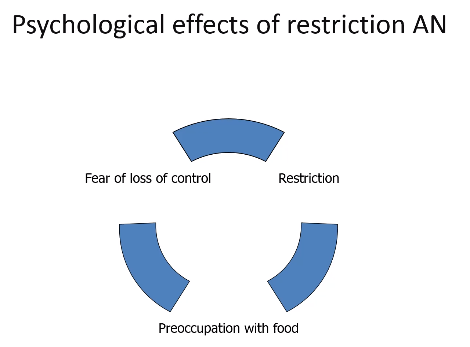
Discuss the psychology behind how restriction of food can result in AN
*Talked about in lecture
- Restriction leads to preoccupation with food
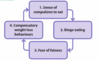
- Preoccupation with food in pts with AN leads to fear of loss of control if they eat
- Hence they restrict
- Others without AN would respond to preoccupation with food with eating
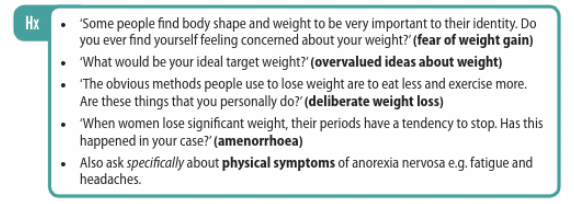
Example questions for anorexia nervosa history
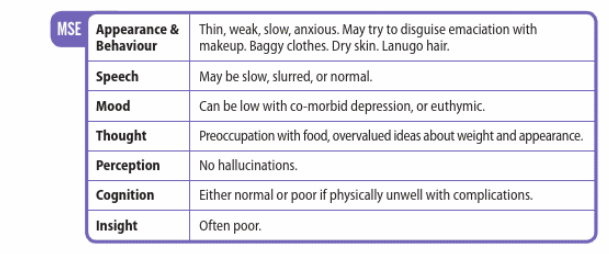
Discuss a potential MSE for pt with anorexia nervosa
What other examinations are vital in anorexia nervosa pt?
Full systems examintsions should be carried out to assess degree of emacation, exlude differential diagnoses and look for possible complications
What investigations are required for someone with anorexia nervosa?
Structure answer as bedside, bloods, imaging/other and for each STATE WHY you would do it
Bedside
- ECG: look for arhythmias e.g. sinus bradycardia, prolonged QT
- Plasma glucose
- VBG: look for metabolic acidosis (laxatives) or metabolic alkalosis (vomiting)
- Questionaires: e.g. EAT (eating attitudes test)
Bloods
- FBC: anaemia, thrombocytopenia, leukopenia
- U&ES: low potassium, phosphate, magnesium & chloride. R**aised urea & creatinin if dehydrated
- LFTs: low albumin
- Lipids: raised cholesterol
- Cortisol: raised
- Sex hormones: low LH, FSH, oestrogens & progesterones
- Amylase: pancreatitis can be a complication
- B12, folate, Fe: low
Imaging/other
- DEXA scan: if osteoporosis suspected
State some potential differential diangoses for anorexia nervosa
- Bulimia nervosa
- Eating disorder not otherwise specified (EDNOS)/ atypical eating disorder- similar to anorexia nervosa, bulimia nervosa and/or binge eating but doesn’t met diagnostic criteria
- OCD
- Depression
- Alcohol or substance misuse
- Schizophrenia with delusions about food
- Organic cause e.g. diabetes, hyperthyroidism, malignancy
Discuss how the body adapts to low body weight
Sick euthymic syndrome occurs: a state of adaptation or dysregulation of thyrotropic feedback control wherein the levels of T3 and/or T4 are abnormal, but the thyroid gland does not appear to be dysfunctional. Adjusts thyroid hormone levles to reduce metabolic requirements leading to:
- Reduced resting metabolic rate
- Reduced body temp
- Bradycardia
Body can continue like this for some time but eventually will decompensate and it’s hard to predict when. This is why pts with AN can look well as they haven’t decompensated yet.
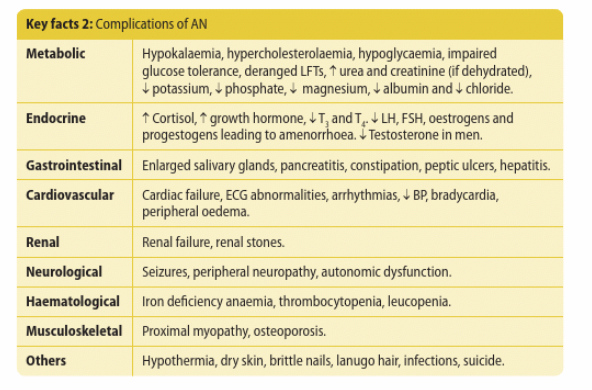
State some potential complications of anorexia nervosa
To help, think about different body systems:
- Endocrine
- Cardiovascular
- GI
- Renal
- Neurological
- Haematological
- Metabolic
- MSK
Also risk of refeeding syndrome when reintroduce food
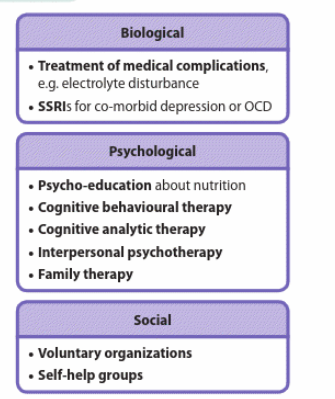
Discuss the management of anorexia nervosa using the biopsychosocial model
- Structured eating plan with oral nutrition
- Monitoring of weight
- Psychoeducation regarding nutrition
- Psychotherapy:
- CBT for AN (indiviudal)- abou 40 weeks
- MANTRA (maudsley anorexia nervosa treatment for adults. Like CBT but with bit extra)
- Interpersonal therapy
- Family therapy in children (about 20 sessions)
- Treatment of medical complications e.g. electrolyte disturbnaces
- Treatment of any co-morbid conditions
- Support groups e.g. Beat eating disorders
- Admission if required
Alongside biopsychosocial management mentioned in previous flashcard, state some other aspects of the management of anorexia nervosa
- Risk assessment (self harm, sucide, medical complications)
- Whether hospitalisation is required (severe anorexia BMI <14 or severe electrolyte abnormalities)
- Do you need MHA or children’s act for life-saving treatment e.g. NG feeding
Treatment for anorexia nervosa is usually as an outpatient, when woudl you need hospitalisation?
- Severe anorexia with BMI <14
- Physical/medical complications that require treatment
- Significan trisk e.g. suicide
What is the weight gain targets in anorexia nervosa for:
- Inpatients
- Outpatients
- Inpatients: 0.5-1kg/week
- Outpatients: 0.5kg/week
What guidelines can you use to help treat pts with anorexia nervosa?
MARSIPAN: Management of really sick patietnts with anorexia nervosa




-
Psychiatry Basics/Introduction17
-
Psychiatric History Taking & MSE44
-
Affective Disorders75
-
Schizophrenia & Psychoses52
-
Anxiety Disorders101
-
Personality Disorders23
-
Substance Misuse64
-
Eating Disorders65
-
Self Harm & Suicide26
-
Psychotherapies36
-
Psychopharmacology: Antidepressants & Antipsychotics80
-
Psychopharmacology: Mood Stabilisers, Anxiolytics & Others46
-
Legal Aspects of Psychiatry34
-
Child & Adolescent Psychiatry63
-
ECT16
-
Liason Psychiatry8
-
Psychological Problems Presenting with Physical Symptoms31



