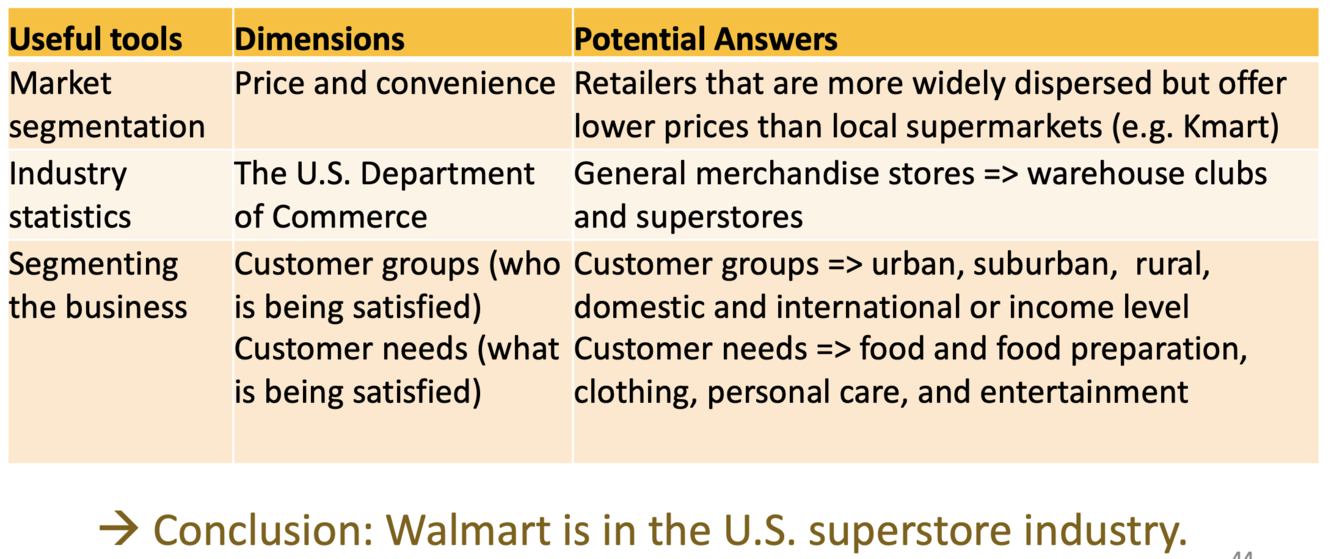
The Function of Structural (competitive) Forces:
Profitability and strategy are not only affected by internal resources but also by structural forces that shape the industry.
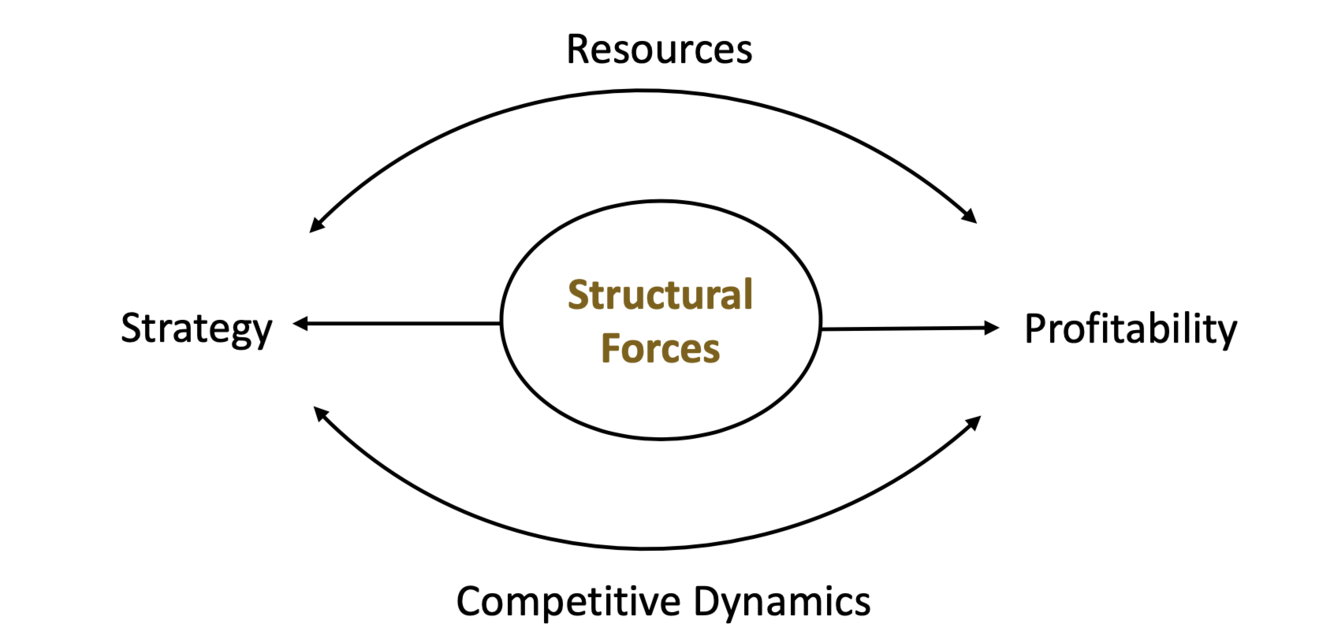
SWOT External Analysis:
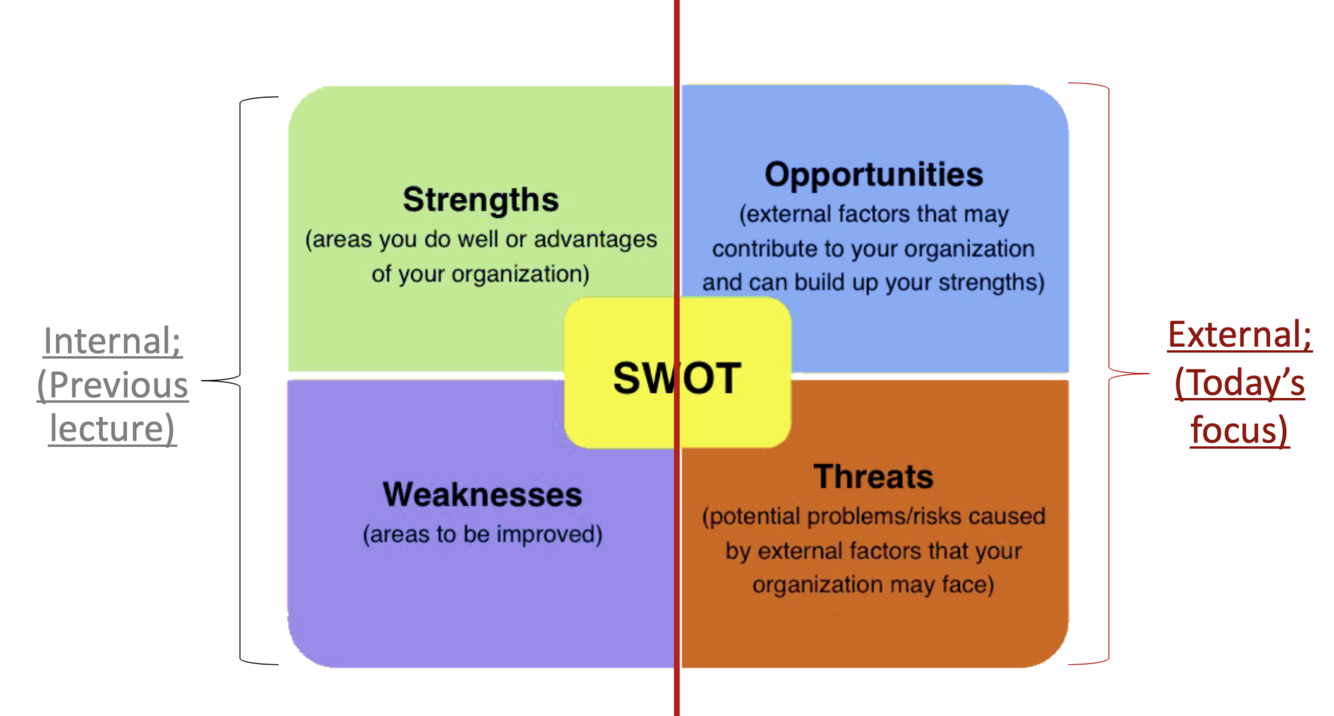
The External Environment: PESTEL
The PESTEL model groups the factors in the firm’s general environment into six segments:
- Political
- Economic
- Sociocultural
- Technological
- Ecological
- Legal
Framework to scan, monitor, and evaluate the important external factors and trends that might impinge upon a firm.
Components of an External Environment:
- Competitor Environment (Apple versus Samsung)
- Industry Environment (Many players in consumer goods industry)
- General Environment (Macro forces such as, political, economic, sociocultural, technological)
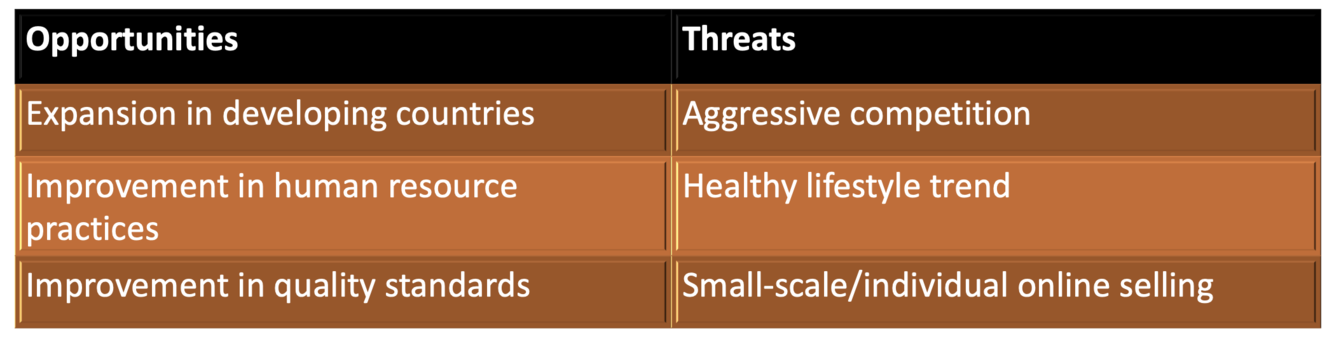
Wal-Mart: Opportunities & Threats
How can Wal-Mart utilise these opportunities? How to respond to these threats? Is it possible for Wal-Mart to turn threats into opportunities? (do industry analysis to find out)
Industry =
Group of firms producing products or services that are perceived by customers as meeting the same needs
Industry analysis =
Tool for understanding how profits are distributed among participants
Purpose of Industry Analysis:
Helps a company understand how its industry structure influences profits.
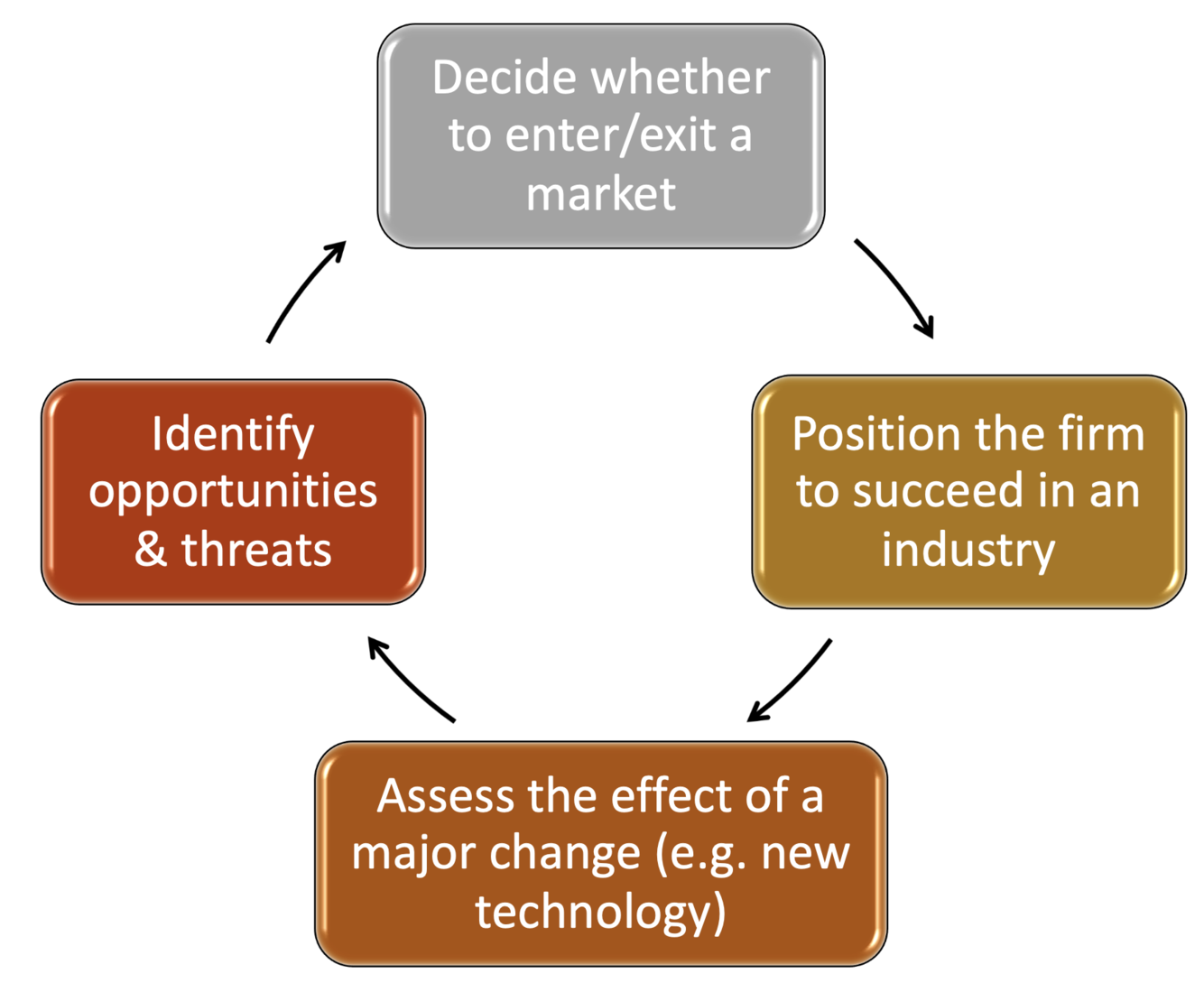
- By conducting an industry analysis, managers are able to;
- Identify opportunities and threats.
- Decide whether to enter or exit a market.
- Position their firms to succeed in an industry.
- Assess the effect of a major change.
6 Steps in Analysing an Industry:
- Define the industry
- In what industry does our company compete?
- Identify the players
- Who are the players that influences our company’s profitability?
- Analyse the players
- How can we evaluate the relative strengths of the forces influencing profitability?
- Test the analyses
- How can we make sure that our analysis is correct?
- Respond to the industry environment
- How can we develop a way to deal with the industry environment?
- Change
- How can we exploit change in the industry and even act to shape the industry?
Industry analysis: The Five Forces Framework:
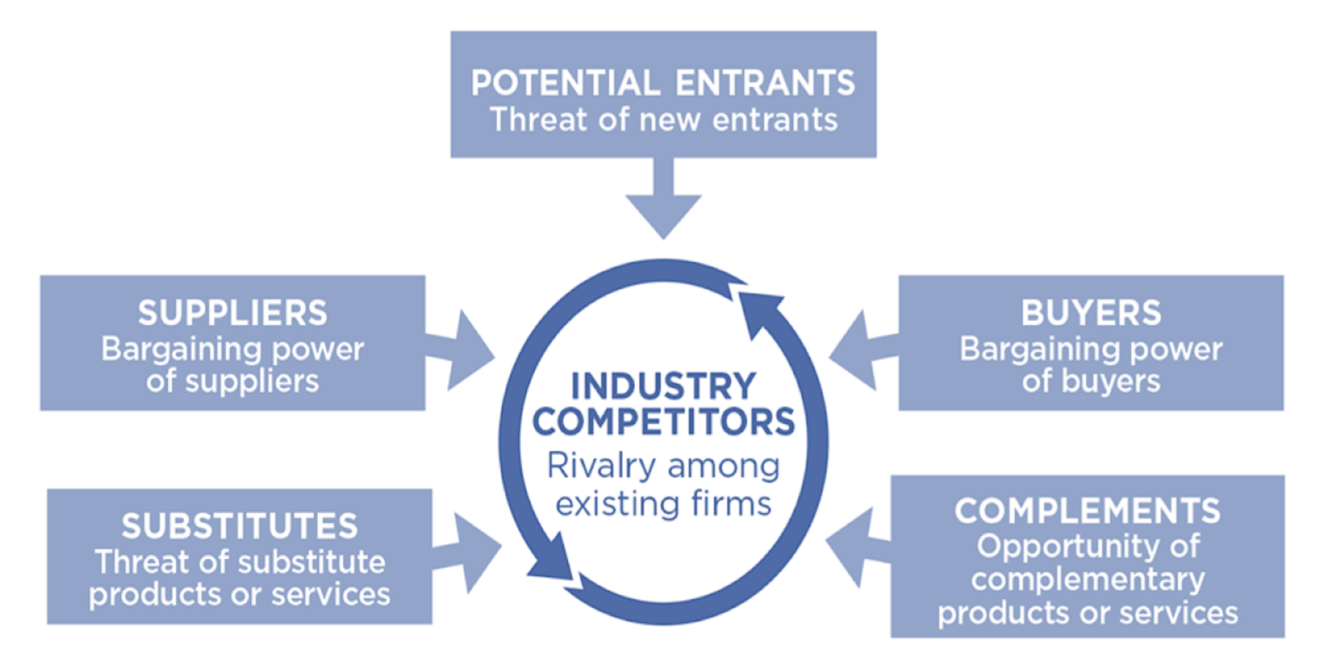
Fundamentals of the Five Forces Model:
- To explain and predict a firm’s performance, competition must be viewed more broadly, by including: buyers, suppliers, potential new entry of other firms, and the threat of substitutes.
- The profit potential of an industry is neither random nor entirely determined by industry-specific factors. Rather, it is a function of the five forces that shape competition.
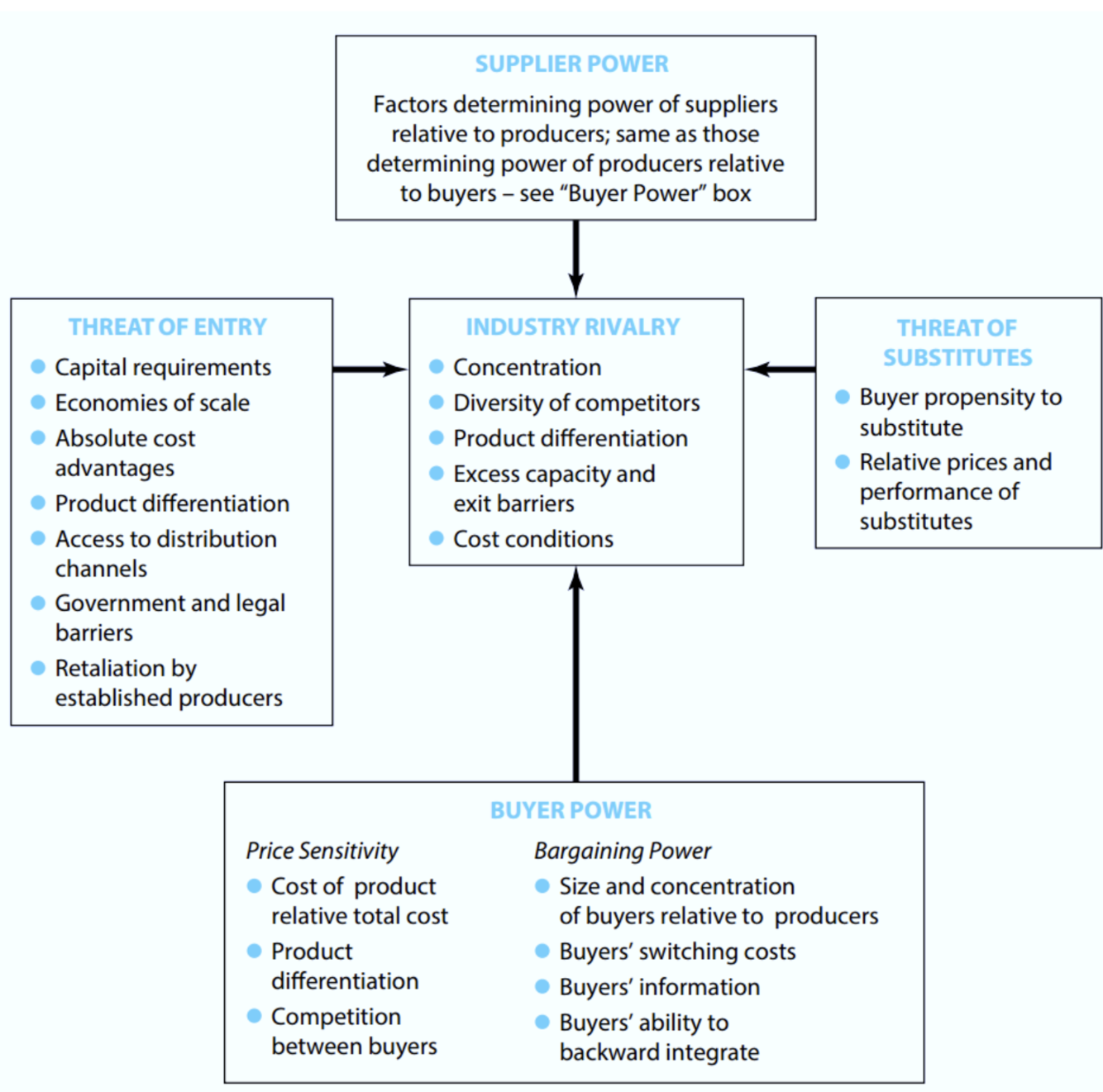
The structural determinants of the five forces of competition
Five Forces Framework helps to explain why profitability varies by industry. It implies that while the less- profitable industries are subject to powerful forces that make it difficult for industry participants to appropriate profits, such forces are muted in the more profitable industries.
The threat of new entrants:
The risk that potential competitors will enter the industry
If barriers to entry are high, a potential newcomer will pose less threats.
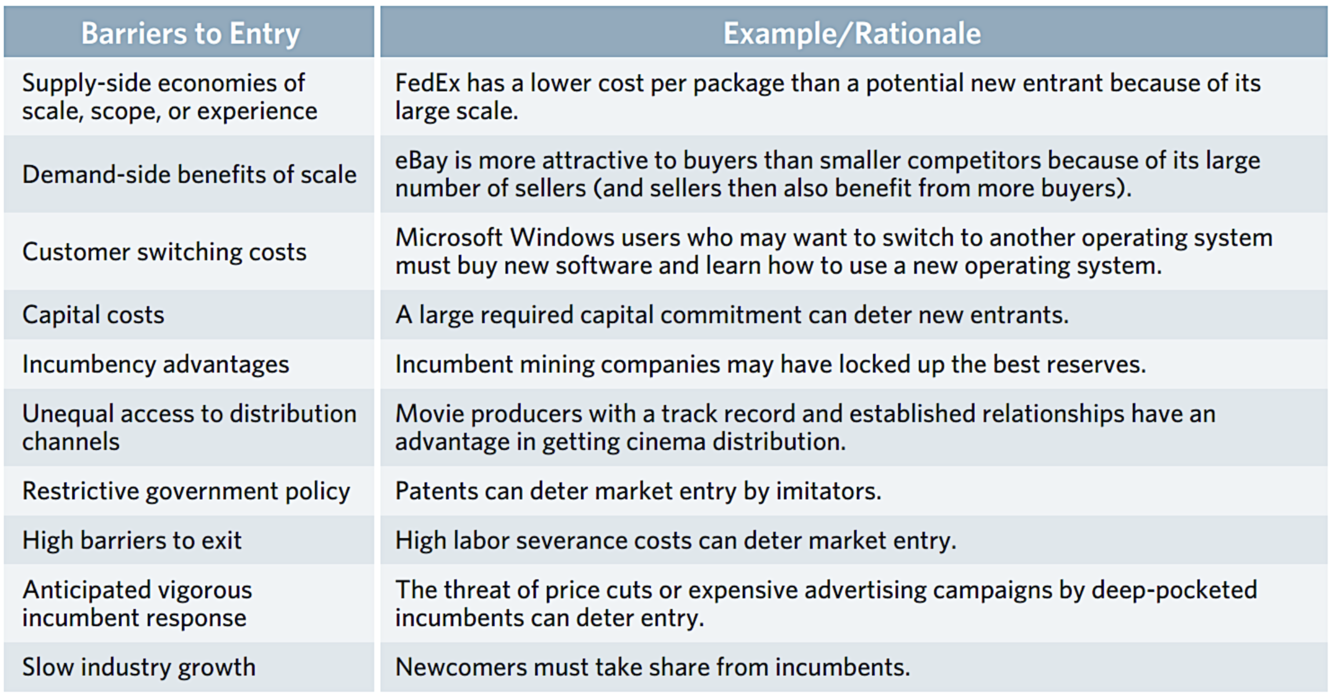
Major Sources of Barriers to Entry:
- Economies of scale
- Product differentiation
- Capital requirements
- Unequal access to distribution channels
- Government policies (e.g. licences)
Factors Affecting the Threat of New Entrants into an Industry:
The Bargaining Power of Suppliers:
Pressures that industry suppliers can exert on an industry’s profit potential.
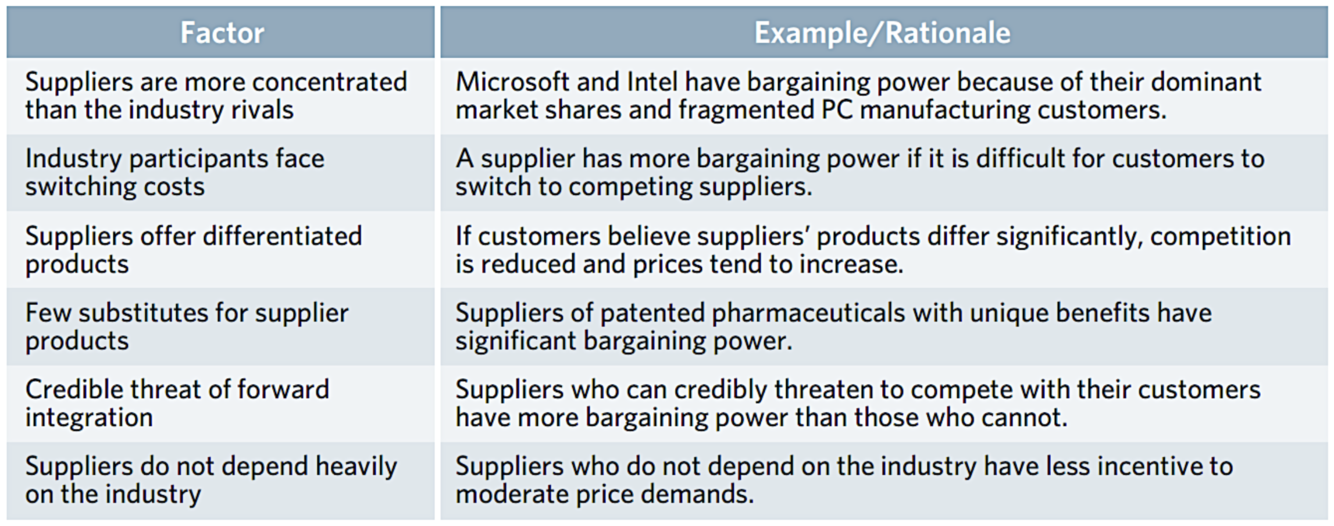
A supplier group is likely to have more bargaining power if:
- It is dominated by a few companies.
- Its product is unique or differentiated, which leads to a higher switching cost.
- The industry is not an important customer.
While powerful suppliers can force higher prices, suppliers that cannot influence price may demonstrate power through their ability to reduce supply substantially
Factors Affecting the Bargaining Power of Suppliers:
The Bargaining Power of Buyers:
(Buyers = all customers of a specific industry (individuals, firms etc.))
Pressure an industry’s customers can put on the producer’s margins in the industry by demanding a lower price or higher product quality
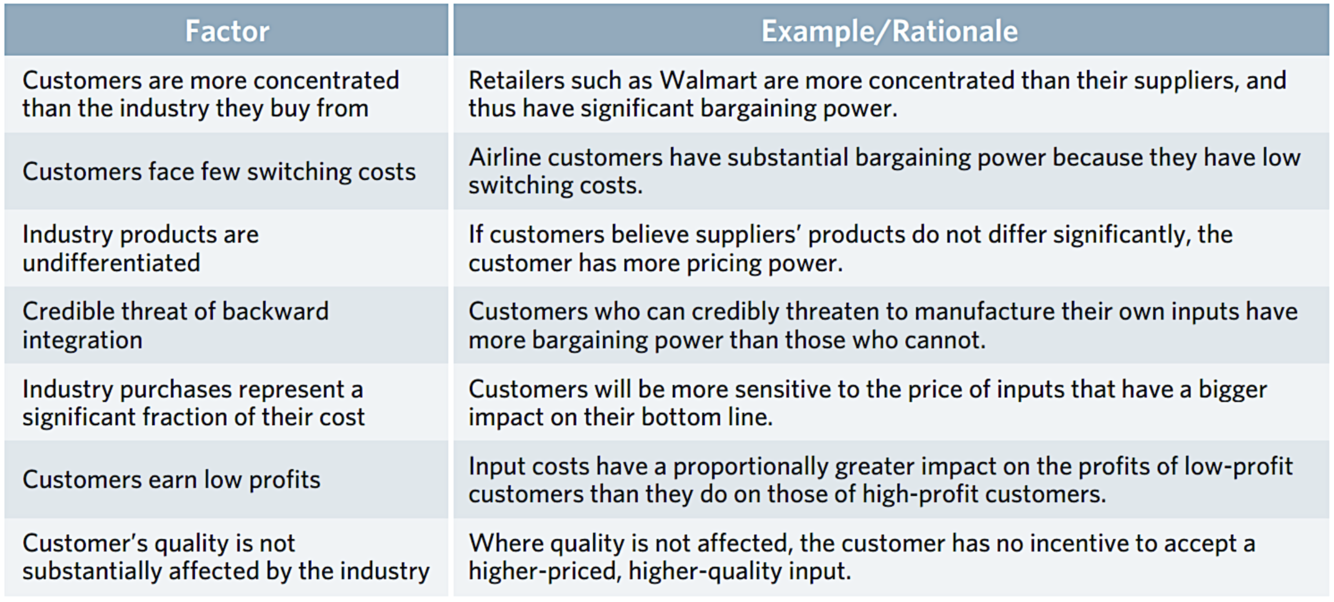
A buyer group is likely to have more bargaining power if:
- It is concentrated and purchases in large volume.
- The products it purchases from the industry are standard or undifferentiated.
- It earns low profits, which create great incentive to lower its purchasing costs.
Aldi purchases products in large volume which increases its bargaining power with suppliers.
theindustry’sproductisunimportantto the quality of the buyers’ products.
Factors Affecting the Bargaining Power of Buyers:
The Threat of Substitutes:
“One product is a substitute for another if a price increase in one increases the quantity demanded of the other” Substitutes compete for industry profits, but from outside the industry. Videoconferencing competes for profits with business-class air travel.
Threats of substitute products will be higher if:
- The substitute is easily accessible. (“closeness”)
- It provides a better performance/price ratio
The greatest threats of substitution come from products or services that offer additional benefits or better quality at a lower cost
Rivalry among Existing Competitors:
Rivalry generates competition and threatens the profitability of all firms in the industry
A rivalry among existing competitors will be higher if:
- Product lacks differentiation
- Exit barriers are high
- Industry growth is slow
- Fixed costs are high
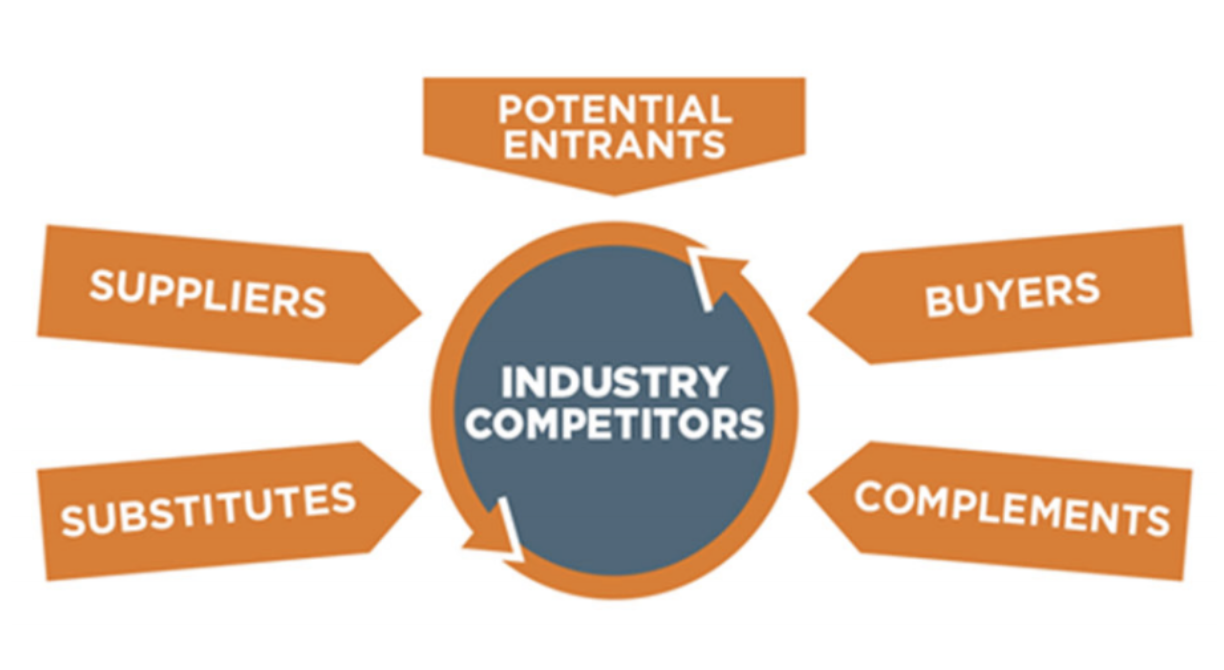
Extending the Analysis to Address Cooperation and Complements:
Sometimes a business will cooperate with customers or other businesses in order to grow a market. Rather than competing for the largest slice of the pie, they work together to make the pie bigger.
Complements = products that are typically consumed together, like computers and operating system software—provide an incentive to cooperate.
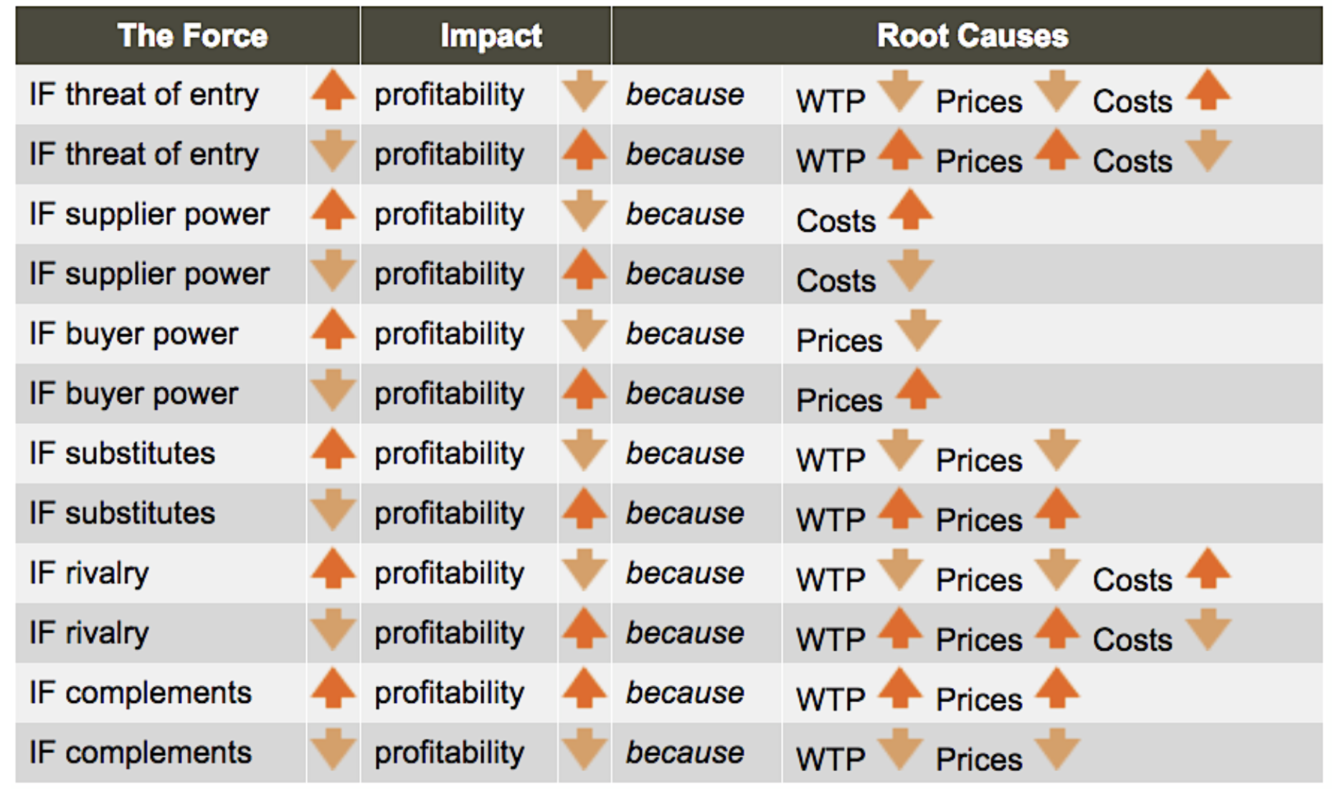
How do the five forces influence profitability?
Profitability is influenced by willingness to pay, the price, and the cost
- Powerful buyers can use their negotiating strength to force industry prices down. They may also demand that industry rivals increase the value of the products they sell, which will increase their costs.
- Powerful suppliers will be able to charge higher prices, increasing the industry’s costs and reducing its profits.
An Application of Industry Analysis (Walmart)
Underlying questions:
- Where are the most attractive opportunities to increase the company’s profit?
- What are the potential threats to existing profits and how should Walmart counter them?
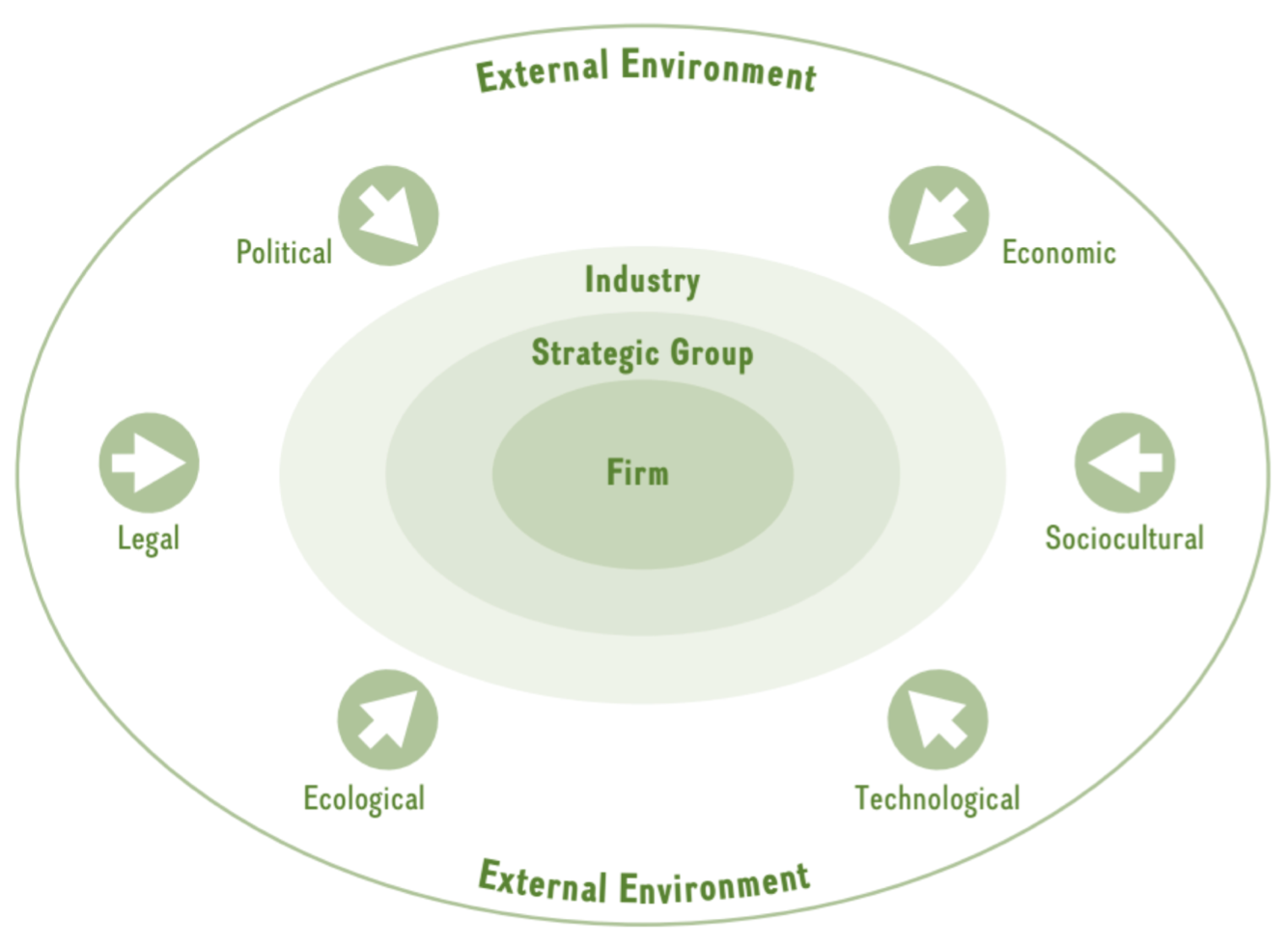
Walmart Industry Analysis - Define:
Which industry does Walmart operate in?
It is important to look at from customers’ perspectives!
Do customers see Walmart as equivalent to a local supermarket?