Define Pulmonary embolism
- exogenous or endogenous material migration to the pulmonary vasculature causing various degrees of obstruction
- spectrum of consequences: dyspnea, chest pain, hypoxemia and sometimes death
what can cause pulmonary embolisms
- DVT
- AIr bubbles
- fat droplets usually from fractures
- carbon dioxide
What are the basic risk factors for pulmonary embolism
Virchow’s triad
- Hypercoagulability state
–> hereditary or acquired (cancer, pregnancy, antithrombin)
- venous stasis
–> immobility/cast, surgery, obesity, advanced age
–> SMOKING, ORAL CONTRACEPTIVES
- endothelial
–> major surgery, trauma, centra venous catheterization
describe the hemodynamic alterations that occur in pulmonary embolism
- Minute ventialtion acutely increase w/ resulting tachypnea
- Hypoxemia develops
- obstruction of blood flow creates alveolar dead space with regions of high ventilation
- both lungs are affectd with lower lobe involvement mroe often than upper lobes
- shape of emobli may outline the imprint of the vein from where it originated
describe the compensatory mechanisms
- Hypoxia:
–> stimulates increase in sympathetic tone resulting in systemic vasoconstriciton, increase venous return and ICNREASE STROKE VOLUME
- can result in right heart failure due to reduced pressure
describe most common clinical signs/symptoms
- tachypnea
- chest or pleuritic pain
- dyspnea
- anxiety
- cough
- tachycardia
what are some late manifestations
- hemoptysis
- low-grade fever
- wheezing, rales
- loud pulmonic component of the 2nd heart sound
- right ventricular lift or heave
Describe wells criteria
- used to determine if further testing may be needed
describe D-dimer
- specific derivative of cross-linked fibrin
- helpful in assessing clincially stable pts with low probability for PE
- in patients with intermediate or high pretest probability a negative D-dimer is not helpful to RULE OUT THE DISEASE
- D-Dimer can be eleveated in other conditions like chronic kidney disease or post surgery
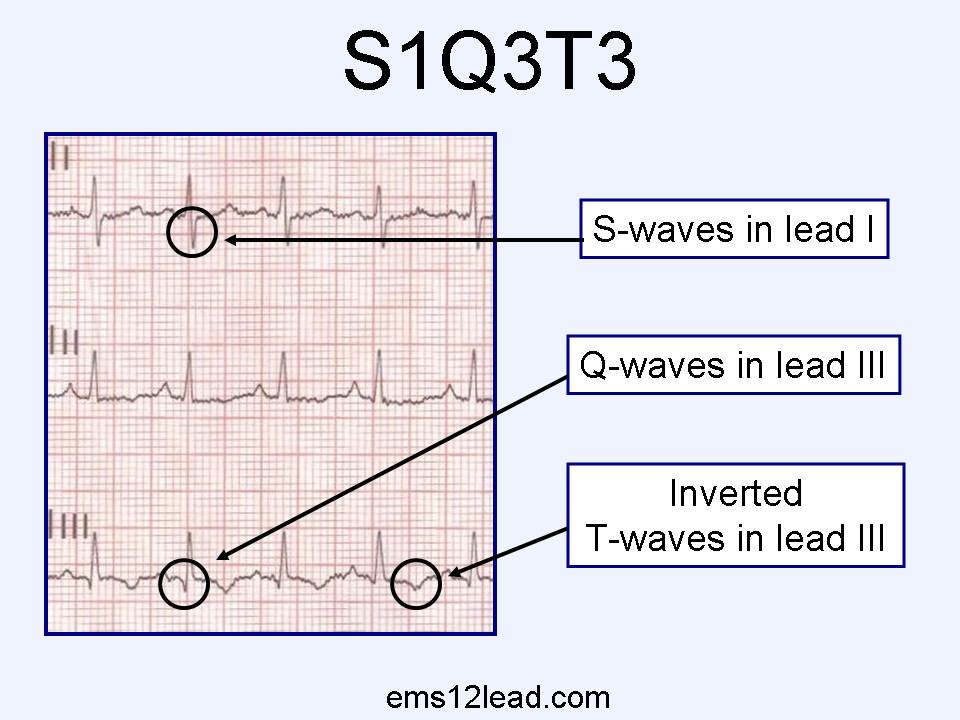
ECG results in Pulmonary embolism
- may show ST segment abnormality, T-wave changes and right axis deviation
- tachycardia
- Only 1/3 of patients with massive emboli demonstrate P-wave pulmonale, right bundle branch block, S1Q3T3
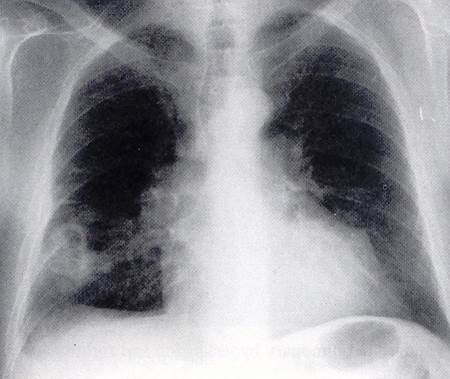
Chest X-ray findings in PE
- parenchymal changes may take hrs to show on plain films
- delayed changes
–> pleural effusion, atelectasis, pulmonary infiltrates, mild elevation of the hemidiaphragm and frank pulmonary infarction may occur
- Hampton hump = a peripheral conical density with the base opposed to the chest wall)
CT angiography (CTA) findings in PE
- PRIMARY diagnostic method for suspected PE
- 90% sensitivity and specificity
- requires a bolus of contrast so kindey function must be reveiwed
- continuous reading can be obtained in a single breath
- DISADVANTAGES: availability, radiation dose, exposure to contrast dye, poor sensitivity for detecting clots in small vessels
Pulmonary arteriography findings in PE
- Gold standard although mroe invasive
- reserved for pts with whom ucnertainty remains elevate after CTA
- performed at the bedside using a pulmonary artery catheter and fluoroscopic guidance
describe lower extremity testing
- close relationship between lower extremity DVT and PE
- If any of the tests below are positive and pt has clinical s/s of PE, further invasive tests are not always done
–> positive compression ultrasound
–> impedance plethysmography
–> CT or MRI of lower extremities
describe TX of PE in hemodynamically stable pts
- anticoagulation with unfractionated heparin, subcutaneous low-molecular-weight-heparin or fondaparinux
- warfarin should be started at the same time
- new thrombin inhibitors and factor Xa inhibitor riboroxaban are now approved for tx of PE
Tx of PE in hemodynamically UNSTABLE pts
- reflects substantial elevation in pulmonary vascular resistance, pulmonary artery pressure, consequent poor right ventricular function and cardiac output
- thrombolytic therapy is indicated followed by anticoagulation
- if thrombolytic therapy is contraindicated, surgical or catheter embolectomy should be considered
describe the ongoing management and prevention of recurrent PE
- Anticoagulation is continued for 3 months
- longer duration with greater risks such as cancer, proximal DVT or idiopathic PE
- Inferior vena cava filters have been used to prevent embolization in pts who are not candidates for acute or chronic anticoagulation




