A five year old male is referred for evaluation after his fourth episode of urinary tract infection. Mother received limited antenatal care during pregnancy. Creatinine is normal. Renal ultrasound shows a small echogenic right
kidney with a dilated ureter. Radionucleotide scan shows left kidney contributes 80% of function, right kidney 20%. Based on the kidney biopsy below, what is his diagnosis, prognosis and treatment?
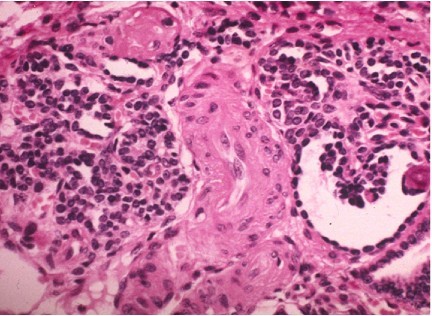
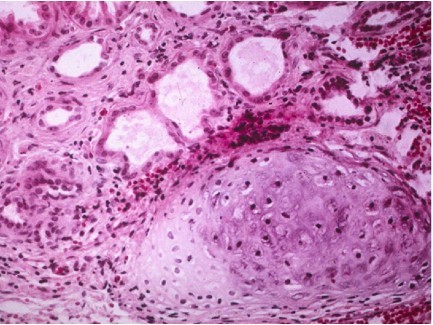
Renal dysplasia
Congenital anomalies of the kidney and urinary tract (CAKUT) due to:
- Malformation of renal parenchyma resulting in failure of normal nephron development–> renal dysplasia, renal agenesis, renal tubular dysgenesis, and polycystic renal diseases.
- Abnormalities of embryonic migration of the kidneys as seen in renal ectopy (eg, pelvic kidney) and fusion anomalies, such as horseshoe kidney.
- Abnormalities of the developing urinary collecting system as seen in duplicate collecting systems, posterior urethral valves, and UPJ obstruction
Kidneys are variable in size but most are smaller
- Discovered during routine antenatal screening.(increased echogenicity as a result of abnormal renal parenchymal tissue, poor corticomedullary differentiation, and parenchymal cysts.)
- By 20 weeks gestation, fetal urine accounts for 90 percent of the amniotic volume. Oligohydramnios is a clue .
- Associated urological findings- abnormalities of the renal pelvis and calyces (congenital hydronephrosis) and ureters (duplicating collecting system), megaureter, ureteral stenosis, and vesicoureteral reflux (VUR).
- Symptomatic presentation due to urinary tract infection, hematuria, fever, and abdominal pain
Clinical:
Important Contributor to ESRD in children (Especially in bilateral disease)
- In past, thought was that progressive loss of renal function was due to associated collecting system abnormality leading repeated bouts of pyleonephritis
- Modern belief is that parenchymal abnormalities are the cause of progressive decline in renal function
Management:
- Medical prophylaxis of UTI versus surgical correction of collecting system abnormalities
- No convincing evidence that surgery is superior
- Severe reflux with very frequent and/or severe UTI’s is
nevertheless often managed surgically.
- The rate of spontaneous resolution is dependent upon age, grade of reflux, and whether the reflux is unilateral or bilateral.
A 56-year old woman with no significant medical history who presents with 2 months of LE swelling, nocturia and foamy urine. On exam, BP 138/76, periorbital edema, 3+ pitting edema of lower extremities.
Laboratory studies: Cr 1.3, TC 556, Albumin 1.8, Ur Protein: Cr ratio 13, C3 135, C4 38
HIV, HBV, HCV, ANA all negative
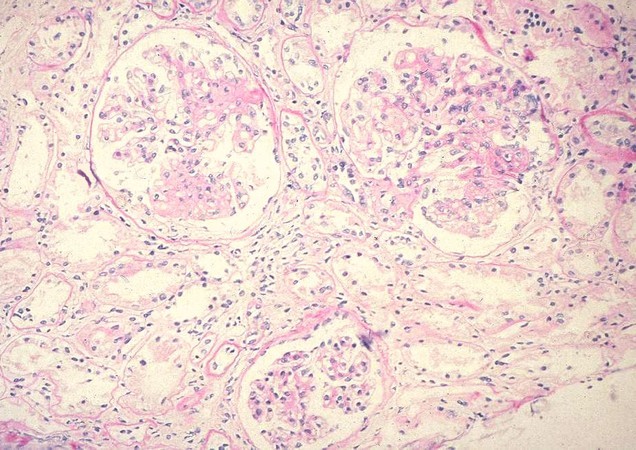
Focal segmental glomerulosclerosis:
AKA: Focal Sclerosis
- *First AID:**
- Nephrotic syndrome= proteinuria (> 3.5 g/day, frothy urine), hyperlipidemia, fatty casts, edema. Can cause thromboembolism (hypercoagulable due to ATIII loss in urine) and increased infection risk (loss of Ig)
- LM: segmental slerosis, hyalinosis
- EM: effacement of foot processes (like minimal change disease)
- MOST common cause of nephrOtic syndrome in adults
- Associated with HIV, heroin, obesity, IFN treatment, chronic kidney disease due to congenital absence/surgical removal
Clinical presentation:
35-40% cases of nephrotic syndrome in adults
- 50% of cases of NS in blacks
- only 20% of nephrotic syndrome cases in children
Clinical course/prognosis:
- Immunosuppressive therapy only for primary FSGS
- 50% will have partial or complete remission with treatment
- Poor prognostic factors- proteinuria >10 grams/day; histology (collapsing), renal failure at presentation, poor response to therapy, black race
- *Treatment:**
- Immunosuppression if nephrotic at preserved GFR
- Prolonged/high dose steroids - 1 mg/kg for at least 6 months
- If unable to tolerate steroids – cyclosporine
- If GFR
- Transplant is option once ESRD–> may recur immediately post-kidney transplant
Two Major Clinical Forms:
- Primary or Idiopathic (includes familial/genetic forms)
- Secondary
- Virus (HIV, Parvovirus B19)
- Drugs (Heroin, Interferon, Lithium)
- Adaptive functional response (obesity, loss of one kidney)
Multiple Histologic Subtypes:
- Classic
- Perihilar
- Cellular
- Tip Variant
- Collapsing (Associated with HIV)
- *Histology**:
- *Light microscopy:**
- Mesangial cell proliferation
- Focal process: not all glomeruli involved
- Segmental process: only tufts involved
- Trichrome stain: expansion of mesangium
Immunofluorescence:
- Trapping of IgM within mesangium
Electron microscopy:
Epithelial Cell Injury
- Foot process fusion
- Detachment from underlying basement membrane
Mesangial Changes
- Fibrosis
- Mesangial Matrix Increase
- Insudative deposition of IgM and C3
- Lipid vacuoles
- *Pathogenesis**:
1. Primary event is Epithelial Cell injury induced by circulating factor (SuPAR) - Can see return of proteinuria within 24 hr’s after transplant
- Candidate circulating factor has been tentatively identified
2. Subsequent loss of GBM integrity
3. Glomerular structure becomes hyper permeable
4. See secondary extracellular matrix depositions and insudative trapping of IgM in the mesangium
Genetic predisposition:
- Polymorphisms/mutations in: Nephrin gene, Podocin gene
Injury:
Angio-poietin-like-e–> alters slit diaphragm between podocyte processes–> loss of GBM integrity–> proteinuria
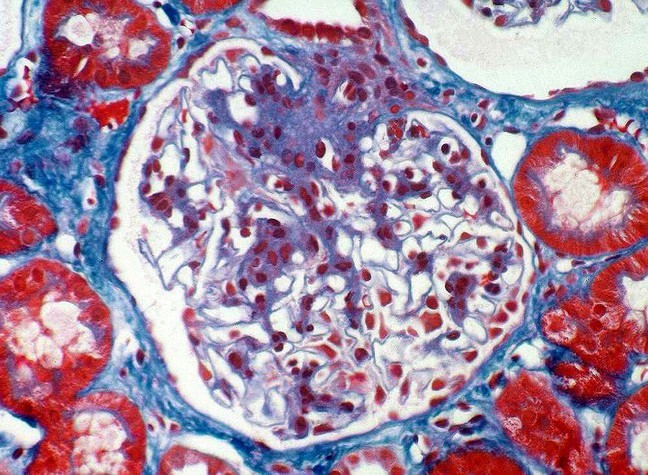
PT is a 56-year old woman with no significant medical history who presents with 2 months of LE swelling, nocturia and foamy urine
On exam, BP 138/76, periorbital edema, 3+ pitting edema of LE
Laboratory studies: Cr 1.3, TC 556, Albumin 1.8, Ur Protein: Cr ratio 13, C3 135, C4 38
HIV, HBV, HCV, ANA all negative
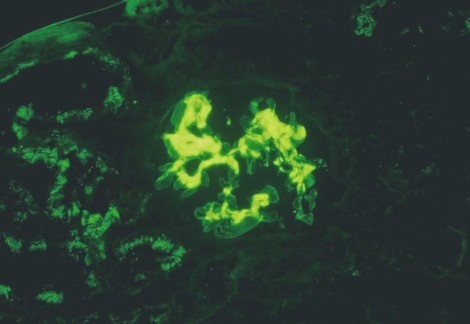
IgM deposition noted in histologic sample below. What is her diagnosis and treatment?
Focal segmental glomerulosclerosis:
AKA: Focal Sclerosis
- *First AID:**
- Nephrotic syndrome= proteinuria (> 3.5 g/day, frothy urine), hyperlipidemia, fatty casts, edema. Can cause thromboembolism (hypercoagulable due to ATIII loss in urine) and increased infection risk (loss of Ig)
- LM: segmental slerosis, hyalinosis
- EM: effacement of foot processes (like minimal change disease)
- MOST common cause of nephrOtic syndrome in adults
- Associated with HIV, heroin, obesity, IFN treatment, chronic kidney disease due to congenital absence/surgical removal
Clinical presentation:
35-40% cases of nephrotic syndrome in adults
- 50% of cases of NS in blacks
- only 20% of nephrotic syndrome cases in children
Clinical course/prognosis:
- Immunosuppressive therapy only for primary FSGS
- 50% will have partial or complete remission with treatment
- Poor prognostic factors- proteinuria >10 grams/day; histology (collapsing), renal failure at presentation, poor response to therapy, black race
- *Treatment:**
- Immunosuppression if nephrotic at preserved GFR
- Prolonged/high dose steroids - 1 mg/kg for at least 6 months
- If unable to tolerate steroids – cyclosporine
- If GFR <35-40 ml/min usually no role for immunosuppression
- Transplant is option once ESRD–> may recur immediately post-kidney transplant
Two Major Clinical Forms:
- Primary or Idiopathic (includes familial/genetic forms)
- Secondary
- Virus (HIV, Parvovirus B19)
- Drugs (Heroin, Interferon, Lithium)
- Adaptive functional response (obesity, loss of one kidney)
Histology:
Light microscopy:
- Mesangial cell proliferation
- Focal process: not all glomeruli involved
- Segmental process: only tufts involved
- Trichrome stain: expansion of mesangium
- *Immunofluorescence:
- Trapping of IgM within mesangium**
Electron microscopy:
Epithelial Cell Injury
- Foot process fusion
- Detachment from underlying basement membrane
Mesangial Changes
- Fibrosis
- Mesangial Matrix Increase
- Insudative deposition of IgM and C3
- Lipid vacuoles
Pathogenesis:
- Primary event is Epithelial Cell injury induced by circulating factor (SuPAR)
- Can see return of proteinuria within 24 hr’s after transplant
- Candidate circulating factor has been tentatively identified - Subsequent loss of GBM integrity
- Glomerular structure becomes hyper permeable
- See secondary extracellular matrix depositions and insudative trapping of IgM in the mesangium
Genetic predisposition:
- Polymorphisms/mutations in: Nephrin gene, Podocin gene
Injury:
Angio-poietin-like-e–> alters slit diaphragm between podocyte processes–> loss of GBM integrity–> proteinuria
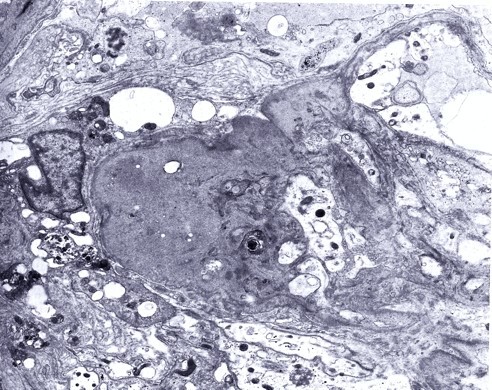
MM is a 36 yr old male was noted with new 3+ proteinuria on an insurance physical. History of hypertension.
On exam, he presents with facial edema and elevated blood pressure
3.5gm protein/day on 24 hr urine, SCr 0.8, normal serum complements
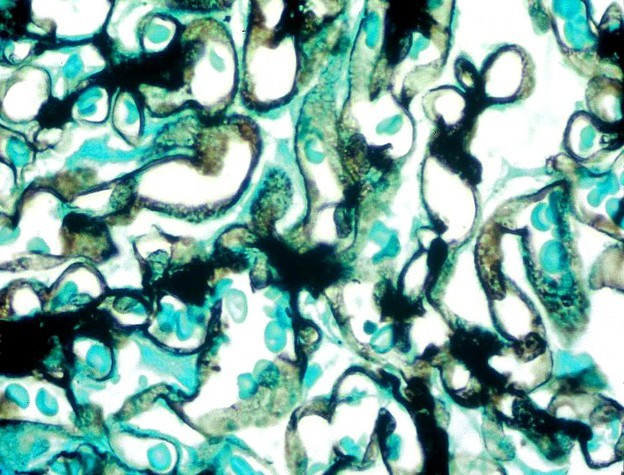
Below is a silver stain of a kidney biopsy. What is his diagnosis and treatment?
Membranous glomerulonephropathy:
- *First AID**:
- Nephrotic syndrome= proteinuria (> 3.5 g/day, frothy urine), hyperlipidemia, fatty casts, edema. Can cause thromboembolism (hypercoagulable due to ATIII loss in urine) and increased infection risk (loss of Ig)
- LM- diffuse capillary and GBM thickening
- EM: “Spike and dome” appearance with subepithelial deposits
- IF: granular. Nephrotic presentation of SLE
- Second most common cause of primary nephrotic syndrome in adults
- Idiopathic (serum Ab against phospholipase A2-R= PLA2R; transmembrane protein on podocytes)
- Drugs, infections, SLE, solid tumors
Clinical course:
- 1/3 with spontaneous complete remission
- 1/3 with persistent proteinuria
- 1/3 with progression to ESRD
- *Primary:**
- Autoimmune Disease – IgG4 linked to certain MHC loci
- Production of autoantibody to M-type phospholipase A2 receptor
- Immune complexes are formed in situ: C5b-C9 attack complex that injures epithelial cells
- *Secondary:**
- Chronic circulating immune complexes of a specific size are trapped (IgG mediated)
- Antigen-antibody complex activate complement attack complex, causing epithelial and BM injury
Causes:
- Systemic lupus erythematosus (WHO Class V)
- Drugs:
- Penicillamine
- Bucillamine
- Gold salts
- Anti-TNF therapy
- Tiopronin
- NSAIDs - Hepatitis B virus/ Hepatitis C virus
- Malignancy
- Hematopoietic cell transplant / GVHD Status post renal transplantation
- Sarcoidosis
- Treponema,
- Thyroglobulin
- *Treatment**:
- ACE/ARB for tight BP control
- Immune-suppression for those at high risk of ESRD:
1. elevated creatinine at presentation
2. proteinuria > 8g/dL for 6 months after conservative treatment (ACE/ARB)
3. worsening kidney function
4. Refractory manifestations of nephrosis
Immune suppression:
- Cyclophosphamide or calcineurin inhibitor + Corticosteroids
- Alternate Agents- Rituximab (NIH clinical trials)
M.S. is a 3yr old boy who presents to the office with generalized edema and abdominal distention
UA – 3+protein, no RBCs
CXR – bilateral pleural effusions
Labs – Albumin 1.2 g/dL, total cholesterol 472 mg/dL, BUN 21 mg/dL, creatinine 1.2 mg/dL
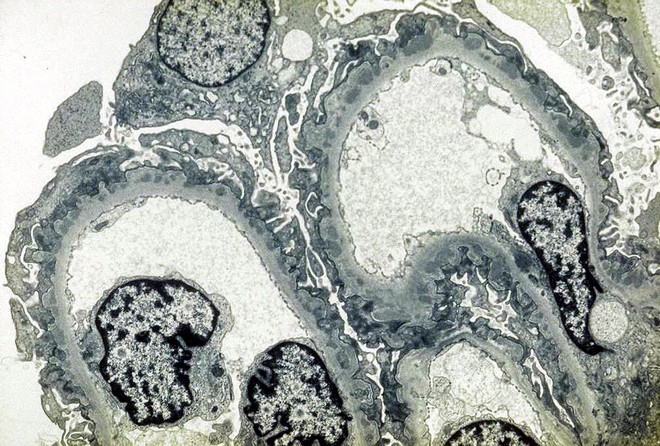
Electron microscopy: below
What is the diagnosis and treatment?
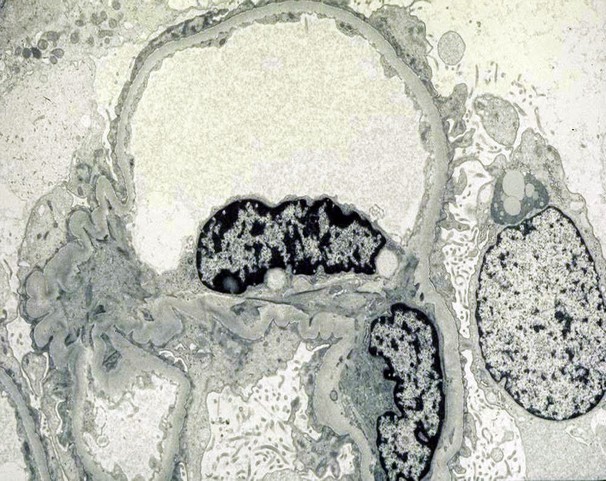
Minimal Change disease:
“Nil” disease= Proteinuria with epithelial cell foot processes fusion
- *FIRST AID:**
- Nephrotic syndrome= proteinuria (> 3.5 g/day, frothy urine), hyperlipidemia, fatty casts, edema. Can cause thromboembolism (hypercoagulable due to ATIII loss in urine) and increased infection risk (loss of Ig)
- LM= normal glomeruli
- EM= foot process effacement/fusion
- Labs: GBM polyanion loss (heparin sulfate defect)–> selective loss of albumin, not globulins
- Cause: Recent infection/immune stimulus (children): abnormal T-cell production of glomerular permeability factor–> capillary wall–> foot process fusion–> proteinuria
- Responds to STEROIDS
Most common cause of nephrotic syndrome in children
Prognosis:
- Progression to renal failure v. rare
- Responsive to steroids
- 50-65% of adults relapse (have steroid dependence)
- Good prognosis in children
Pathogenesis:
- Probably immunologic basis
- More prevalent in certain HLA haplotypes
- Proposed Immune dysfunction: Circulating cytokine (IL-13) that damages epithelial cells; innate T cell dysregulation (cmyb pathway)
Treatment: directed at T cells
- Prednisone (first-line)
- Cyclophosphamide or cyclosporine (relapsing or steroid resistant)
- Mycophenolate mofetil (relapsing or steroid-resistant), rituximab, tacrolimus
RW is a 60 yr old male who has been on renal dialysis for the past 15 years. His urinary protein electrophoresis is notable for light chains. Based on his history and the histology below, what is his diagnosis?
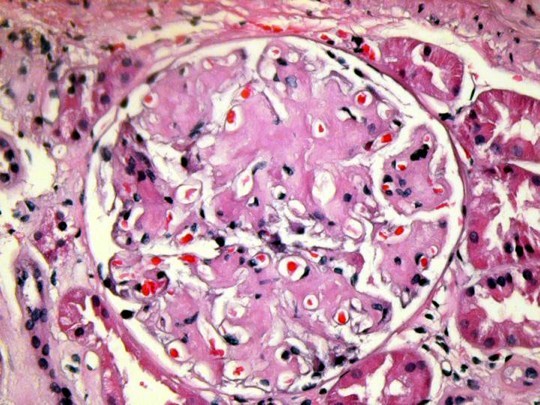
Amyloidosis–> Glomerulonephritis:
- *FIRST AID**
- Nephrotic syndrome= proteinuria (> 3.5 g/day, frothy urine), hyperlipidemia, fatty casts, edema. Can cause thromboembolism (hypercoagulable due to ATIII loss in urine) and increased infection risk (loss of Ig)
A collection of diseases sharing a common feature:
- common feature = Extracellular deposition of pathologic insoluble fibrillar proteins
- Protein deposition impairs normal function
Multiple organs and tissues can be involved
Virchow coined the term amyloid, meaning starch like
** Chronic Renal dialysis–> alpha-2-beta globulin deposition
Histo:
Light microscope:
- Amorphous deposition of pink material around glomeruli, afferent, efferent arterioles
- Congo red positive, Not PAS positive
Immunofluorescence:
- Non-specific staining with Ig reagents
Characteristics of protein:
- Many precursor proteins
- Abnormal folding
- Beta pleated sheet configuration
- Appear as fibrils by EM, 8-10nm in diameter, indefinite length
- Appears “apple green” with Congo red stain under polarized light
Primary amyloidosis:
Plasma cell dyscrasia with fragment of light chains forming amyloid fibrils
Treatment: chemo +/- bone marrow transplant
Secondary amyloidosis:
chronic inflammatory states (e.g. RA, IBD, CF, psoriasis) with acute phase reactant serum amyloid A forming fibrils
Causes:
- Rheumatoid arthritis
- Ankylosing spondylitis
- Psoriatic arthritis
- Chronic infections (e.g. bronchiectasis, TB, osteomyelitis)
- Inflammatory bowel disease
- Cystic Fibrosis
- Malignancy (e.g. RCC, NHL)
- Familial Mediterranean Fever
Treatment: treat underlying inflammatory disorder
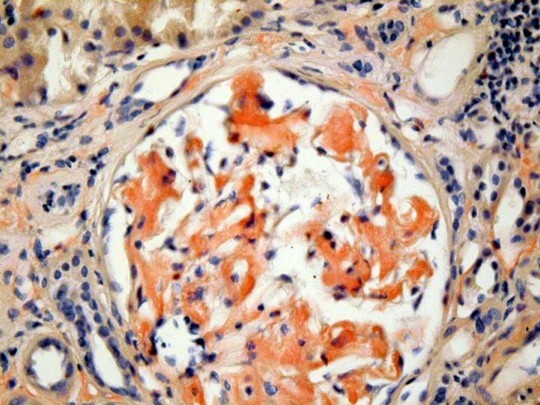
RW is a 60 yr old male who has been on renal dialysis for the past 15 years. His urinary protein electrophoresis is notable for light chains. Based on his history and the histology below (under polarized light), what is his diagnosis?
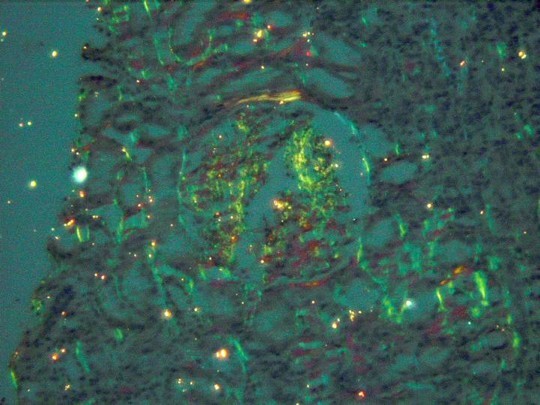
- *Amyloidosis–> Glomerulonephritis:**
- *FIRST AID**
- Nephrotic syndrome= proteinuria (> 3.5 g/day, frothy urine), hyperlipidemia, fatty casts, edema. Can cause thromboembolism (hypercoagulable due to ATIII loss in urine) and increased infection risk (loss of Ig)
A collection of diseases sharing a common feature:
- common feature = Extracellular deposition of pathologic insoluble fibrillar proteins
- Protein deposition impairs normal function
Multiple organs and tissues can be involved
Virchow coined the term amyloid, meaning starch like
** Chronic Renal dialysis–> alpha-2-beta globulin deposition
Histo:
Light microscope:
- Amorphous deposition of pink material around glomeruli, afferent, efferent arterioles
- Congo red positive, Not PAS positive
- *Immunofluorescence:
- Non-specific staining with Ig reagents**
Characteristics of protein:
- Many precursor proteins
- Abnormal folding
- Beta pleated sheet configuration
- Appear as fibrils by EM, 8-10nm in diameter, indefinite length
- Appears “apple green” with Congo red stain under polarized light
Primary amyloidosis:
Plasma cell dyscrasia with fragment of light chains forming amyloid fibrils
Treatment: chemo +/- bone marrow transplant
Secondary amyloidosis:
chronic inflammatory states (e.g. RA, IBD, CF, psoriasis) with acute phase reactant serum amyloid A forming fibrils
Causes:
- Rheumatoid arthritis
- Ankylosing spondylitis
- Psoriatic arthritis
- Chronic infections (e.g. bronchiectasis, TB, osteomyelitis)
- Inflammatory bowel disease
- Cystic Fibrosis
- Malignancy (e.g. RCC, NHL)
- Familial Mediterranean Fever
Treatment: treat underlying inflammatory disorder
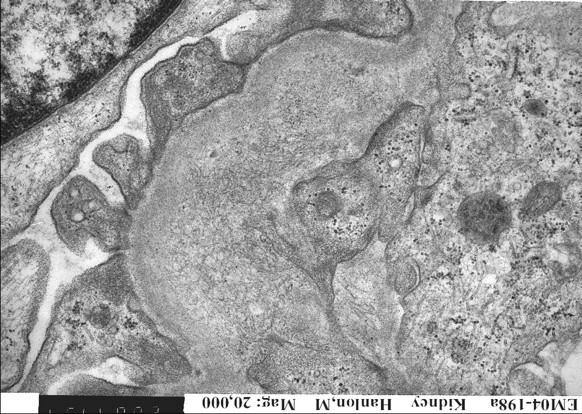
45-yr old male presents with microscopic hematuria and proteinuria (2 gm/d)
Further evaluation reveals low C3, normal C4 and Hepatitis C viral Ab positivity
Based on the light microscope slide below, what is his diagnosis and treatment?
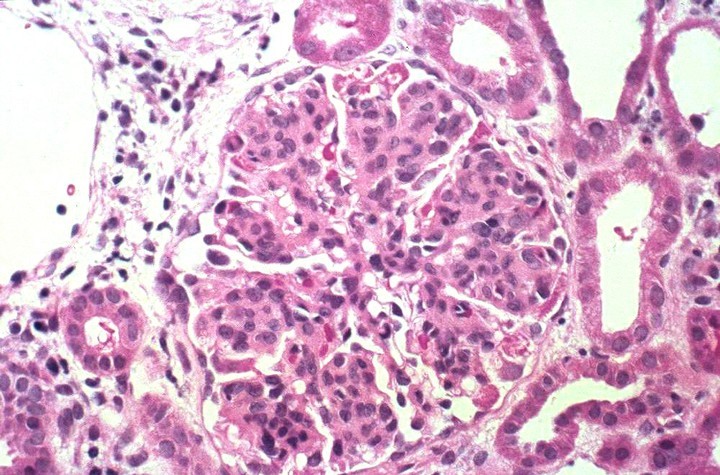
Membranoproliferative glomerulonephritis: Type 1
- *FIRST AID**:
- Subendothelial Immune complex deposits with granular immunofluorescence
- “tram-track” appearance due to mesangial ingrowth–> GBM splitting
- Associated with HBV, HBC
Primary and Secondary forms
- Both involve activation of classic and alternative complement pathways
1. Stimulating Antigen in Primary form is not known (truly idiopathic)
2. Secondary Type I MPGN associated with antigens from: - SLE, Hep B, Hep C, HIV, Endocarditis, CLL,
- Alpha 1-antitrypsin deficiency
- *Histo**:
- *Light microscopy:**
- Small urinary space, enlarged glomerulus
- Lobular proliferation of tuft (vs diffuse in post-strep)
- NO neutrophils (not actively inflammatory)
- PAS stain (glycoproteins): see basement membrane duplication/splitting “railroad tracking”
Immunofluorescence:
- IgG, C3 (low in serum–> ends up in glomerulus), C1q located in subendothelium (vs epithelial)
Electron microscopy:
- Focal foot process fusion
- Capillary Basement membrane duplication
- Subendothelial electron dense deposits
- Mesangial electron dense deposits
Treatment:
Treat underlying condition (e.g. HCV)
Idiopathic, nephrotic - Corticosteroids
Antiplatelets? Cyclosporine?
*Relapse is common
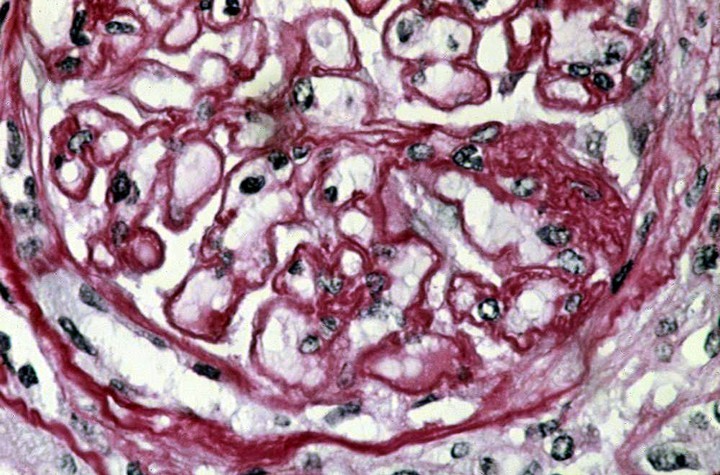
A 6-year old child presents to his physician for an annual physical. An opthalmic exam shows small accumulations in his retina. Additionally his urine shows microscopic hematuria and proteinuria. A blood sample taken shows elevated cholesterol. A kidney biopsy is taken (below). Based on his clinical picture and the electron microscope, what is his diagnosis?
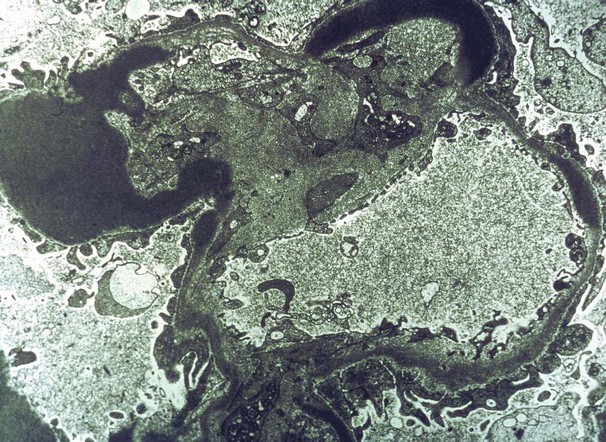
Membranoproliferative glomerulonephritis type 2:
- *FIRST AID:
- **Intramembranous Immune complex deposits= “dense deposits”
- Associated with C3 nephritic factor
dense deposit disease, seen in children. Clinical features:
- Partial lipodystrophy
- Retinal drusen
* Recurs in > 90% of kidney transplants
- *Pathogenesis**:
- Uncontrolled activation of alternative complement pathway
- Loss of control secondary to an inherited deficiency of factor H (Factor H normally inactivates the C3bBb complex)
- Without inactivation, continuous cleavage of C3 leading to the formation of abundant C3bC3bBb (the C5 convertase)
- *–> C3b dimer deposition along the GBM= “Dense deposits**
Histology:
Light microscopy (same as Type 1):
- Small urinary space, enlarged glomerulus
- Lobular proliferation of tuft (vs diffuse in post-strep)
- NO neutrophils (not actively inflammatory)
- PAS stain (glycoproteins): see basement membrane duplication/splitting
Immunofluorescence (same as type 1):
- IgG, C3 (low in serum–> ends up in glomerulus), C1q located in Basement membrane (vs subendothelium)
Electron microscopy:
- band-like dense deposits in basement membrane
A 56 yo woman with a 25 year history of type II diabetes presents to the clinic. She has required insulin for 20 yrs. Eye exam last year was notable for diabetic retinopathy
On exam, 168/102
UA with 3+ protein, Creatinine 2.6
Based on the histologic specimen below, what is her diagnosis and treatment?
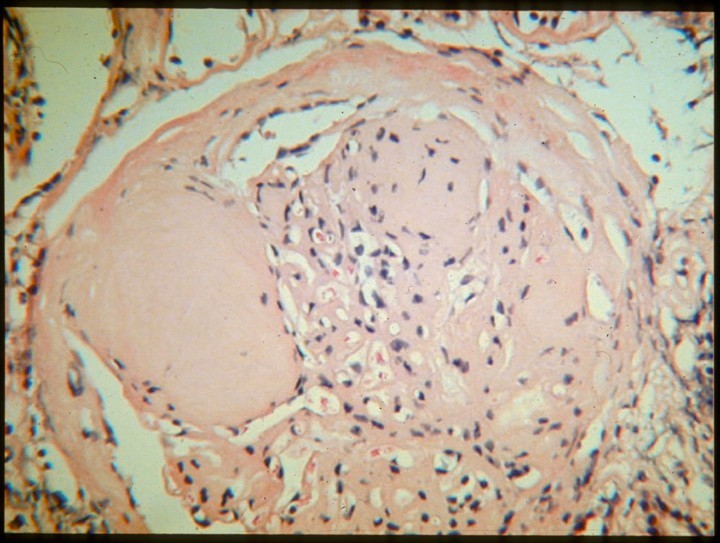
Severe Diabetic Nephropathy:
- *FIRST AID**:
- Nonenzymatic glycosylation (NEG) of GBM–> increased permeability, thickening
- Glycosylation of efferent arterioles–> thickened–> increased GFR–> mesangial expansion
- LM: mesangial expansion, GBM thickening, eosinophilic nodular glomerulosclerosis (Kimmelstiel-Wilson lesion)
Most common cause of end stage renal disease in the U.S.
Occurs in both Type I and Type II DM
Clinical course:
Early:
- Increased GFR
- Glomerular hypertrophy
- Increased kidney size
- Microalbuminuria
Late:
- GFR decreases
- Macroalbuminuria–> proteinuria
- *Treatment**:
- Blood sugar control (HbA1c~7%)
- Screen for microalbuminuria - if present treat with ACEI or ARBs
- Tight control of blood pressure (500-1000 mg/g creatinine)
Pathophys:
Hyperglycemia results in:
- Activated protein kinase C pathway
- Polyol pathway
- Oxygen radical production
- Increase in system wide glycation of proteins
Events due to hyperglycemia cause:
- General accumulation of hyperglycosylated proteins
- Glomerular hypertrophy
- Mesangial expansion
- Basement membrane thickening
- Hyperfiltration injury (related to obesity)
- *Histo**:
- *Light microscopy:
- Nodular diffuse nephropathy:
- Acellular, PAS, glycosylated proteins deposited in glomerular tuft
- Start in mesangium and spread to rest of glomerulus, compress capillaries**
Immunofluorescence:
- Pseudo-linear peripheral IgG and Albumin
- Nodular mesangial deposition of IgM and C3
- Insudative Vascular deposition of IgM and C3, especially in hilar vessels
Electron microscopy:
- Thickened GBM and TBM, >600nm
- Fused epithelial foot processes
- Mesangial expansion, nodular, by the deposition of amorphous ground substance
- Insudative electron dense deposits in mesangium and blood vessels
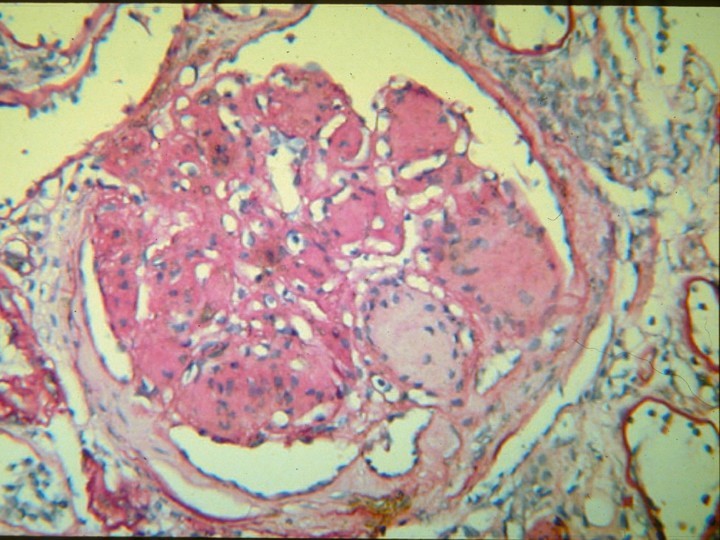
A 56 yo woman with a 25 year history of type II diabetes presents for an annual physical. She has required insulin for 20 yrs. Eye exam last year was notable for diabetic retinopathy
On exam, BP= 168/102
UA with 3+ protein, Creatinine 2.6
What is her diagnosis and treatment?
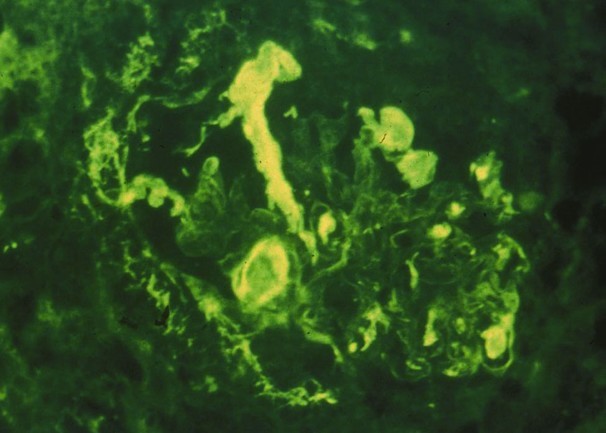
Severe Diabetic Nephropathy:
- *FIRST AID:**
- Nonenzymatic glycosylation (NEG) of GBM–> increased permeability, thickening
- Glycosylation of efferent arterioles–> thickened–> increased GFR–> mesangial expansion
- LM: mesangial expansion, GBM thickening, eosinophilic nodular glomerulosclerosis (Kimmelstiel-Wilson lesion)
Most common cause of end stage renal disease in the U.S.
Occurs in both Type I and Type II DM
Clinical course:
Early:
- Increased GFR
- Glomerular hypertrophy
- Increased kidney size
- Microalbuminuria
Late:
- GFR decreases
- Macroalbuminuria–> proteinuria
- *Treatment**:
- Blood sugar control (HbA1c~7%)
- Screen for microalbuminuria - if present treat with ACEI or ARBs
- Tight control of blood pressure (500-1000 mg/g creatinine)
Pathophys:
Hyperglycemia results in:
- Activated protein kinase C pathway
- Polyol pathway
- Oxygen radical production
- Increase in system wide glycation of proteins
Events due to hyperglycemia cause:
- General accumulation of hyperglycosylated proteins
- Glomerular hypertrophy
- Mesangial expansion
- Basement membrane thickening
- Hyperfiltration injury (related to obesity)
Histo:
Light microscopy:
- Nodular diffuse nephropathy:
- Acellular, PAS, glycosylated proteins deposited in glomerular tuft
- Start in mesangium and spread to rest of glomerulus, compress capillaries
- *Immunofluorescence:
- Pseudo-linear peripheral IgG and Albumin
- Nodular mesangial deposition of IgM and C3
- Insudative Vascular deposition of IgM and C3, especially in hilar vessels**
- *Electron microscopy:
- Thickened GBM and TBM, >600nm
- Fused epithelial foot processes
- Mesangial expansion, nodular, by the deposition of amorphous ground substance
- Insudative electron dense deposits in mesangium and blood vessels**
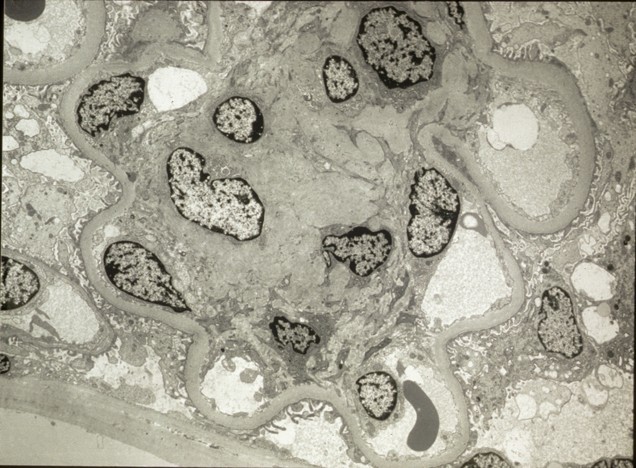
6 year old boy presents with periorbital edema. Parents report URI two weeks ago.
BP : 131/93 mm Hg
Urinalysis with +1 protein, 2+ blood
Based on clinical picture on sample below, what is his diagnosis, prognosis, and treatment?
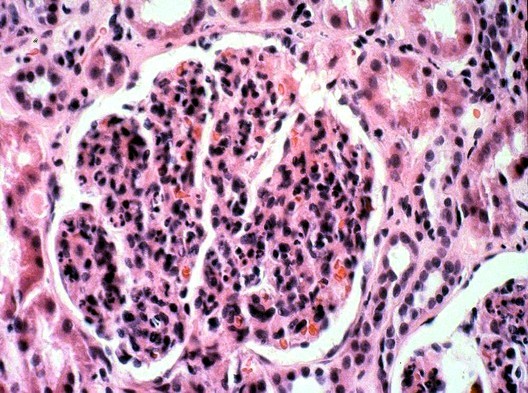
Post-streptococcal glomerulonephritis
- *FIRST AID**:
- Nephritic syndrome= inflammatory; hematuria, RBC casts in urine; azotemia, oliguria, HTN (salt retention), proteinuria (< 3.5 g/day)
- LM: glomeruli enlarged, hypercellular; neutrophils, “lumpy bumpy” appearance
- EM: subepithelial immune complex deposition
- IF: granular appearance: IgG, IgM, C3 ALL deposit on GBM and mesangium (Type III immune complex deposition)
- Presentation: Children, weeks after URI/infection. Peripheral, periorbital edema, dark urine, hypertension; Low C3 levels, resolves spontaneously
- Better outcome in children (95% recovery) vs adults with 40% chronic glomerulonephritis or RPGN
Diagnosis:
- Often a clinical diagnosis
- Latent period of 10-21 days from infection to nephritis
- Low Complement (C3) levels
- Elevated titers of antistreptolysin O, antihyaluronidase and Anti-DNAase B antibodies
Clinical course:
- Due to: Nephritogenic group A streptococcipharyngitis or impetigo
- More common in children
- Usually self-limited, renal function normalizes in 3-4 weeks
Treatment:
Treatment is supportive only
Dietary sodium restriction
Loop diuretics for edema
Path:
Immune complex mediated disease
**Follow group A beta-Hemolytic Strep infection**
- See elevated antibody titers to strep Ag’s
- Antigenic component not well characterized
- ? endostreptosin or cationic protein related to streptokinase
- Complexes lodge in glomerulus
- *Histo**:
- *Light microscopy:**
- Glomerular tuft enlarged, small urinary space
- Capillary lumens congested
- Segmented neutrophils
- Peripheral inflammatory glomerulonephritis
Immunofluorescence:
- Coarse Granular Pattern
- Capillary wall mainly but some mesangial
IgG and C3
Electron microscopy:
- Coarse Electron Dense Deposits (cross-react with streptococcal antigens)
- Subepithelial and Mesangial Location
- Epithelial and Mesangial Cell Proliferation
- Some Foot Process Fusion
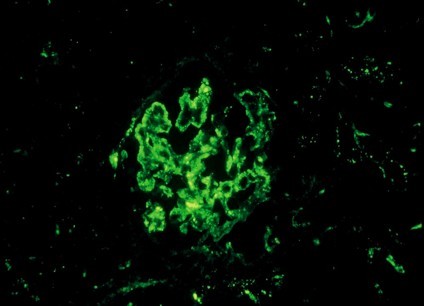
6 year old boy presents with periorbital edema. Parents report recent URI.
BP : 131/93 mm Hg
Urinalysis with +1 protein, 2+ blood
Electron microscope below- what is his diagnosis?
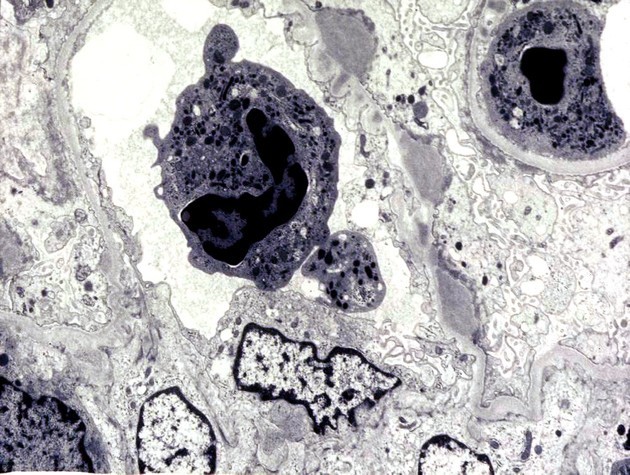
Post-streptococcal glomerulonephritis
- *FIRST AID:**
- Nephritic syndrome= inflammatory; hematuria, RBC casts in urine; azotemia, oliguria, HTN (salt retention), proteinuria (< 3.5 g/day)
- LM: glomeruli enlarged, hypercellular; neutrophils, “lumpy bumpy” appearance
- EM: subepithelial immune complex deposition
- IF: granular appearance: IgG, IgM, C3 ALL deposit on GBM and mesangium (type III immue complex deposition)
- Presentation: Children, weeks after URI/infection. Peripheral, periorbital edema, dark urine, hypertension; Low C3 levels, resolves spontaneously
Electron microscopy:
- Coarse Electron Dense Deposits (cross-react with streptococcal antigens)
- Subepithelial and Mesangial Location
- Epithelial and Mesangial Cell Proliferation
- Some Foot Process Fusion
MS is an 89 YO woman who presented to the hospital with SOB due to pulmonary edema.
On exam, pitting edema of lower extremities and palpable purpuric rash
Labs with creatinine 3.2 (up from 0.8) and positive serologies for P-ANCA
What is her diagnosis and treatment?
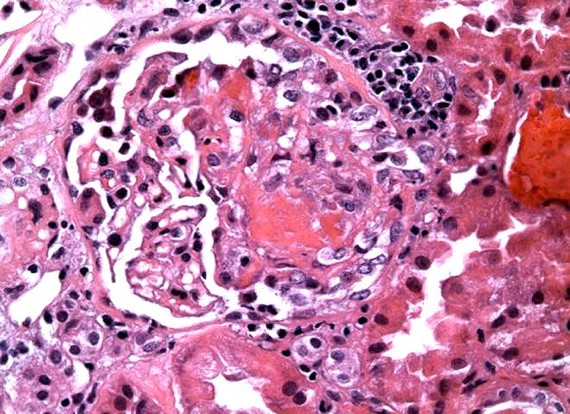
Pauci-immune rapidly progressive glomerulonephritis: Microscopic polyarteritis
FIRST AID:
- Nephritic syndrome= inflammatory; hematuria, RBC casts in urine; azotemia, oliguria, HTN (salt retention), proteinuria (< 3.5 g/day)
- LM/IF: Crescent-moon shaped fibrin, plasma proteins (C3b) with glomerular parietal cells, monocytes, macrophages
- Caused by:
1. Granulomatosis with polyangiitis (Wegener’s)
- c-ANCA
2. Microscopic polyangiitis
- p-ANCA
Poor prognosis: rapid deterioration in renal function (days to weeks)
- Sparing of the upper respiratory tract (vs Wegener’s granulomatosis)
- Pulmonary infiltrates/hemorrhage
- RPGN
- Crescentic GN with no immune deposits/negative immunostaining (Pauci immune)
- Positive P-ANCA (vs C-ANCA in Wegener’s)
Treatment: immunosuppression (Cytoxins and steroids) + plasmapheresis in severe renal dysfunction.
Histo:
_Light microscopy:
- Proliferation of crescent-shaped cells compressing glomerular capillaries–> decreased GFR
- Lose nuclei with fibrinous material (necrosis)_
Immunofluorescence:
- Negative for all reagents (Pauci-immune)
- NOT mixed connective tissue disease
- Must be vasculitis (Wegener’s, microscopic polyarteritis, etc.)
Electron microscopy:
- No electron dense deposits, fibril deposits
- No specific cellular injury
A 15 year old boy is brought to the emergency department after he begins coughing up blood. Labs reveal traces of blood in his urine as well. A renal biopsy is tagged and reveals the following. What is his diagnosis?
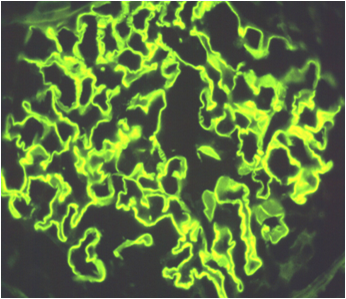
- *RPGN: Goodpasture’s syndrome**:
- *FIRST AID:**
1. Goodpasture’s syndrome: type II hypersensitivity reacion: Ab against glomerular basement membrane (a1, a3 Type IV collagen), alveolar BM–> linear interstitial fibrosis
Symptoms: hematuria/hemoptysis
- *LM/IF:** Crescent- moon shape; crescents= fibrin and plasma proteins with glomerular parietal cells, monocytes, macrophages
- Poor prognosis–> rapid deterioration in renal function
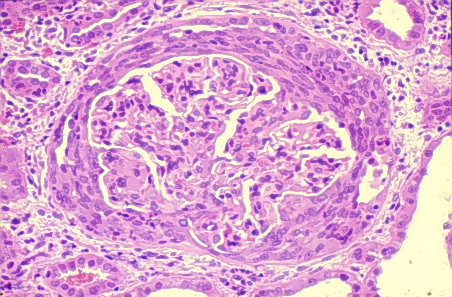
TG is a 25 YO woman with history of SLE complicated by pleural effusions and pericarditis
Referred to nephrology for microscopic hematuria, proteinuria and creatinine 1.7
Below is a histologic specimen from her kidneys. What is her diagnosis and treatment?
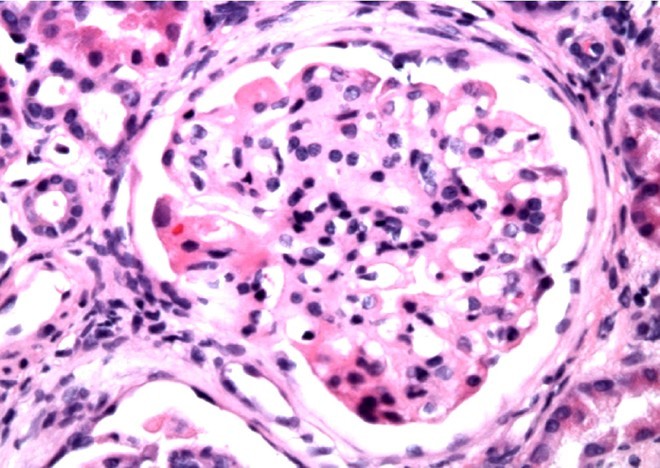
Lupus nephritis: Diffuse proliferative glomerulonephritis
FIRST AID:
- Nephritic syndrome= inflammatory; hematuria, RBC casts in urine; azotemia, oliguria, HTN (salt retention), proteinuria (< 3.5 g/day)
- Due to SLE or Membranoproliferative glomerulonephritis
- LM: “wire looping” of capillaries
- EM: subendothelial intramembranous IgG immune complexes, C3 deposition
- IF: granular
** MPGN can present as nephrotic and nephritic syndrome
- Immune Complex Mediated Glomerulonephritis
- Secondary to a Variety of Autoantigens
- Associated with Systemic Lupus Erythematosus
- *Classification:**
1. Class I and II: Mesangial electron-dense deposits
- Class III and IV –Mesangial and subendothelial deposits with endocapillary proliferation
- Class V – Subepithelial deposits- resembles idiopathic membranous glomerular nephritis
Activity index:
- Leukocyte infiltration
- Hyaline deposition
- Necrosis
- Cellular crescents
- Interstitial inflammation
Chronicity index: predictive of rapid renal decline
- Glomerular sclerosis
- Fibrous crescents (epithelial cell proliferation compressing tuft)
- Tubular atrophy
- Interstitial fibrosis
Treatment:
Many factors play a role when deciding treatment:
- Pathology (activity and chronicity indexes)
- Symptoms (asymptomatic or full blown nephrotic syndrome)
- Risk factors for worse prognosis (AA race, males, low socioeconomic status, higher creatinine at presentation, high grade proteinuria)
- Compliance
Meds:
- ACEI/ARB Rx
- Immunosuppressive Rx for Classes III-V
- III and IV: Steroids + Cyclophosphamide or MMF
- IV and V: FK+MMF+steroids
- V alone (similar to membranous): Steroids+CYA or CsA - No immunosuppression for Stage VI
- Rarely recurs after kidney transplant
Histo:
Lupus nephritis ressembles many diseases–> plastic disease (nothing specific!)
- *_Light microscopy:
- Mesangial cell proliferation_**
_**Immunofluorescence:
- See deposition of all immunoglobulins, complement proteins**_
- Peripheral and mesangial deposition, granular
- IgM, IgG, IgA, C3, C1q
Electron microscopy:
- Presence of Ig detected
35 yr old Asian woman who presents with nocturia and foamy urine. 3 days ago she had a bad cold.
BP: 130/94 mm Hg
Creatinine 0.9, Urinalysis with many RBCs, and few WBCs.
24-hour urine with 1.3 g of protein
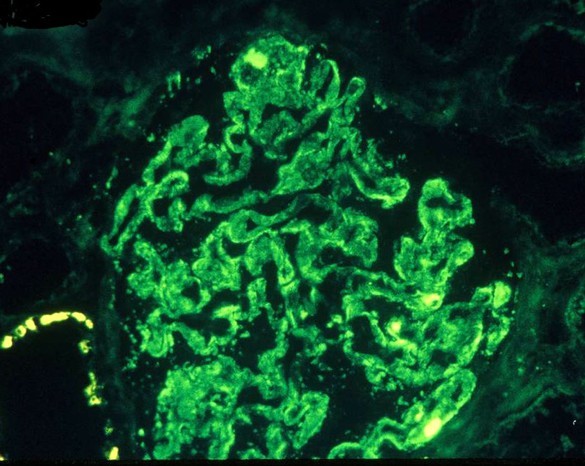
Based on the labs and histology below, what is her diagnosis, prognosis, and treatment?
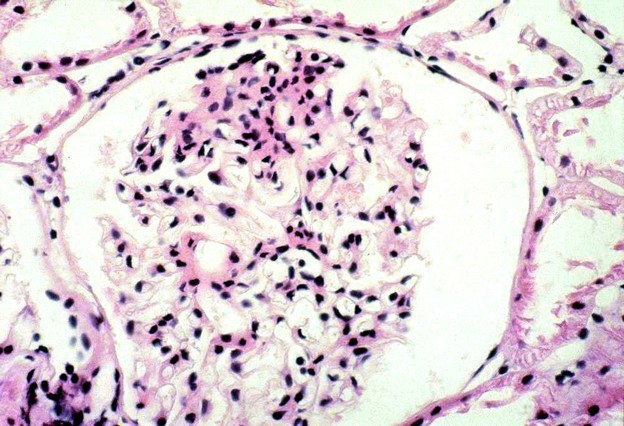
- *IgA nephropathy**= Berger’s disease
- *Begins with infection–> excess IgA–> kidney can’t clear IgA from blood–> deposition**
- *FIRST AID**:
- Related to Henoch-scholein purpura
- LM: mesangial proliferation
- EM: mesangial IC deposits
- IF: IgA-based immune complex deposits in mesangium
- Presentation: presents/flares with URI/acute gastroenteritis a few days after infection
- *Path**: Immune complex glomerulonephritis involving intense deposition of dimeric and polymeric forms of IgA1 within the mesangium of the glomerulus
- There is a defect in IgA metabolism
- The O-glycosylation pattern of serum IgA1 is abnormal
- The precise mechanism responsible for this aberrant glycosylation is not established.
- Genetic deficiency in the enzymatic machinery mediating O-glycosylation of IgA1 (galactosyltransferase)
Clinical:
Most common cause of GN worldwide**
- Young age (15-30 years of age)
- Asian**
Variable clinical presentation:
- 40%-”Synpharyngitic” gross hematuria (pharyngitis with hematuria)
- 40%-Microscopic hematuria with mild proteinuria (asymptomatic
- 10%-Nephrotic proteinuria
- 10%-RPGN (rapid progressive glomerulonephritis)
Prognosis:
- Good prognosis if minimal proteinuria (
- Worse outcome if elevated Cr, HTN or moderate/nephrotic proteinuria
- *Treatment**:
- Observation if mild disease
- If proteinuria >500mg/day – ACEI/ARBs + fish oil
- Nephrotic or RPGN – Steroids +/- cyclophosphamide
- Severe disease may require maintenance rx with azathioprine or mycophenolate
Histo:
Light microscopy:
Capillary lumens open
Proteinuria generally swells epithelium (not a lot of swelling here)
Too many cells in section of mesangium= mesangial hypercellularity and increase in matrix
= mesangial proliferation
RBCs in mesangial space
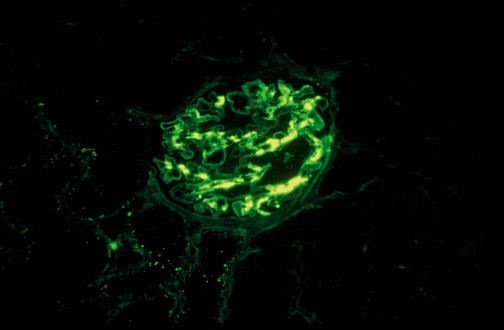
Immunofluorescence:
IgA deposition
Electron microscopy:
- Mesangial Expansion and increased mesangial cellularity
- Finely granular electron dense deposits are present along mesangial reflections
A 65 year old woman who has been hopitalized for an infection presents with generalized edema 4 days after starting penicillin to treat her infection. Eosinophilia is noted in her CBC. Based on the biopsy specimen below, what is her diagnosis?
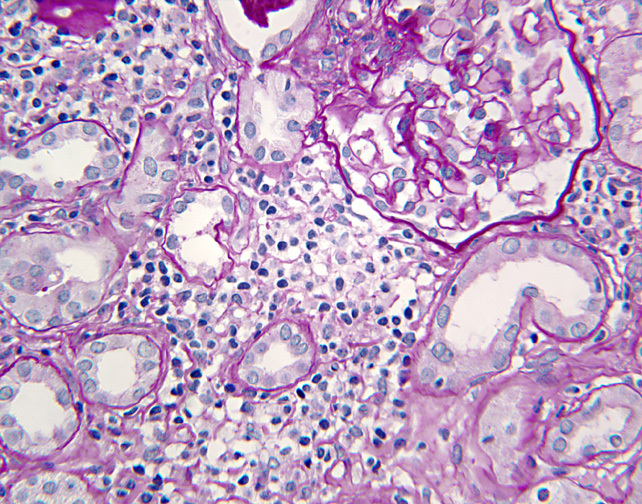
Acute interstitial nephritis: Caused by medications
- Patchy interstitial inflammation
Can become Chronic, especially with long-term analgesic (acetaminophen, NSAID use)
- Patchy interstitial inflammation–> fibrosis, necrosis, scarring of papillae, distorted calices, tubular atrophy
A 6 year old boy presents to the family physician with worsening hearing and vision problems. On physical exam the physician notes swelling in the boy’s feet and ankles. A urine sample reveals hematuria. What is his diagnosis?
Alport syndrome
- Mutation in type IV collagen–> split basement membrane (X-linked)
Conventional (clear cell) Renal cell carcinoma
FIRST AID:
- Origin= PCT cells–> polygonal clear cells filled with accumulated lipids, carbs
Presentation:
- Male, 50-70 years
- Smoker, obese
- Hematuria, palpable mass
- Secondary polycythemia, flank pain, fever, weight loss
- Invades renal vein–> IVC–> hematogenous spread–> mets to bone, lung
* MOST common renal malignancy
• Hereditary cases, like Von Hippel- Lindau (VHL) chromosome 3 (3p) VHL tumor suppressor gene
- Cause paraneoplasic syndrome: ectopic EPO–> polycythemia, ACTH–> cortisol, PTHrP–> hypercalcemia, bone loss
- Silent in retroperitoneum (presents at metastatic stage)
Treatment: resection (if localized), resistant to chemo, radiation
Presentation: – Hematuria
– Few with the classic triad of hematuria, flank pain, and a palpable mass
– Metastasis
– Paraneoplastic syndrome: Hypercalcemia, hypertension, polycythemia (produces EPO)
– Incidental finding (CT or MRI) Risk factor is tobacco smoking
- 6th to 7th decade • 2:1 male predominance • Majority of cases are sporadic
- Hereditary cases, like Von Hippel- Lindau (VHL) chromosome 3 (3p) VHL tumor suppressor gene
Grossly: Clear cell RCC: well circumscribed, golden yellow, cystic solid, hemorrhagic, necrosis.
Wilm’s tumor= Nephroblastoma
- *FIRST AID:
- ** Most common renal malignancy of early childhood
- Contains Embryonic glomerular structures
- Presentation: huge palpable flank mass, hematuria
- *Deletion of tumor-suppressor WT1 on chrom 11**:
- Widemann syndrome: WAGR complex= Wilm’s tumor, Aniridia, GU malformation, mental Retardation
Embryonal tumor from nephrogenic nests
Abdominal mass does not cross midline
Chromosome 11 (11p); WT1 and WT2 genes overexpressed
- 85% of pediatric renal tumors
Associated with dysmorphic tumor syndromes in 10% of the cases:
– Wilms-Aniridia-genital anomaly-retardation syndrome
– Beckwith-Wiedemann syndrome (abdominal wall defect, macroglossia,macrosomia)
– Hemihypertrophy
– Denys-Drash syndrome (pseudohermaphroditism glomerulopathy)
– Familial nephroblastoma
Gross: Large round demarcated tumor with tan-grey, fleshy, hemorrhagic surface
Histo: Mixture of immature renal elements
Hematoxylin-Eosin (H&E stain): Blastema, Stroma and Epithelia.
- Blastema= small blue cells in solid nests.
- Hypocellular stroma with myxoid spindle cells.
- Epithelia arranged in tubules
Transitional cell carincoma:
High Grade Papillary Urothelial Carcinoma (HGPUC)
- *FIRST AID:**
- Most common tumor of urinary tract system: can occur in calyces, pelvis, ureters, bladder
- Painless hematuria with no casts
- Associated with: Phenacetin, smoking, aniline dyes, cyclophosphamide
- Prognosis based on invasiveness (through muscular layer?)
The most dysplastic
• Frequent mitosis
• Disorganized architecture Nuclear atypia similar to Urothelial Carcinoma In Situ
- Most common high grade tumor of urothelium
Clinical features:
- Hematuria
- 15% of the cases have regional or distant metastases at presentation
- 4th most common cancer
- 3:1 M:F
- Rare <40
- Median age 65 - medical comorbidities
- Often multifocal
- Can involve the urothelium from the renal pelvis to the urethra
Cytogenic abnormalities:
- Deletion of chromosome 9 (9p- or 9q-), 11p, 13p, 14q, or 17p
Risk factors:
- Cigarettes
- Arsenic exposure
Treatment:
TURBT: transurethral resection of bladder tumor;
- Low risk: observe
- Intermediate: chemo, BCG/maintenance
- High risk: BCG/maintenance
* Recurrence–> radical cystectomy
Chemo: Cisplatin
Surgery:
- urinary diversion: ileum connected to ureters
- Neobladder/continent diversion: patients may have to self-catheterize
A 32 year old female presents to emergency room with fevers, shaking chills, and flank pain and tenderness. Based on the histology below, what is her diagnosis and treatment? What scenarios would require hospitalization?
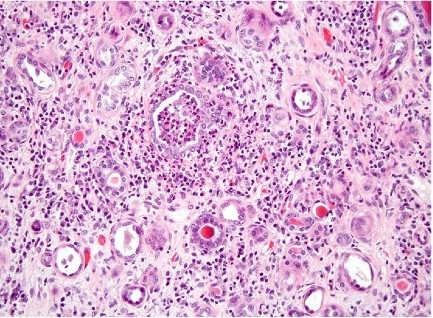
Acute pyelonephritis
- *FIRST AID:**
- Affects cortex with sparing of glomeruli/vessels
- Presentation: fever, CVA (costo-vertebral angle) tenderness, N/V
- Histo: white cell casts in urine
- *FIRST AID: renal papillary necrosis**
- Presentation: gross hematuria, proteinuria; recent infection/immune stimulus
- Associated with: DM, acute pyelonephritis, chronic phenacetin use (acetaminophen), sickle cell anemia/trait
Path:
- Acute inflammation of tubules
- Secondary tubular damage
- Spill-over into interstitium
- Neutrophilic casts in tubular lumens
- Casts may be seen in urine
Symptoms:
- Cystitis- dysuria,frequency,urgency, suprapubic pain, and/or hematuria.
- Pyelonephritis consist of the above symptoms (symptoms of cystitis may or may not be present) plus fever (>38oC), chills, flank pain, costovertebral angle tenderness, and nausea/vomiting
Management:
* Untreated cases can lead to chronic pyelonephritis
1. Complicated Cystitis:
- oral fluoroquinolone such as ciprofloxacin (500 mg orally twice daily or 1000 mg extended release once daily)
- levofloxacin (750 mg orally once daily) for 7 to 14 days.
- Avoid moxifloxacin..
2. Complicated Pyelonephritis — should be managed initially as inpatients. Use broad spectrum antibiotics while awaiting susceptible testing
3. Underlying urinary tract anatomic or functional abnormalities (such as obstruction or neurogenic bladder) should be addressed in consultation with an urologist.
Complications requiring hospitalization:
Diabetes
- Pregnancy
- History of acute pyelonephritis in the past year
- Symptoms for seven or more days before seeking care
- Broad-spectrum antimicrobial resistant uropathogen
- Renal failure
- Urinary tract obstruction
- Presence of an indwelling urethral catheter, stent, nephrostomy tube or urinary diversion
- Recent urinary tract instrumentation, Renal transplantation, Immunosuppression
A 47 year old woman with a history of recurrent UTIs expires in her home. An autopsy is performed that reveals the following in her kidney. What has occurred and what is her diagnosis?
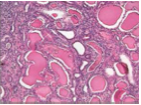
Chronic pyelonephritis
Interstitial fibrosis and atrophy of tubules due to multiple bouts of acute pyelonephritis
Due to vesicoureteral reflux (children) or obstruction (e.g., BPH or cervical carcinoma)
Leads to cortical scarring with blunted calyces; scarring at upper and lower poles is characteristic of vesicoureteral reflux.
Atrophic tubules containing eosinophilic proteinaceous material resemble thyroid follicles (‘thyroidization’ of the kidney); waxy casts may be seen in urine.
Histology: thyroidization, eosinophilic infiltration



-
Microbiology186
-
Microbiology pharm63
-
Endocrine69
-
Genetics, Biochem138
-
Anatomy5
-
Hematology/oncology109
-
Cardiac103
-
Behavioral science42
-
Immunology81
-
Renal60
-
Renal patho29
-
Pulmonology43
-
Pulm Path20
-
Embryology34
-
Repro39
-
Repro path38
-
Pharmacology basics59
-
Random cards41
-
Neuro133
-
Neuro path30
-
GI path112
-
GI74
-
Endo Pathology52
-
Musculoskeletal Path111
-
Derm/Musculoskeletal63
-
Psych50



