Amniotic Fluid Embolism - Features
Sudden profound and unexpected maternal collapse associated with:
- Hypotension
- Hypoxemia
- DIC
Amniotic Fluid Embolism - Pathophysiology - Entry and Phase 1
Can enter through placental implantation but most commonly through the endoservix
PHASE 1 - An anaphylactoid biochemical mediator response causing peripartum hypoxia, hemodynamic collapse and coagulopathy. Lasts about 30 minutes
Amniotic Fluid Embolism - Phase 2
PHASE 2 - occurs in patients that survive phase 1 – L ventricular failure, DIC and pulmonary edema
Amniotic Fluid Embolism - Causes of Cardiac dysfunction
- Cardiac dysfunction is due to ischemia and the presence of endothelin (potent vasoconstrictor), histamine, PGs, Serotonins, Thromboxanes and leukotreins from the fluid
- Vasospasm and shunting causes ARDS
- Fluidalso contains coagulation factors and sloughed fetal skin which cause DIC without significant blood loss
Amniotic Fluid Embolism - Presentation
Breathlessness, cyanosis, hypotension, dysrhythmia, DIC, seizures, profound fetal distress
Amniotic Fluid Embolism - Mx
- O2 –CPAP or PEEP
- Fluidsand vasopressors
- Coagulants
- Fastdeliver of baby
Shoulder Dystocia - Principle
Disproportion between bisarcomial diameter of the fetus and anteroposterior diameter of pelvic inlet - confirmed if no delivery 60 seconds after head presents with normal downward traction
Around 1% of all vaginal births
C-section usually planned if >5kg or in instance of gestational diabetes
Shoulder Dystocia - Risk Factors (Weak)
- Previous shoulder dystocia
- Advanced maternal age
- Malebaby
- Macrosomia
- Maternal diabetes
- Maternal obesity
- Prolonged 1st and 2nd stages of labor
Turtle’s Sign
Positive sign for shoulder dystocia - chin retracts into perineum
Aim of Emergency Manouvers in Shoulder Dystocia
- Increase functional size of bony pelvis
- Decrease bisacromial diameter of the fetus
- Change relationship of bony pelvis with bisacromial size of fetus by rotation
McRoberts manouvre goal
- Increases width of birth canal by reducing lumbosacral lordosis
- Avoid fundal pressure
Chord management in shoulder dystocia
- Avoid cutting chord early if possible – increases risk cerebral palsy and asphyxia -
- Delay chord clamping if it has had sustained traction on it – increased transfer of blood to placenta may have occurred
- If chord must be immediately divided – try milking chord quickly
Documentation in shoulder dystocia
- Time of head birth
- Maneuvers performed and timing
- Direction baby is facing and which shoulder is impacted
- Time of delivery
- Staff in attendance
- Condition of baby
Complications for mother in shoulder dystocia
- 3rd/4th dergree tears
- PPH
- Uterinerupture
- Futureissues
- Physcological obstetric effects
Complications for baby in shoulder dystocia
- Brachial plexus injury
- Fractured hummers/clavicle
- Hypoxia (pH drops .04 per minute)
- Death
Umbilical cord prolapse
· Chord below or beside presenting part
· Life threatening:
- Chord compressed – vessels within cord spasm
- O2 can be prevented from reaching the fetus
- Mx is complicated due to ongoing contractions - more compressive force
Cord prolapse management
- Immediate transport
- May only survive 10 min – no O2
- 15L/minO2
- Positioning ‘knee-to-chest’ of mother to reduce cord pressure
- If cord not pulsating or fetal distress present – push presenting part off chord
- Cover cord with sterile moist towel/dressing – avoid handling
Nuchal cord
- Up to 25% birth
- Can be looped up to 4 times
- If cord is needed to be cut – time criticaldelivery
Breech birth types
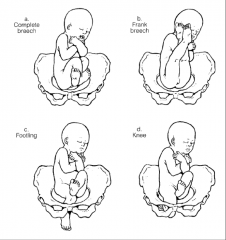
Breech birth risk factors
Most significant factors are preterm labour and gravida however also:
- Previous breech
- Low-lying placenta/praevia
- Pelvic masses
- Bicornuate uterus
- Polyhdraminios
- Oligohydraminios
- Fetal abnormalities
- Twins or higher multiples
- Grand multiparty
Breech management
- Loveset’s
- Marceau-Smellie-Viet
- Burns–Marshall method
- Not recommended
Hematomas during delivery
Vulvul - usually varicose veins
Vaginal - potential space for 2 liters of blood
Broad Ligament - level of shock is out of proportion with the amount of blood seen
Uterine rupture
A tear in uterus usually associated with:
- Previous caesarian section
- Other uterine surgery
- Grand multiparity
Managment of uterine rupture
- O2
- Appropriate positioning
- Fluid
- Pain relief
- Notification receiving hospitaland urgent transport



-
Topic 1 - Cardiac Arrest34
-
Topic 2 - ALOC16
-
Topic 3 - Dyspnoea37
-
Topic 4 - Shock6
-
Topic 5 - Chest pain28
-
Topic 6 - Trauma33
-
Topic 7 - Endocrine22
-
Topic 9 - Environmental/Sepsis/Infection26
-
Topic 8 - Obstetrics61
-
Topic 10 - Posoning/Overdose40
-
Topic 11 - Pediatrics/Geriatrics36
-
Topic 12 - Mental Health6



