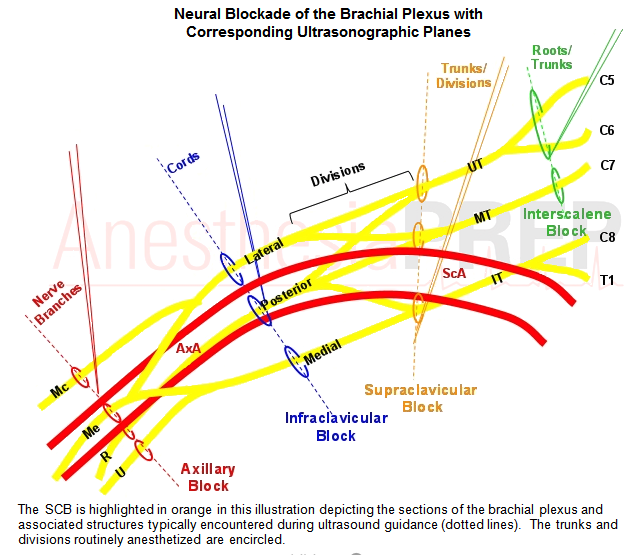
Identify this block
- Performed at what level?
- What are the landmarks
- Indications
- Key Complications
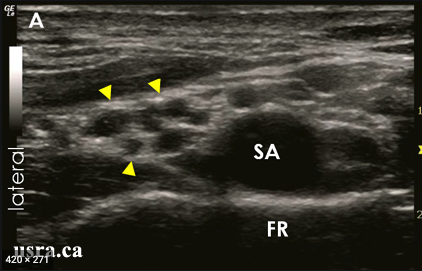
Supraclavicular Block
- Trunks
- First Rib Inferior, Middle Scalene Muscle (Lateral), Anterior Scalene Muscle (Medial), Subclavian artery
- Any surgery below mid-humerous level
- Pneumothorax (most serious, most common), Subclavian artery puncture, spread to stellate ganglion, phrenic nerve blockade, recurrent laryngeal nerve blockade.
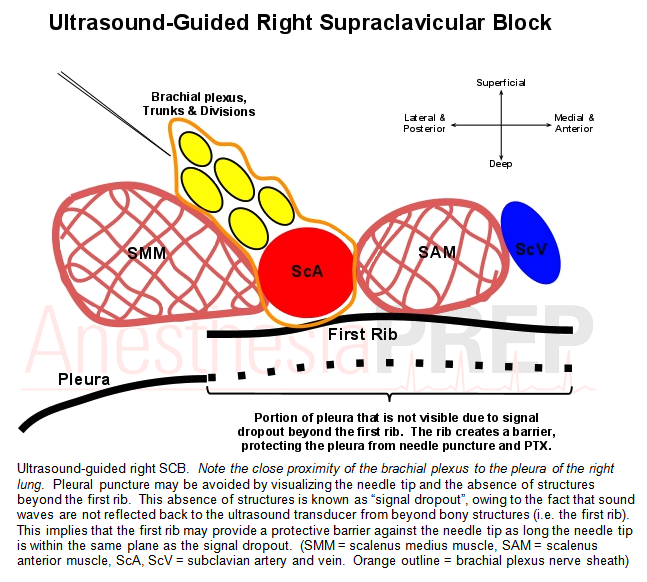
Identify this Block
- At what level Is block performed
- Landmarks
- Key Complications
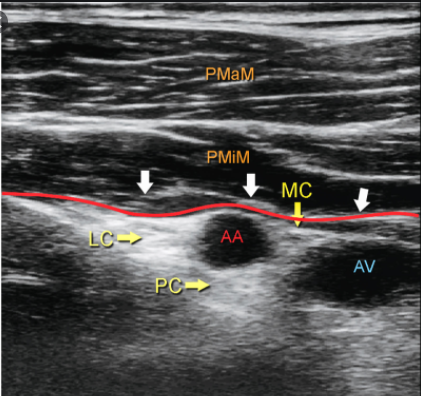
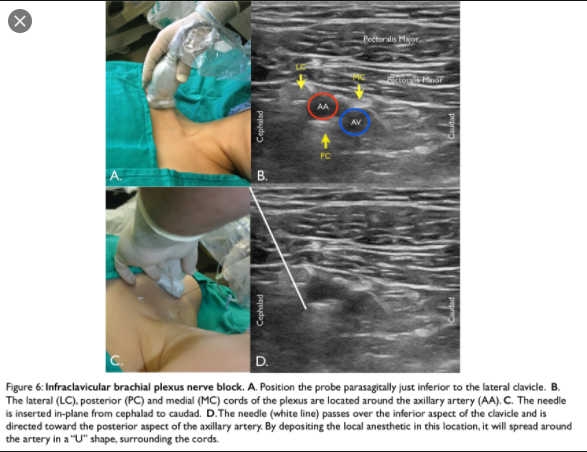
Infraclavicular Block
- Cords
- Pectoralis major, Pectoralis minor, Axillary Artery, Axillary Vein
- Axillary Artery Puncture and Pectoral discomfort d/t transgressing pectoral fascia
At what part of the brachial plexus are each of these blocks perfromed
- Interscalene Block
- Supraclavicular Block
- Infraclavicular Block
- Axillary Block
- Roots
- Trunks
- Cords
- Nerve Branches
What is the pathology of this CVP waveform?
How would you take someone through anesthesia?
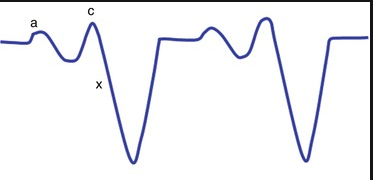
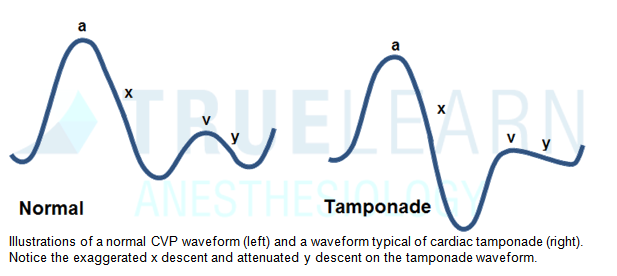
Cardiac tamponade
Notice the Exaggerated X decent and Attenuated Y
- Low-dose ketamine bolus with maintenance of spontaneous ventilation and then infiltration of pre-existing sternotomy wound followed by surgical drainage.
- Cardiac depression, vasodilation, and slowing of the heart rate should be avoided. Acute loss of preload, contractility, and heart rate can cause catastrophic circulatory collapse in the setting of cardiac tamponade. Epinephrine, therefore, is a useful medication in the management of cardiac tamponade and an infusion should be considered prior to induction of anesthesia
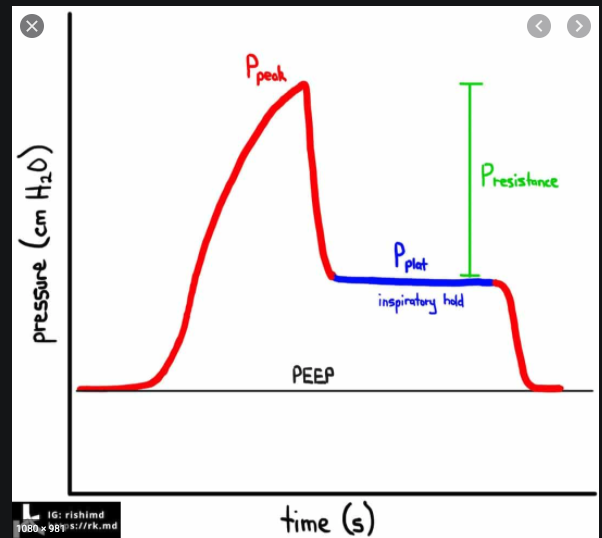
What is the difference between high peak inspiratory pressures in setting of normal plateau pressures vs increased plateau pressures.
Describe some common causes of each.
- High PiP w/ Normal plateau
- d/t AIRWAY RESISTANCE
- ie airway compression, Bronchospasm, mucus plug, foreign body, mucus plug, kinked ETT.
- High PiP w/ High Plateaue
- d/t PULMONARY COMPLIANCE
- ie: Abdominal insufflation, Ascites, Intrinsic lung disease, OBESITY, Pulm edema, Trendelenberg, Tension Ptx.
Ballon analogy: Takes more force to initially inflate balloon, less to maintain plateau.
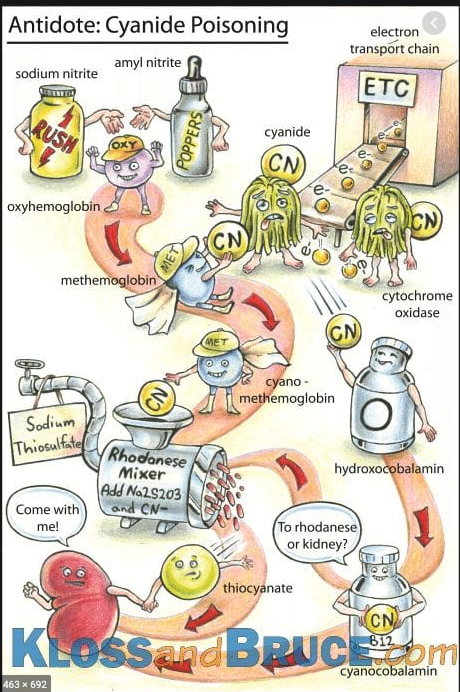
Mechanism of Cyanide Toxicity
- Cyanide primarily causes toxicity by impairing cellular aerobic respiration.The cyanide ion (CN-) binds to the ferric ion (Fe3+) in mitochondrial cytochrome-c oxidase, inhibiting the final stage of the electron transport chain. Depletion of cellular ATP and the lactic acid produced by anaerobic metabolism can lead to profound acidosis.
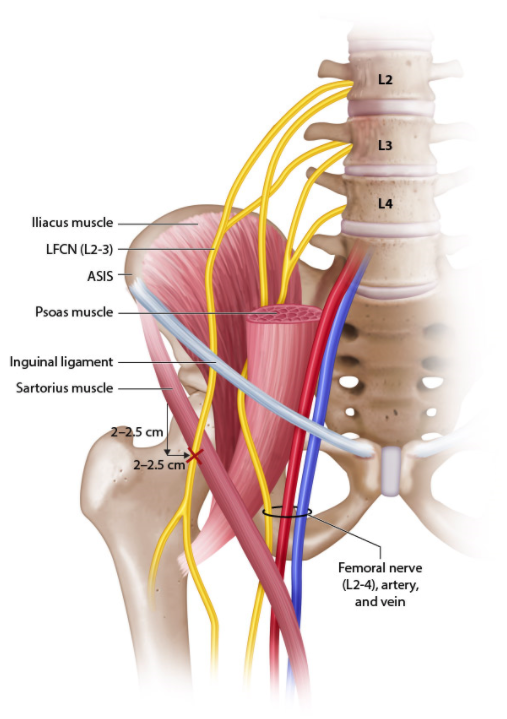
What is the starting landmark for proper placement of lateral femoral cutaneous nerve block?
Anterior Superior Iliac Spine
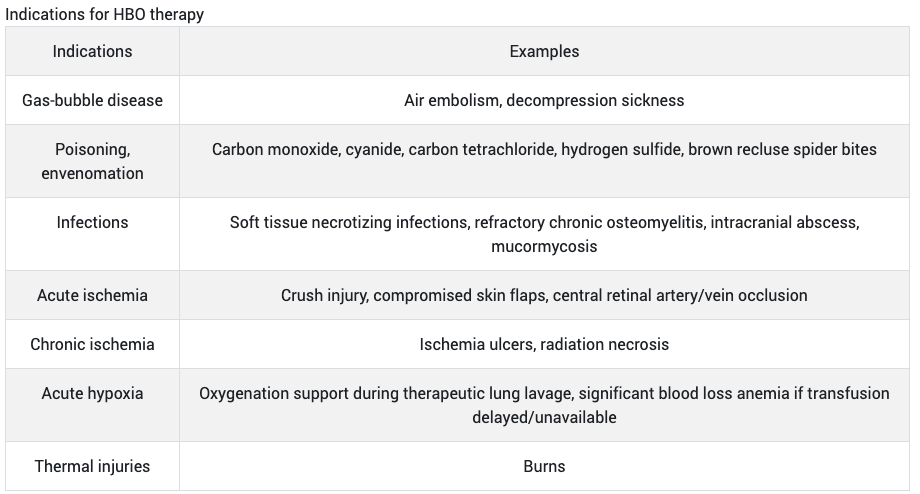
5 indications for Hyperbaric Oxygen
- Burns
- Air Embolism
- Brown Recluse Spider bite
- necrotizing infection
- acute hypoxia
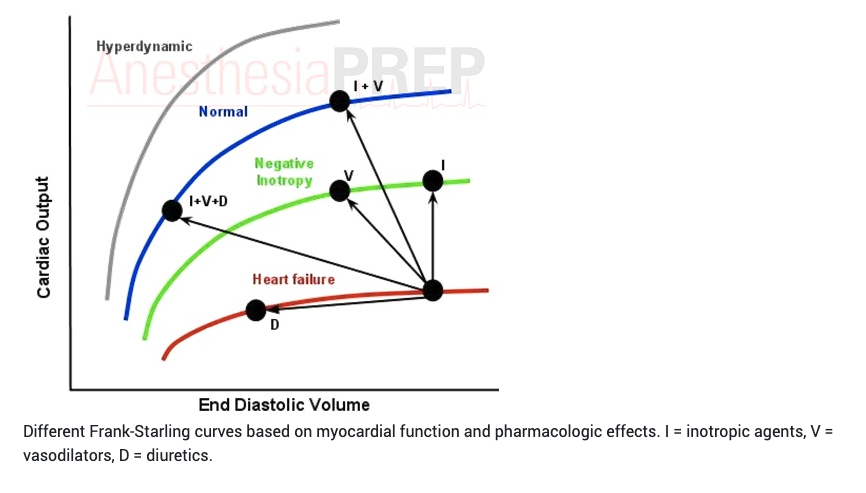
Identify the process that correlates to the following letters
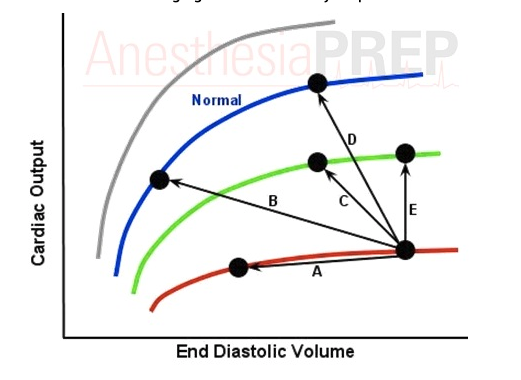
A. Diuretics, reduce EDV thus reduce cardiac filling pressures
B. Ionotropy + Vasodilation + Diuresis
C. Vasodilators; hydralazine and nicardipine, result in improved ventricular function while reducing cardiac filling pressures.
D. Ionotropy + Vasodilation; Milrinone
E. Pure ionotrope improves contractility; norepi, epi
Ionotrope: Increases force of contraction of cardiac muscle (Epinephrine, Dobutamine, Milrionone)
Chronotrope: Increases Heart Rate; Atropine, Isopryl, Dobutamine, Epi
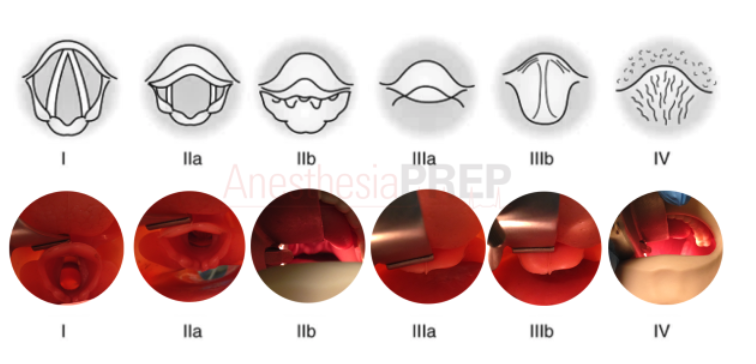
Describe the following Cormack and Lehane Views
- Grade I
- Grade II
- Grade IIa
- Grade IIb
- Grade III
- Grade IIIa
- Grade IIIb
- Grade IV
Grade I: visualization of the entire laryngeal aperture.
Grade II: posterior third of glottis visible.
Grade IIa: arytenoids and posterior cords visible.
Grade IIb: only epiglottic edge and arytenoids visible.
Grade III: no cords visible, only epiglottis visible.
Grade IIIa: only epiglottic edge visible (epiglottis raised).
Grade IIIb: downfolded or floppy epiglottis is visible.
Grade IV: no view of any airway structure (including epiglottis).
When is autonomic hyperreflexia observed?
What spinal level can it occur?
Describe the Pathophysiology
2 weeks to 6 months after spinal transection ABOVE T12.
Spinal cord reflexes from the above stimuli trigger sympathetic activity (preganglionic sympathetic nerves) along the splanchnic outflow tract, but because of the SCI, inhibitory impulses from higher CNS centers (e.g. cerebral cortex, cerebellum, and brain stem) cannot reach below the level of SCI. Accordingly, intense generalized vasoconstriction occurs below the level of SCI while reflex cutaneous vasodilation occurs above the level of SCI (usually in proportion to the magnitude of the inciting stimulation).
Signs and symptoms of AH reflect the imbalance above. The intense sympathetic response below the level of injury can cause acute hypertension (at least 20-40 mm Hg above baseline), reflex bradycardia, cardiac arrhythmias (e.g., premature ventricular contractions or atrial-ventricular conduction abnormalities), and myocardial infarction. The hypertension can further lead to headaches, blurred vision, retinal hemorrhage, intracranial hemorrhage, stroke, seizure, and/or cerebral edema. Additionally, the intense vasoconstriction leads to cool, dry, pale skin below the level of SCI. The reflex cutaneous vasodilation above the level of the SCI leads to nasal congestion; sweating; and warm, flushed skin on the upper extremities, shoulders, neck, and face.
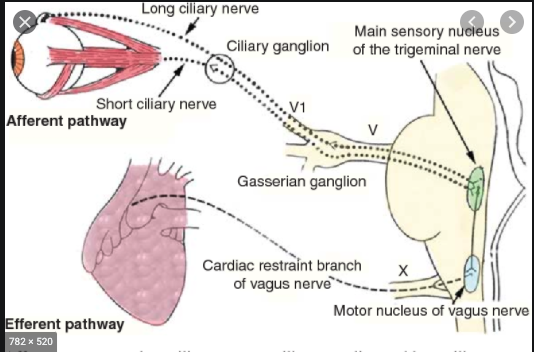
Describe Afferent and Efferent pathway of Oculocardiac Reflex
Afferent: Increase eye pressure ►Ciliary nerves ►Gasserian Ganglion ►Trigeminal Nucleus
Efferent: Vagus
What is the Mechanism of Action of Magnesium?
- Magnesium Antagonizes Voltage Gated Calcium Channels causing vasodilation and reduced systemic vascular resistance.
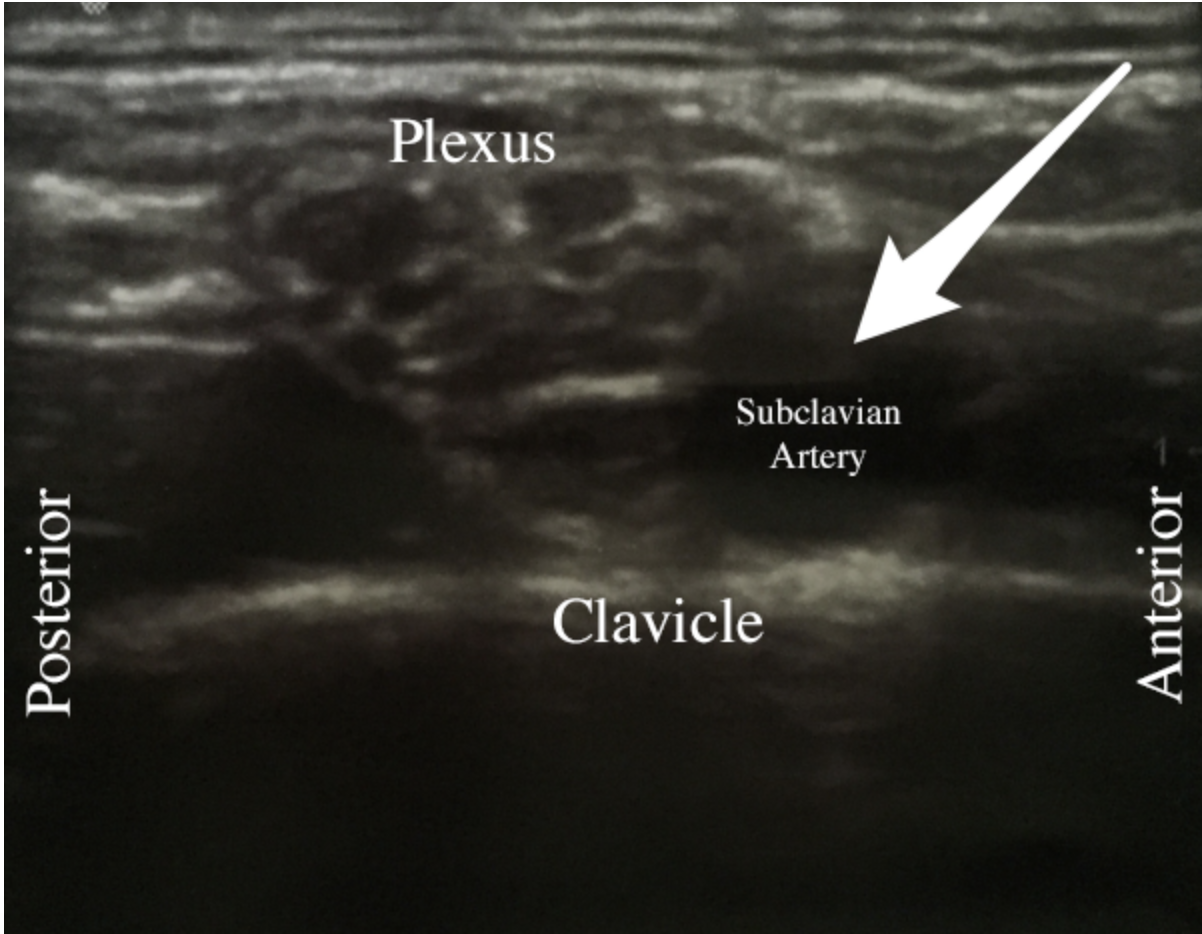
Identify the Block and Structure at the Arrow.
What are the Landmarks?
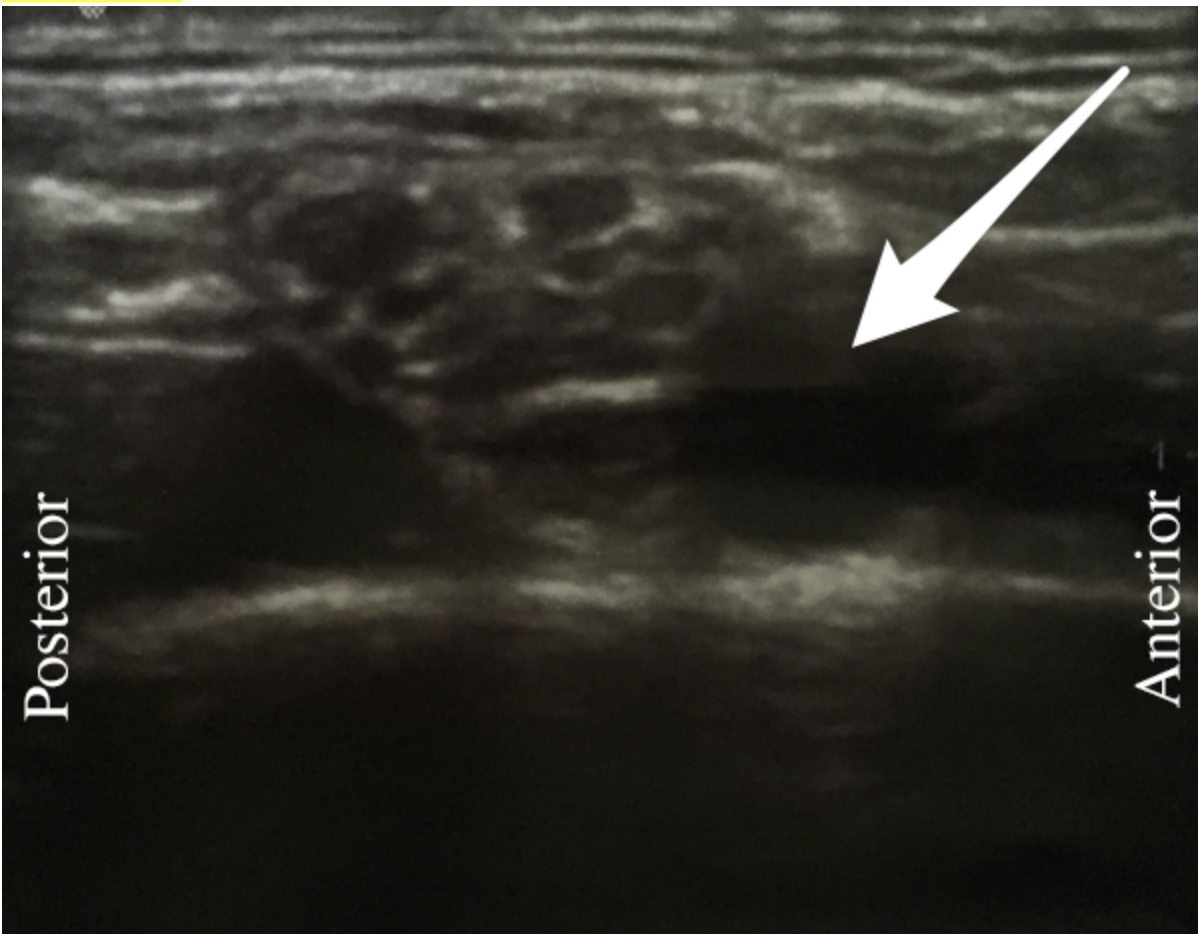
Supraclavicular Block; Subclavian Artery
Between anterior and middle scalene muscles
Seen as “Bundle of Grapes”
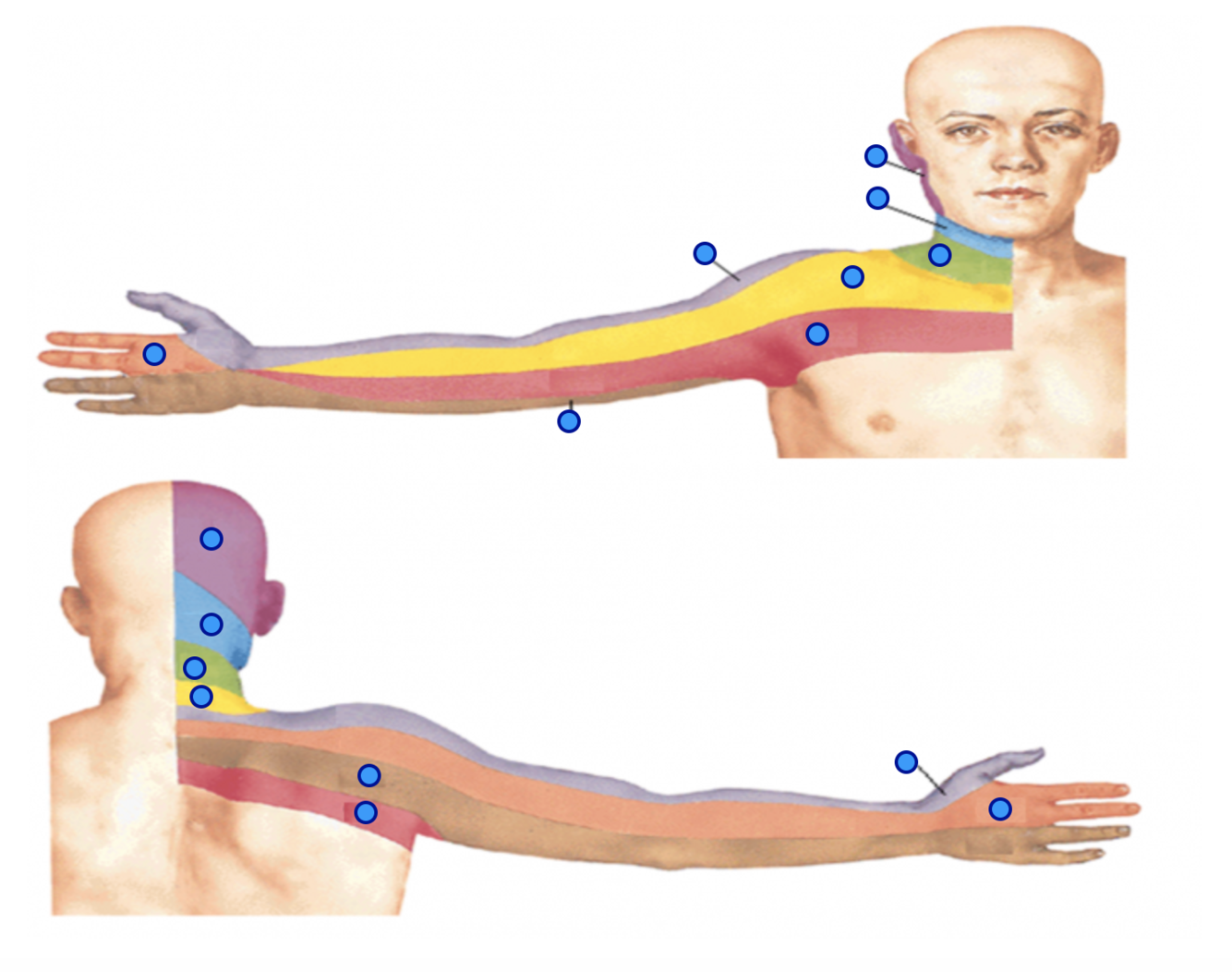
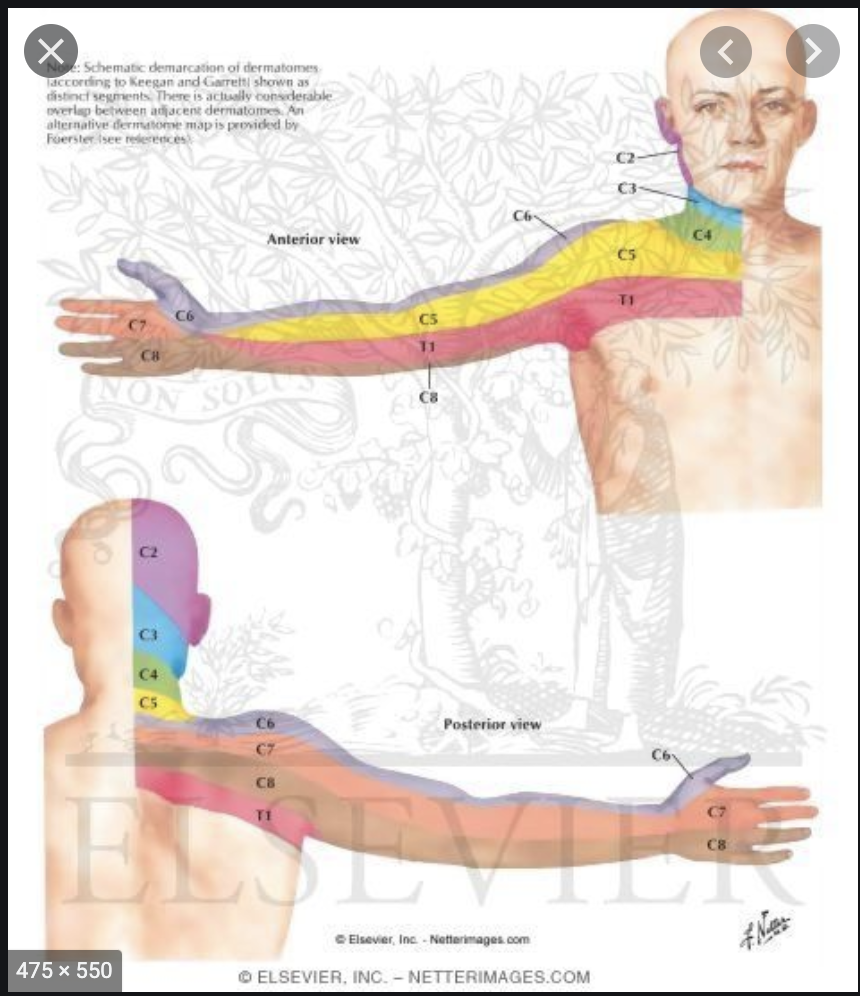
Identify these Dermatomes
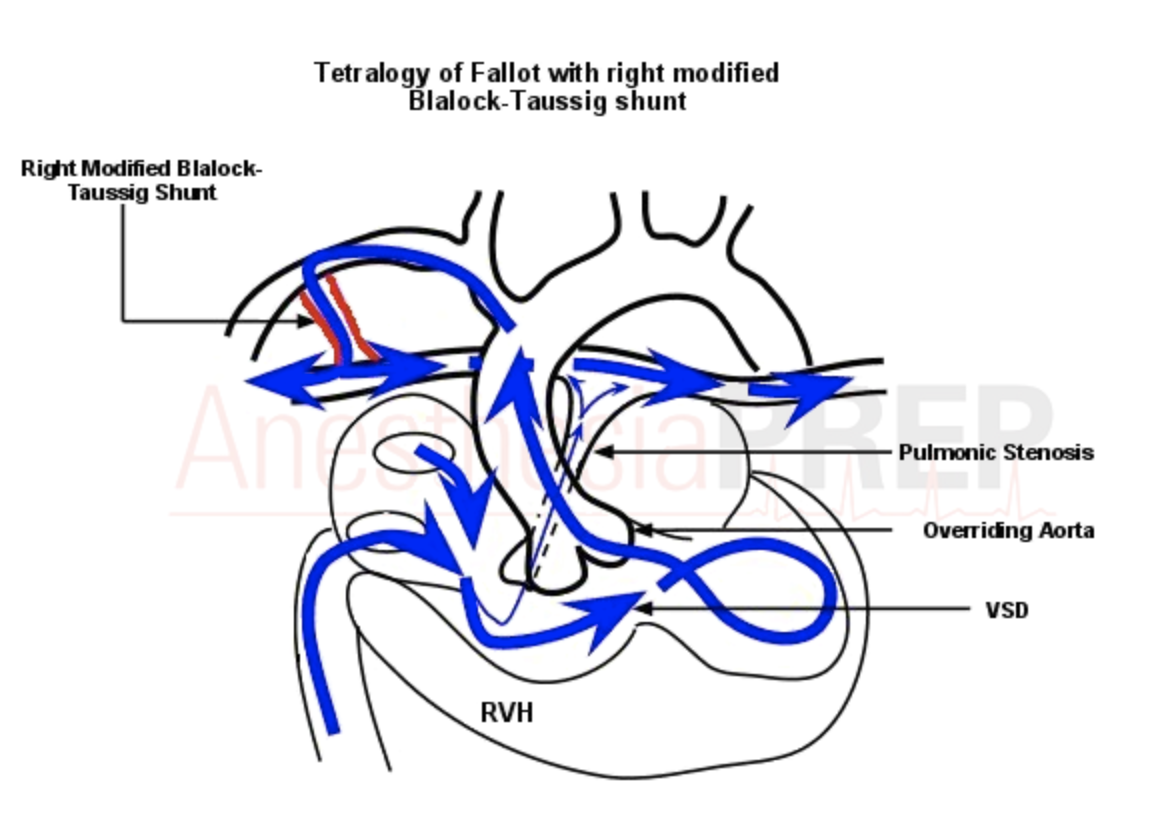
What is a Blalock-Taussig Shunt?
- Used in the surgical treatment of Tetralogy of Fallot
- A graft from the left or right subclavian artery to the ipsilateral pulmonary artery, depending on the medical condition of the neonate.
- Will improve blood flow (blue arrows) through the pulmonary circulation and also improve oxygenation - BYPASSESS PULMONARY STENOSIS
Biggest Risk Factor for Pneumonitis in the Setting of Aspiration
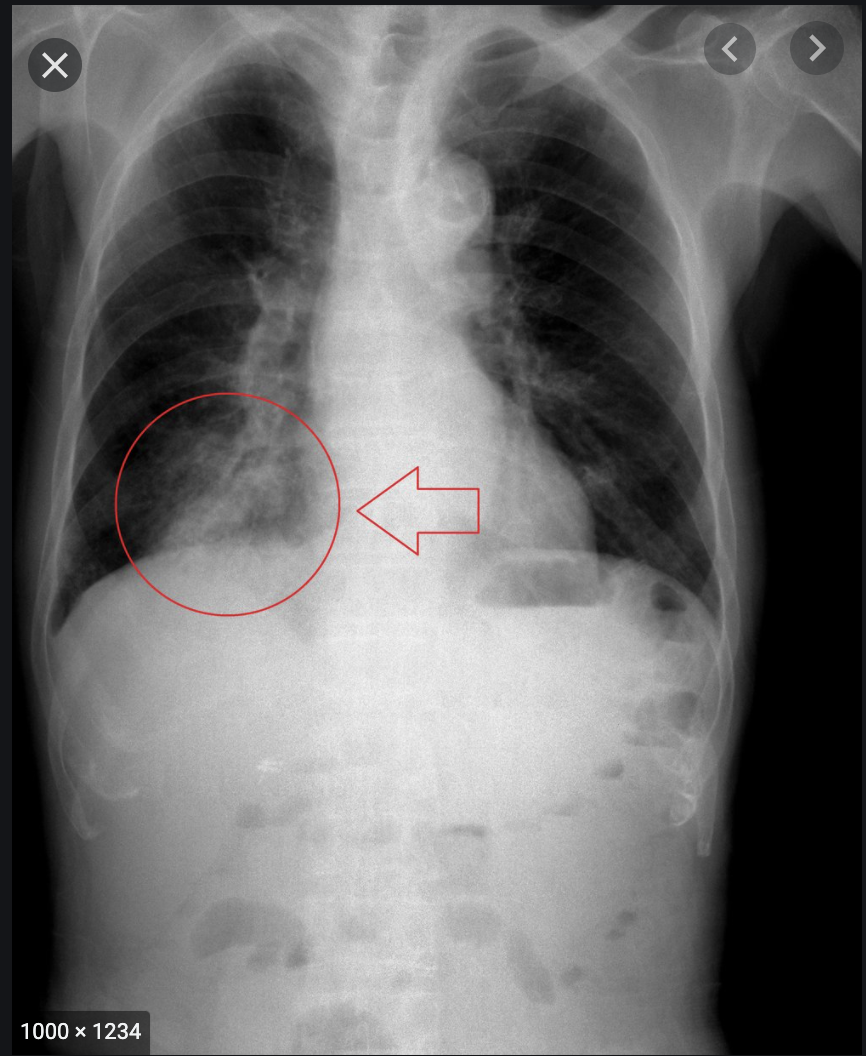
- VOLUME of aspiration > 0.4 mL/kr
- pH <2.5
- Particulates in Aspirate
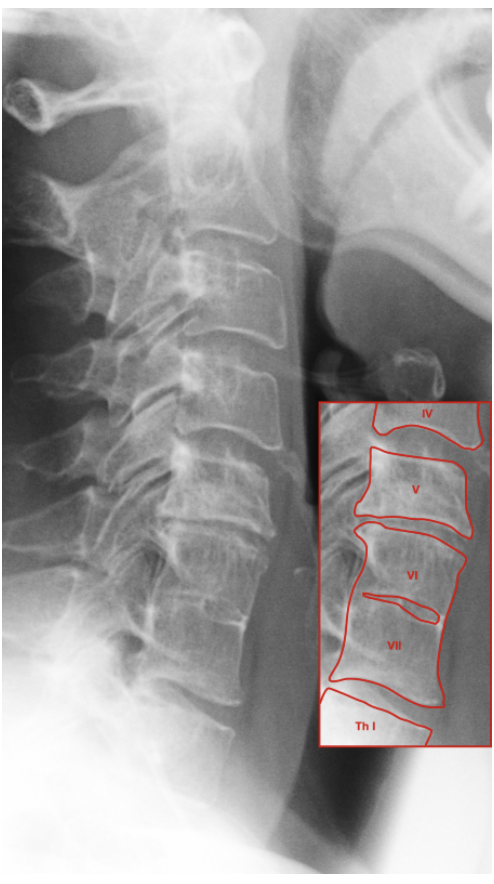
What is Klippel-Feil Syndrome?
- Congenital condition associated with Fusion of Cervical Spine
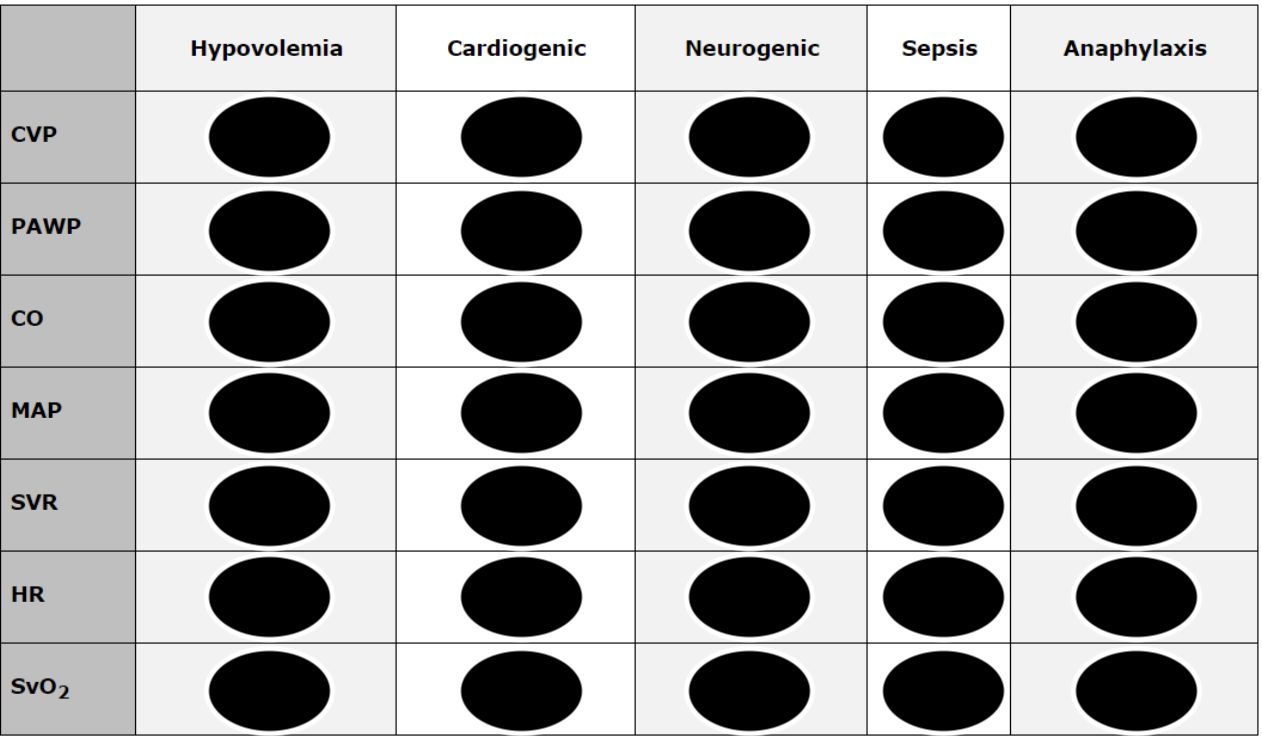
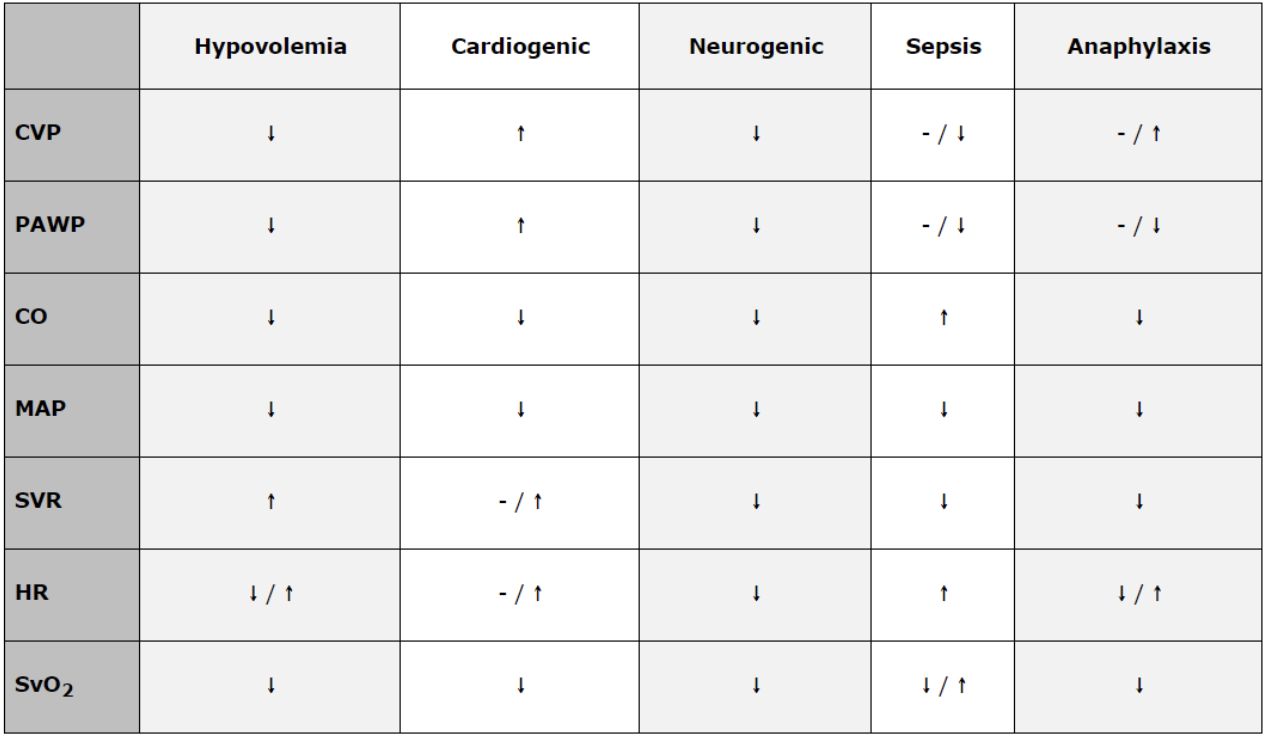
Fill in the Following Parameters Correlating to Each Shock State
Hemodynamic Goals in idiopathic Hypertrophic Subaortic Stenosis/Hypertrophic Obstructive Cardiomyopathy
Hemodynamics goals in IHSS/HOCM are:
- Preload should be kept up.
- Afterload should be kept up.
- Heart rate should be kept down.
- Myocardial contractility should be kept down.
- Sinus rhythm should be maintained.
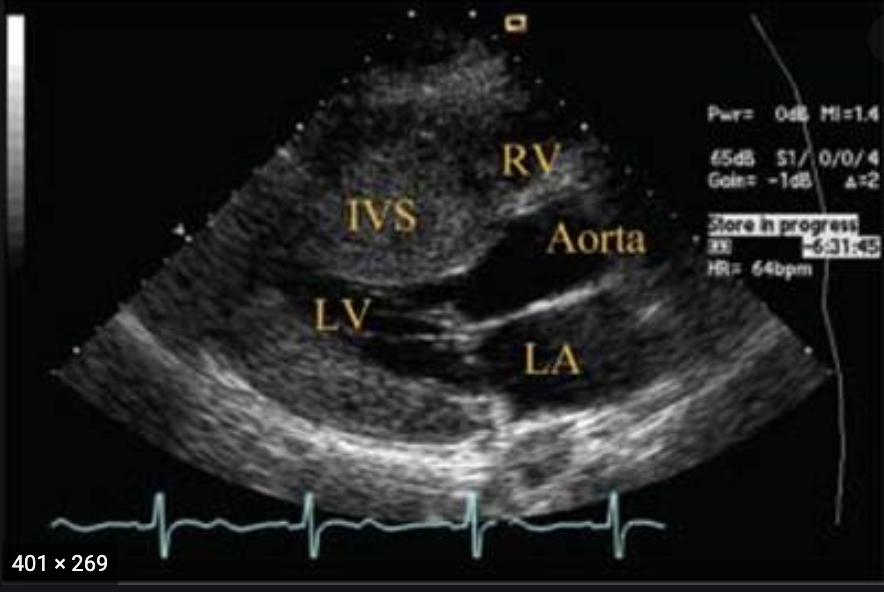
Risk Factors For Transient Neurologic Syndrome
Key Symptoms
- Use of Lidocaine in Spinal Anesthesia
- High concentrations ► Directly Neurotoxic ► irreversible conduction block and complete loss of resting potential.
- Lidocaine causes an excessive release of glutamate leading to an increase in intraneuronal calcium
- Positioning of patient (specifically lithotomy)
- Same Day Surgery
- Early Ambulation after Surgery
- Key Symptoms
- exclusively pain in buttocks, thighs, legs, no dysfunction
Key Point: BARICITY NOT ASSOCIATED W/ TNS
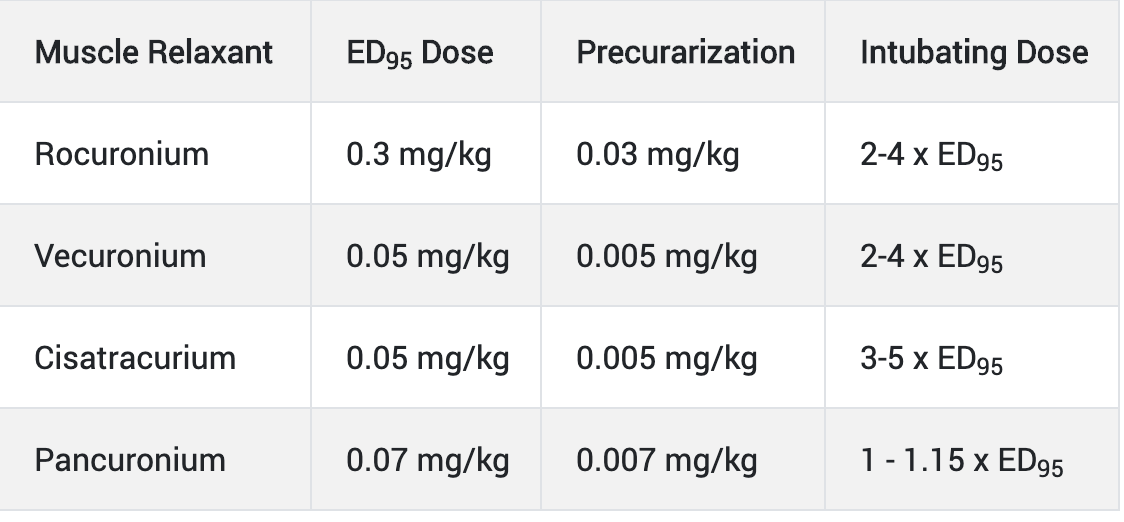
What is Precurarization Dose?
Pre-curarization dose of the Non-depolarizing Neuromuscular Blocking Drugs
- Rocuronium
- Vecuronium
- Cisatracurium
- Pancuronium
10% of ED 95
What is Strong Ion Difference?
- The difference between the positively and negatively charged strong ions in plasma.
- SID (Strong Ion Difference) = [strong cations] - [strong anions] = [Na+ + K+ + Ca2+ + Mg2+] - [Cl- + lactate-]
- Disturbances that increase the SID increase the blood pH (alkalosis) while disorders that decrease the SID lower the plasma pH (acidosis). So, low pH or SID is associated with acidosis and high pH or SID is associated with alkalosis.
Which one represents Guillian Barre Syndrome? What do the other patterns represent?
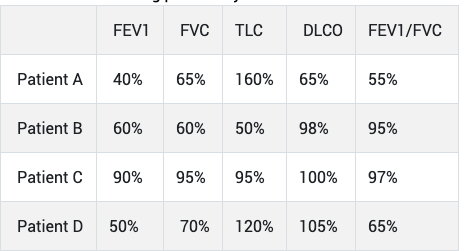
- Patient A: Obstructive Lung Pattern - COPD, Emphysema; Conditions are considered obstructive when the FEV1/FVC ratio falls below 70% of predicted. DLCO decreased d/t intrinsic lung damage
- Patient B: Restrictive Lung Pattern; Guillian Barre Syndrome; demonstrate decreases in the FEV1 and FVC. However, the FEV1/FVC proportions remain normal. The FEV1/FVC ratio remains normal in restrictive lung conditions, and the TLC is decreased
- Patient C: Normal PFT
- Patient D: Obstructive Pattern such as Asthma. DLCO is normal or increased. TLC increases during asthma.






