What is a cardiac catheterization with coronary angiogram (or coronary angiography)?
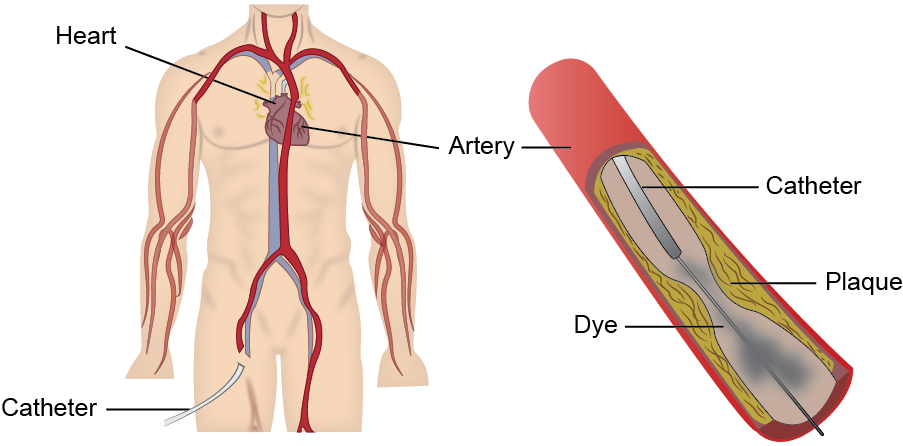
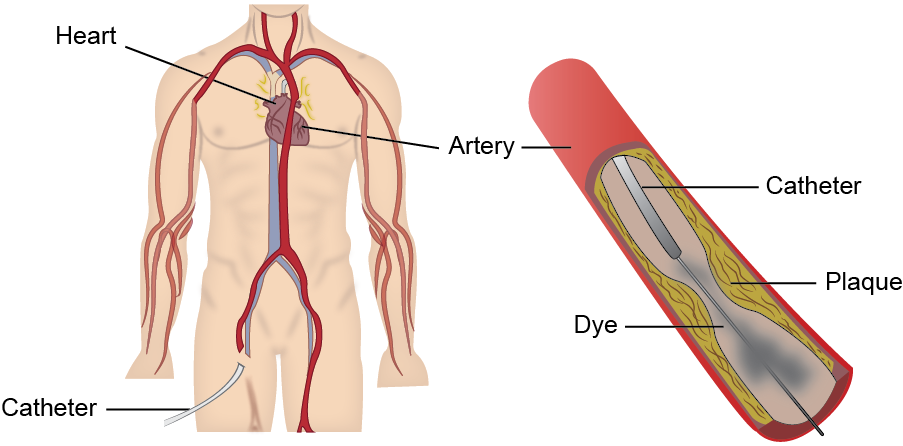
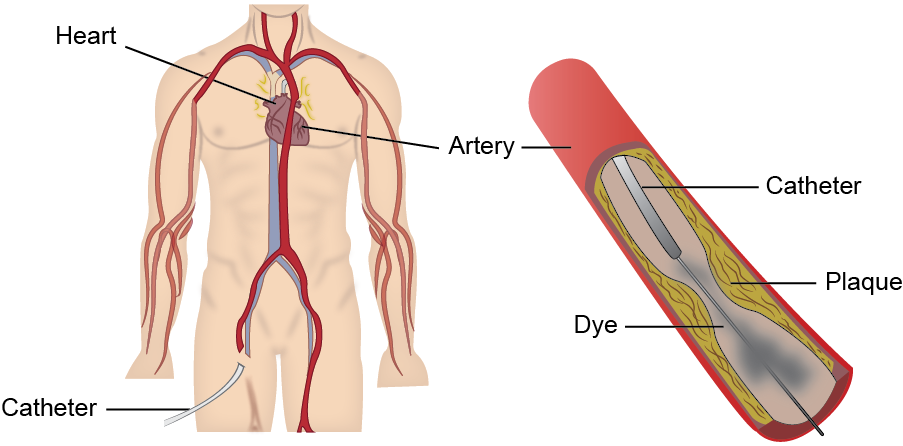
It’s the use of a tube inserted into an artery in the neck, groin or arm, and then dye is injected to visualize the heart and vessels.
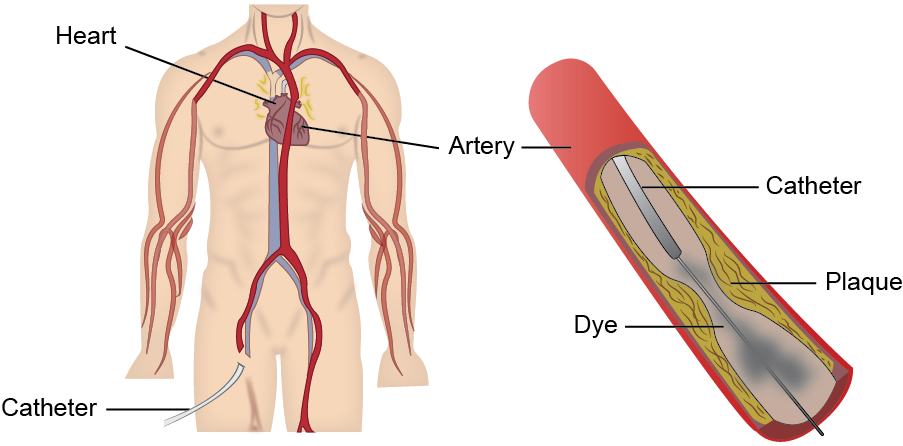
It is done to diagnose cardiac diseases or as an intervention to treat cardiac disease.
What are the pre-procedure interventions for a cardiac catheterization?
- ensure informed consent is signed
- assess for dye allergies
- NPO beforehand
- assess pulses and vital signs
- mark pulses with a sharpie marker
- if needed, use a doppler to locate pulses

Teaching:
Cardiac catheterization and dye
Tell client:
- that they may feel a warm flushing sensation
- an urge to urinate
- heart palpitations as the dye is being injected.
What are the post-procedure interventions for a cardiac catheterization?
- keep leg straight for 4-6 hours to prevent bleeding
- if a closure device is used, in bed for only 1-2 hours
- assess pulses and vital signs
- encourage fluids to flush out dye
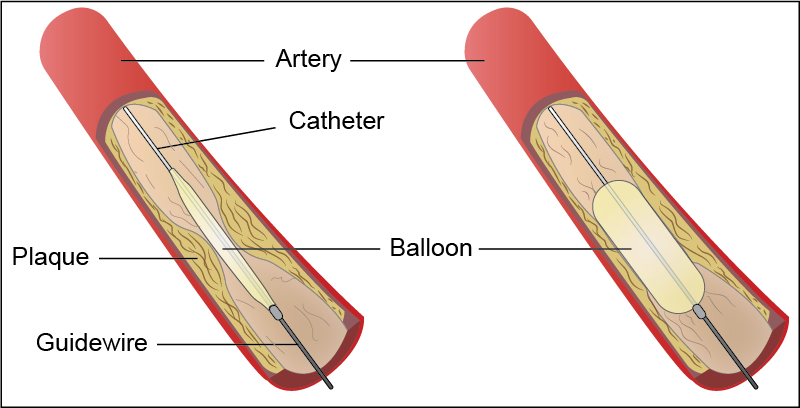
What is a percutaneous transluminal coronary angioplasty (PTCA)?
A PTCA is when a balloon is used to open up an artery due to plaque build-up.
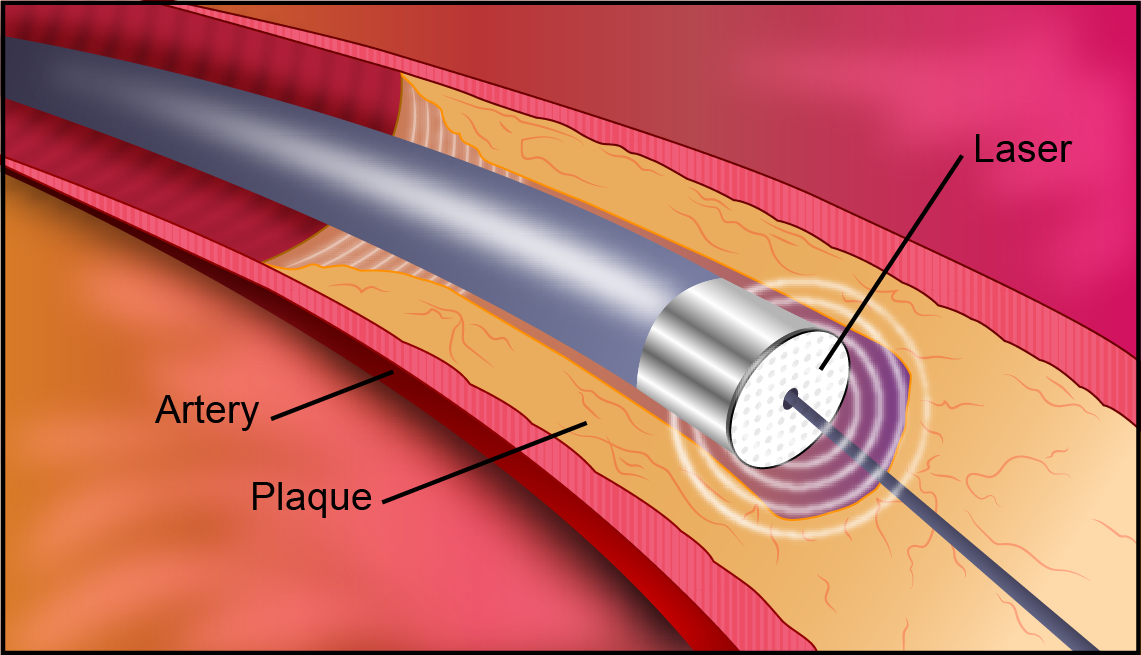
What is laser-assisted angioplasty?
Is when a laser is used to vaporize the plaque in the artery.
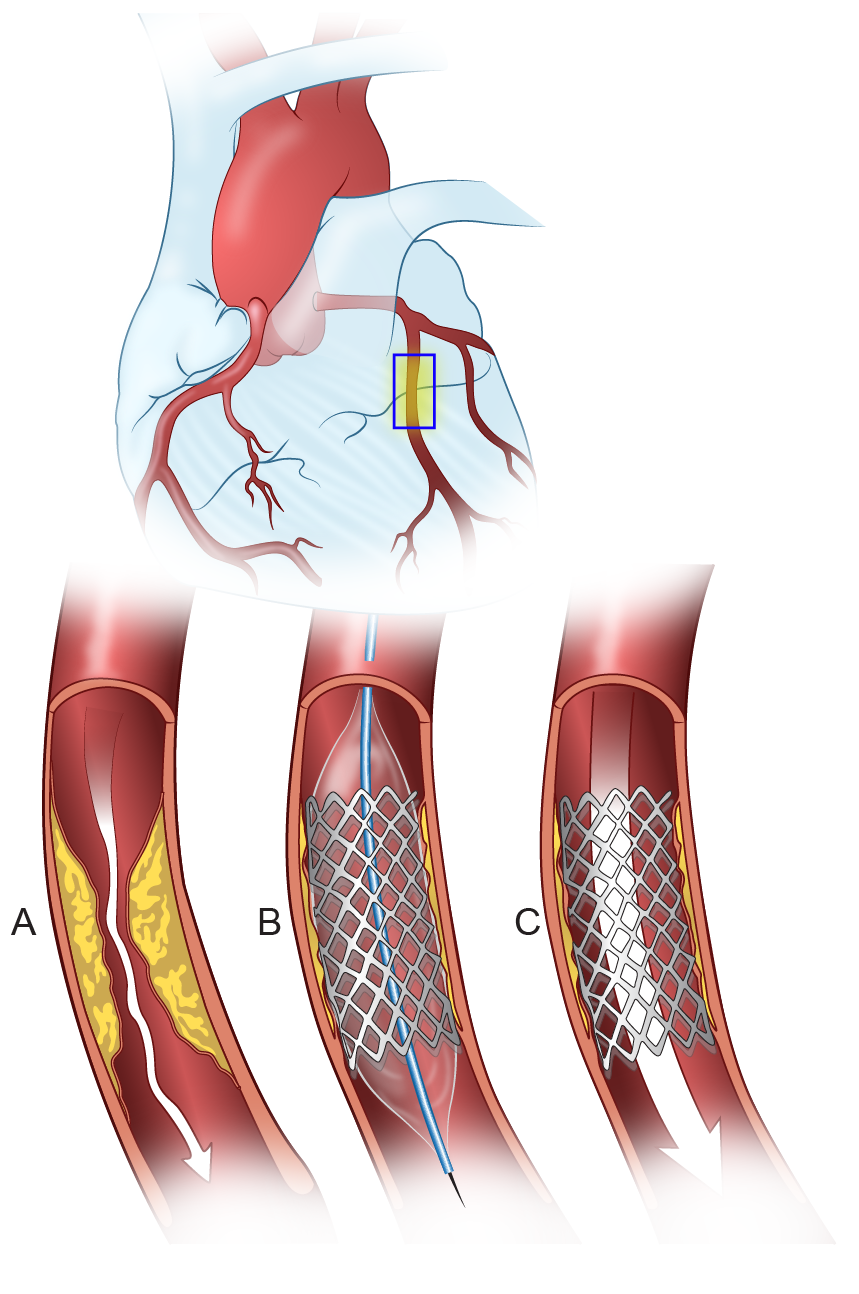
What is a coronary stent?
It is placed in the artery to keep it open for adequate blood flow.
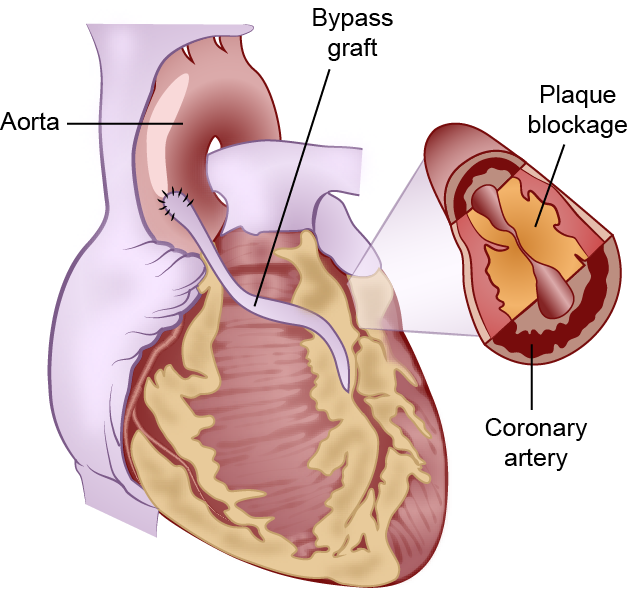
What is a coronary artery bypass graft/surgery (CABG)?
A CABG is open-heart surgery that uses the client’s own veins or arteries to bypass clogged arteries.
Teaching:
Coronary artery bypass surgery (CABG)
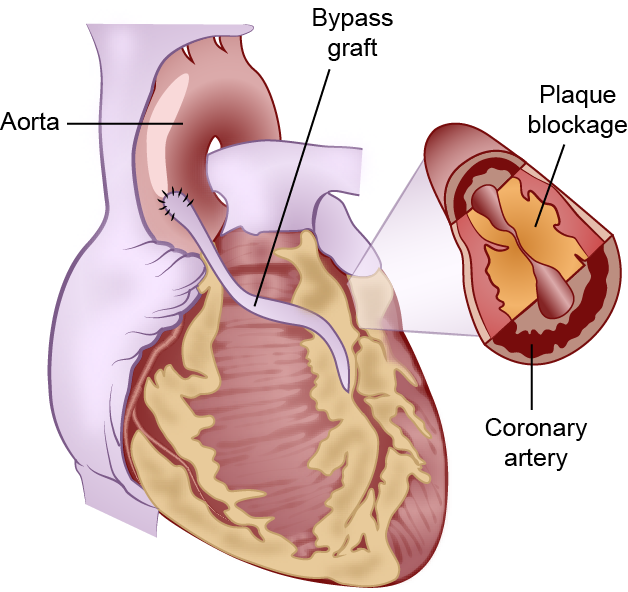
- limit pushing and pulling for 6 weeks
- don’t cross legs
- wear compression socks and elevate limb that was used for the graft
- sex is OK if client can walk 1 block or climb 2 flights of stairs without symptoms
- weigh self daily
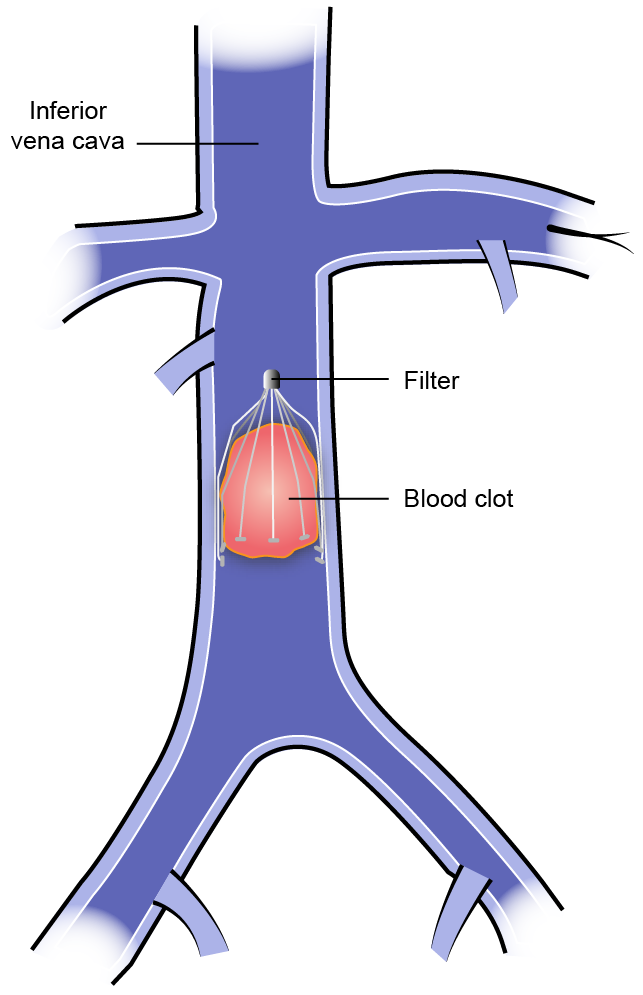
What is a vena cava filter?
A filter placed in the vena cava to trap blood clots.
What do the following cardiac procedures all have in common?
- cardiac catheterization
- PTCA (percutaneous transluminal coronary angioplasty)
- laser-assisted angioplasty
- coronary stents
- CABG (coronary artery bypass surgery)
- vena cava filter
All these cardiac procedures are different ways to remove or bypass plaque in the cardiac arteries to re-establish blood flow and oxygen perfusion.
Teaching:
Cardiac pre-procedure
Stop taking anticoagulants or antiplatelets about 2-7 days before the cardiac procedure in order to prevent bleeding.
What are the general pre-procedure interventions for most cardiac procedures?
Perform a baseline cardiac assessment:
- check bleeding time
- assess for hematoma formation
- vital signs
- EKG rhythm and chest pain
- peripheral pulses
- level of consciousness
What are the general post-procedure interventions for most cardiac procedures?
Assess for complications such as:
- bleeding or hematoma formation at the insertion site
- cardiac dysrhythmias and chest pain
- embolisms
- infection
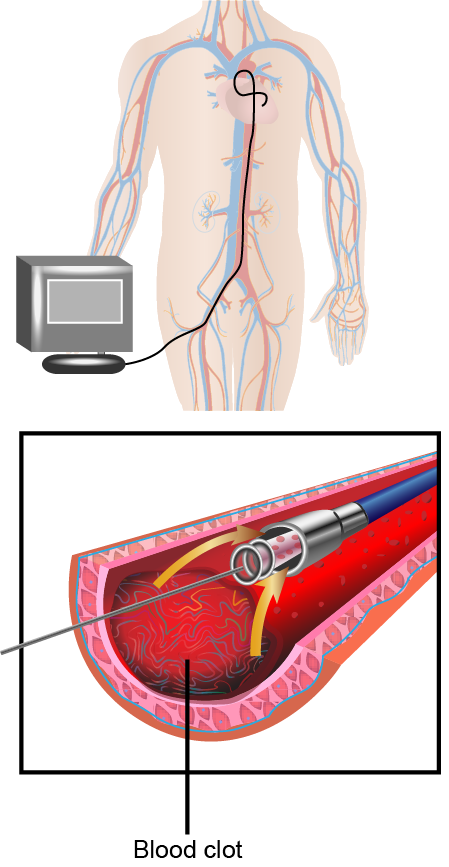
What is an embolectomy?
A blood clot (embolism) removed from an artery.
What is a cardiac stress test?
Checks for coronary artery disease by making the heart work.
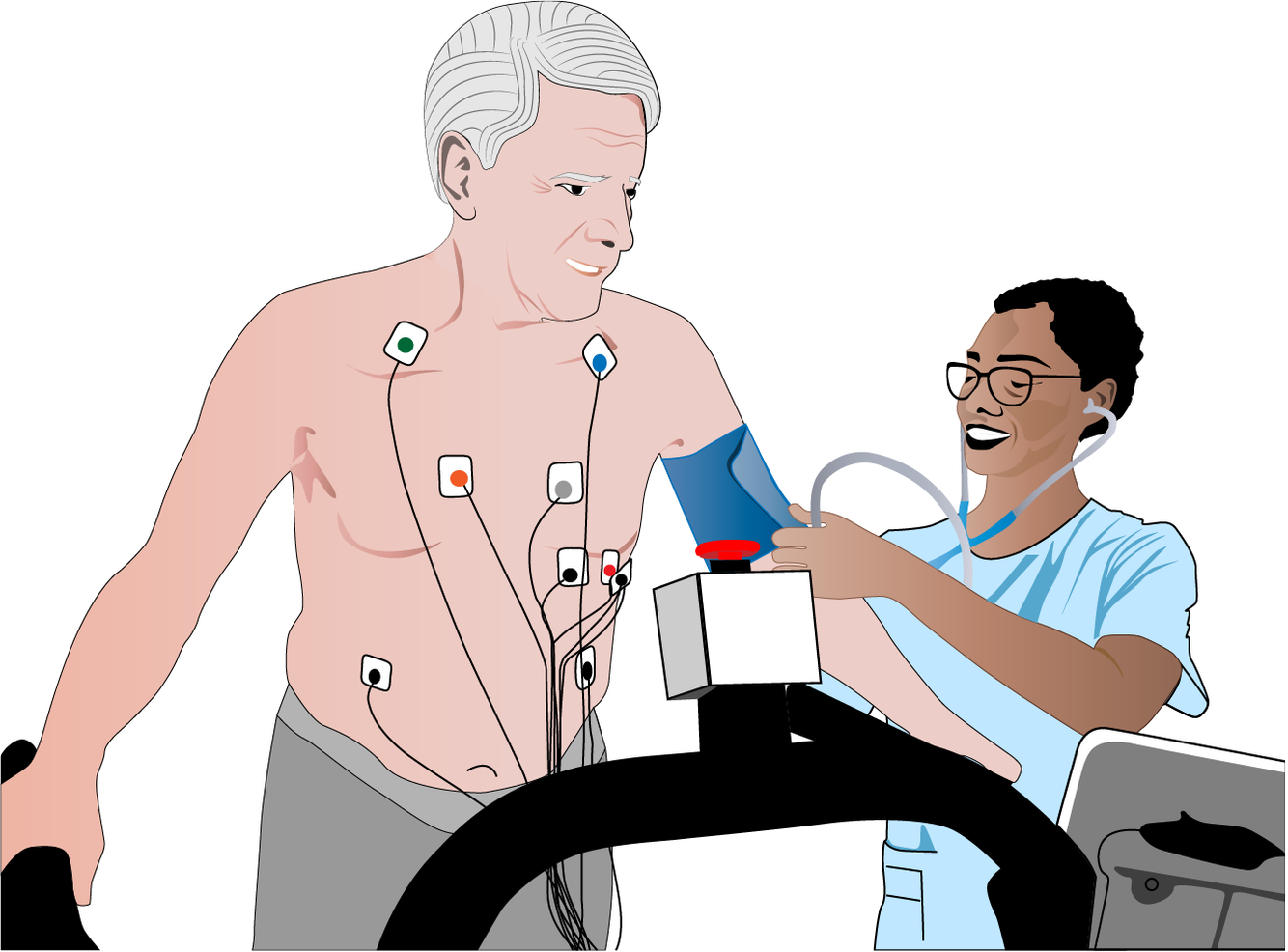
It can be performed on a treadmill or with IV meds to increase workload of the heart - cardiac meds are usually held before test.
What is central venous pressure?
CVP is to check pressure in the superior vena cava for cardiogenic shock. It’s checked with a central line and normal is 3-8 cm H20.
* increased CVP = FVO
* decreased CVP = FVD

The client is placed supine and the transducer is at the 4th intercostal space/mid axillary line
Describe:
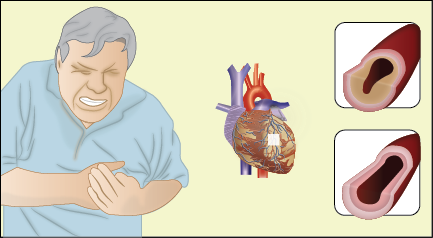
Angina
Chest pain caused by inadequate myocardial blood and oxygen supply.
Explain the difference between:
1. stable angina
2. unstable angina
3. variant/prinzmetal angina
- stable angina is chest pain with physical exertion or stress: is usually relieved with nitroglycerin
- unstable angina is chest pain not related to exercise: not usually relieved with nitroglycerin and indicates a worsening situation
- variant/prinzmetal angina is from coronary artery spasm: may see ST segment elevation and client can still be considered stable
Describe:
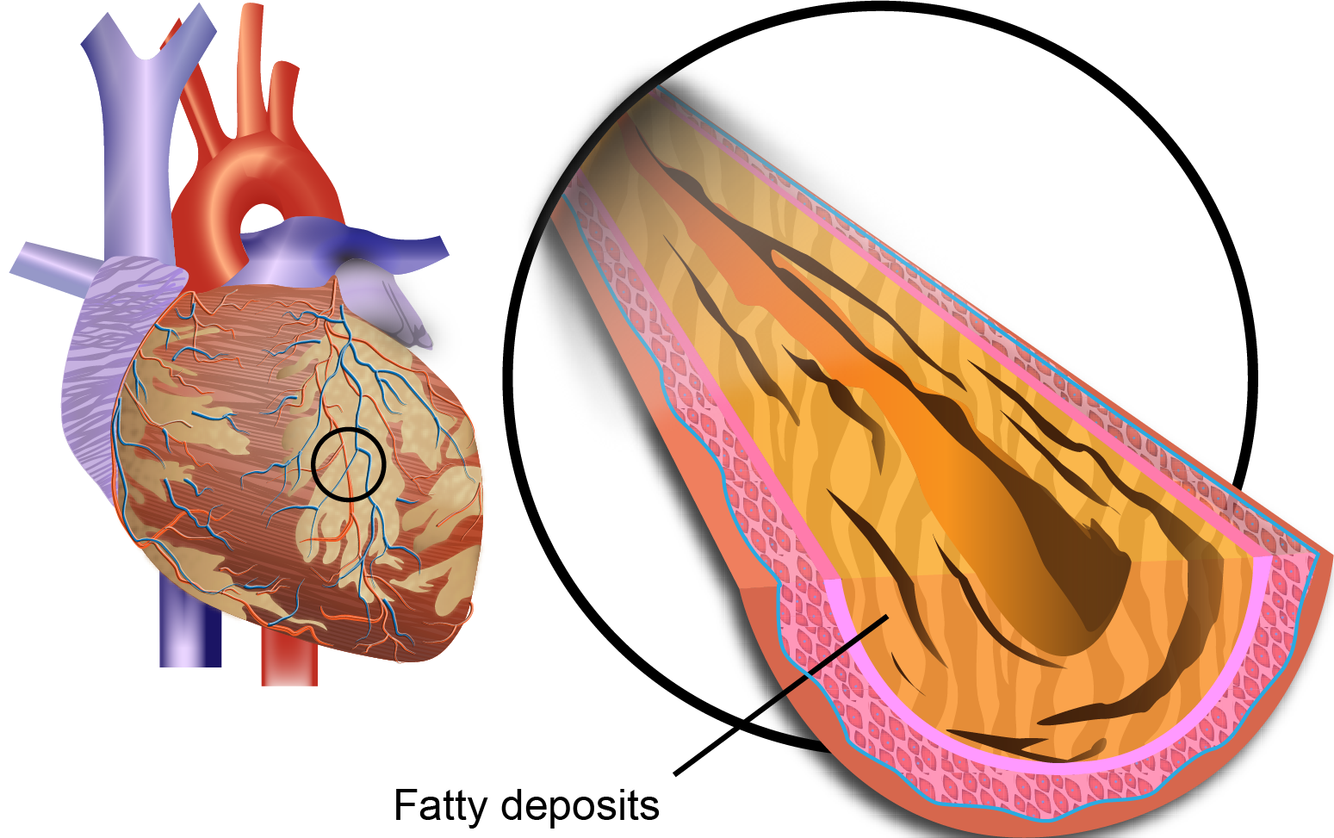
Coronary artery disease
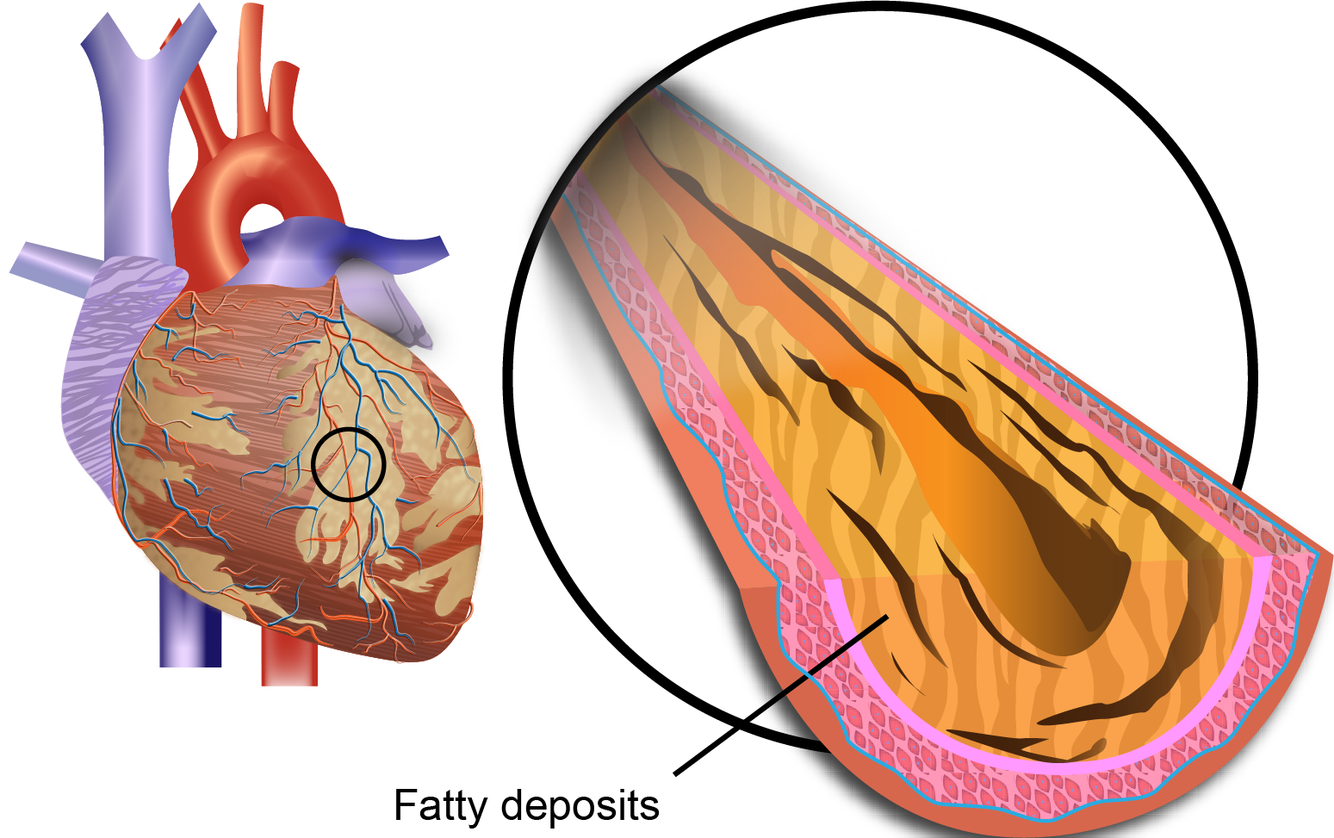
Plaque (fatty deposits) in the arteries that puts the client at high risk for myocardial infarction and other heart diseases.
Treatment:
Coronary artery disease
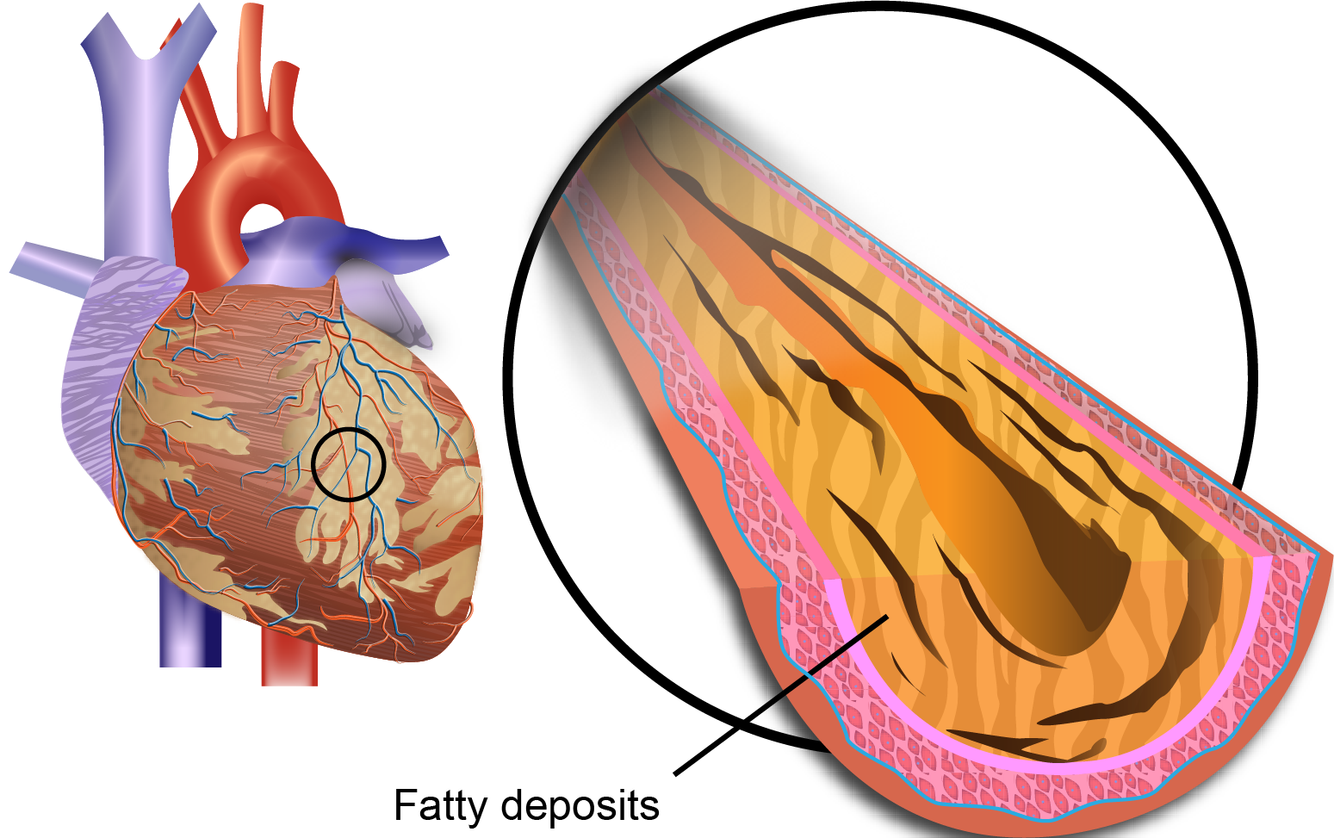
- remove plaque with cardiac procedures
- medications
- nitrates
- antilipidemics
Teaching:
Coronary artery disease
Teach about lifestyle changes:
- stop smoking
- limit alcohol
- DASH diet
- mild to moderate daily exercise
- decrease stress
- lower cholesterol levels
Describe the difference between right-sided heart failure and left-sided heart failure.
Heart failure is the back-up of fluids in the body:
- Right-sided heart failure causes peripheral edema
- Left-sided heart failure causes back up of fluids in the lungs
Signs and symptoms:
Right-sided heart failure
- weight gain and edema
- jugular vein distention
- increased blood pressure and bounding pulse