one of the basic tissues which gives structural and metabolic support to organs and other tissues of the body
Connective Tissue
Functions of Connective Tissue:
- Support: Structural & Mechanical
- Packing: Fills spaces, Shape to organs
- Storage: Adipose tissue: energy
- Loose areolar CT: water & electrolytes
- Transport: Medium for nutrients & metabolic wastes
- Repair: Fibroblasts: matrix and fibres
- Defense: Cells: phagocytosis or antibodies
Connective tissues develop from the ______
mesoderm
All connective tissues apart from blood and lymph consists of 3 components:
- Fibers (elastic and collagenous fibers)
- Ground substance
- Cells
Connective tissues can be broadly subdivided into:
- Connective tissue proper
- Loose connective tissue
- Dense connective tissue
- Dense regular
- Dense irregular
- Special connective tissue
- Reticular connective tissue
- Adipose tissue
- Cartilage
- Bone
- Blood
Fixed cells (intrinsic cells):
- Fibroblast & Fibrocytes
- Mesenchymal cells
- Adipocyte
- Fixed macrophages
Free cells (extrinsic cells/wandering cells)
- Free Macrophage
- Mast cell
- Plasma cells
- Leucocytes
Types of fibers:
- Collagenous fiber- bind bones and other tissues to each other
- Alpha polypeptide chains located in tendon, ligament, skin, cornea, cartilage, bone, blood vessels, gut, and intervertebral disc.
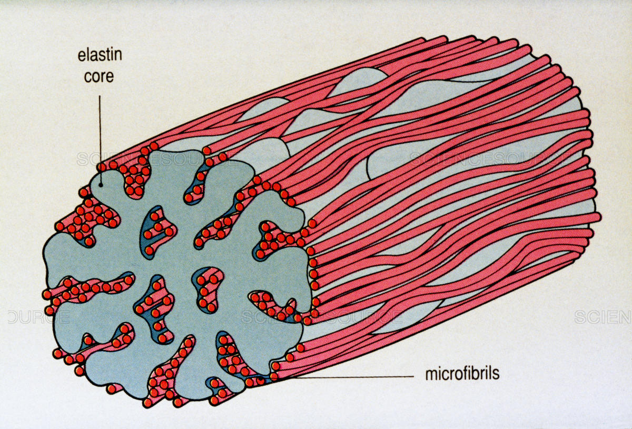
- Elastic fibers (also made by smooth muscle)- allow organs like arteries and lungs to recoil
- elastic microfibril and elastin located in the extracellular matrix.
- Reticular fibers- form a scaffolding for other cells
- type III collagen located in the liver, bone marrow, and lymphatic organs
Types of Collagen:
- Type I Collagen: Most abundant (eg., in tendons, ligaments, bone, etc.) - Type 1 - bONE
- Type II Collagen: Cartilage - Type 2 - carTWOlage
- Type III Collagen: Reticular Fibers -
- Type IV Collagen: Basal Laminae - Type four - floor
- Type VII Collagen: Anchoring Fibrils in Skin - Type 7 (fibrils) has 7 letters
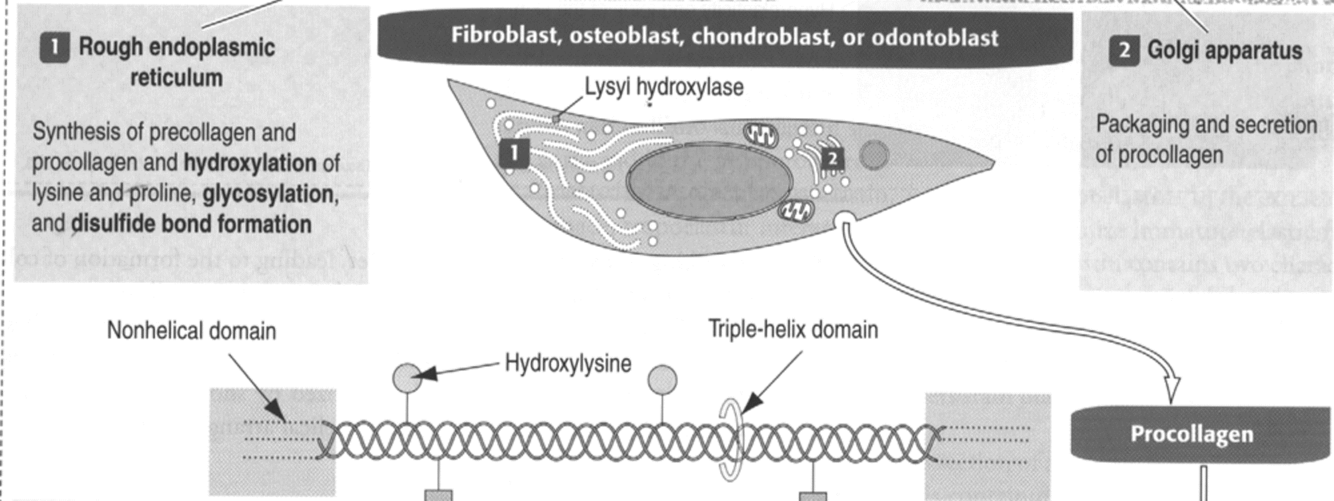
Collagen synthesis takes place in
The rough endoplasmic reticulum
A glycoprotein essential for the formation of elastic fibers
Secreted into the extracellular matrix by fibroblasts and becomes incorporated into the insoluble microfibrils to provides a scaffold for the deposition of elastic
fibrillin
Main component of ground substance (substance between cells and fibers)
proteoglycans function to hold water
Influences the timing of puberty and regulates the hypothalamic control of feeding
Leptin
can diminish effects of insulin upon muscle
resistin
Have pale, bean-shaped nuclei, abundant cytoplasm
Ig G receptors
macrophages
arise from blood cells called monocytes that migrate from the bloodstream
Secreted by Macrophages
- can cause apoptosis of tumors
- decreases fat deposition
- can decrease blood pressure and cause migration of leukocytes into organs: SEPTIC SHOCK = “blood poisoning”
TNF
Production & Maintenance of Extracellular Matrix.
Fixed cells
Tissue reaction to injury or invasion of microorganisms.
Free cells
Fiberblast form 3 major types of tissue
- Loose Connective Tissue
- Dense Irregular Connective Tissue
- Dense Regular Connective Tissue
Prolyl and lysyl hydroxylase require ______ as a co-factor; deficiency causes ________
Vitamin C; scurvy
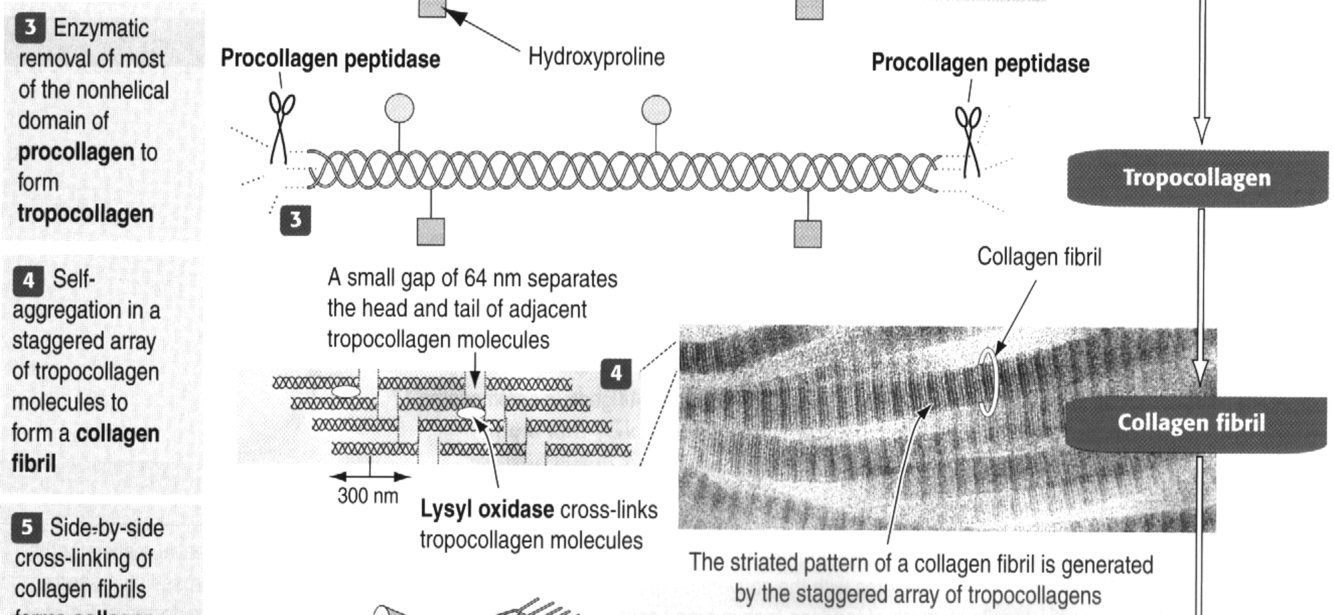
Extracellular cleavage of peptides from procollagen allows assembly of tropocollagen molecules into
collagen fibrils
Scurvy (reduced hydroxylation due to ascorbate/vitamin C deficiency) has what symptoms?
- Petechiae, ecchymoses
- Loose teeth, bleeding gums
- Poor wound healing
- Poor bone development
Cross linking of Elastin Causes
Elasticity
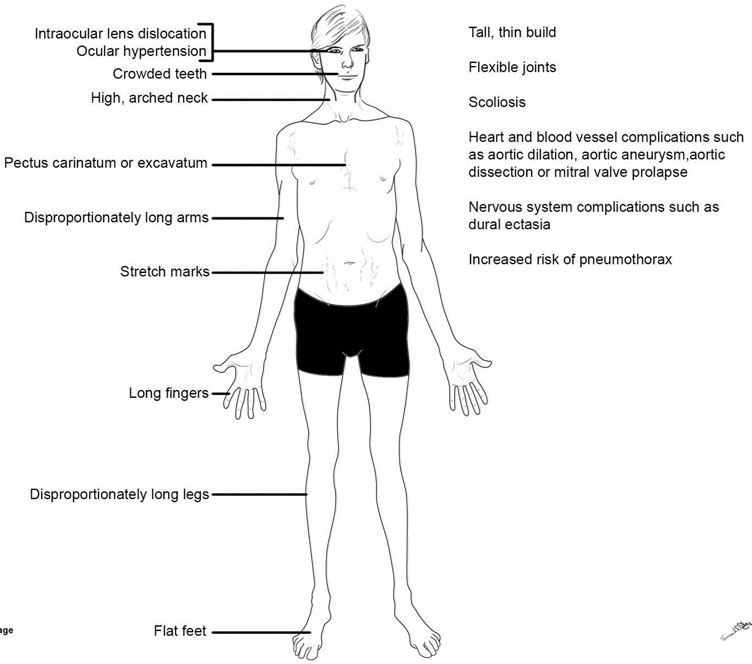
Abnormal fibrillin causes_____. What are the symptoms?
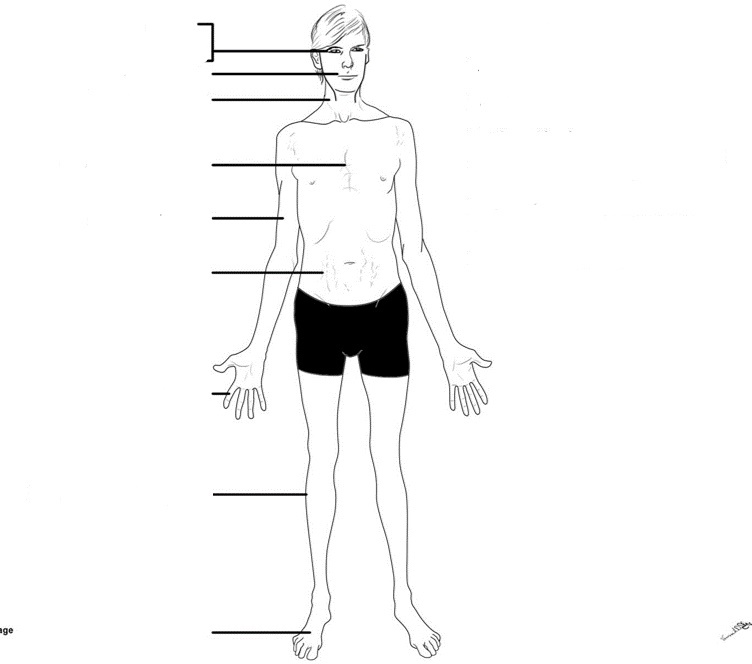
Marfan’s Syndrome
- Symptoms:
- Unusually tall stature
- Poor elasticity of connective tissue
- Ruptures of blood vessels enriched in Elastin and Fibrillin


-
Lecture 2: Acid/Bases28
-
Proteins I25
-
Proteins II33
-
Proteins III31
-
Proteins IV16
-
Hemoglobin22
-
Blood Coagulation49
-
Enzymes72
-
Biochemisty of Drugs as Enzyme Inactivators58
-
Lecture 1: Bioenergetics39
-
Glycolysis24
-
TCA Cycle24
-
The Electron Transport Chain, ATP Synthesis, and Mitochondrial Shuttles55
-
Gluconeogenesis49
-
Glycogen Metabolism75
-
Lipids60
-
Fatty Acid Catabolism88
-
Lipid Biosynthesis81
-
Lipids - Clinical Applications53
-
Peripheral Nerve29
-
Muscle Histology15
-
Abdominal Cavity12
-
Embryology29
-
Lipid Malabsorption Clinical Concepts56
-
Purine and Pyrimidine Synthesis39
-
Purine and Pyrimidine Breakdown and Heme52
-
Nitrogen Balance, Urea Cycle, and Amino Acid Metabolism19
-
Amino Acid Metabolism and associated diseases20
-
Nucleic Acid Structures81
-
Gene Expression and Regulation41
-
Protein Synthesis7
-
Molecular Medicine8
-
Overview of Cells and Structure29
-
Cytoskeleton44
-
Intro to Histology48
-
Membrane Structure and Function76
-
Mitochondria41
-
Nucleus40
-
Connective Tissue55
-
Cell Adhesion38
-
Biosynthesis and Cell Membranes30
-
Blood75
-
Lymphoid Organs25
-
Basic Components of the Immune System35
-
CD antigens14
-
Introduction to Viruses25
-
Somatosensory Receptor Physiology29
-
Physiology of Somatosensation24



