Acute Lung Injury
a condition characterized by:
1) an abrupt decline in respiratory function
2) bilateral infiltrates
3) reduced lung compliance
4) hypoxemia, in the
5) absence of heart failure. T
his condition may be caused by a wide variety of agents that diffusely injure the delicate lung parenchyma (e.g. sepsis, aspiration, infections, trauma, radiation, inhalation of toxic agents, drug reactions, etc.). Other times, the cause of ALI is idiopathic, for which the term “acute interstitial pneumonia (AIP)” is used.
Acute Respiratory Distress Syndrome
ARDS is a clinical syndrome characterized by severe acute respiratory failure, and is a manifestation of severe ALI.
*NOTE: Although all ARDS falls under the larger umbrella term of ALI, not all ALI is severe enough to result in ARDS.
4 Most Common Causes of ALi and ARDS
- Sepsis
- Diffuse infections
- Aspiration.
- Trauma.
Diffuse Alveolar Damage
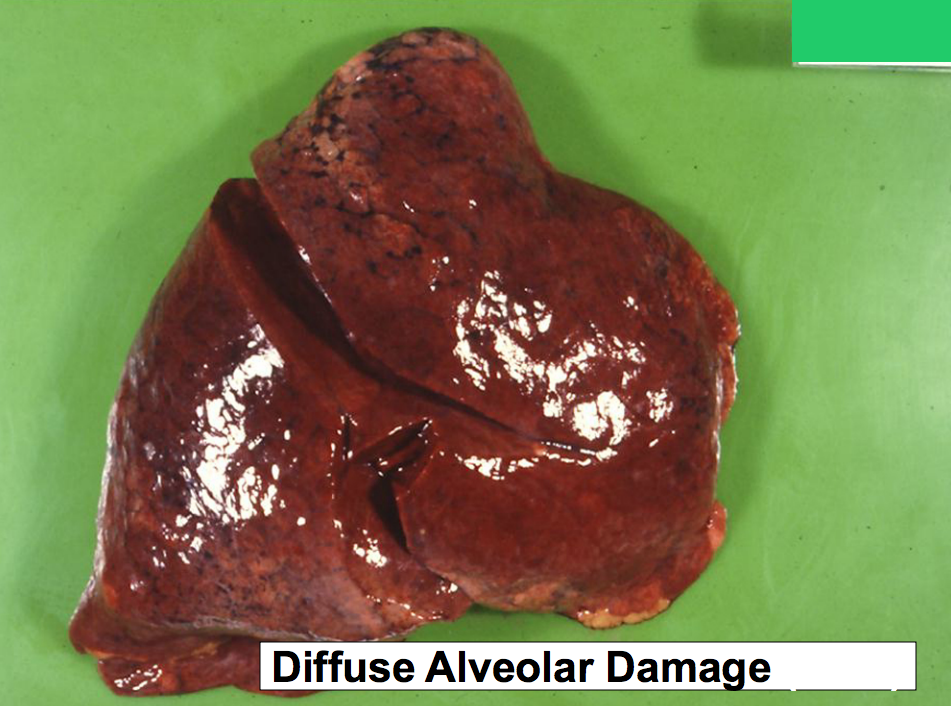
DAD is a pathologic term and is the histologic manifestation of severe acute lung injury (ALI), and generally occurs in association with clinical ARDS.
DAD Gross Appearance
Very heavy lungs, diffusely firm, and red-tan.
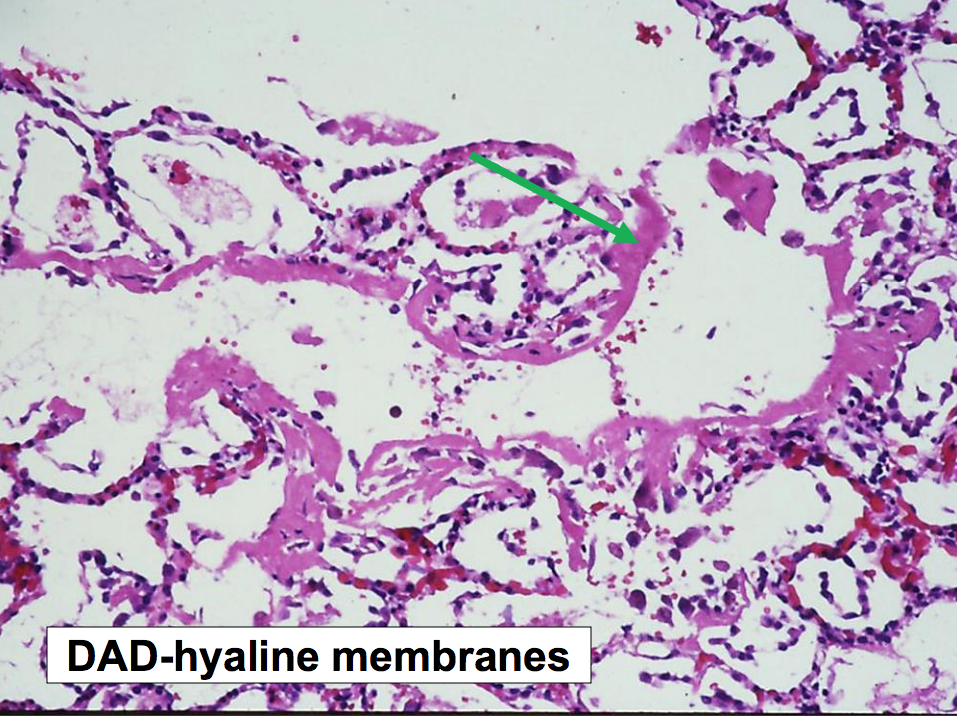
Microscopic Appearance DAD
- Diffuse damage to all parts of the alveolar wall, including epithelial and endothelial cell injury.
- Formation of “hyaline membranes” on the surface of the damaged alveolar ducts/alveoli.
- Hyperplasia of type II pneumocytes.
- Granulation tissue formation (“organization”) with influx of lymphocytes, macrophages, and fibroblasts.
Pathogenesis of DAD
The pathogenesis of DAD includes a combination of endothelial injury with endothelial activation, recruitment of neutrophils, accumulation of fluid in alveolar spaces with formation of hyaline membranes, and release of cytokines that perpetuate the inflammatory response
Treatment of ALI/ARDS
No proven treatments are available. Despite this grim reality, treatment usually includes:
- Mechanical ventilation–oxygen.
- Supportive care.
- Treatment of underlying causes, such as sepsis.
Prognosis of ALI/ARDS
- 40-50% of patients recover, with normal lung function.
- Many patients die acutely, especially with ARDS.
- A few patients develop diffuse fibrosis and die in weeks to months.
Restrictive Lung Disease Definition
A broad category of diffuse lung disease characterized by reduced expansion of lung parenchyma. This may occur in two settings:
1) diffuse diseases of the interstitium, such as pulmonary fibrosis (interstitial scarring), and
2) chest wall disease with normal lungs (e.g. obesity, pleural diseases, neuromuscular diseases).
• Over time, this usually results in decreased total lung volume, but airflow is normal or reduced proportionally.
Idiopathic Pulmonary Fibrosis
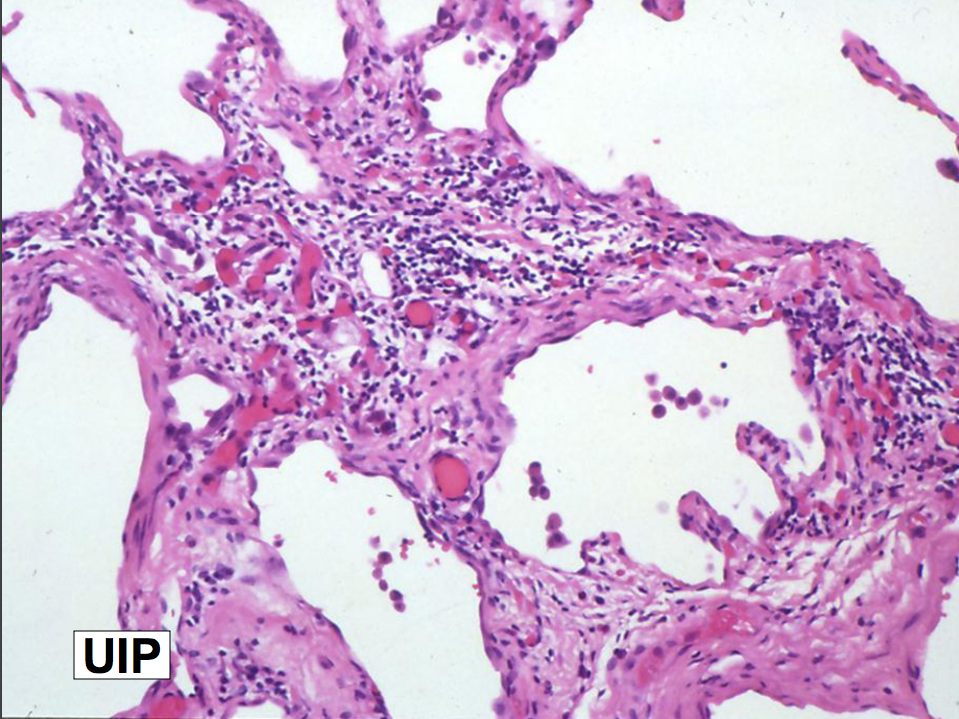
- A specific clinical syndrome of unknown cause, characterized by relentlessly progressive interstitial fibrosis of the lungs and respiratory failure, associated with the specific pathologic pattern of fibrosis called “usual interstitial pneumonia” (UIP).
- Usual interstitial pneumonia (UIP): A specific pathologic pattern of fibrosis, characterized by heterogeneous and peripherally accentuated fibrosis. This pattern may be seen in the setting of IPF if its cause is idiopathic, but the UIP pattern may also be seen in other non-idiopathic conditions.
Clinical Characteristics of IPF
- Fibrosis in IPF only involves the lungs.
- IPF involves men more than women.
- IPF usually occurs in older adults and elderly; rarely appears before age 50.
- Smoking and exposures to metal fumes, wood dust, and other occupational irritants increases risk of developing IPF.
- Familial forms occur, associated with various gene mutations.
- Prognosis is worse than for all other types of chronic interstitial lung disease. Patients experience a progressive gradual decline in lung function, sometimes interspersed by abrupt (and permanent) rapid declines in lung function (“acute exacerbations”); most patients die within 3-45 years after initial diagnosis, despite all treatments available, although recently approved drugs have offered a glimmer of hope.
Pathogenesis of IPF
- Unknown cause, but a peculiar immune mechanism is suspected.
- Unregulated fibrosis rather than inflammation is the problem.
- Mediators are released that cause fibroblasts to proliferate and lay down collagen.
- Unknown stimulus continues relentlessly, so disease progresses to death, usually within 3 to 5 years.
Gross Pathology of IPF
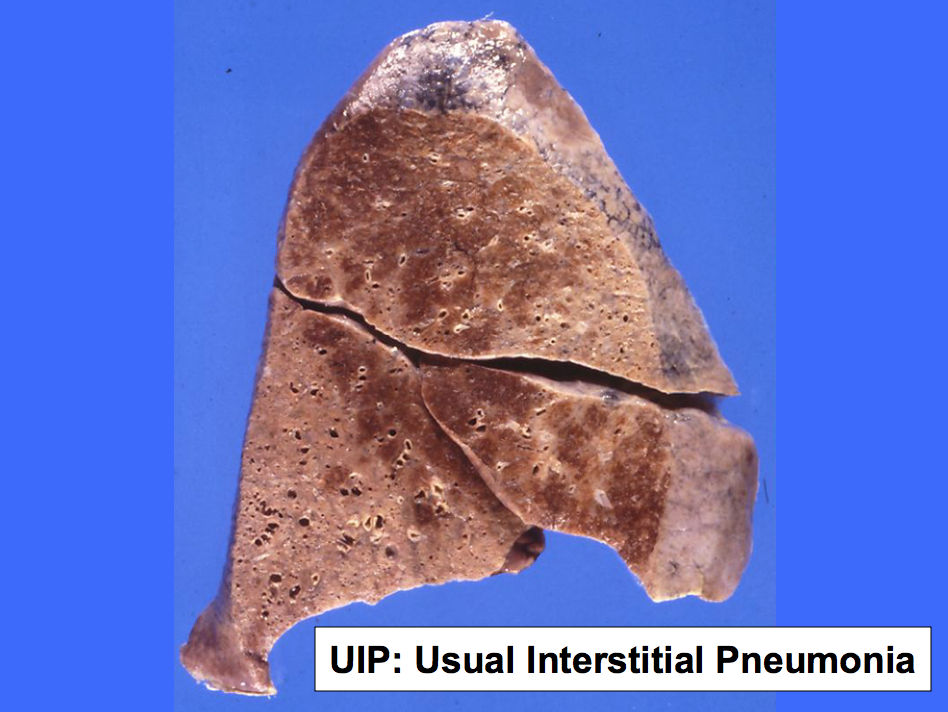
Gross pathology and the UIP pattern:
- Lungs are usually smaller than normal.
- Pleura is diffusely bumpy (“cobblestoned”).
- Firm strands of fibrous tissue in peripheral (subpleural) lung zones, particularly in lower lobes.
- Dilated air spaces surrounded by dense fibrous tissue may occur, often occurring in groups (called “honeycombing” because of its resemblance to a beehive’s honeycomb).
Microscopic Features of the UIP Pattern
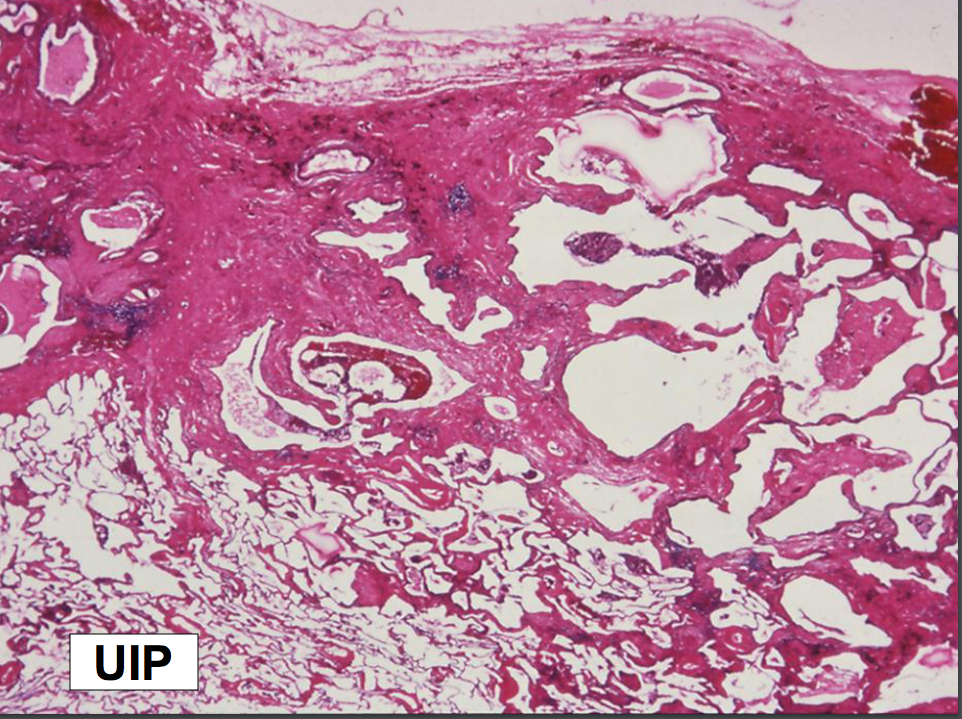
- Patchy destruction of lung architecture because of dense fibrosis; process is accentuated at the periphery of lobules and under the pleura, but other areas are completely spared (“spatial heterogeneity”).
- Areas of dense mature (old) fibrosis adjacent to foci of loose immature (new) fibrosis with proliferating fibroblasts, called fibroblast foci (“temporal heterogeneity”).
*NOTE: Although IPF is characterized pathologically by the presence of fibrosis in a UIP pattern, this UIP pattern can also be seen in other nonidiopathic conditions. IPF by definition is idiopathic; if UIP is observed, a clinical diagnosis of IPF is only made after excluding other known causes of a UIP pattern!
Nonspecific Interstitial Pneumonia
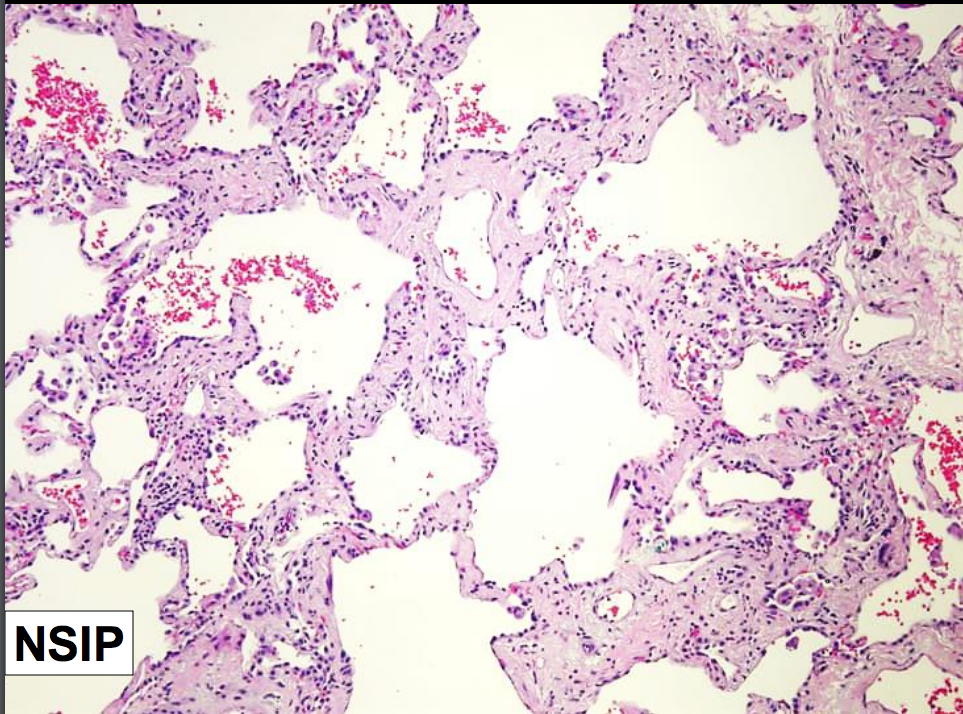
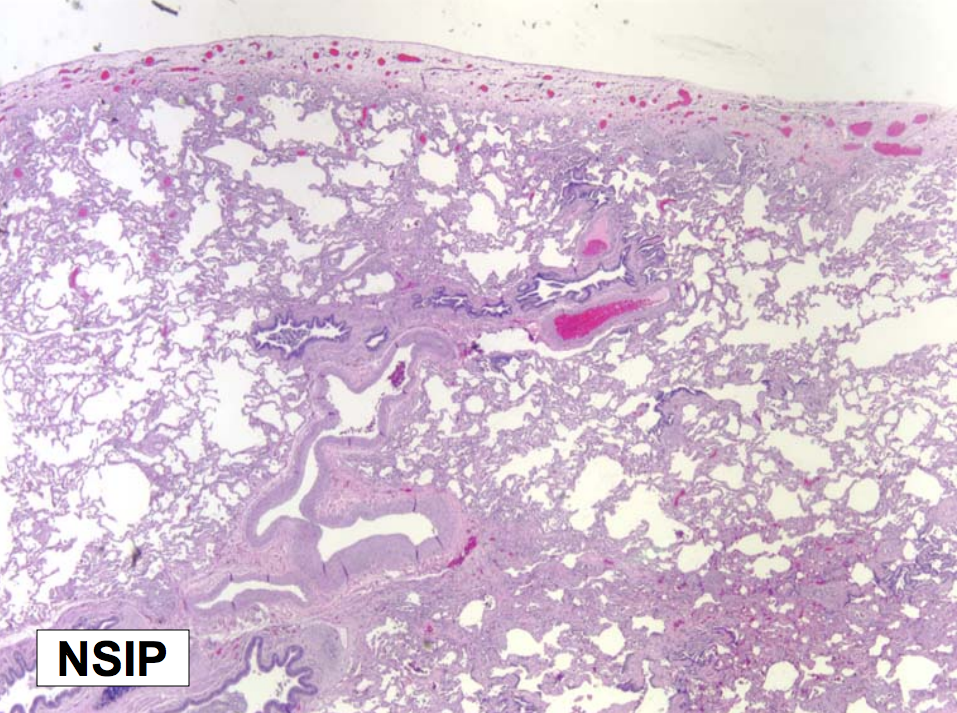
Nonspecific interstitial pneumonia (NSIP) is a chronic fibrosing interstitial lung disease that lacks characteristics of the other wellcharacterized (specific) diseases. It can be idiopathic, or may occur in the setting of an underlying connective tissue disease.
Characteristics of NSIP
- A disease of adults, especially women.
- Pathology shows a pattern of diffuse homogeneous thickening of alveolar walls by lymphocytes and fibrosis.
- Prognosis is much better than IPF.
- Patients may get better (70%), remain stable (20%), or in a minority of cases progress to end-stage fibrosis or other fatal complications.
Cryptogenic Organizing Pneumonia
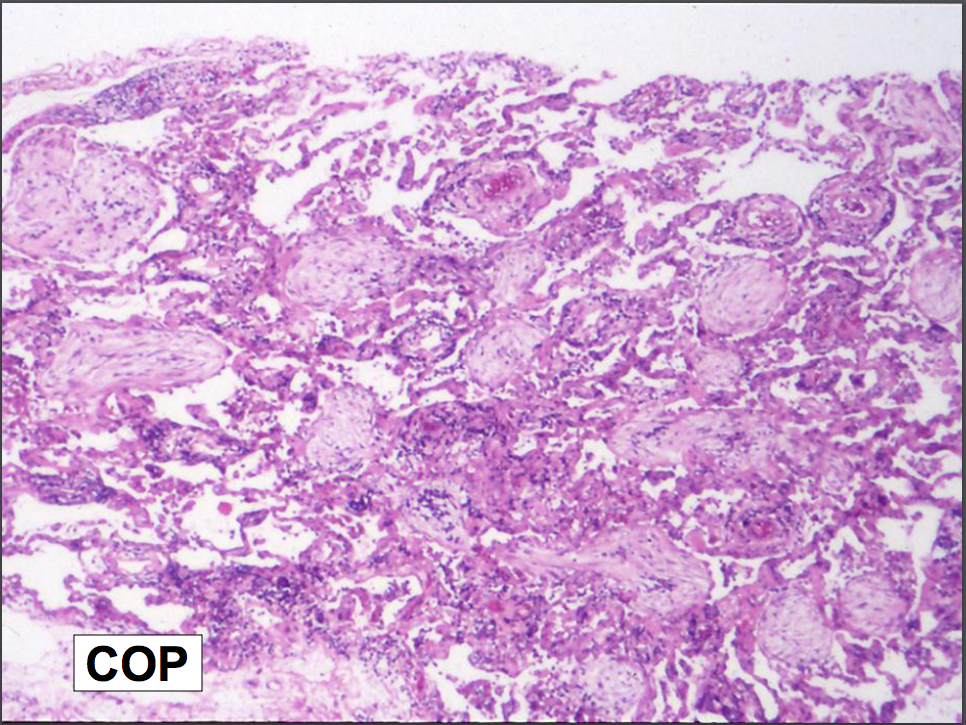
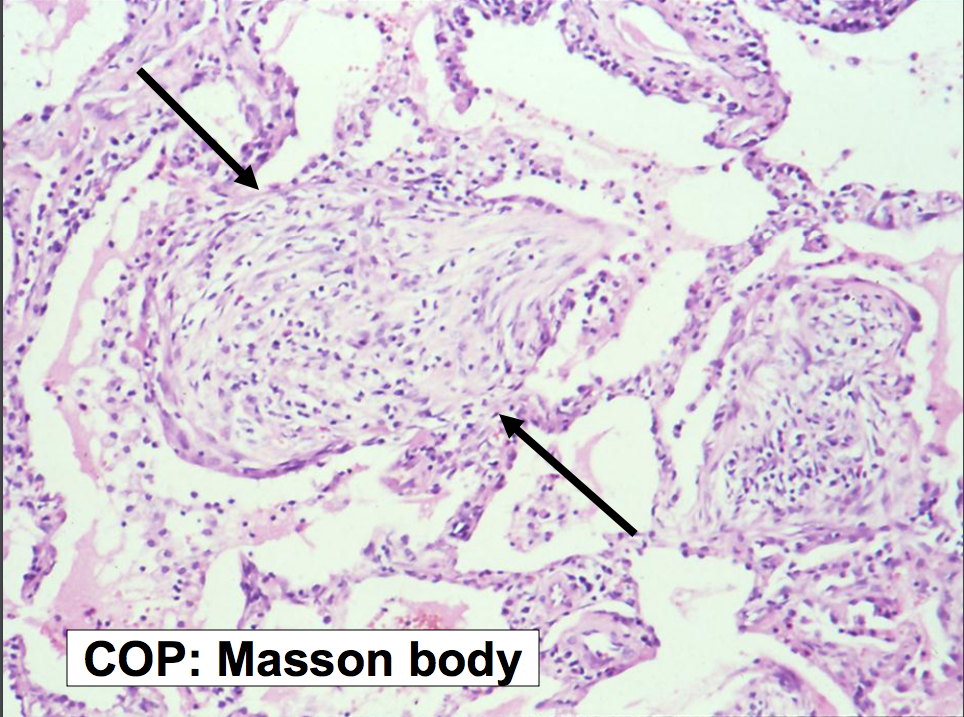
Cryptogenic organizing pneumonia (COP) is a restrictive lung disease of unknown (idiopathic or cryptogenic) cause, characterized by injury to the lung that results in filling of alveoli and terminal bronchioles by plugs of proliferating fibroblasts (“organization”).
Characteristics of COP
- Old term for this disorder was “bronchiolitis obliterans organizing pneumonia” (BOOP); however, this catchy term should no longer used as it leads to confusion with bronchiolitis obliterans, a completely different disease of the small airways that is unrelated to COP.
- Good prognosis, because there is no mature fibrosis.
- Steroids are often used to treat COP.
Connective Tissue Disease-Associated Interstitial Lung Disease
Certain connective tissue diseases can cause fibrosis of the lungs if they are poorly controlled, a feared complication of these disorders. When the lungs become involved in these disorders, fibrosis ensues that often has a pathologic pattern of either UIP or NSIP. Prevention or slowing of the disease is generally achieved by controlling the underlying connective tissue disease with steroids and immunomodulatory agents. Examples of connective tissue diseases that can cause lung fibrosis:
- Rheumatoid arthritis.*
- Scleroderma / progressive systemic sclerosis.
- Polymyositis / dermatomyositis.
- Sjögren syndrome.
- Mixed connective tissue disease (MCTD).
*NOTE: Rheumatoid arthritis can also produce an acute or chronic pleuritis, rheumatoid nodules in the lungs, DAD, bronchiolitis, and Caplan nodules (Caplan syndrome) when associated with silicosis or coal workers’ pneumoconiosis.
Drug Induced Lung Disease
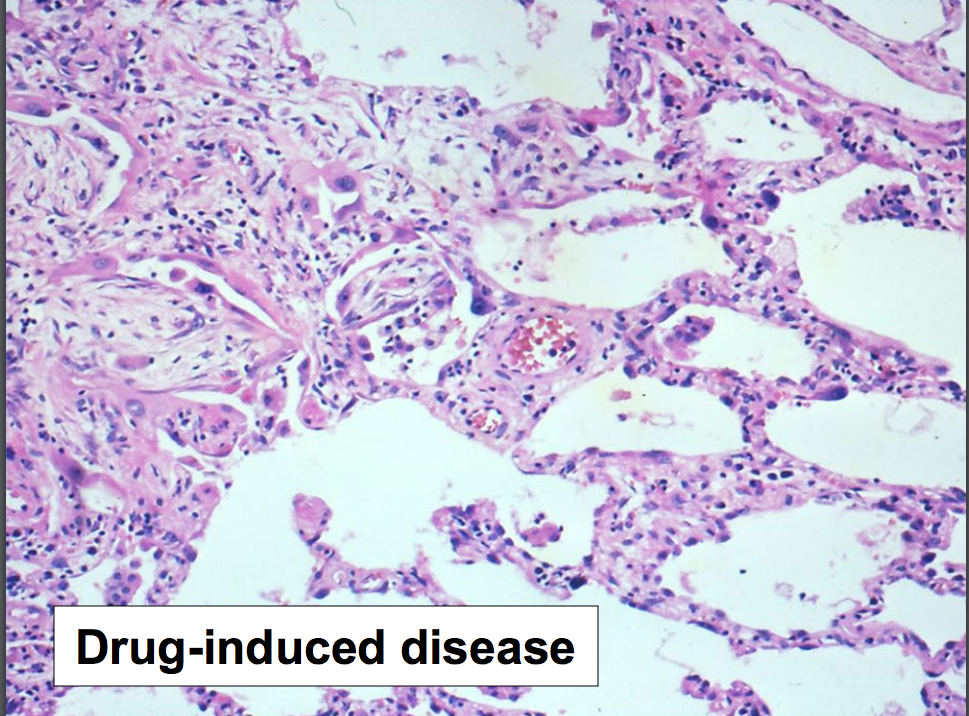
Some drugs produce various forms of interstitial lung disease, particularly antineoplastic drugs.
- The disease may produce patterns of injury or fibrosis that look histologically like DAD, UIP, NSIP, organizing pneumonia, granulomatous disease, or other patterns.
- The injury may be dose dependent or simply an idiosyncratic reaction.
- This complication is treatable if recognized in time; treatment requires cessation of the offending agent.
Sarcoidosis
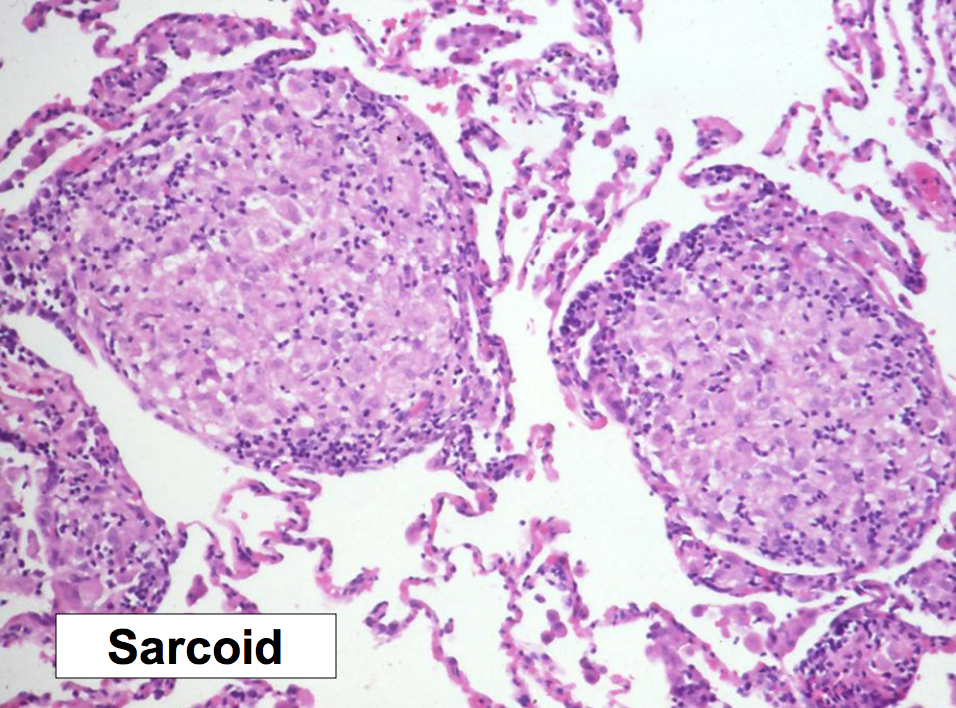
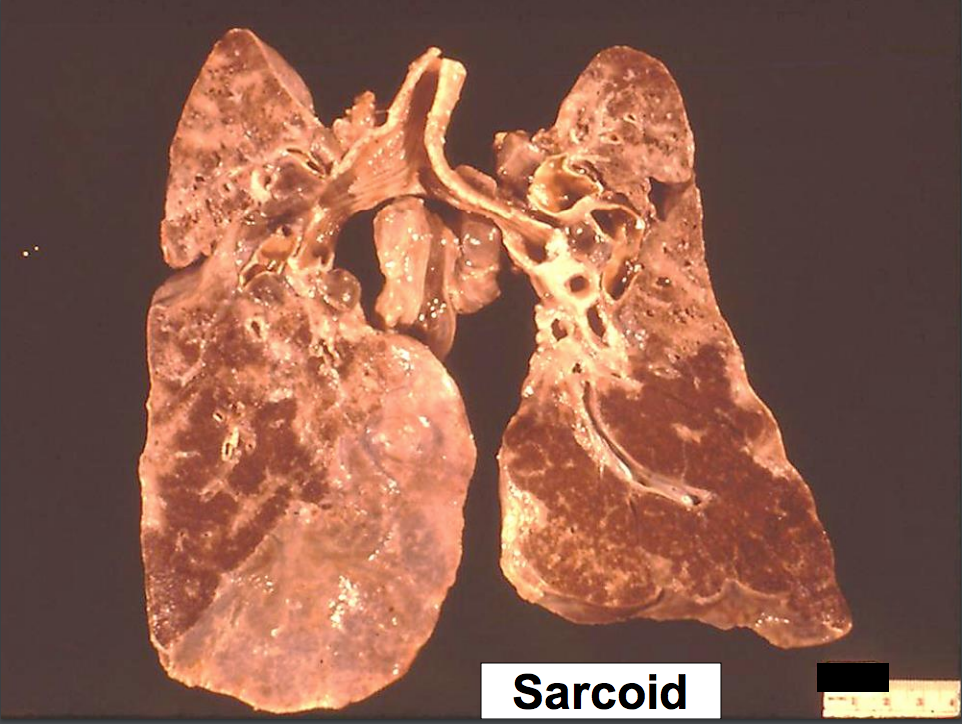
: Sarcoidosis is a multisystem granulomatous disease of unknown cause, characterized by granulomatous inflammation and fibrosis of affected organs; the lung is very commonly involved.
Characteristics of Sarcoidosis
- Worldwide disease with increased frequency in certain areas, and much more common in African-American individuals; rare among Chinese and Southeast Asians.
- Cause is unknown, although disordered immune regulation is probably involved.
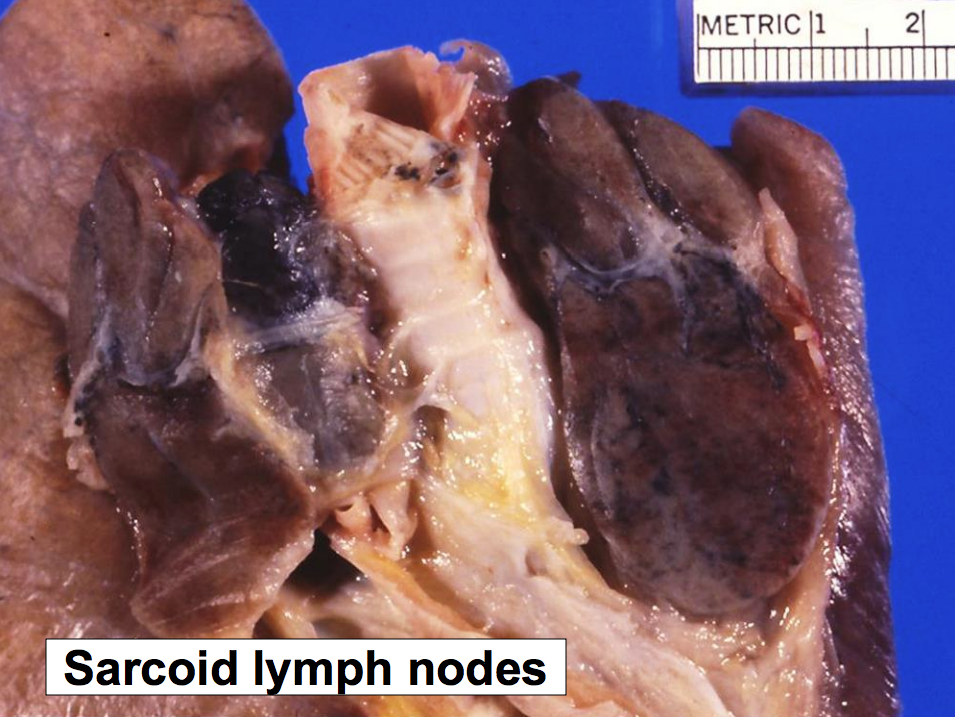
- Lung and usually hilar lymph nodes are involved in 90% of cases.
- Other organs with symptomatic involvement include spleen, liver, bone marrow, eye, skin, and brain.
- Typical histologic feature in lung – non-necrotizing granulomas distributed along lymphatic routes, often accompanied by dense fibrosis.
- Marked predominance of CD4+ helper T cells in lesions, which is reflected in bronchoalveolar lavage fluid.
Hypersensitivity Pneumonitis
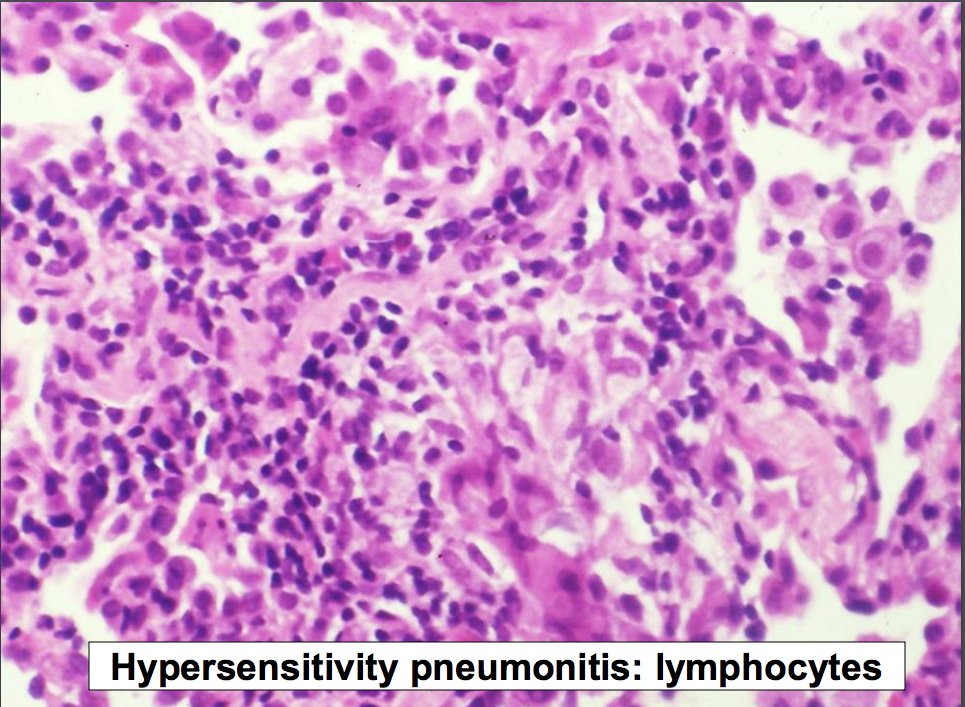
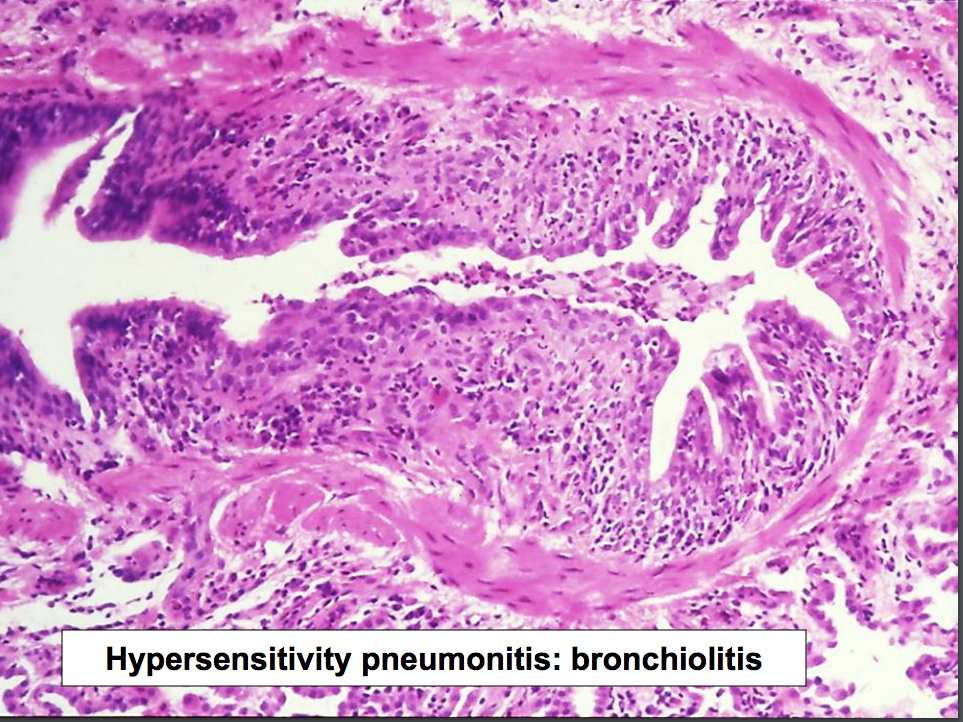
Hypersensitivity pneumonitis (HP) is the term used for a group of related acute to chronic interstitial lung diseases, caused by heightened sensitivity and an inappropriate inflammatory reaction to inhaled organic antigens. Specific diseases are named after their etiologies (e.g., bird-fancier’s lung from exposure to avian protein antigens). Initial lesions lack mature fibrosis and are reversible, but mature fibrosis with a pathologic UIP pattern can occur with repeated attacks.


-
Respiratory System: Structure and Function30
-
Mediastinum17
-
Thoracic Wall, Pleura and Lungs42
-
Gas Transport38
-
Ventilation and Diffusion21
-
Ventilation and Perfusion26
-
Pressure/Volume25
-
Respiratory System - Histology31
-
Body Cavities and Lung Development24
-
Respiratory Resistance and Airway Obstruction48
-
Mechanics of Breathing17
-
Pulmonary Circulation28
-
Venous Thromboembolism25
-
Control of Ventilation26
-
Cystic Fibrosis35
-
Sleep Apnea10
-
Clinical Concepts/Integration23
-
Acute Respiratory Failure I and II and Chronic Respiratory Failure34
-
PFT Lab10
-
Obstructive Lung Diseases12
-
Pediatric Lung Diseases39
-
COPD48
-
Diffuse Interstitial (Restrictive) Lung Diseases39
-
Pulmonary Hypertension23
-
Pleural Effusion33
-
Drugs20
-
Pulmonary Infections and Imaging48
-
Lung Tumors24
-
Pneumoconiosis28



