Heptobiliary system Flashcards

(73 cards)

1
Q

What are the 2 blood supply to the liver

A

Hepatic artery (25%)

Portal vein (75% of the supply) from stomach

2
Q

What is the outflow of the liver

A

Bile from common bile duct

3 Hepatic veins that drains into IVC

3
Q

How many functioning segment of the liver are there and what supplies and drains it

A

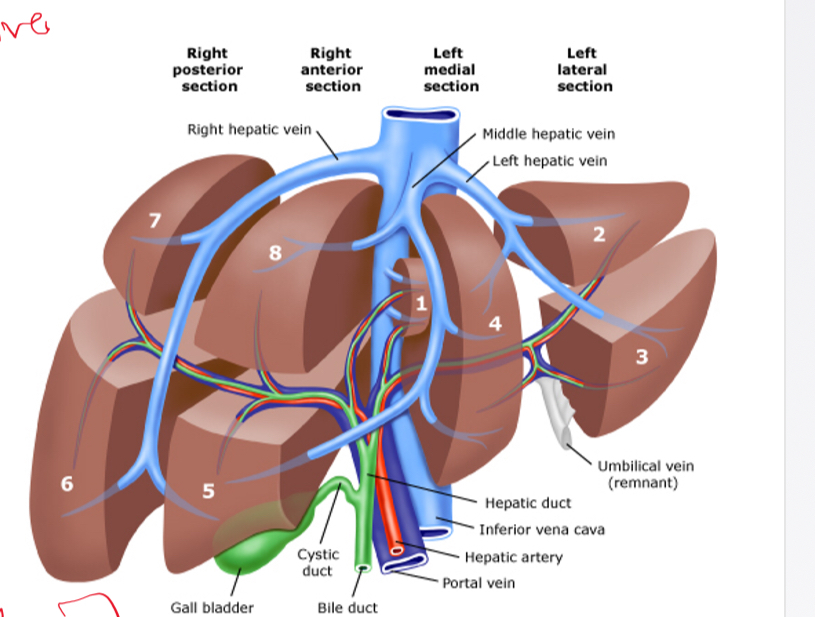
8

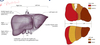
Segment I-IV supplied by left portal vein and drains by hepatic veins.

Caudate lobe is Segement I and found between IVC and portal vein . It is supplied by a branch from both portal veins and hepatic arteries

Segment V-VII; supplied by right main portal vein
4
Q

What is the clinical relevance of the different segments of the liver

A

Right posterior sectorectomy- removal of segment 6 and 7

Right anterior sectorectomy - removal of segment 5 and 8

5
Q

What is the morphological structure of the liver. Draw

A

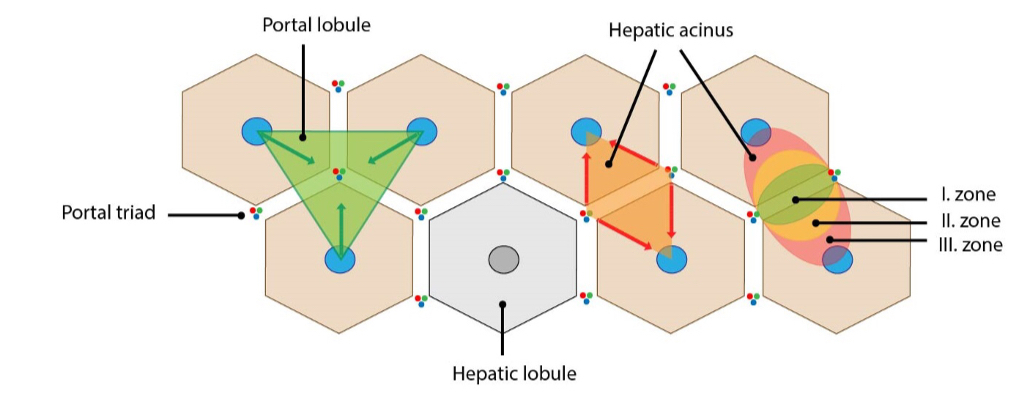
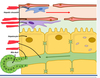
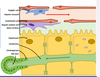
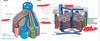
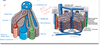
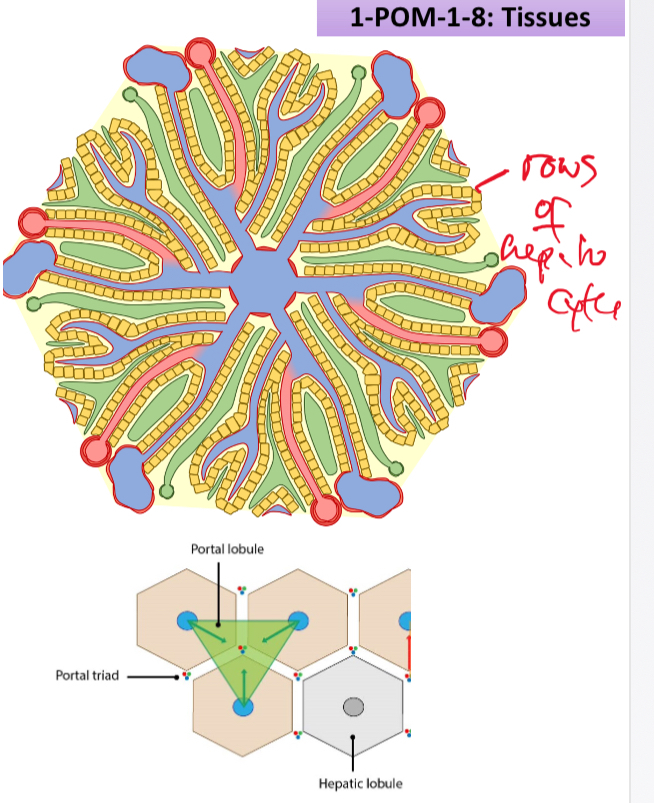
Contains lobules and Portal triads

6
Q

What are the micro structure relating to function of the liver

A

Acinus

blood flow

Bile flow

7
Q

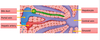
Describe the micro morphology of a Hepatic lobule

A
  • Hexagonal structural unit of liver tissue
  • Each corner consist of portal triad that links with 3 adjacent lobules
  • centre of lobule is central vein.
  • Within each lobule there a row of hepatocytes. Each row has a sinusoid facing side and bile canaliculi facing side
8
Q

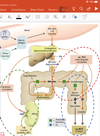
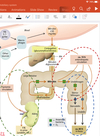
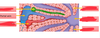
What is contained in the portal triad and what do each do

A

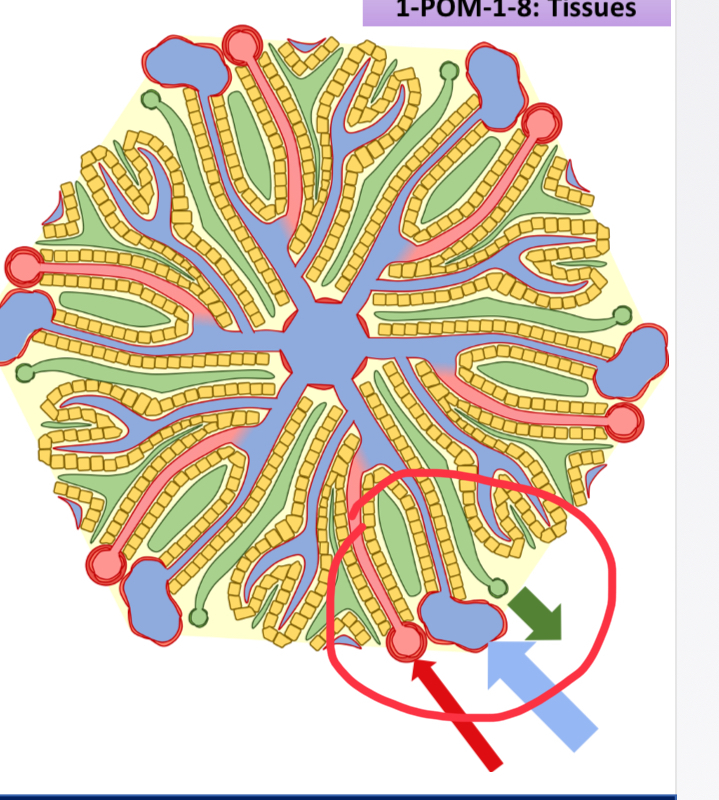
Branch of hepatic artery

  • Brings O2 rich blood into liver to support hepatocyte high energy demands

Branch of Portal vein

  • Brings mixed venous blood from GIT and spleen
  • hepatocytes process nutrients, detoxify blood and excrete waste

Bile duct

  • Bile produced by hepatocytes drains into bile canaliculi
  • Coalesce with cholangiocyte-lined bile ducts around lobule perimeter
9
Q

Where does the central vein in the lobule drain into

A

Hepatic veins which then drains into IVC

10
Q

What is the Hepatic acinus and what does it consist of?

A

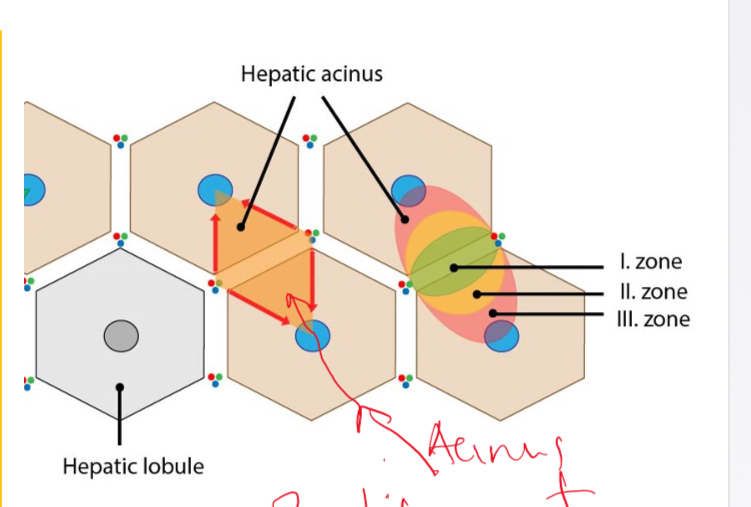
Functional unit of live

Consists of 2 adjacent 1/6th hepatic lobules

  • they share 2 portal triads and they extends into hepatic lobules as far central as possible
11
Q

Describe the 3 zone model of the hepatic acinus

A

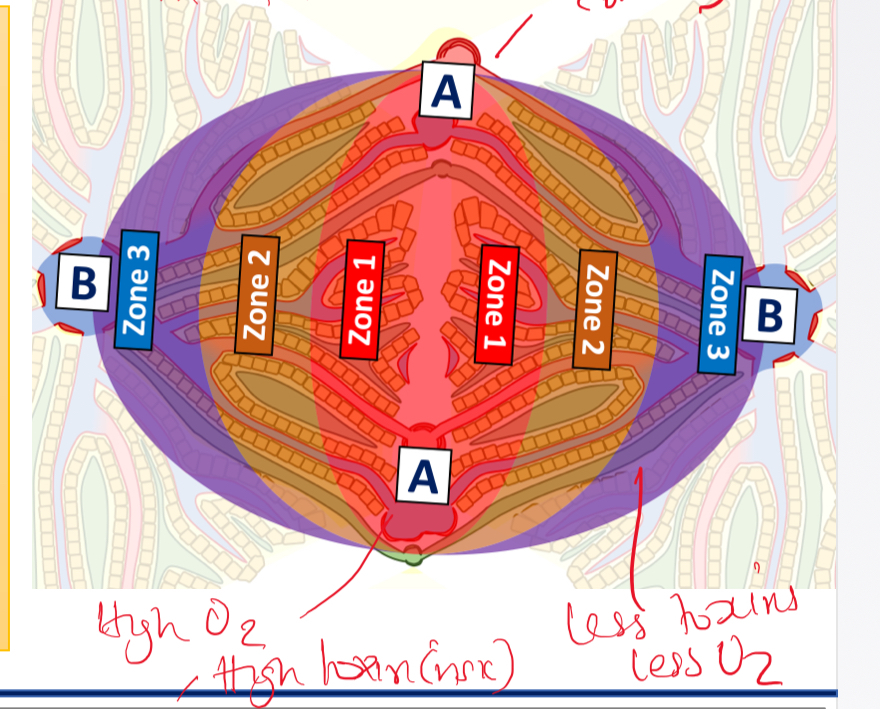
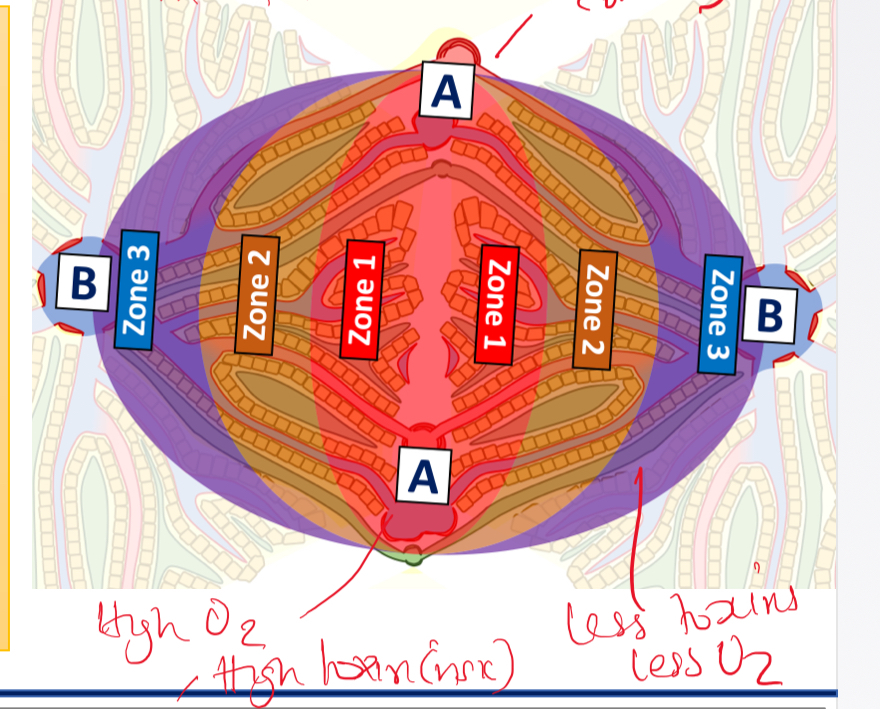
Blood enters acinus via point A (portal triad) and drains via point B (central vein)

Hence hepatocytes near outer hepatic lobule (come to point A) receive early exposure to blood contents like:

  • O2- good
  • Toxins- bad
12
Q

Descirbe the different zones and their relative amount of blood content . Link it to a specific clinical scenario

A

Zone 1 - high O2, High toxin

Zone 2- Medium O2, medium toxins

zobe 3- Low O2, low toxins

Hence during a trauma when there’s acute blood loss, zone 3 suffers the most
13
Q

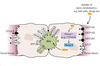
Descirbe the features and functions of a hepatic sinusoidal epithelial cell

A

No basement membrane

Fenestrated (discontinuous endothelium)

Allow lipids and large molecule movement to and from hepatocyte

14
Q

What are the features and functions of the Kuppfer cells

A

Sinusoidal macrophage cells

Attached to endothelial cells

Phagocytosis - eliminate and detoxify substances arriving in liver from portal circulation

15
Q

What are the features and functions of hepatic Stellate cells (Ito; perisinusoidal)

A

Exists in dormant state

Store Vit A in liver cytosolic droplets

They become Activated to fibroblasts in response to liver damage

They proliferate, chemotactic and deposit collagen in ECM

16
Q

What is the function of cholangiocyte

A

Secrete HCO3- and H2O INTO BILE

17
Q

Describe the features and functions of Hepatocyte

A

Cubical in shape and they are 80% of liver mass

They carry out:

  • Synthesis of albumin, clotting factors and bile salts
  • Drug metabolism
  • they recieve nutrients and building blocks from sinusoids
18
Q

What are 3 OVERARHCING functions of Hepatocyte

A

Metabolic and catabolic functions: synthesis and utilisation of carbohydrates, lipids and proteins.

Secretory and excretory functions: synthesis and secretion of proteins, bile and waste products.

Detoxification and immunological functions: breakdown of ingested pathogens and processing of drugs

19
Q

List the different carbohydrate and fat metabolisms carried out by the liver

A

Glycolysis , glycogenolysis, gluconeogenesis, lipolysis, lipogenesis and glycogenesis.

20
Q

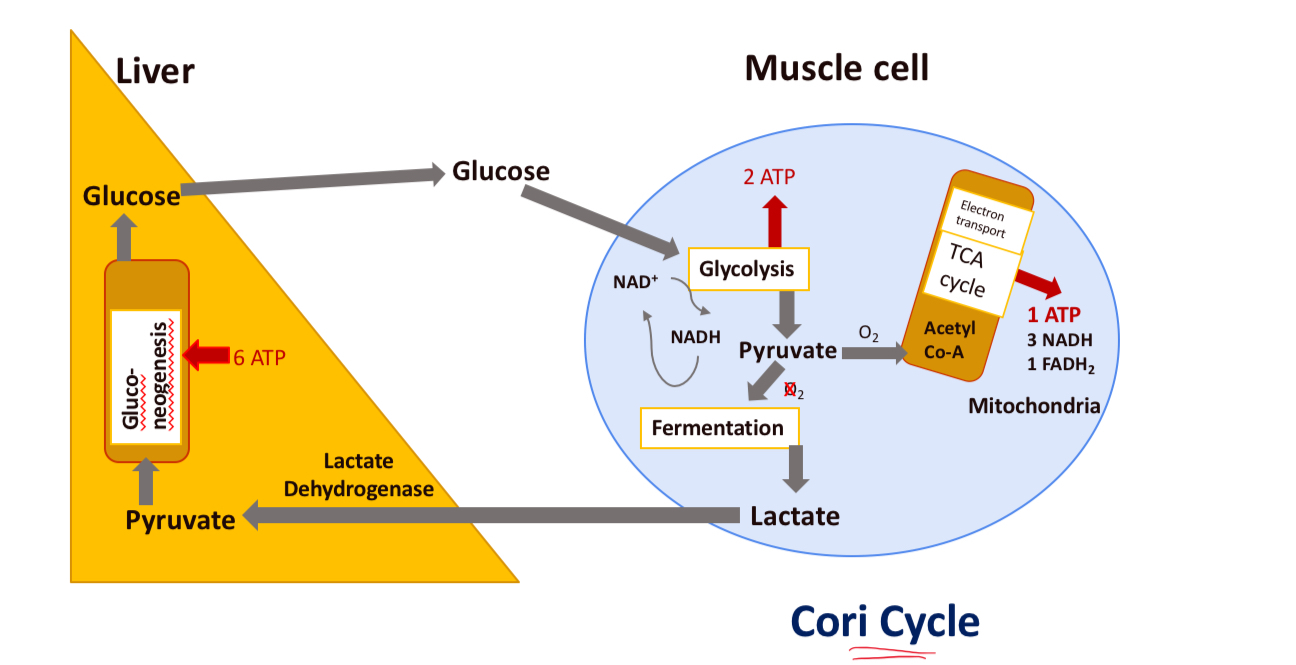
Describe the Cori cycle

DRAW IT OUT

A

Pyruvate converted to Lacate in muscle and it is transported to liver where it is converted back to pyruvate.

Pyruvate converted to glucose via gluconeogenesis and transported back to muscle
21
Q

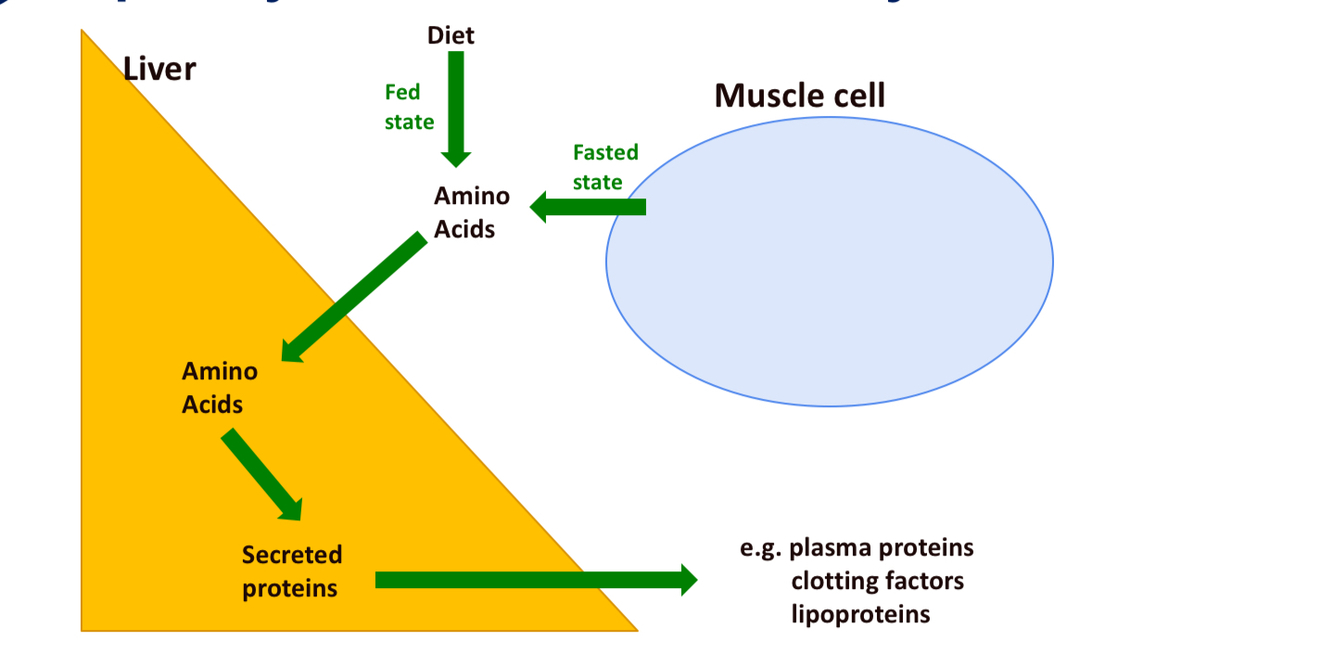
Draw out how the liver achieves Protein synthesis

A

Amino acids source- diet in fed state and muscles in fasting state
22
Q

How many essential and non essential amino acids do we have?

A

ESSENTIAL- 9; can only absorb from diet

Non essential - 11; synthesised in the liver

23
Q

What is the name of the process that the liver undertake to make non essential amino acids

A

Transamination

24
Q

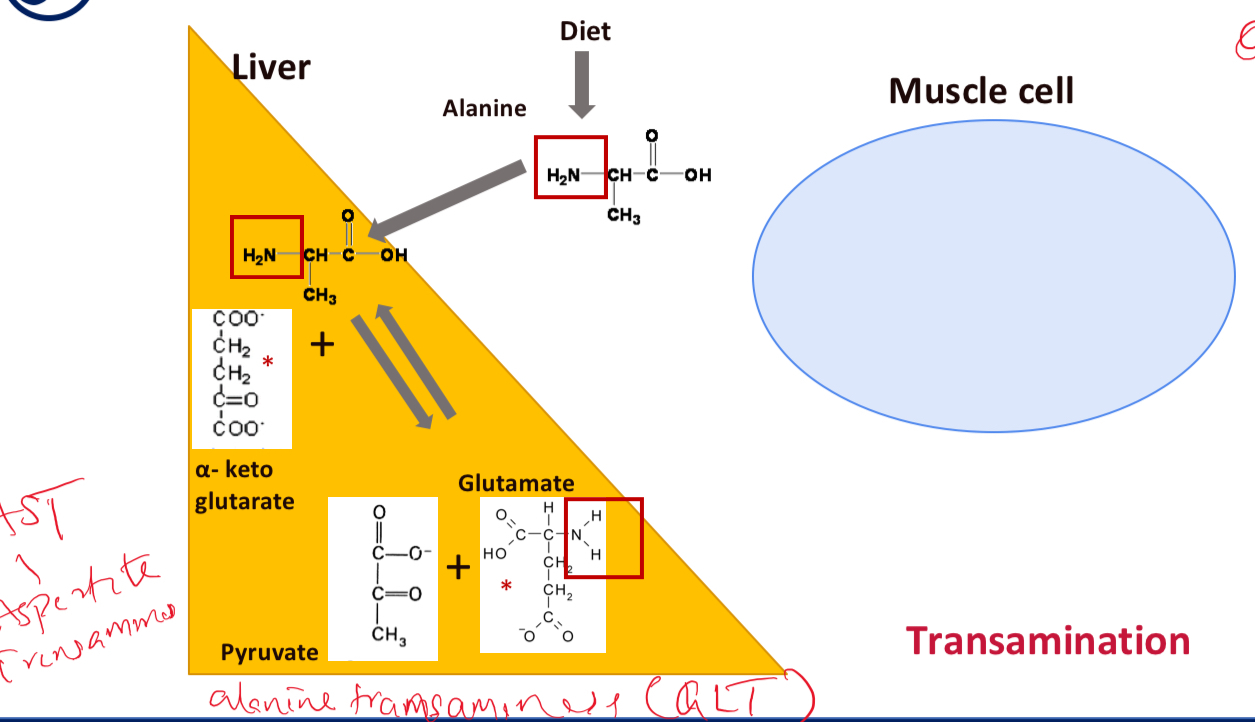
Draw out the process of transamination in the liver

what enzymes are vital

A

Aspartate transminase and Alanine trnasminase
25
What amino acids can be made from the following: a keto glutarate, Pyruvate and oxaloacetate
A keto glutarate- **glutamate, proline** and arginine Pyruvate to **alanine**, valine or leucine catalysed by **Alanine transaminase** Oxaloacetate to **aspartate**, methionine, lysine ; catalysed by ***Aspartate transaminase***
26
What is the problem of the Glucose-alanine cycle in the msucle ? whats the solution?
Muscle can utilise amino acids to produce glucose for energy however: * Converting pyruvate to glucose requires energy * Removing nitrogen to make urea requires energy Hence transfer problem to the liver
27
Describe the glucose alanine cycle- Deamination DRAW IT
Glutamate from AA breakdown binds with pyruvate (from glycolysis) to alanine Alanine and a-ketoglutarate undergo transamniation to make pyruvate and GLUTAMATE in the liver Pyruvate undergo gluconeogenesis to make glucose (uses 6 ATP) and glcuose transported back to muscle Giutamate loses Nh2 to make urea (uses 4 ATP) which is released into the blood
28
Describe the process of ketone body formation in Hepatocyte Draw it
29
Where is fat stored?
Adipose and liver
30
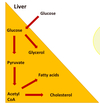
What 3 products of metabolism are essential for lipoprotein formation
Glycerol, Fatty acids Cholesterol
31
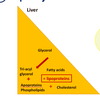
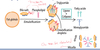
How is Lipoprotein made? Draw it
Glycerol converted to Tri-acyl glycerol Fatty acids, cholesterol, Tri-acyl glycerol and apoproteins phospholipids COMBINE to make lipoprotein
32
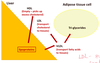
What are the different Lipoproteins secreted by the liver and what do they do
HDL- picks up excess cholesterol and carries it back to liver VLDL- transport Fatty acids to tissues. Also converted to LDL which transport cholesterol to tissues
33
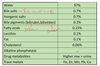
What does the Liver store and give significance for each
Fat soluble Vitmains like A, D, E, K, **Iron as ferritin** -This is for erythropoietin. Too much Fe leads to **Haemachromatosis** **Copper**- too much copper leads to **Wilson's disease** it stores sufficient for 6-12mont EXCEPT **vitamin K** as storage for Vitamin K is low. Vit K essential for blood clotting
34
Describe the phases and enzymes involved in the detoxification fucntion of the liver
P450 enzymes phase 1- modification; more hydrophilic Phase 2 (conjugation)- attaches water soluble side chain to make less reactive

35
What is contained in bile ? What determines the colour of the bile?
Bilirubin- make bile **Yellow** ## Footnote **BILIVIRDEN- makes it GREEN**
36
What are the uses of bile?
Cholesterol homeostasis Absorption of lipids and lipid soluble vitmains (A,D,E &K) Excretion of the following: * Xenobiotics/drugs * cholesterol metabolites * adrenocortical and other steroid hormones * alkaline phosphatase
37
How much bile is made each day
500mL
38
What's the percentage of bile that is made in primary secretion ? What makes it and whats the content
60% of TOTAL BILE made from Hepatocyte Primary secretion involves: * bile secretion reflect serum concentration * secretion of bile salts(acids), lipids and organic ions
39
What the total amount of bile made in secondary modification of bile? What cells does this
40% Made by cholangiocytes
40
Described what is involved in the secondary modification of bile by cholangiocytes
* Alteration of pH (alkaline electrolyte solution) * water drawn into bile by osmosis via paracellualr junctions * luminal glcuose and organic acids reabsorbed * IgA exocytosed * HCO3- and Cl- actively secreted into bile by CFTR (Cystic fibrosis transmembrane regulator)
41
What transporters are responsible for Bile excretion of Bile salts into bile and where can they be found
Biliary transporters found on apical surface of hepatocytes and cholangiocytes
42
Name the MAIN BILIARY transporters and what they do
* Bile salt Excretory pump (BSEP)- actively transport Bile acids into bile * MDR related proteins like MRP1 & MRP3 * Products of familial intraheptic cholestasis gene (F1C1) * Products of multi drug resistance gens like MDR1 & MDR3
43
Name the function of the following biliary transporters MDR 1 and MDR 3
MDR1- excretion of xenobiotics and cytotoxins MDR3- phospatidylcholine
44
What molecules are bile acids synthesised from and what does the liver conjugate the Na+ and K+ of these bile acids to
Synthesised from cholesterol Liver conjugates into glycine and taurine
45
What are the 2 primary bile acids syntheised in the liver
Cholic acids Chenodeoxycholic acid
46
What makes secondary bile acids and what are the made from? Finally what are the secondary bile acids
Made by **gut bacteria** Made from primary bile acids Cholic acid converted to **DEOXYCHOLIC ACID** Chenodeoxycholic acid to **LITHOCOLIC ACID**
47
Describe the structure of bile salts and how it leads to its function?
The steroid nucleus planar is Amphipathic The 1st surface (made up of hydroxyl and carboxy group) is **hydrophilic** (faces outwards) The **2nd surface** (nucleus and methyl )is **hydrophobic** and faces **inwards**. FFA and cholesterol are **inside** this helps to reduce surface tension of fats and hence help to emulsify fats prior to it's digestion and absorption
48
Draw out how bile perform it's function
49
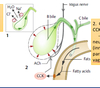
Describe how bile flow is regulated
Between meals, **Sphincter of Oddi** is closed and hence bile is diverted upwards into gall bladder via cystic duct Eating causes Sphincter of Oddi to relax Also gastric contents (like FFA, AAs, carbs) enter duodenum and causes ***CHOLECYSTOKININ*** to be released this causes gall bladder to contract
50
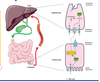
Describe the **enterohepatic circulation of bile**?
95% of bile absorbed from terminal ileum by Na+/bile salt co-transporter; this is coupled to Na+/K+ ATPase 5% converted to secondary bile acids in colon: * deoxycholic acid is reabsored * 99% LITHOCOLIC acid is excreted in stool absorbed bile salts goes back to liver and re-excreted in bile
51
What is the fucntion of the gall bladder?
Stores bile, acidify and concentrates it. Gall bladder contraction triggered by Cholescystokinin binding to CCKA receptors and neuronal plexus of GB wall (this is innervated by preganglionic Parasympathetic fibres of vagus nerves)
52
What is Bilirubin
Free Bilirubin (indirect/unconjugated) water insoluble yellow pigment
53
What are the sources of bilirubin?
* 75% of BR from **Haemoglobin** (red cell) break down * 22% from catabolism of other **haemoproteins like cytochromes** * 3% from **ineffective Bone marrow** erythropoeisis
54
How does free Bilirubin from blood become conjugated and get to biliary canaliculi? draw it if possible
Free BR binds to albumin in blood Most dissociates in liver and enters hepatocyte BR conjugated with 2 molecules of UDP- glucuronate to form **bilirubin diglucuronide (direct BR)** Secreted across concentration gradient into biliary canaliculi via cMOAT protein then enters GIT via common bile duct
55
How much Bilirubin is excreted into bile per day?
200-250mg
56
Describe the 3 possible fates of bilirubin once it enters bile
**85%- excreted as feaces** 15% enters **enterohepatic circulation** 1% enters systemic circulation and **excreted by kidneys**
57
Describe the pathway of the proportion of bilirubin that gets excreted as faeces in the intestines. List any clinical significance
BR converted to urobilinogen Urobilogen converted to stercobilinogen stercobilinogen converted to stercobilin (brown faces compound) N.B in obstructive jaundice, no bile gets into intestines hence no stercobilinogen made and hence faeces is white
58
Describe the pathway of the proportion of bilirubin that enters the enterohepatic circulation
BR deconjugated into lipophilic form, this goes back into kidneys to be excreted some converted to urobilinogen and then stercobilinogen
59
What are the different types of jaundice and give examples draw what could be the cause for each one
Prehepatic jaundice ; caused by too much haemolysis as seen in sickle cell anaemia Intrahepatic jaundice- liver not working properly for many reasons Post hepatic jaundice; maybe caused by gall stones or tumour
60
What are the different types of gall stones; link them to their respective locations. What can it lead to?
1. Cholecystitis- when Cystic duct is blocked 2. Choleithiasis- when there's gall stones in the gall bladder causing distensions 3. Cholangitis- gall stones in common bile duct 4. Pancreatis- gall stones in main pancreatic duct Galls stones lead to blockage which could lead to infections
61
What are the different surgical treatment for galls stones and link it to the location
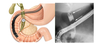
Endoscopic Retrograde Cholangiopancreatography (ERCP)- from bottom Percutanoeus Transhepatic Cholangiotheraphy (PTC)- from the top
62
Describe ECRP
Tube put into duodenum and injected into common bile duct. Liquid added for imaging
63
Describe PTC treatment
Tube put from superior side as in the diagram
64
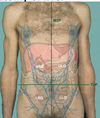
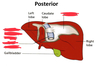
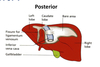
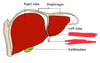
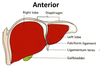
Where is the liver located in the abdominal cavity?
Upper right quadrant
65
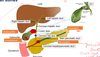
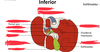
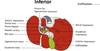
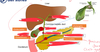
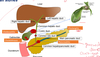
Label the diagram
66
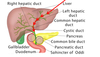
Label the following structure
67
Label the following structure
68
Label the structure
69
Label this structure
70
Label this structure
71
Label this structure
72
What can you tell me about this diagram
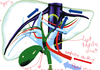
The black diaram is the hilum confluence. the middle hepatic vein enters left vein before entering IVC portal vein has left and right branches. The right branch is divided again into 2
73
What combines to make the Portal vein
Superior mesenteric vein , inferior mesenteric vein and splenic vein