You are seeing a toddler with varicella infection. She has had multiple lesions and mild pruritus, but was otherwise well for the first 3 days of illness. She now presents to the ED with fever of 40.0°C and extreme pain/tenderness of the leg even with light palpation.
- Infection of the deep layer of superficial fascia but spares epidermis
- Most common causes: GAS + S. Aureus but also Klebsiella/E.Coli/anaerobes
- Often polymicrobial (55-75% cases)
- Polymicrobial (Type I) infections are more common in older adults and people with comorbidities
- Aerobic and anerobic bacteria
- Anerobic (Clostridium, Peptostreptococcus, Bacteroides) + Enterobacteriacae (Klebsiella, E. coli, Enterobacter, Proteus) + facultative anaerobic
- Monomicrobial (Type II) infections occur in all age groups and can occur in individuals with no comorbidities
- Usually GAS
- Sometimes Staph aureus
- Aerobic and anerobic bacteria
- Risk factors:
- Trauma:
- Major penetrating trauma, minor laceration, blunt trauma
- Skin or mucosa breach:
- Varicella, insect bite, IVDU,
- Hemorrhoids, rectal fissures, episiotomy
- Recent surgery
- Immunosuppression (HIV, neutropenia, diabetes, cirrhosis)
- Malignancy
- Obesity
- Alcoholism
- Pregnancy, gynecologic procedures, pregnancy loss, childbirth
- Trauma:
- Symptoms/Signs
- Rapidly progressive (usually presents acutely over a course of hours)
- Pain out of proportion to exam findings
- More systemic signs (fever + tachycardia + toxic appearance)
- Crepitus (only if anaerobic bacteria)
- Diminished sensation to pain of overlying skin
- Edema extending past borders of erythema = severe pain > erythema > fever > crepitus > skin bullae, necrosis, ecchymosis
- Investigations
- Leukocytosis with left shift, elevated inflammatory markers, acidosis, elevated lactate, coagulopathy, elevated Cr, elevated CK, elevated AST, hyponatremia
- Blood cultures positive in about 60% of cases of Type I
- Imaging useful to determine whether necrotizing infection present but should NOT delay surgical intervention if there is crepitus on exam or rapid progression of findings
- Best initial modality = CT
- Most useful finding is air in soft tissues = usually Clostridium or Type II (polymicrobial infection) - highly specific for necrotizing infection and should prompt surgical referral
- Other findings: absence of heterogeneity of tissue enhancement with IV contrast, fluid collections, inflammatory changes beneath fascia
- MRI not has good for detection of gas, is also oversenstive
- Diagnosis
- Surgical exploration the ONLY way to establish diagnosis of necrotizing soft tissue infection
- Early debridement = better outcomes, improved survival
- Management
- Resuscitation
- Supportive care
- Hemodynamic support: fluids and vasopressors
- IVIG not supported by evidence
- Antibiotics:
- Empiric:
- A carbapenem (imipenem, ertapenem, meropenem) or beta lactam-beta lactamase inhibitor (pip tazo, ampicillin-sulbactam, ticarcillin-clav) +
- If hypersensitivity to these agents can use fluoroquinolone or gentamicin + flagyl
- Clindamycin (for antitoxin effects against toxin-producing GAS and Staph aureus +
- MRSA coverage (Vancomycin)
- A carbapenem (imipenem, ertapenem, meropenem) or beta lactam-beta lactamase inhibitor (pip tazo, ampicillin-sulbactam, ticarcillin-clav) +
- BCCH Empiric Antibiotic Guide: Pip-tazo + clinda + vanco
- Pen allergy: Ciproflox + clinda + vanco
- Fleisher’s: penicillin (more bactericidal) + clindamycin (for anaerobes) + vancomycin (for MRSA)
- Nelson’s: pip-tazo + vancomycin +/- flagyl or ceftriaxone
- Empiric:
- Emergent plastics consult for surgical exploration and debridement
- Outcomes
- Type I 21% mortality
- Type II up to 34% mortality
- Factors associated with increased mortality:
- Delay in surgical debridement over 24 hours
- Group A Streptoccal toxic shock syndrome
- Clostridium infection
- WBC > 30 with > 10% bands
- Cr > 177
- Infection involving head, neck, thorax, abdomen
Fleisher’s Chapter 102 - Infectious Disease Emergencies Section on skin & soft tissue infections
Nelson’s chapter 665.2
Up To Date Necrotizing soft tissue infections
BC Children’s Hospital Empiric Antimicrobial Guide 2017
List 5 clinical features that help you distinguish neonatal mastitis from hormone-stimulated breast bud in a neonate.
- Usually presents in 1st 3 weeks of life
- Term > Preterm
- Females > Males
- Etiology
- Most common: GBS and Staphylococcus aureus
- Also: GAS, E. coli, Salmonella, anaerobes
- Presentation:
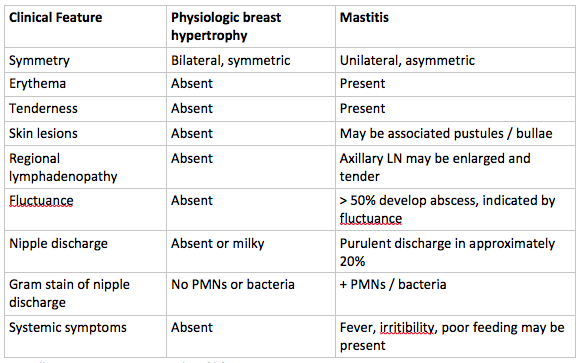
- Unilateral painful area of erythema and induration of breast bud
- Fever may be absent even if bacteremic
- Investigations:
- BCx usually negative
- Culture of purulent drainage usually positive
- Management:
- Analgesia
- Supportive care: warm compresses, discourage parents from palpating and expressing discharge from nipple
- Route: < 2 months IV because of likelihood of progressing to abscess
- Older infants, well-appearing: Keflex, clinda, clox, TMPSMX (but not active against GAS)
- Nafcillin (GBS and GAS)
- Gentamicin
- Vancomycin if child lives in high MRSA prevalence area (Neslon’s: neonates should be treated with parenteral antibiotics for MRSA owing to potential for breast abscess)
- Incision and drainage for fluctuant areas (by trained personnel e.g. breast surgeon)
- Complications:
- Damage to developing breast bud from infection itself, or from I&D
- DDx:
- Physiologic breast hypertrophy
- Hemangioma
- Lymphangioma (cystic hygroma)
Up To Date Mastitis and breast abscess in infants younger than two months
Up To Date Mastitis and breast abscess in children and adolescents
Fleisher’s 7th Ed Ch 102 Infectious Disease Emergencies
Nelson’s 20th Ed Ch 551 Breast Concerns
You are seeing a child with a dog bite to the face. The child was petting an unknown dog which turned and bit her and then ran away. The dog has not been captured or located. Plastic surgery has come and closed the wound.
Would you give antibiotics now and if so which one?
What advice do you have for the mom regarding tetanus prophylaxis?
What about rabies risk and prevention?
Name 2 Canadian reservoirs
What is the management?
- Would you give antibiotics now and if so which one?
- Yes - amoxicillin clavulanate x 3-5 days
- What advice do you have for the mom regarding tetanus prophylaxis?
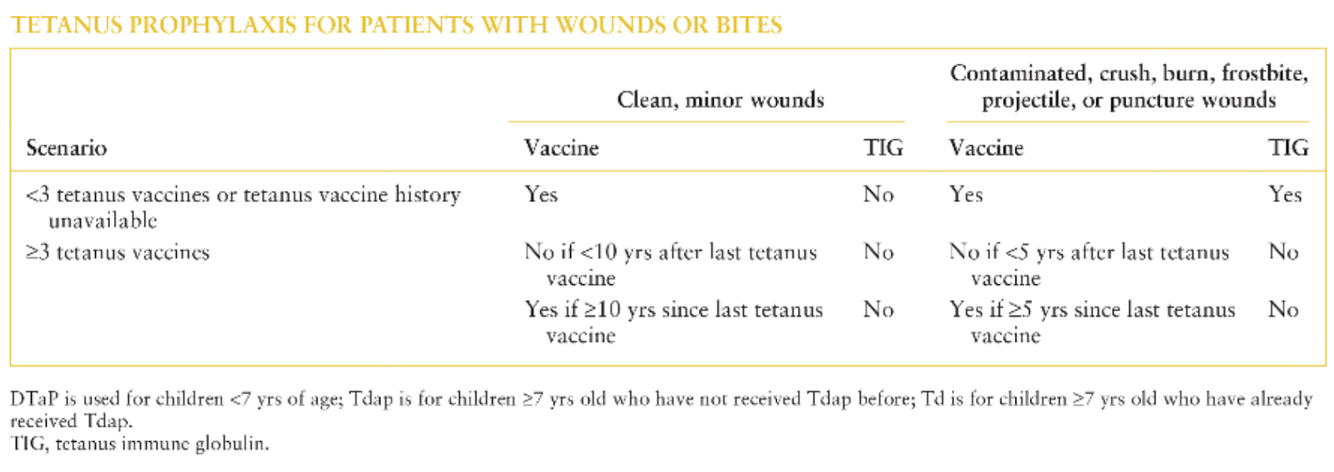
- “Dirty” wound given the crush associated with dog bites and puncture possibility.
- No tetanus if has received primary series and is within 5 years of last vaccine
- Yes to Tdap or DTap if greater than 5 years since last vaccine
- Yes to DTap or TDap + TIG if unknown or not complete primary series
- What about rabies risk and prevention?
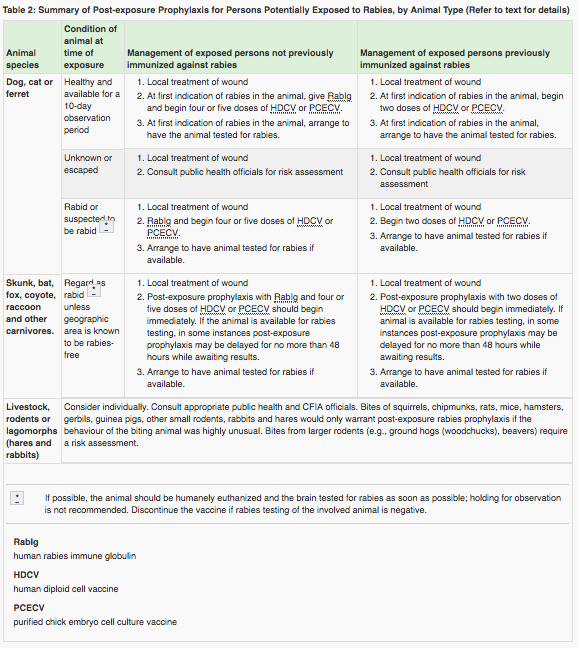
- Discuss with public health re: rabies PEP
- If possible, confine and observe x 10 days
- Risk assessment includes:
- Age of patient
- Species of animal (prevalence of rabies in that species as well as prevalence of rabies in other animals in same area)
- Vaccination status and behavior of domestic animal
- Type of exposure (bite, non-bite, direct contact with bat
- Circumstances surrounding bite (provoked or unprovoked)
- Severity and location of injury (size and number of bites)
- Domestic animals who are well should be confined for 10 days for observation, regardless of immunization status.
- If well at end of 10 day period, would not have had rabies virus in saliva at time of incident
- If becomes unwell, PEP should immediately be given and animal should be humanely euthanized, head submitted for rabies testing
- Rabies PEP:
- RIG 20 IU/kg - as much as possible infiltrated into the wound and the rest IM; as well as
- Rabies vaccine on days 0, 3, 7, 14 in deltoid opposite to that used for RIG administration (5th dose on day 28 in those who have not previously been immunized, immunocompromised, or are taking antimalarial drugs).
- Name 2 Canadian reservoirs.
- Reported animal rabies cases: skunks > bats > racoons > foxes > dogs (4%) > cats (2%)
- Bats most common in BC
- Rabies in woodchucks and beavers is rare in Canada
- What is the management?
- Management of Bite:
- Anaesthetize area
- Aggressive irrigation
- Debride devitalized tissue
- Explore wound for injury to underlying structures, foreign body
- Suture, avoiding subcutaneous sutures
- Assess tetanus immunization status
- Assess rabies risk
- Provide first dose of prophylactic antibiotics, continue for 5 days
- Follow up with PCP for signs of infection
- Many dog bites cause crush injury with infection-prone devitalized tissue
- Feline bite = puncture - deep and difficult to cleanse = high infectious rate
- Penetration into tendons, blood vessels, facial compartments, bones = increased infection risk
- Most common microbiological organisms isolated from cat and dog bites = Pasteurella spp and Staph aureus
- Common microbiological organisms associated with bite wounds:
- Dog bites: Staph aureus, streptococci, Pasteurella canis
- Cat bites: Pasteurella multocida, Staph aureas, streptococci
- Human bites: Streptococcus viridans, Staph aureus, anaerobes, Eikenella corodens
- Common microbiological organisms associated with bite wounds:
- Pasteurella multocida characteristically present within 12 to 24 hours with rapid swelling, erythema, intense pain
- Other organisms present 24 to 72 hours after the injury (occasional exception is viridans streptococcal infections, which can present like P. multocida)
- High risk for infection:
- Immunocompromised
- Human or cat bites
- Bites to hands/feet
- Bites that have occurred > 12 hours ago
- Puncture wounds
- Investigations:
- Wound swabs of uninfected wounds are NOT helpful
- Plain films:
- Rule out bony involvement, joint disruption, evidence of FB like embedded teeth
- CT head: deep lacerations to the head, including puncture wounds, especially in children < 2 years
- Management:
- Appropriate local anesthesia - facilitated appropriate wound cleansing
- Meticulous and prompt local care
- Forceful irrigation with minimum of 200 mL NS (19 gauge needle attached to 30 CC syringe) - decreases infection by 20 fold
- Stronger antiseptics damage wound surface and delay healing
- Debride devitalized tissue to remove nidus of infection
- Explore wound for FB/injury to underlying structures
- Puncture wounds: avoid high pressure irrigation and “coring”
- Suturing
- Do not suture lacerations at high risk of infection (see above)
- Exception: cat or human bites on the face
- Sutured lacerations must be:
- Clinically uninfected
- NOT on hand/foot
- Less than 12 hours old (24 hours on the face)
- Avoid subcutaneous sutures or use sparingly
- Do not suture lacerations at high risk of infection (see above)
- Wounds left open: irrigate copiously, dress, leave open to drain, F/U daily
- Prophylactic antibiotics
- Amox clav - first dose in ED then continue for 3 to 5 days
- Pen allergic: Clindamycin + TMP SMX or Keflex
- Indications:
- Cat and human bites through dermis
- Patient with increased risk of infection
- Bites to hands/feet
- Potential damage to bones, joints, tendons
- Injury over 8 hours ago with significant crush/edema
- Wounds requiring closure
- Hospital admission + IV ABX indications:
- Risk of poor functional/cosmetic outcome
- Systemic symptoms
- Surgical consultation indications:
- Complex lacerations of the face
- Injury to bones, tendons, joints, or other major structures
- Neurovascular compromise
- Associated bone/joint infection
- Tetanus - ensure up to date immunization status
- Assess risk for rabies
Fleisher’s Chapter 98 Environmental Emergencies
Fleisher’s Chapter 102 Infectious Disease Emergencies
Up To Date Clinical manifestations and initial management of animal and human bites
Canadian Immunization Guide Part 4 - Active Vaccines https://www.canada.ca/en/public-health/services/publications/healthy-living/canadian-immunization-guide-part-4-active-vaccines/page-18-rabies-vaccine.html
What is the most probable cause of an infection arising from an animal bite that develops in less than 24 hours? More than 48 hours?
- Less than 24 hours:
- Pasteurella spp
- More than 48 hours:
- Staph aureus
- Most common microbiological organisms isolated from cat and dog bites = Pasteurella spp and Staph aureus
- Common microbiological organisms associated with bite wounds:
- Dog bites: Staph aureus, streptococci, Pasteurella canis
- Cat bites: Pasteurella multocida, Staph aureas, streptococci
- Human bites: Streptococcus viridans, Staph aureus, anaerobes, Eikenella corodens
- Time to first signs and symptoms of infection is shorter in dog bites than in cat bites.
- Pasteurella multocida more often from cat bites
- Pasteurella species are isolated in 50% of dog bite wounds and 75% of cat bite wounds
- P. multocida infection characteristically develops very rapidly with intense inflammatory response. Most patients develop symptoms within 24 hours, and as early as within 3 hours after cat bite.
- Capnocytophaga canomorsus infection occurs most commonly in immunocompromised hosts after dog bites or after dog licks an open wound
- Delay between dog bite and clinical presentation ranges between 1 to 30 days, with an average of 5 to 6 days
- Management (See BCCH Empiric Antiobiotic Guide 2017)
- For mild infections: empiric PO antibiotics
- Amoxicillin clavulanate
- Pen allergic: TMP-SMX + clinda
- For severe infections: empiric IV antibiotics
- Pip-tazo
- Pen allergic: TMP-SMX + clinda
- If clinical worsening or no improvement on PO antibiotics, switch to IV, surgical consultation for debridement
- For mild infections: empiric PO antibiotics
Fleisher’s 7th Ed Ch 102 Infectious Disease Emergencies
Up To Date Clinical manifestations and initial management of animal and human bites
Up To Date Capnocytophaga
Up To Date Pasteurella infections
BCCH Empiric Antibiotic Guide 2017 https://physicians.northernhealth.ca/Portals/8/AntimicrobialStewardship/BCCH-Empirical-Antimicrobial-Guide.pdf
Tetanus
- Causative agent:
- Clostridium tetani -> produces neurotoxin TETANOSPASMIN
- Second most poisonous substance known!!!! (after botulinum toxin) = toxic in very small doses
- Gram positive, spore forming, obligate anaerobe
- Lives in soil/dust + alimentary tract of certain animals
- Clostridium tetani -> produces neurotoxin TETANOSPASMIN
- Clinical presentation:
- Majority of cases in unimmunized children
- Incubation period 2-14 days
- Progressive during 1st week, then stable week 2, progressive improvement week 3-4 if not dead
- Generalized vs Localized
- Generalized:
- presenting symptom = trismus (or “lockjaw”)
- Irritability, headache, restlessness
- Stiffness, difficulty chewing, dysphagia, muscle spasms
- Risus sardonicus (sardonic smile of tetanus)
- Opisthotonos: Arched posture/extreme hyperextension
- Laryngeal + respiratory muscle contraction = asphyxiation
- Patients remain conscious + in pain
- Fever
- Localized:
- Similar but only involving muscles near the wound
- Generalized:
- Pathophysiology:
- Bacteria produces spores > Spores produce tetanus toxin > Toxin is released after bacterial cell death + lysis > Tetanus toxin bind at the neuromuscular junction by endocytosis > retrograde axonal transport to cytoplasm of alpha-motoneuron (in spinal cord) > exits the motoneuron and transfers to spinal inhibitory neurons where it prevents the release of neurotransmitters
- Therefore, tetanus blocks the normal inhibition of antagonistic muscles on which voluntary coordinated movement depends and cause sustained maximal contraction of the affected muscles
Nelson’s Chapter 211: Tetanus
Other quick facts tetanus:
- Treatment:
- Wound debridement
- TIG (does not work after toxin begins migration)
- Penicillin G or Flagyl to eradicate clostridium
- Muscle relaxants: benzodiazepines, MgSO4, dantrolene, baclofen, chlorpromazine
- Muscle paralysis with neuromuscular blocking agents: rocuronium or vecuronium
- Supportive care: sedation + low stimuli, intubation, +/- tracheostomy
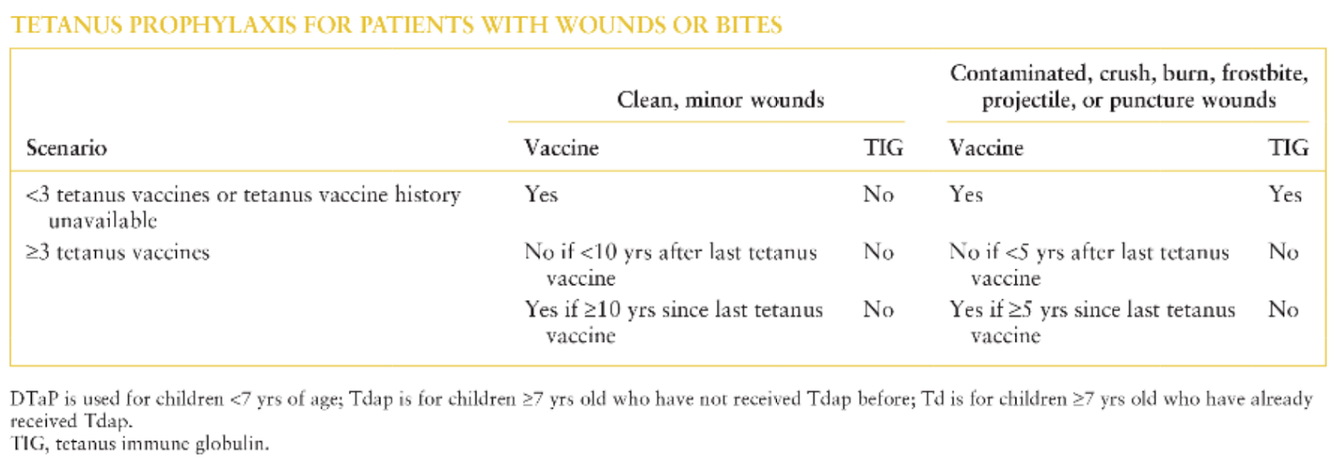
A 10yr old boy with HIV comes in with a laceration from a fall at his grandfather’s farm. Last tetanus shot was more than 5 years ago. What do you do about tetanus prophylaxis?
Tetanus vaccine + TIG
Persons with HIV infection or severe immunodeficiency with contaminated wounds should receive vaccine + TIG regardless of their history of tetanus vaccination.
Up To Date Tetanus
2 year old with a inability to weight bear. He is febrile and you suspect a septic knee.
How did he get this?
List 5 organisms that MOST commonly cause this.
List 4 laboratory tests you want to do.
+4 complications
Septic Joint:
- Hematogenous spread accounts for most cases
Symptoms/signs
- Fever may be present
- Less likely in neonates and immunocompromised
- Position of comfort
- Hip: flexion, abduction, external rotation
- Knee: flexion
- Joints more superficial: erythema, swelling, palpable effusion, warmth
- Pain with ROM: if child allows physician to put joint through ROM
- Pseudoparalysis of limb in neonates, tenderness with ROM
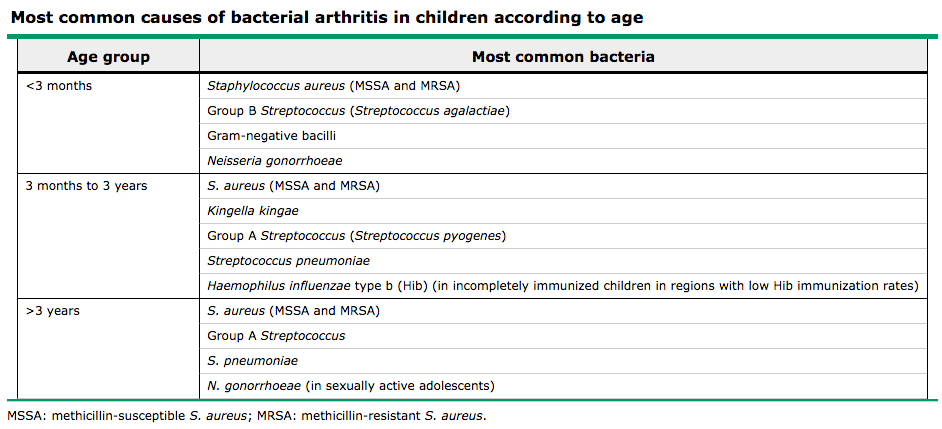
5 Organisms:
- S. aureus (by far the most common)
- GAS
- S. pneumoniae
- Kingella kingae
- Neisseria gonorrhea in sexually active adolescents
- H. influenza (for incompletely immunized in low immunization rate region)
- Salmonella in those with hemoglobinopathies
- Brucella - associated with unpasteurized milk products and predilection to SI joint
- GBS, N. gonorrhea, Candida spp, gram negative bacilli in neonates
4 Lab tests:
- CBC
- Inflammatory markers (ESR/CRP)
- If ESR < 20 and CRP < 20, septic arthritis very unlikely
- Blood culture (positive in approximately 40%)
- Joint aspirate for gram stain, culture, cell count, chemistry (positive in approximately 50%)
- WCC often > 50 with predominance of PMNs
- Ideally, perform blood culture and synovial fluid culture prior to administration of antibiotics
Kocher criteria for septic arthritis of the hip: not weight bearing, ESR > 40, WCC > 12, fever. When all present PPV of 99%. NPV is not as good.
Imaging:
- MRI: evaluate for contiguous osteomyelitis
- X-ray: joint space widening, findings of adjacent osteomyelitis, soft tissue swelling. In the hip, capsular swelling and loss of gluteal fat planes
Management:
- Emergent orthopedic consultation for joint aspiration (both therapeutic and diagnostic)
- Hip is the most urgent - compromised vascular flow can lead to necrosis of femoral capitus
- Empiric antibiotics
- Staphylococcal coverage in all age groups
- BCCH Empiric Antibiotic Guide 2017: Ancef or Vancomycin
- Expand if gram stain is anything but gram positive cocci in clusters
- Neonates: add ampicillin and 3rd gen cephalosporin for GBS and more gram negative rod coverage
- Staphylococcal coverage in all age groups
- Some evidence that short course of steroids shortens duration of acute symptoms, improves residual function
4 Complications:
- Acute: osteomyelitis (especially in first year of life), bacteremia, sepsis, osteonecrosis
- Chronic: Growth arrest, joint destruction, chondrolysis, avascular necrosis, joint laxity, subluxation, dislocation, joint restriction, limb-length discrepancy, enlargement of the femoral head, pathologic fractures
- Prognostic factors:
- Duration of symptoms before treatment, particularly if > 4 to 7 days
- Involvement of the hip
- Involvement of hip/shoulder with concomitant osteomyelitis
- Age < 1 year
- Staph aureus or enterobacteriaciae
Fleisher’s 7th Ed Chapter 102 Infectious Disease Emergencies
Pediatric Emergency Medicine Secrets Chapter 47 Orthopedic Emergencies
Up To Date Bacterial arthritis: Treatment and outcome in infants and children
Up To Date Bacterial arthritis: Epidemiology, pathogenesis, and microbiology in infants and children
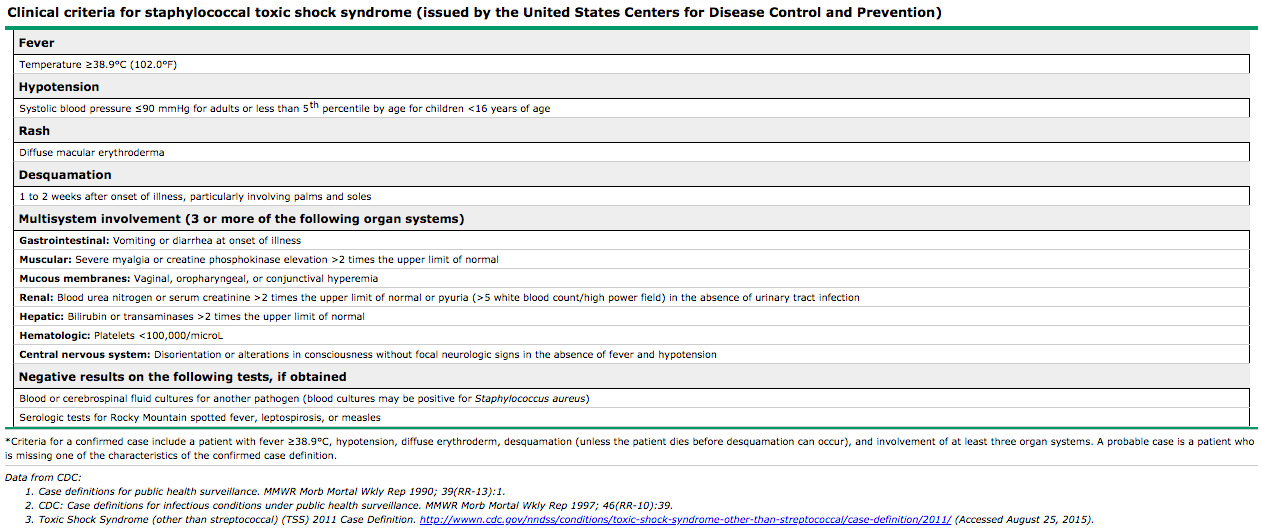
List the risk factors associated with the development of toxic shock syndrome in a 14 yo female who uses tampons. List the signs & symptoms.
- Approximately half of staphylococcal TSS are menstrual related, associated with tampon use
- Women who develop TSS are more likely to have:
- Used high absorbancy tampons
- Kept one tampon in for a longer duration of time
- Used tampons continuously for more days of their cycle
- Non-menstrual TSS has been associated with:
- Sinusitis
- Septorhinoplasty
- Surgical and post-partum wound infections
- Mastitis
- Osteomyelitis
- Arthritis
- Cutaneous and subcutaneous lesions (especially of the axillae, perianal, and extremities)
- Respiratory infections following influenza
- Toxic shock syndrome toxin-1 (TSST-1) is the exotoxin produced by 90 to 100% of S. aureus strains and up to 60% of non-menstrual cases
- Criteria are established for epidemiological surveillance and should not be used to exclude a case that is highly suspicious for TSS, even if all criteria are not met
- Clinical Manifestations
- Fever
- Rash
- Diffuse erythroderma that involves skin and mucus membranes, diffuse red, macular rash - resembles sunburn
- Involves palms and soles
- More severe cases: ulcerations of mucus membranes, petechiae, vesicles, bullae develop
- Non-pitting edema
- Late-onset: maculopapular pruritic rash 1-2 weeks after onset, desquamation of palms/soles 1-3 weeks after onset
- Hypotension
- Additional signs and symptoms:
- Can affect any organ systems
- Chills, fatigue, myalgias, weakness, sore throat, malaise, headache, nausea/vomiting/profuse diarrhea, abdominal pain, orthostatic dizziness/fainting
- Encephalopathy - disorientation, confusion, seizure activity probably due to cerebral edema
- Pulmonary edema and pleural effusions
- Depression of myocardial function
- Hepatic dysfunction
- Hematologic abnormalities (anemia and thrombocytopenia)
- Rapid onset and progression of symptoms
- Two to three days after onset of menstruation in menstrual cases
- Two days from surgery in post-surgical cases
- Investigations
- Isolation of S aureus is NOT required for diagnosis of staphylococcal TSS
- S aureus is isolated from wound and mucosal sites in 80 to 90% of patients with TSS and from blood cultures in 5%
- Culture vaginal canal (menstrual cases) and infectious foci (non menstrual cases)
- Leukocytosis may not be present, but usually predominance of neutrophils with left shift
- Thrombocytopenia and anemia during first few days
- Prolonged PT and PTT, DIC may be present
- Elevated BUN and Cr
- Elevated liver function tests
- Elevated CK
- Most lab tests return to normal 7 to 10 days after disease
- Management
- Supportive
- Extensive fluid replacement (some require up to 10 to 20 L per day in adults)
- Vasopressors may also be required
- Menstrual cases may resolve with supportive care alone
- Surgical exploration/drainage
- Surgical wounds may not look infected because of decreased inflammatory response but should be explored anyways, debrided if necessary
- Look for and remove foreign bodies:
- Tampons, contraceptive sponges
- Patients with menstrual related TSS should not resume using tampons
- Empiric antibiotics
- Clindamycin PLUS vancomycin
- MSSA: clindamycin PLUS oxacillin/nafcillin
- MRSA: clindamycin PLUS vanco or linezolid
- Eradication of staph colonization
- If culture positive from nares - mupirocin (no data to support this practice)
- Other therapies:
- IVIG for cases resistant to antibiotics and fluids/vasopressors
- Corticosteroids - limited data, Up To Date - not recommended
- Supportive
- Prognosis
- Mortality in children 3 to 5%
Up To Date Staphylococcal toxic shock syndrome
A toddler presents with a cough and fever. You suspect a loculated pleural effusion. What is the best test to confirm this? List 4 organisms that commonly cause pleural effusions.
- Ultrasound
- 4 organisms:
- Streptococcus pneumoniae (most common)
- Staph aureus
- Less common bacteria: GAS, Hib in unimmunized children and low prevalence of Hib vaccination
- Viral pneumonias (10% form parapneumonic effusions)
- Mycoplasma pneumonia (20% form parapneumonic effusions, typically small and rarely require intervention)
- Pulmonary tuberculosis
- Coccidiomycosis
What is an empyema? Define its three stages.
- Intrapleural pus or a moderate to large exudative parapneumonic effusion (stage 1)
- Stage 2 = Effusion becomes loculated
- Stage 3 = Forms fibrinous peel
What are other complications of pneumonia?
- Necrotizing pneumonia
- Abscess formation
What are the pathogens?
- Strep pneumo most common
- GAS
- Staphylococcus aureus. MRSA emerging as a significant pathogen.
- Increasing rates of complicated pneumonia with the emergence of non-vaccine serotypes following introduction of PCV
What imaging should you get?
- CXR should always be first line
- US offers non-invasive, no radiation exposure way of confirming a suspected effusion, estimating size, and determining if there are loculations
- CT - significant radiation exposure, usually does not change management
- Get CT if considering alternate diagnosis including malignancy
What investigations should you send?
- When clinically indicated, empyema drainage should be sent for culture - usually yield is low because child has already been on antibiotics for some days. PCR is better.
- Send blood culture for children unwell enough to need hospital admission
- Sputum culture if cooperative child
What antibiotics will you start?
- One proposed empiric antibiotic regimen is a third generation cephalosporin. Some experts will add clindamycin to add coverage for anaerobes and MRSA.
- Vancomycin is added in place of clindamycin for culture proven MRSA or severe pneumonia suggestive of MRSA.
- 3 to 4 weeks of antibiotics is reasonable if drainage is complete and no additional complications
- Switch to oral antibiotics when drainage complete, clinically improved, off O2
- Common PO option amox-clav
- Not uncommon that child will continue to spike fevers for 72 hours
- If otherwise improving, not an indication of treatment failure
When should you consider drainage? What is the best way?
- Early drainage is usually indicated when patient has moderate to severe respiratory distress as fluid can fill the hemithorax and produce mediastinal shift
- Early consultation with surgeon or IR recommended
- Video-assisted thorascopic surgery, early thoracotomy, and insertion of a small-bore percutaneous chest tube with instillation of fibrinolytic seem to have best outcomes as measured by hospital length of stay.
What is the prognosis?
- Complete recovery of lung function and normalization of CXR expected in majority of children
- Some children can have minor abnormalities in PFTs with combination of obstructive and restrictive pattern although have normal exercise tolerance.
- Should be followed up with repeat CXR in two to three months.
CPS Pediatric complicated pneumonia: Diagnosis and management of empyema. Jan 20 2015.
Up To Date Epidemiology; clinical presentation; and evaluation of parapneumonic effusion and empyema in children
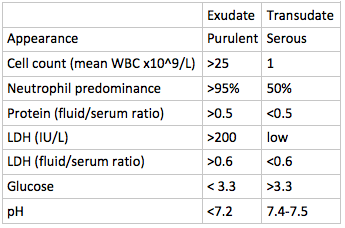
Differentiate between exudative vs transudative pleural effusion.
Differential diagnosis of exudative vs transudative pleural effusion.
- Exudative:
- Infection
- Neoplasm
- Status post lung/liver/BM transplant
- Autoimmune disease
- Collagen vascular disease
- Intraabdominal abscess
- Hemothorax
- Chylothorax
- PE
- Pericardial disease
- Drug reaction
- Transudative:
- Congestive heart failure
- Cirrhosis
- Nephritic syndrome or other reason for hypoalbuminemia
- CSF leak into pleural space
- Peritoneal dialysis
- SVC obstruction
- Fontan
- Myxedema
Fleisher’s 7th Ed Ch 102 Infectious Disease Emergencies
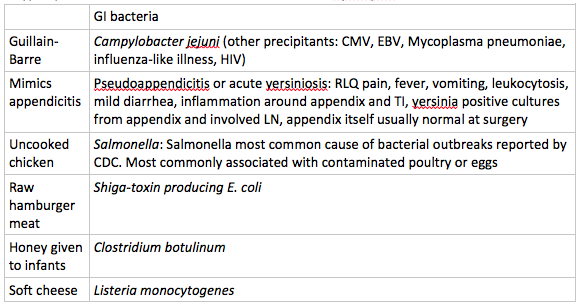
Name the GI bacteria that is most associated with each of the following: Guillain-Barre Syndrome , mimics appendicitis , uncooked chicken , raw hamburger meat, honey given to infants, soft cheese
- Incidence of culture confirmed cases of diarrhea: Salmonella > Campylobacter > Shigella > Cryptosporidium > STEC > Vibrio > Yersinia > Listeria > Cyclospora
Up To Date Guillain-Barre syndrome in children: Epidemiology, clinical manifestations, and diagnosis
Up To Date Clinical manifestations and diagnosis of Yersinia infections
Up To Date Causes of acute infectious diarrhea and other foodborne illnesses in resource rich settings
Up To Date Treatment, prognosis, and prevention of Listeria monocytogenes infection
Abscess - what is an abscess, what causes abscesses, risk factors for abscess formation?
Causitive agent in scabies
Clinical presentation
First and second line treatments
Other treatment considerations
Who is at risk of getting scabies?
- Young, old, immunocompromised, developmentally delayed, Aboriginal
Why are Aboriginals at risk?
- povery
- overcrowding
- bed sharing
- malnutrition
- poor access to health care
- poor access to clean water (leading to secondary bacterial infection)
What is the agent that causes scabies? How is it transmitted?
- Sarcoptes scabei
- Skin to skin
- Transmission by fomites limited as can survive away from human skin only 24 to 36 hours
How does it present?
- Burrows - erythematous papules with pruritus that is worse at night
- Burrows - flexure of wrist, elbow, armpits, genitals and breasts.
- In infants and elderly also head and neck = vesicles, pustules, nodules.
- Develop hypersensitivity to mite, eggs, feces about 3 weeks after initial infestation
- Scratching predisposes to superimposed bacterial infection and may present with impetigo, pyoderma - staph aureus / GAS
Typical infestations = 10 to 15 mites
Crusted scabies = hyperinfestation of millions of mites with severe inflammation and hyperkeratotic reaction
- More contagious
- Can happen in immunocompetent individuals
- At risk:
- autoimmune disease
- malnutrition
- leukemia
- T cell lymphma
- HIV
- HTLV1
- developmental delay
How is it diagnosed?
- Clinical diagnosis
- Dermatoscopy, skin scraping, burrow ink test can also be done
Complications of scabies:
- Depression
- Insomnia
- Stigmatization
- Direct and indirect financial cost
Complications of bacterial infection
- GN
- Cardiac disease
What is the first line treatment?
- 5% permethrin for over 3 month age group
- Apply from neck down (infants and elderly apply to face as well)
- Leave on 12 hours, rinse off
- Does NOT kill mites - repeat treatment in 7 days increases efficacy
- Expensive
What other topical treatments are available?
- 2nd line: 10% Crotamiton (Eurax) cream - apply and leave on x 24 hours, may repeat in 24 hours, wash off 48 h after last application, may have skin irritation, contact dermatitis
- 2nd line: 1% lindane cream. repeat only if new lesions. concerns with neurotoxicity
- Other: sulfur 8-10% constituted in petroleum jelly is applied 3 consecutive days in a row and is safe in infants and pregnancy. Smelly and messy but effective.
What oral agents are available and what is their role?
- Oral ivermectin - not as effective as 5% permethrin
- Institutional and community outbreaks, may need to be repeated in 2 weeks
- Crusted scabies - may need multiple repeat doses and often used in combination with keratolytics and 5% permethrin
- Safety not established in infants < 15 kg and pregnant/lactating women
Other aspects of treatment of scabies:
- Treat ALL symptomatic and asymptomatic household members simultaneously (symptoms may take a few weeks to develop)
- All bed linen and clothing should be washed in hot water and hot dry
- If cannot be washed should be suffocated in sealed plastic bag x 5 to 7 days
- Children can return to school the day after initial treatment series
When should symptoms improve?
- Itching may not improve and may even worsen several weeks after treatment despite killing mites because of the hypersensitivity reaction
- By itself not an indication of treatment failure
- If new burrows appear however, treatment must be repeated
- Can use topical corticosteroid or antihistamine for symptomatic management
CPS Scabies Oct 5 2015




