- 24 year old man presents with fever and exertional shortness of breath
- Previously well
- smoker, daily marijuana, occasional IVDU
- General malaise with subjective fevers and chills for 2-3 weeks • Lack of appetite, night sweats • One week of shortness of breath with exertion • Progressed to dyspnea with one flight of stairs • 2 pillow orthopnea, no paroxysmal nocturnal dyspnea • Mild cough with no sputum or hemoptysis • No recent travel, no sick contacts, no COVID exposure • No chest pain, occasional fast heartbeats with lightheadedness but no frank syncope
What is this clinical picture consistent with?
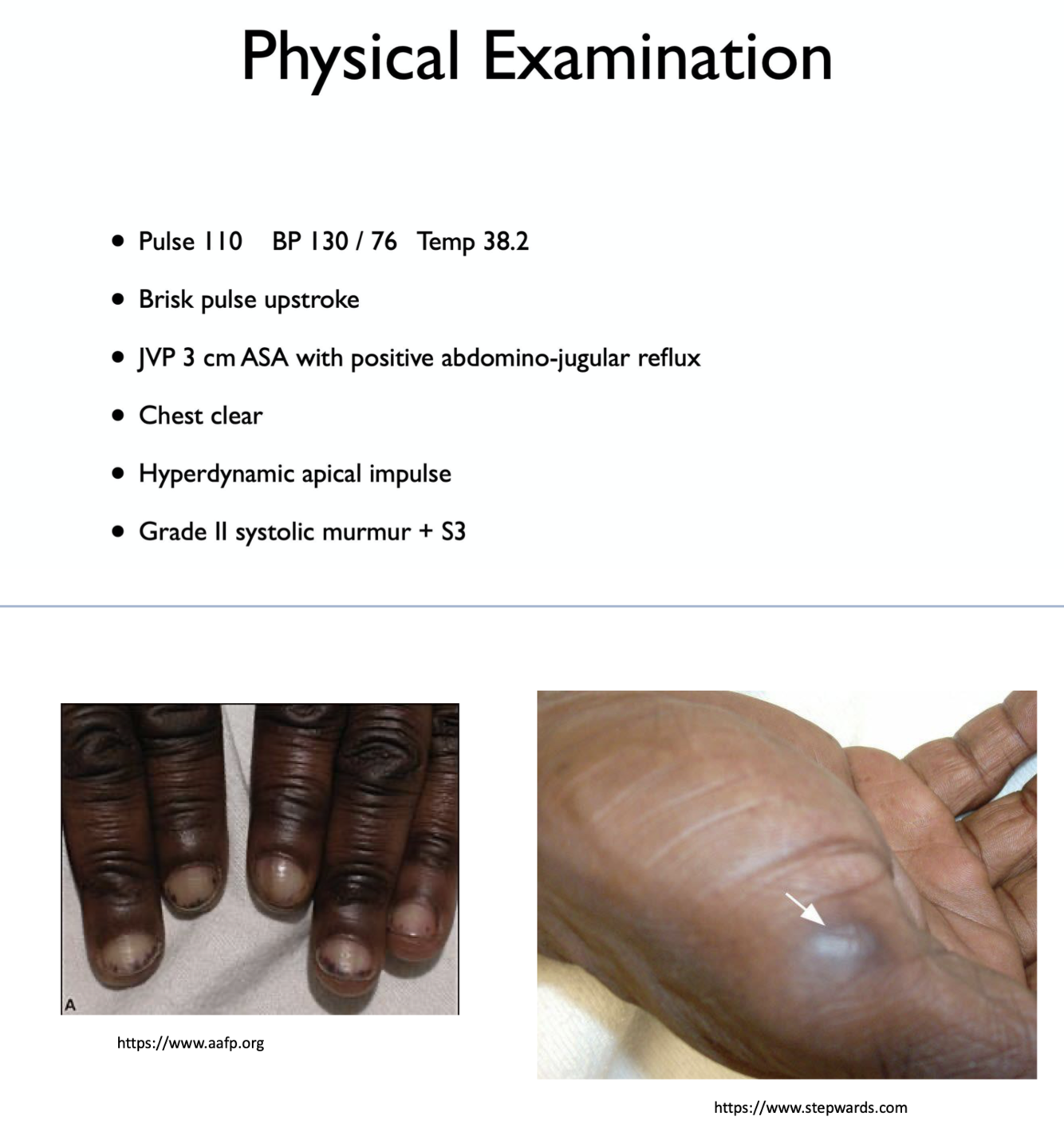
splinter hemorrhage, dyspnea, fever, murmur = endocarditis!!
Classical symptoms include: fevers chills nightsweats, anorexia/weight loss, congestive heart failure, NEW murmur
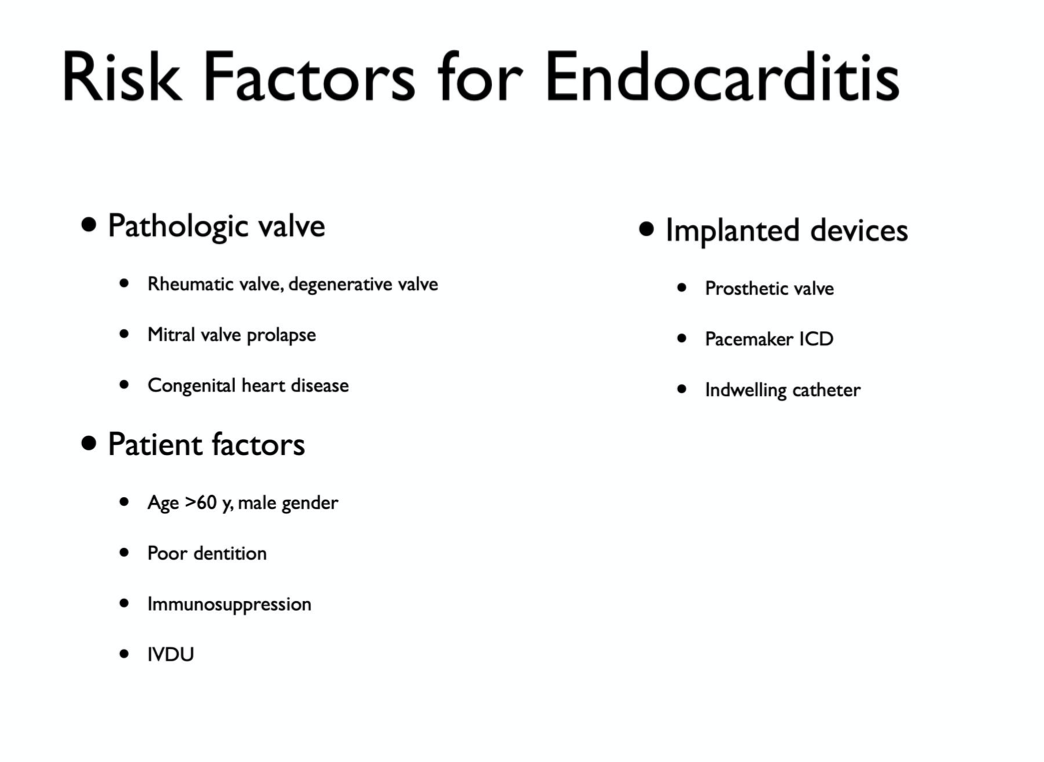
Risk factors for endocarditis
- pathological valve; rheumatic valve, degenerative valve, mtral valve prolapse, congenital heart disease
- patient factors: >30, IVDU, immunosuppression, poor dentition
- implanted devices ; prosthetic valve, pacemaker ICD, indwelling catheter.
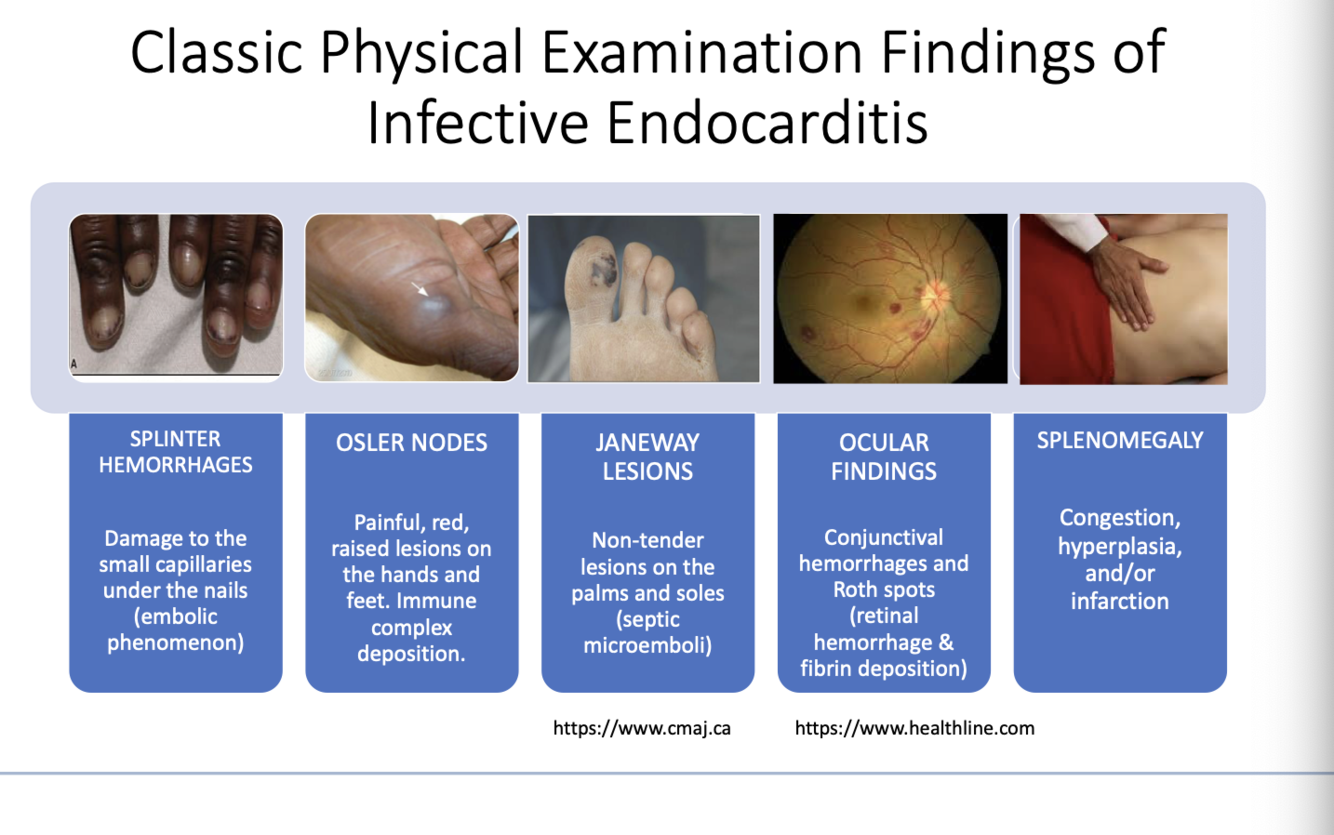
5 characteristic physical exam findings of infective endocarditis (SOJOS)
- splinter hemorrhages
- osler nodes
- janeway lesions
- ocular findings
- splenomegaly
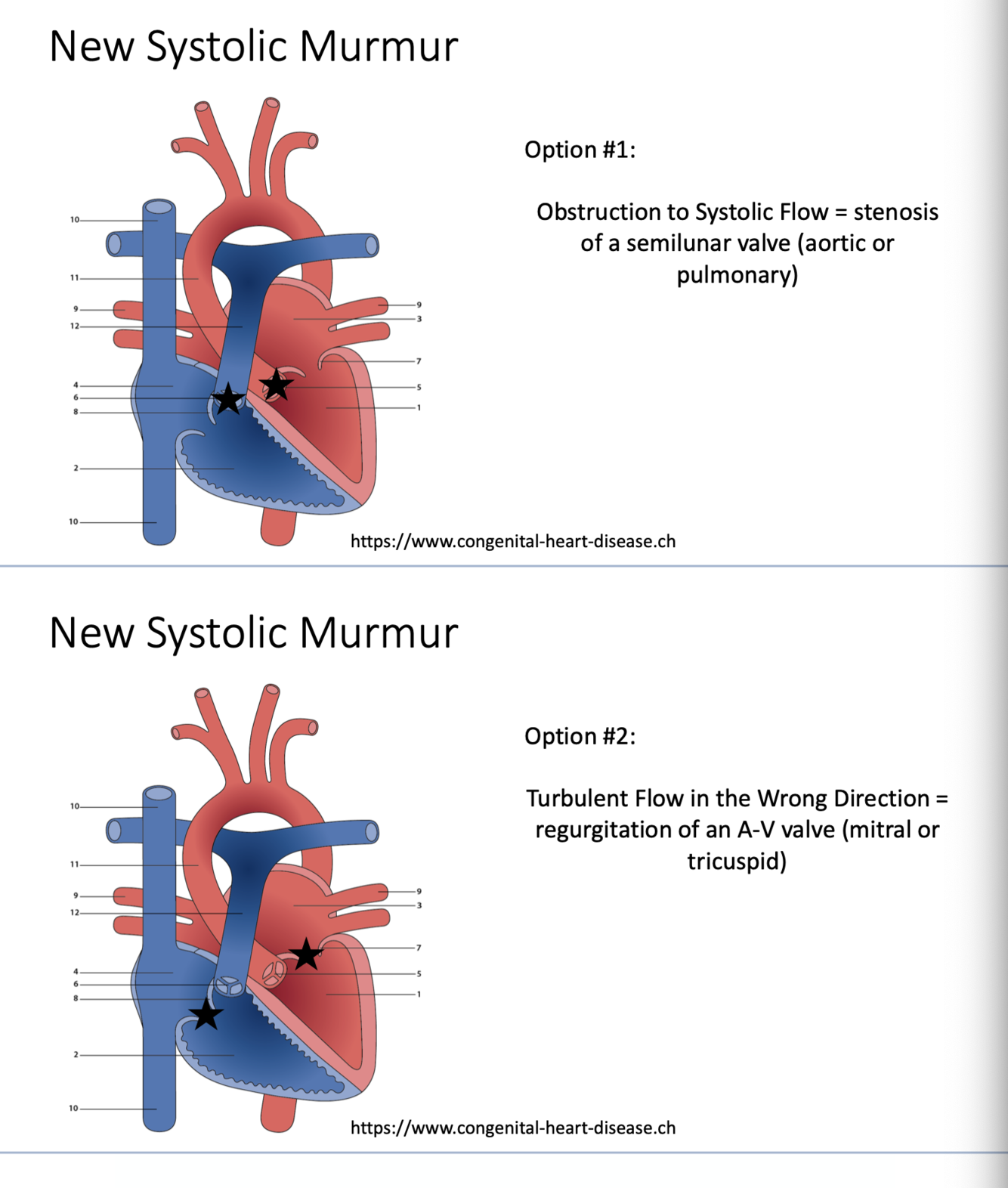
“2 options” for a new systolic murmur
- obstruction to systolic flow = STENOSIS of a semilunar valve (aortic or pulmonary)
- Turbulent flow in the wrong direction = regurgitation of an AV valve (mitral or tricuspid)
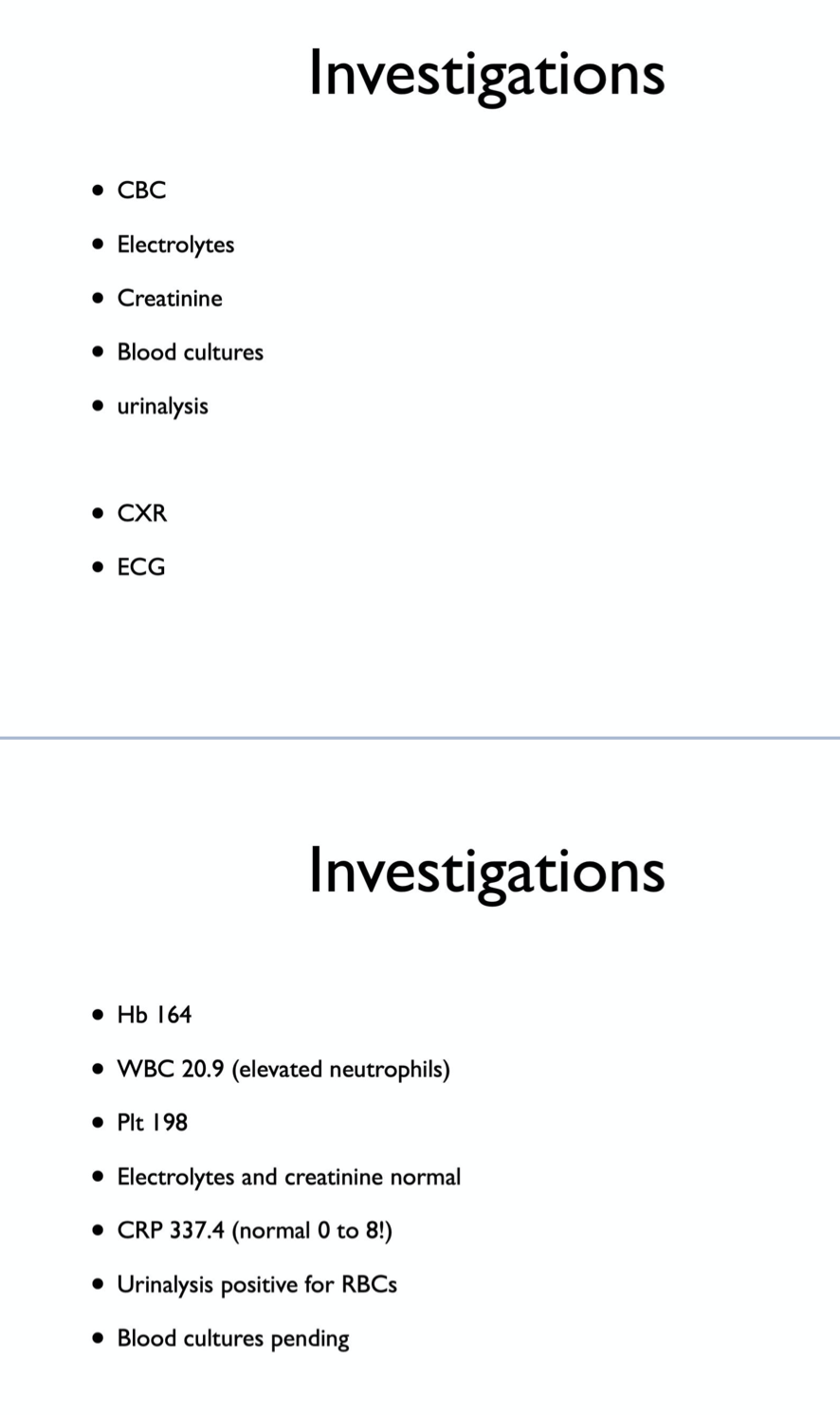
investigations for you suspecting infectious endocarditis
CXR and ECG fo sho
TEE ECHO
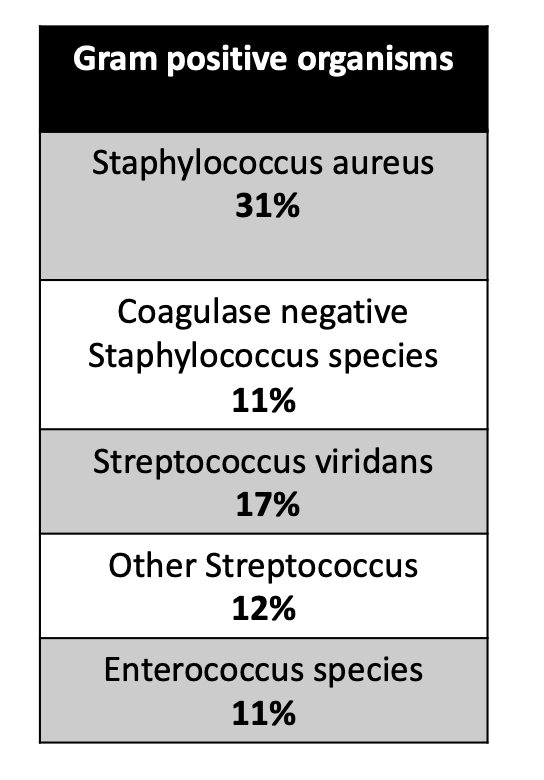
most common organism for infectious endocarditis
staph aureus
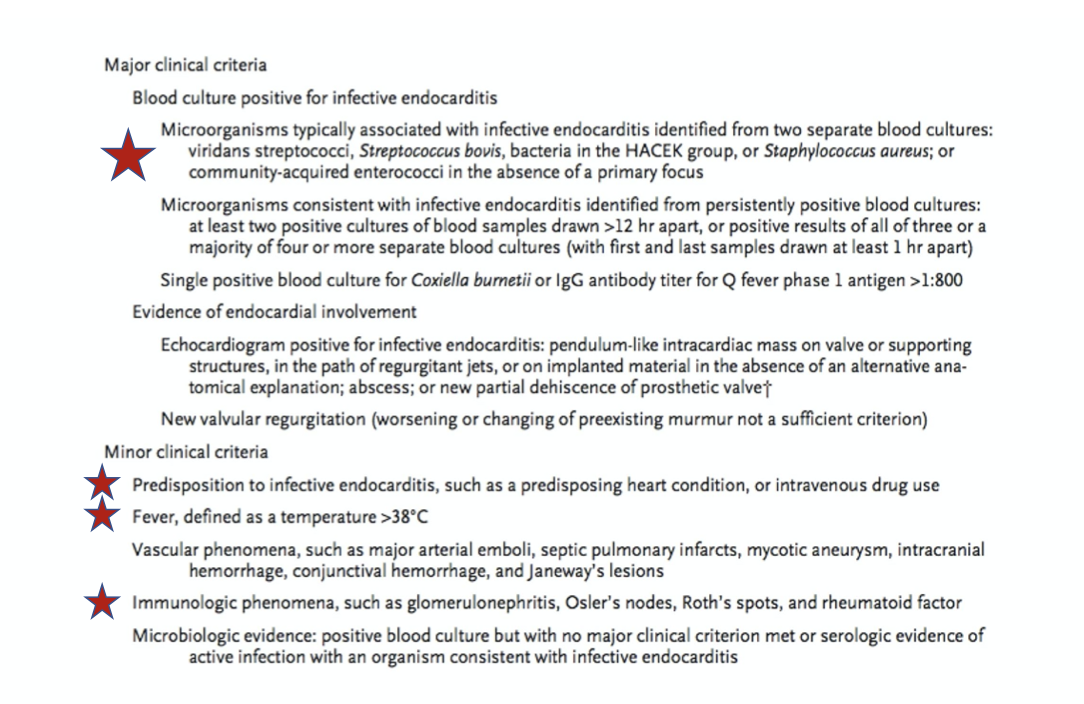
major criteria for infectious endocarditis
- typical microorganism for infective endo from 2 separate blood cultures
- evidence of endocardial involvement; oscillating intracardiac mass, on valve or supporting structures, or in the path or regurgitant jets.
- new valvular regurgitation/murmur
minor criteria for IE
- predisposing heart condition or IVDU
- fever
- vascular phenomena; emboli, septic pulmonary infarcts, mycotic aneurism, intracranial hemorhage, conjunctival hemorhage, janeway lesions
- immunologic phenomena; glomulonephrtisi, osler nodes, roth spots, rheumatoid factor
complications of IE
- sepsis
- thromboembolic events: stroke, mycotic aneurysm
- valvular destruction; heart failure
- abscess formation: heart block in aortic valve IE
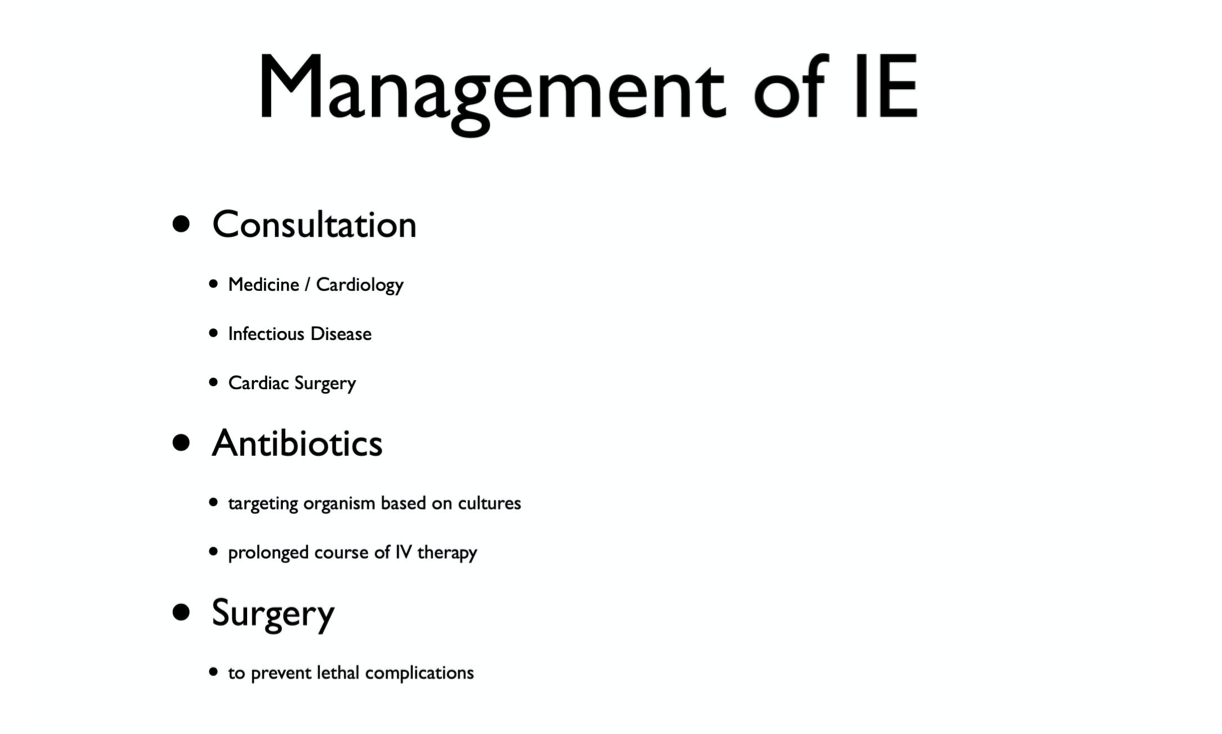
management of IE
- consultation
- antibiotics
- surgery
which bacteris is the most common cause ofinfective endocarditis today?
a) Enterococcus faecalis b) Pseudomonas aeruginosa c) Staphylococcus auerus d) Escherichia coli
c. staphylococcus auerus
virulence factors of IE organisms include
- adhesion
- vegetation maturation
- tissue destruction
- chronicity
give examples of each virulence factor.
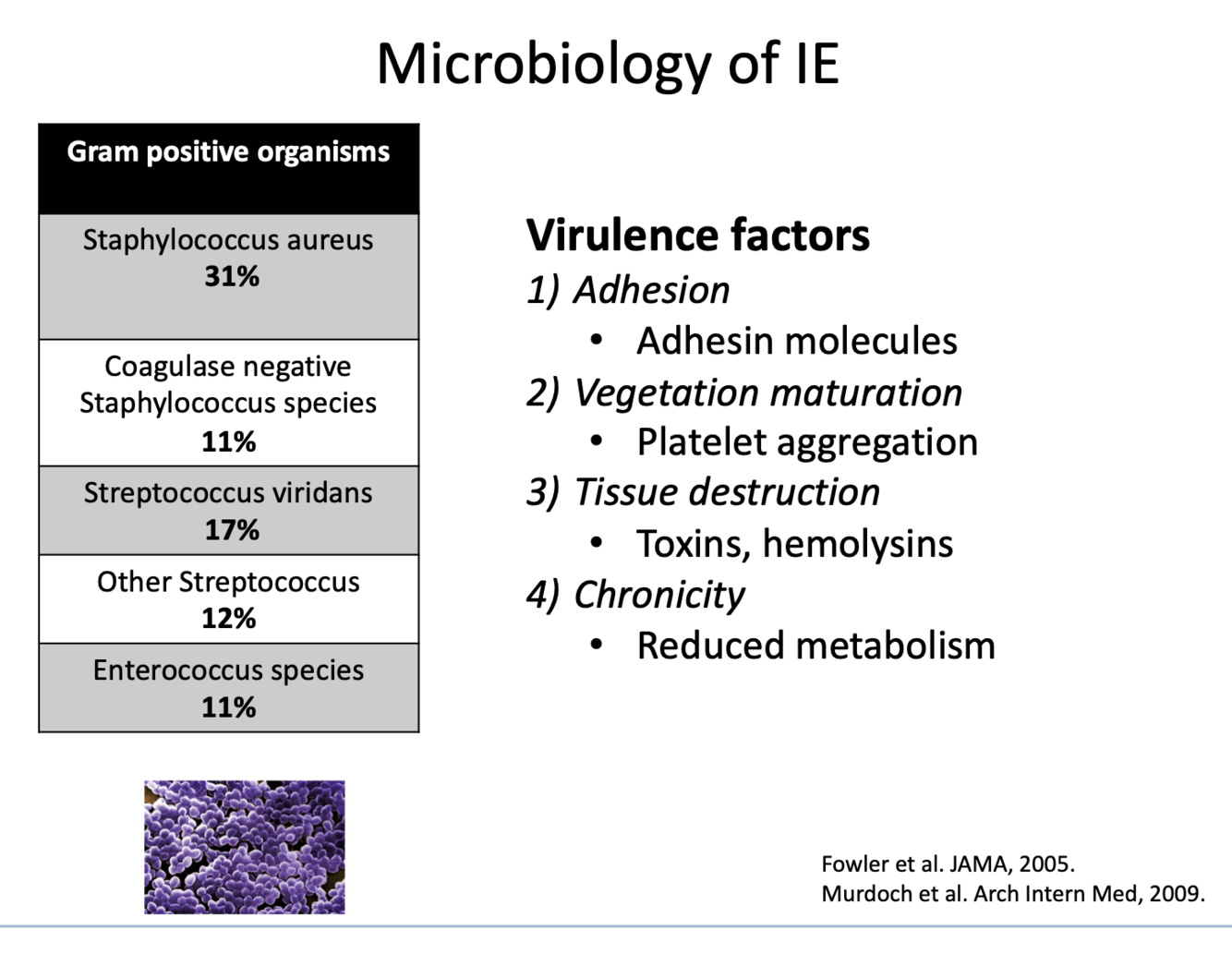
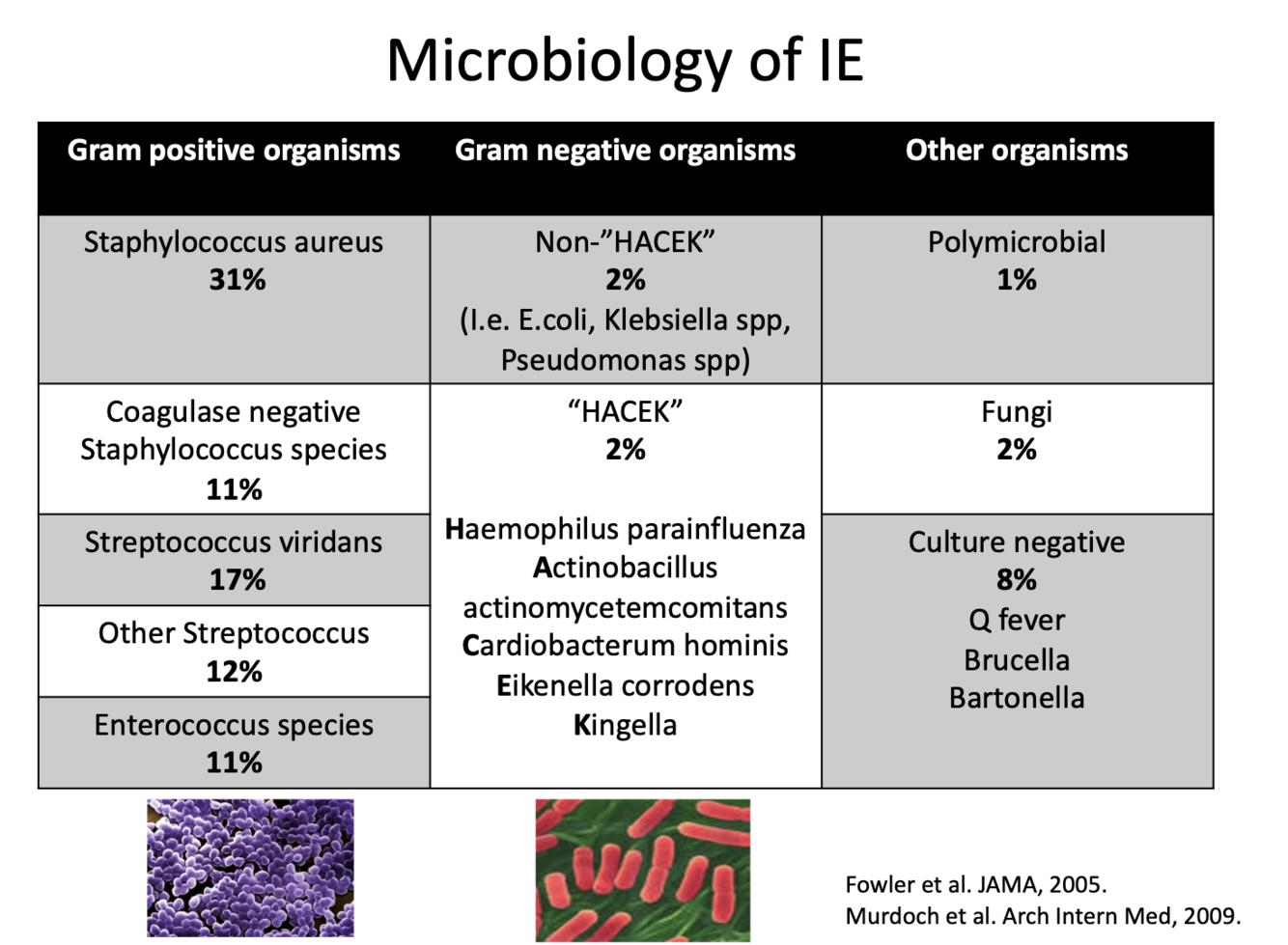
most of the IEagents are gram positive- staph A, streptococcus viridans, enterococcus etc. What are the gram negatives?
HACEK and non-HACEK
HACEK = H. influenzae, actinobacillus, cardiobacterum, eikenalla corroden, kingella.
non hacek = e. coli, klebsiella, pseudomonas.
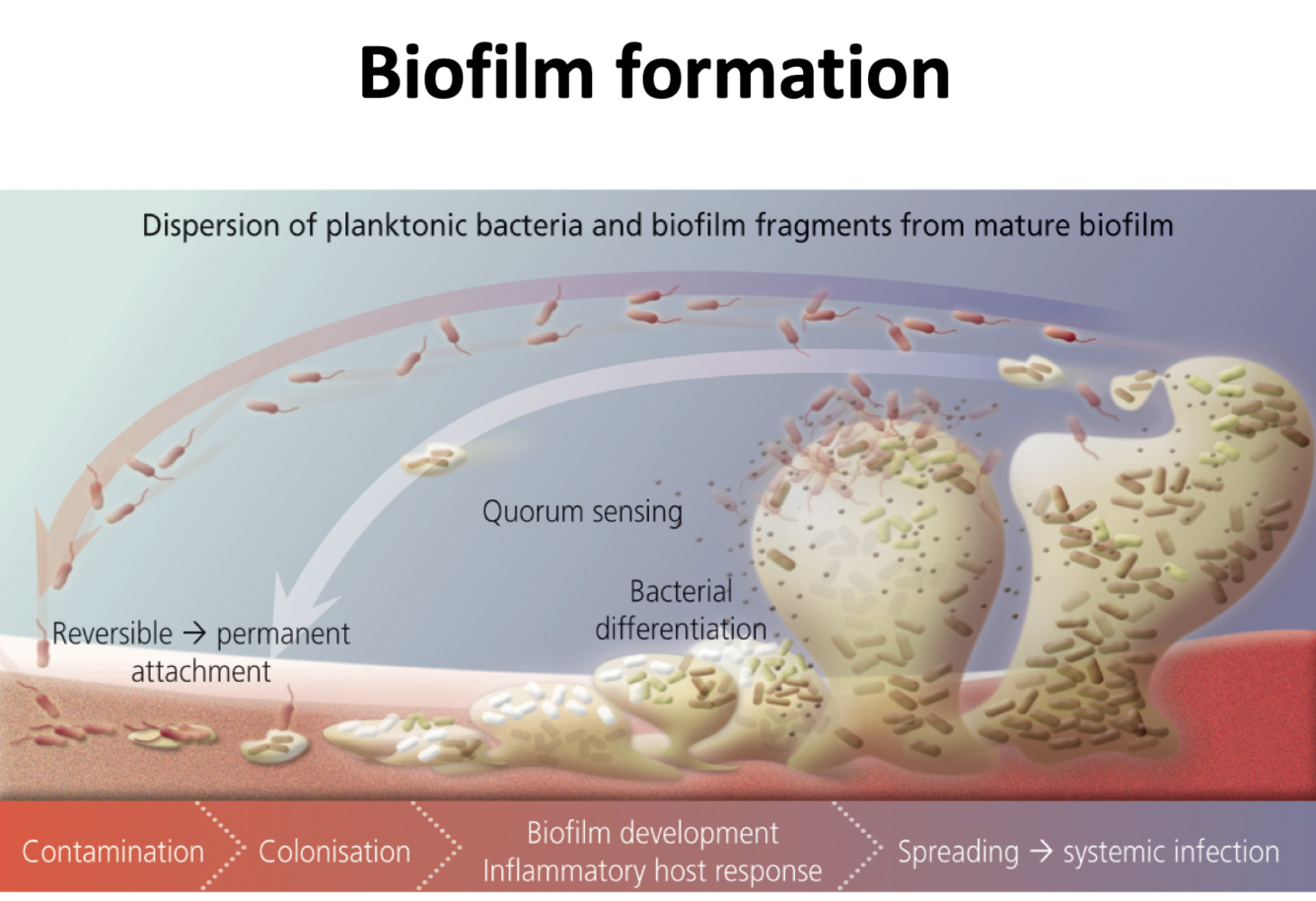
examples of targeted gram positive agents
penicillin, amplicillin, cloxacillin, cefazolin, vancomyin
should you choose bactericidal or bacteriostatic antibiotics for IE
bactericidal– Beta lactams
Note: there’s a role of adjuvant antibiotic agents.
- aminoglycosides for enterococcus and streptococcus
- rigampin- prostehtic vavle.
route of administration for endocarditis
IV generally preferred
what is the duration of therapy when treating IE and what is the “start date of effective therapy” definition
4-6 week.
start date of effective therapy: date of first negative blood culture.

-
Intro to ECG Part 143
-
Intro to ECG Part 2: 12 Lead ECG52
-
Coronary Blood Flow and the Microcirculation26
-
Intro to Cardiac Physiology42
-
Intro to Wigger and PV Loops13
-
Clinical Presentations of Ischemic Heart Disease48
-
Medical Management of Stable CAD33
-
Risk Stratification of Coronary Artery Disease8
-
Management of Acute Coronary Syndromes24
-
Heart Sounds and the Arterial Pulse33
-
Revascularization Strategies14
-
Peripheral Vascular Disease18
-
Intro to Chest Radiology (incomplete)15
-
Pulmonary Embolism19
-
Excitation-Contraction7
-
Pericardial Disease30
-
Pneumothorax20
-
Respiratory Physiology I21
-
Respiratory Physiology II28
-
Pulmonary Function Testing16
-
Acid Base Disorders20
-
Chest Wall Disorders24
-
CV Pathology19
-
Mechanical Complications of MI30
-
Asthma Clinical, Management and Pharmacology24
-
Rheumatic Fever and Endocarditis30
-
Syncope and Autonomic Dysfunction31
-
Bradycardia33
-
Asthma: Cellular10
-
COPD33
-
Bronchiectasis14
-
Anti-Arrhythmics20
-
Aortic Disease16
-
Cardiac Drugs: CHF and Anti-Anginals19
-
Chest Radiology: Airspace and Diffuse Parenchymal Lung Disease19
-
Interstitial Lung Disease17
-
Management of ILD19
-
Introduction and Pathophysiology of Heart Failure28
-
Management of Heart Failure20
-
Valvular Disease: Semilunar Valves25
-
Valvular Disease: Atrioventricular Valves32
-
Pulmonary Hypertension13
-
Cardiomyopathies26
-
Introduction to the Autonomic Nervous System3
-
Hemoptysis29
-
Pharmacology: Vasoactive Agents26
-
Atrial Fibrillation40
-
Supraventricular Tachycardia27
-
Shock: General Overview and Approach25
-
Distributive Shock19
-
Cardiogenic Shock27
-
Upper Respiratory Tract Infection31
-
Clinical Pathological Correlation21
-
Code Blue16
-
Ventricular Arrythmias and Sudden Cardiac Death27
-
Cardiac Arrest30
-
Managing an Emergency Situation15
-
Acute Respiratory Failure34
-
Thoracic Surgical Emergencies23
-
Pleural Diseases49
-
Clinical Pneumonia: Diagnosis and Management37
-
Tuberculosis63
-
Bugs and Drugs58
-
Chronic Cough17
-
Bradycardia45
-
Infections in the Immunocompromised Host19
-
Lung Cancer Epidemiology, Biology, Clinical Presentation and Screening45
-
Intro to Lung Cancer16
-
Approach to Lung Cancer46
-
Pediatric Respiratory/Noisy Breathing in Child39
-
Cough in Child22
-
Pediatric Asthma37
-
Bronchiolitis22
-
Pediatric Sleep Problems34
-
Cystic Fibrosis31
-
Cardiovascular Disease Prevention Part 17
-
Cardiovascular Disease Prevention Part 225
-
Cardiovascular Disease Prevention Part 39
-
Genetics I0
-
Intro to ECG Part 336
-
Intro to Pediatric Cardiology and Congenital Heart Disease36
-
Left to Right Shunts36
-
Right to Left Shunts36
-
Murmur Recap30
-
Pediatric Obstructive Cardiac Lesions39
-
ECG 3 Part 239
-
Approach to Pediatric ECGs18
-
Pediatric Acquired heart Disease36
-
Resp Pathology58
-
Cardiac Pathology23



