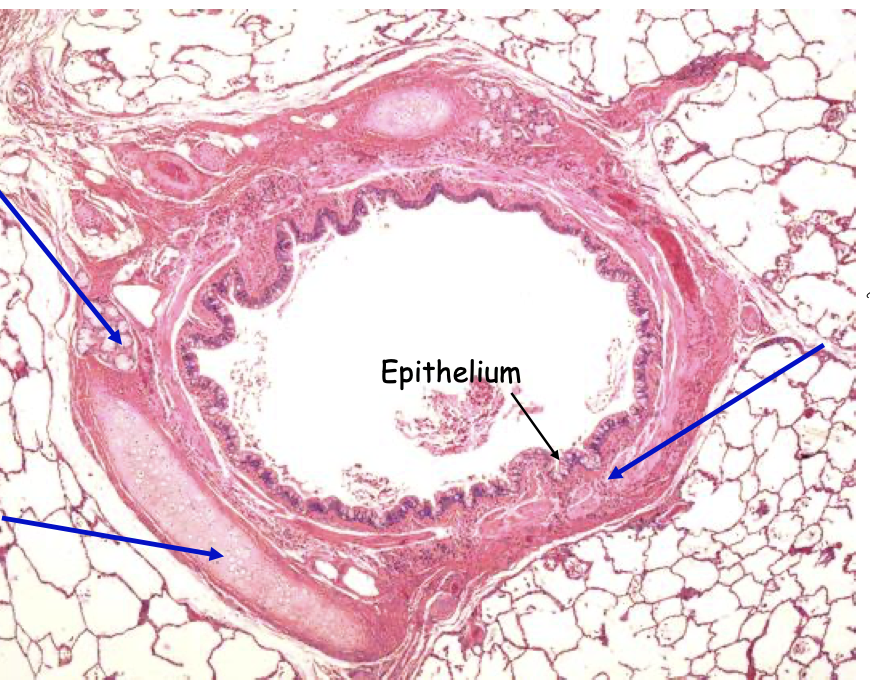
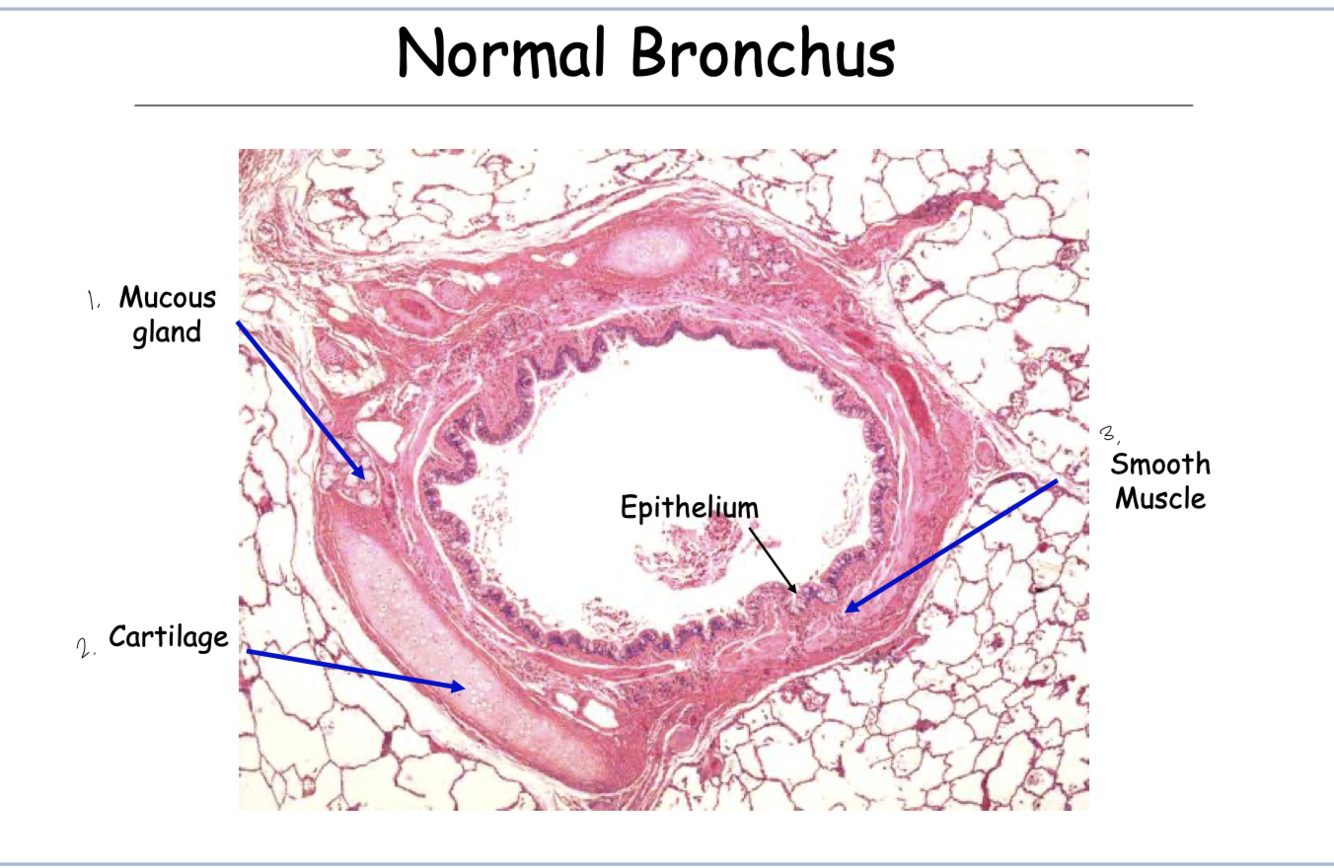
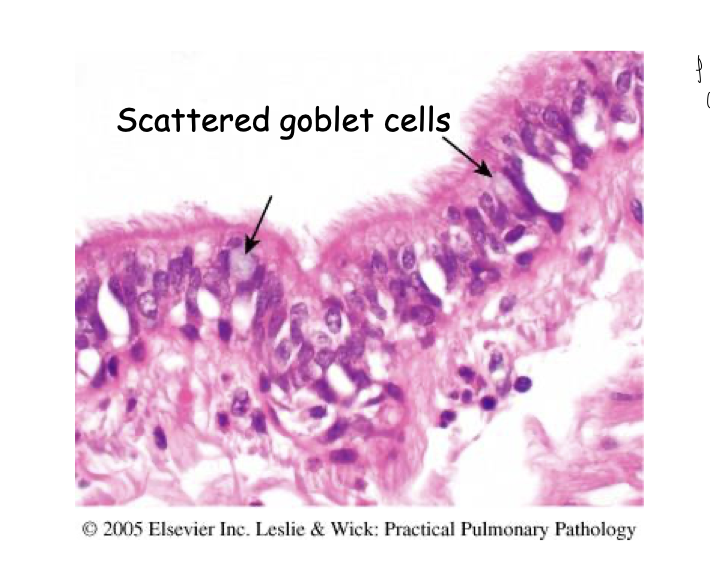
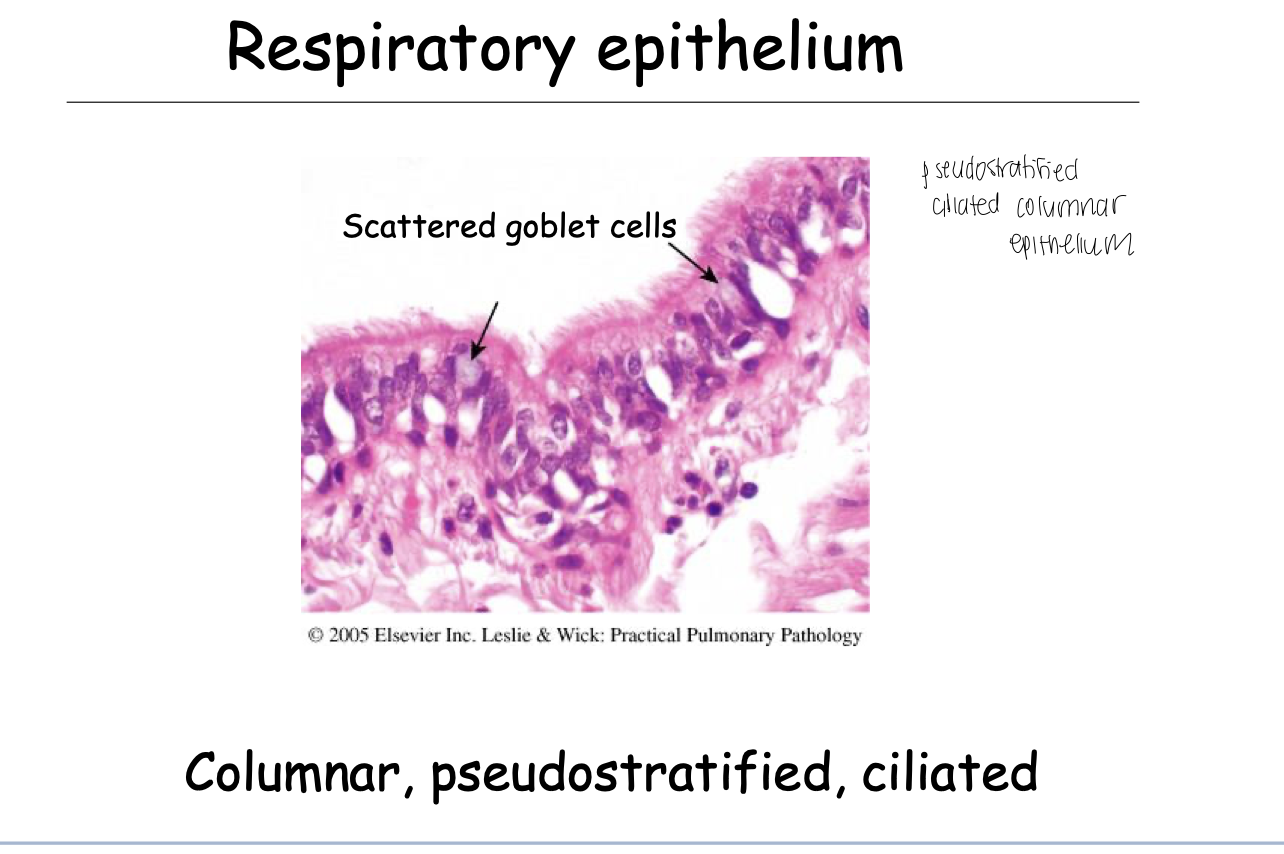
Type of respiraotyr epithelium?
- 45M presents with renal colic, his second presentation in the last month
- Previously healthy, never smoker • Owns an autobody shop
- Mostly office stuff now, used to do lots of body work • No meds/allergies
• Tachycardic, Hypertensive,
other Vitals normal • No H&N adenopathy • Normal Resp exam • Normal CV exam • No abdominal
organomegaly, tenderness at
right CV angle
- CBC
- Hgb 140 (N Indices), Platelets 200, WBC 12.5 (N Diff)
- Electrolytes/Renal Function
- Na 135, K 4.0, Cl 95, HCO3 25, Creatinine 95 (eGFR 55) • Calcium 3.35mmol/L, Intact PTH 5ng/L, 1,25-Vit D 300pmol/L
- Liver Function Tests
- ALT 25, Bili 12, Albumin 40
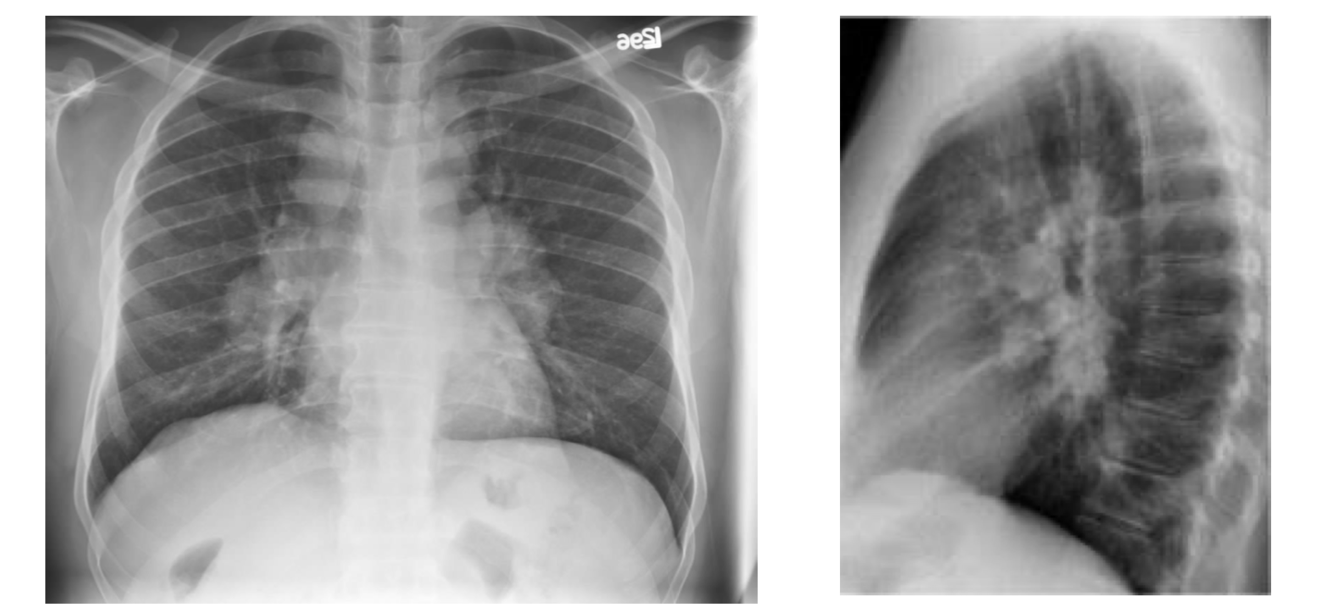
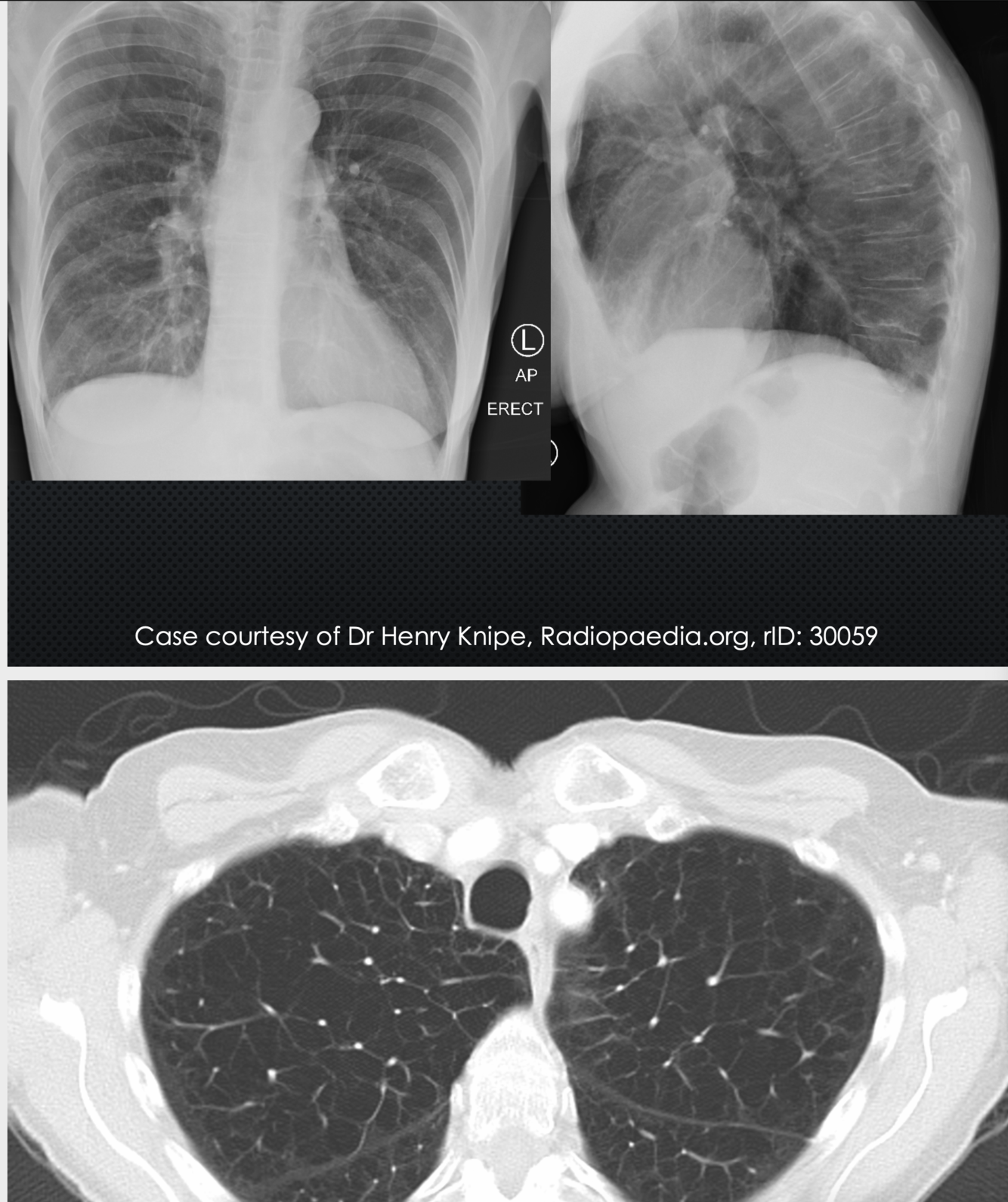
I see bilateral hilar enlargement. could be lymphoma, sarcoidosis, environmental factors could point to nodules from silicosis or something.
• 45M presents with renal colic, his second presentation in the
last month
Profile
• Previously healthy, never smoker
• Owns an autobody shop
Xray shows bilateral hilar enlargement, and biopsy shows this:
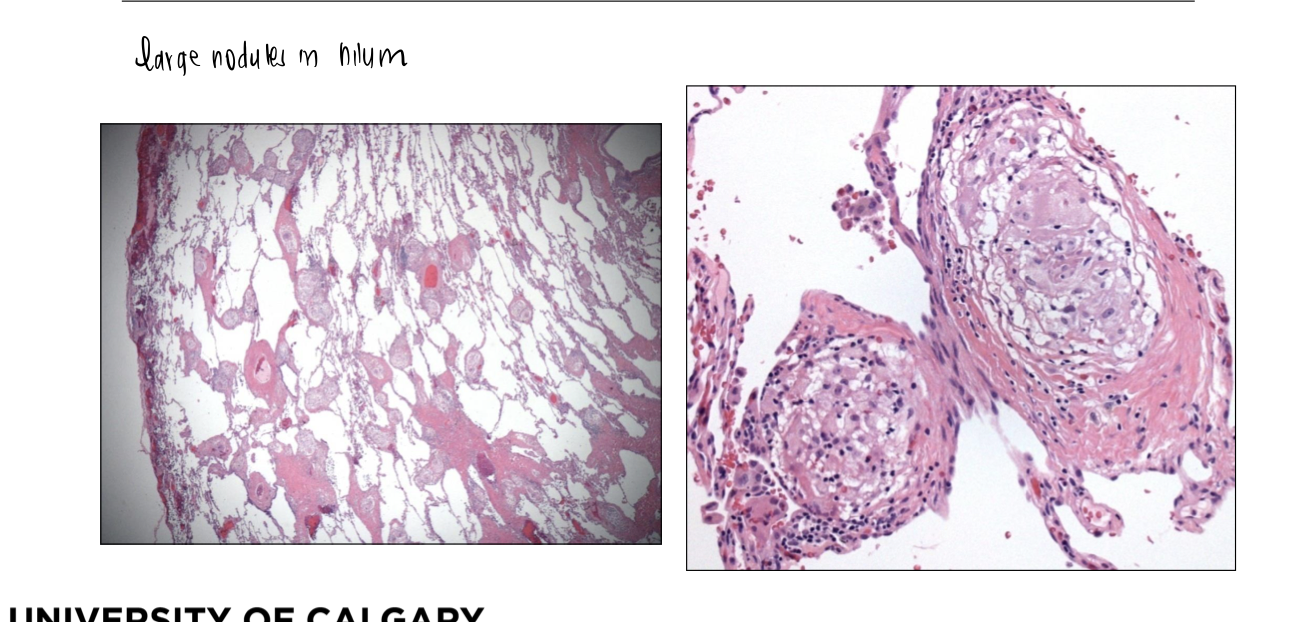
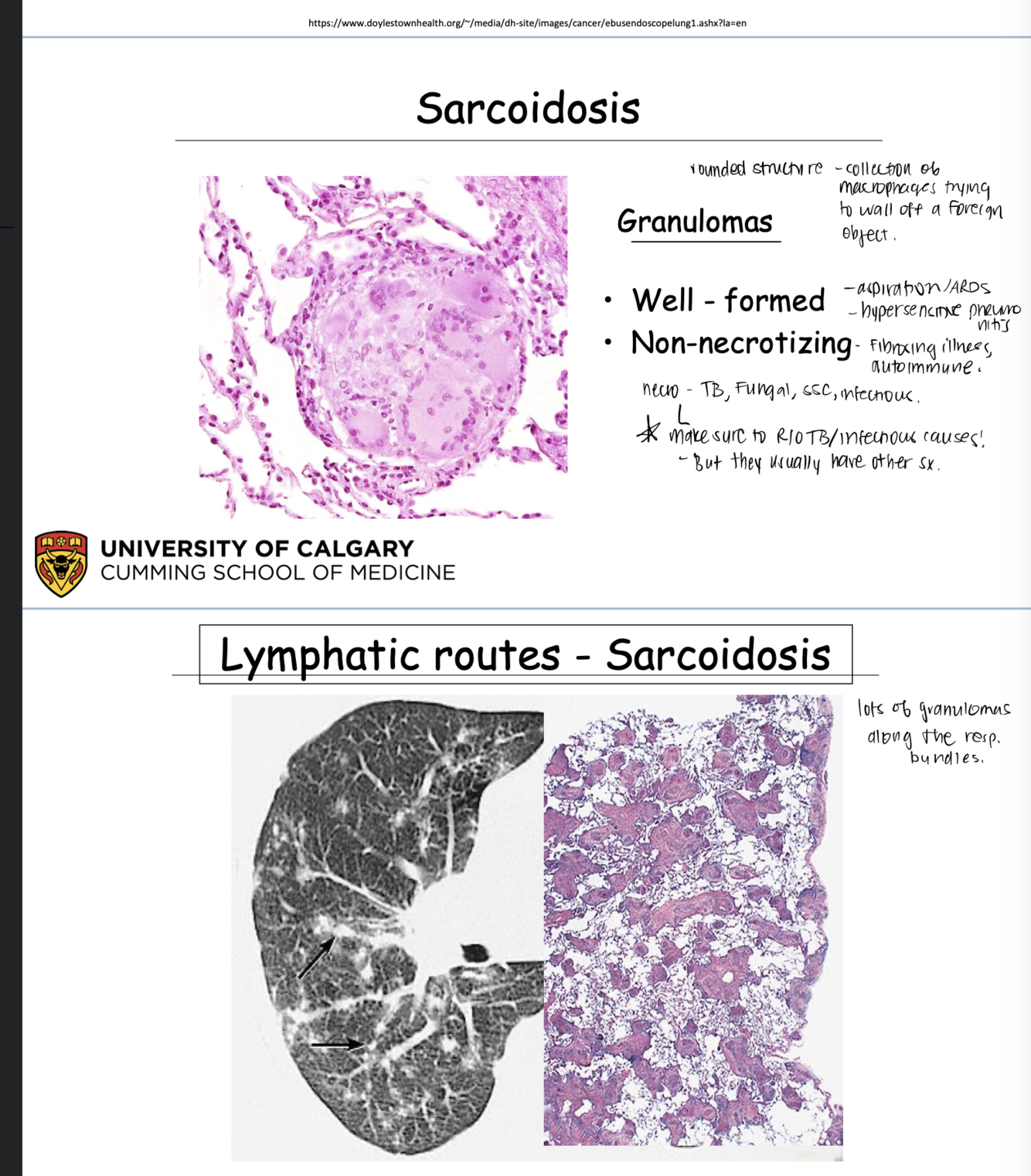
Sarcoidosis presents with non-necrotizing granulomas
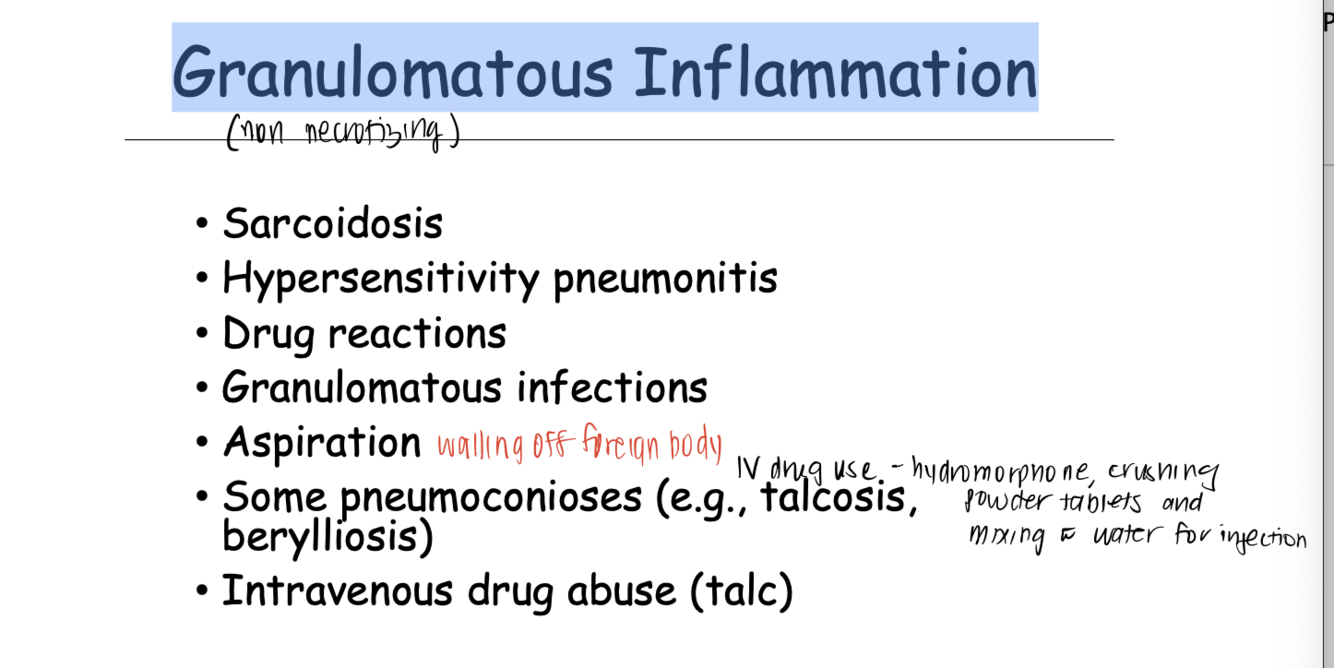
causes of non-nectrotizing Granulomatous Inflammation
75M with progressive dyspnea/cough for 6 months
• Hypertension, 20pack-yr ex-smoker
• No history of CTD/malignancies/cardiac disease
• Retired librarian
• Meds: HCTZ. No allergies
Vitals normal • No H&N adenopathy • Resp exam: bibasilar crackles • Normal CV exam, clubbing on fingers.
• No signs hypervolemia
• Hgb 190 (N Indices), Platelets 185, WBC 8.0 (N Diff)
• Electrolytes/Renal Function
• Na 135, K 4.0, Cl 95, HCO3 25, Creatinine 70 (eGFR 75) • Calcium 2.35
• Liver Function Tests
• ALT 25, Bili 12, Albumin 40
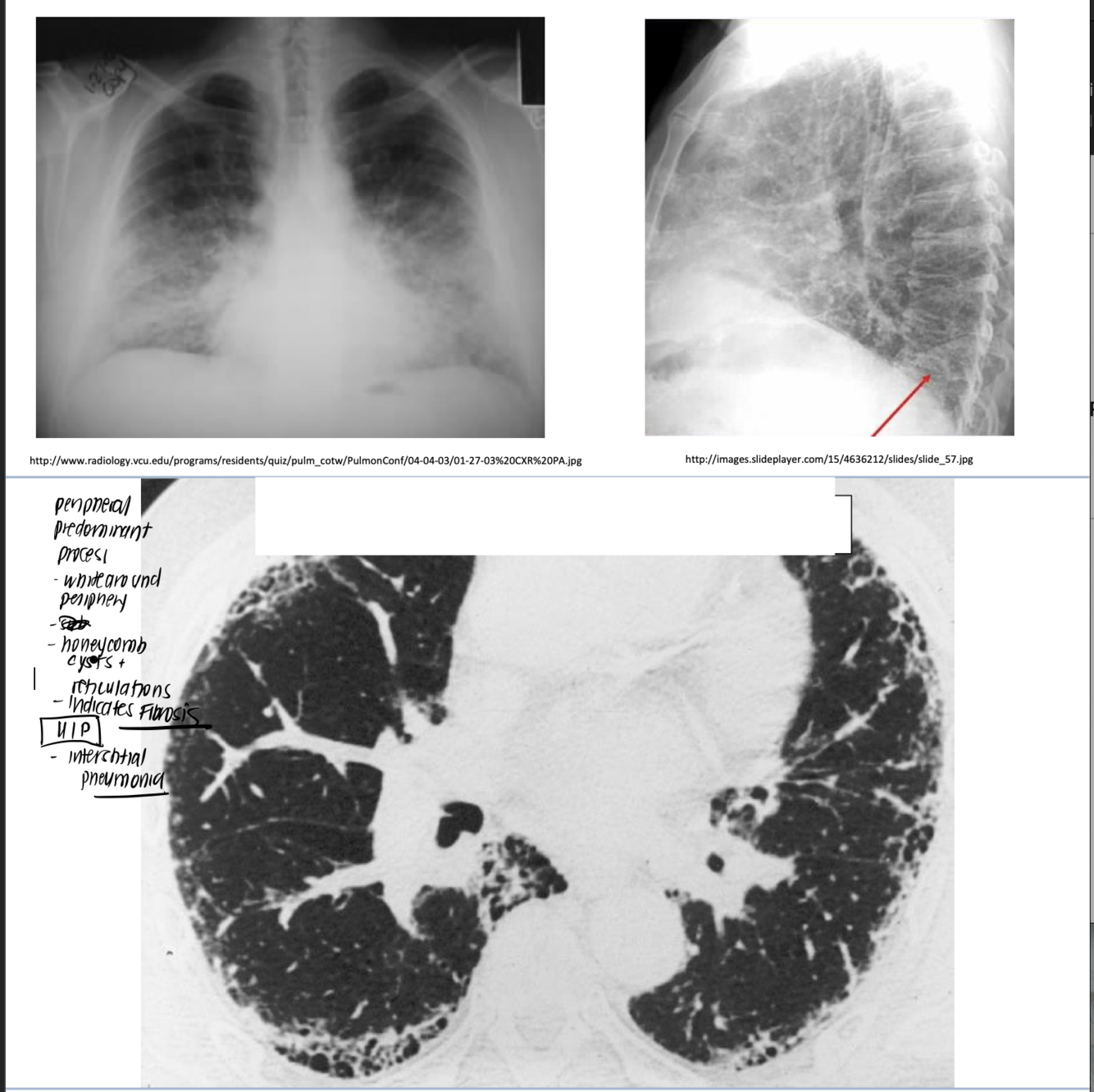
- lower lobe bilateral haziness.
- silhouette sign
- peripheral fibrosis is seen.
- possible bronchiectasis– lots of dilation
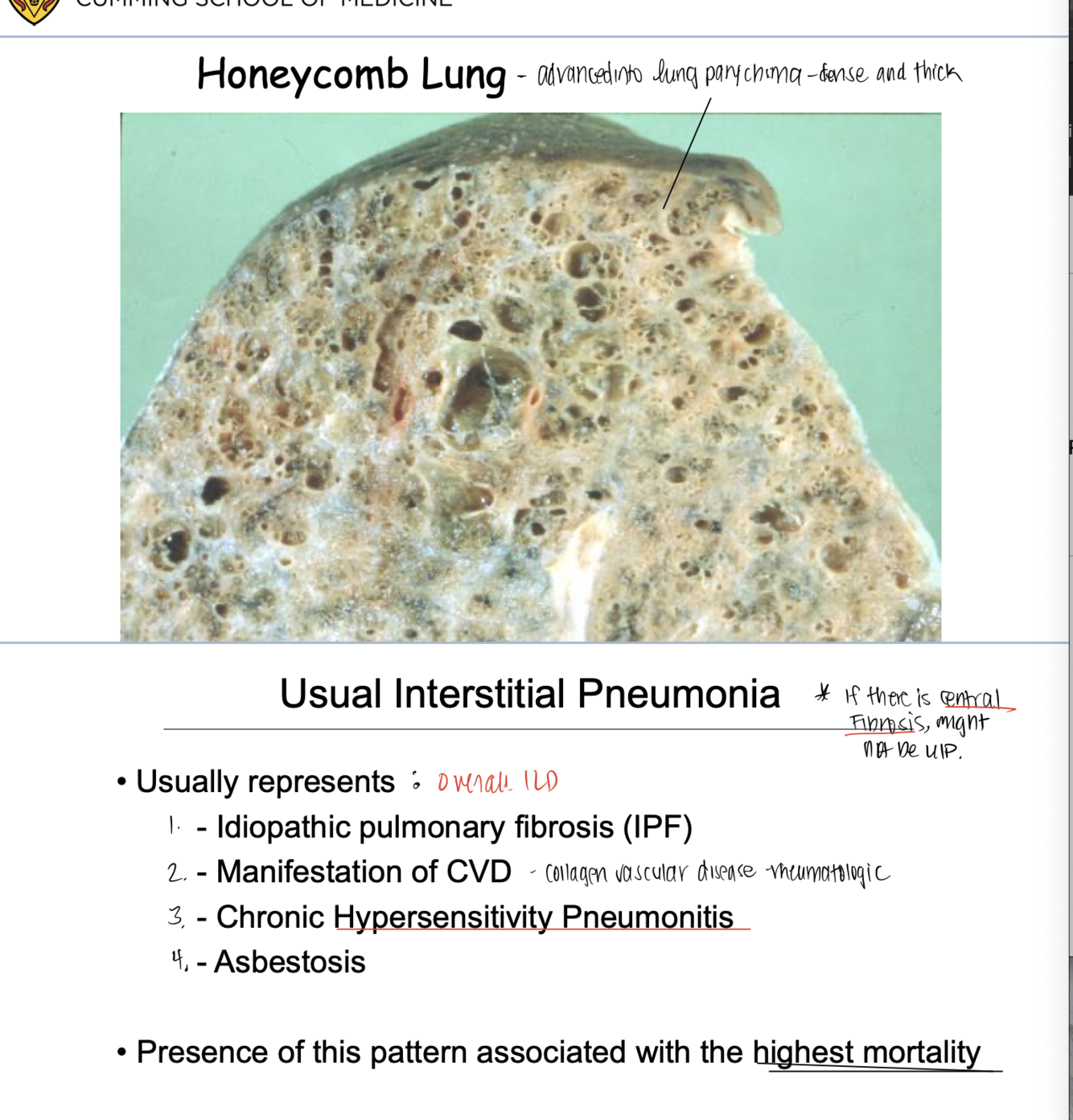
- honey combing on the periphery suggests interstitial lung disease– UIP!!
75M with progressive dyspnea/cough for 6 months
• Hypertension, 20pack-yr ex-smoker
• No history of CTD/malignancies/cardiac disease
• Retired librarian
• Meds: HCTZ. No allergies
Vitals normal • No H&N adenopathy • Resp exam: bibasilar crackles • Normal CV exam, clubbing on fingers.
• No signs hypervolemia
• Hgb 190 (N Indices), Platelets 185, WBC 8.0 (N Diff)
• Electrolytes/Renal Function
• Na 135, K 4.0, Cl 95, HCO3 25, Creatinine 70 (eGFR 75) • Calcium 2.35
• Liver Function Tests
• ALT 25, Bili 12, Albumin 40
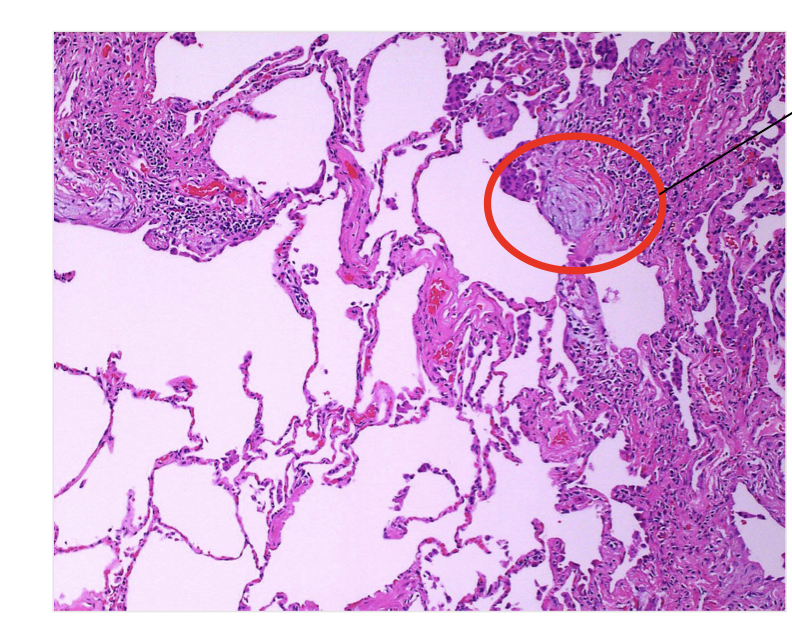
thick fibrosis on the periphery of the lung.
- this is different from sarcoid and hypersensitivity pneumonitis because those two affect all parts of the lung.
- peripheral nodules on the subpleural zones, with temporal heterogeneity is classic UIP.
• ILD encompass a complex group of diseases
• Idiopathic Pulmonary Fibrosis
characteristic clinical/radiological presentation • New drugs available! (a disease with a poor prognosis)
Correct Diagnosis of ILD very Important (usually requires Path)
• Most common ILD • Characteristic pathology can confirm the diagnosis
• Some cases can be diagnosed with a very
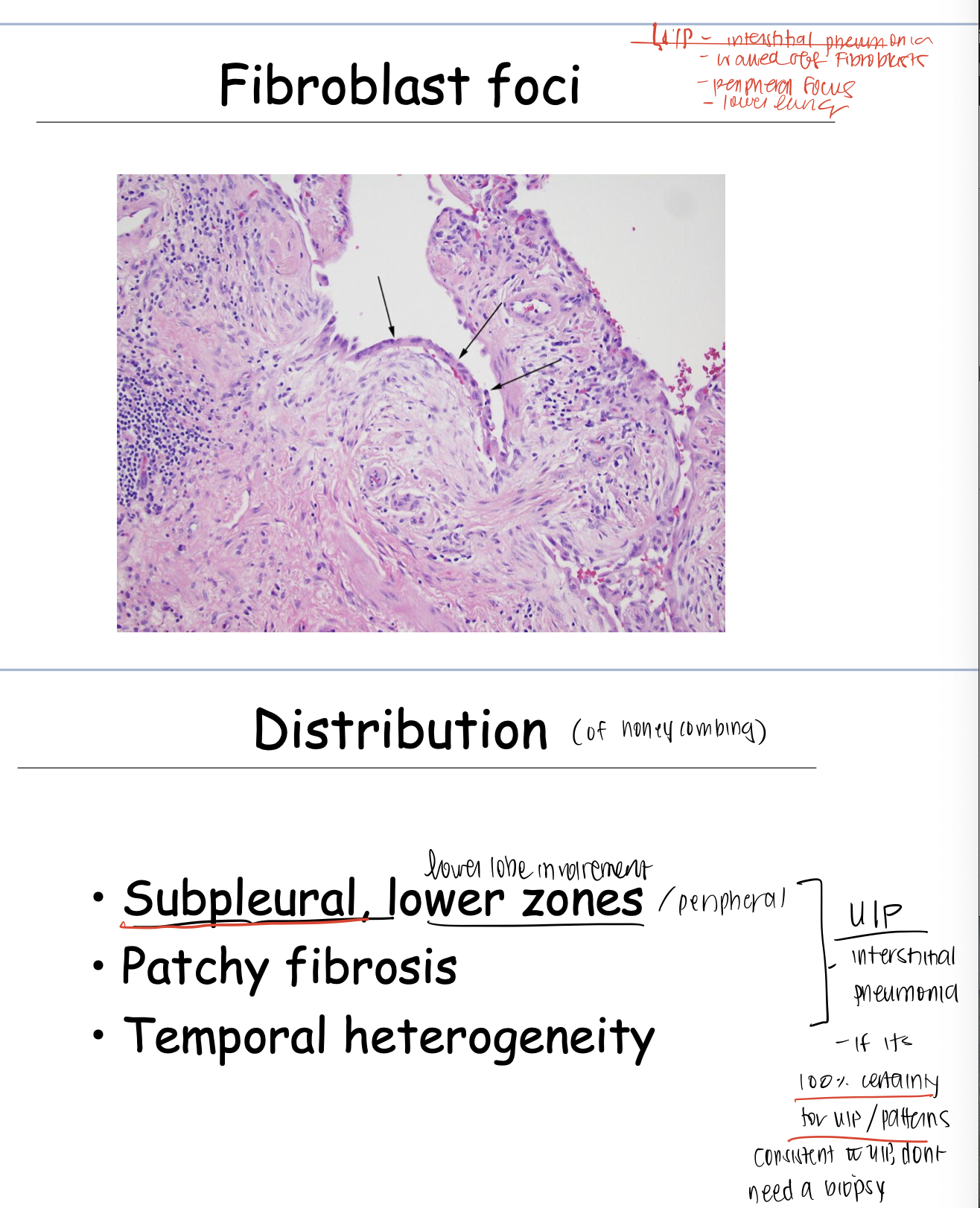
distribution of honeycomb lung for UIP
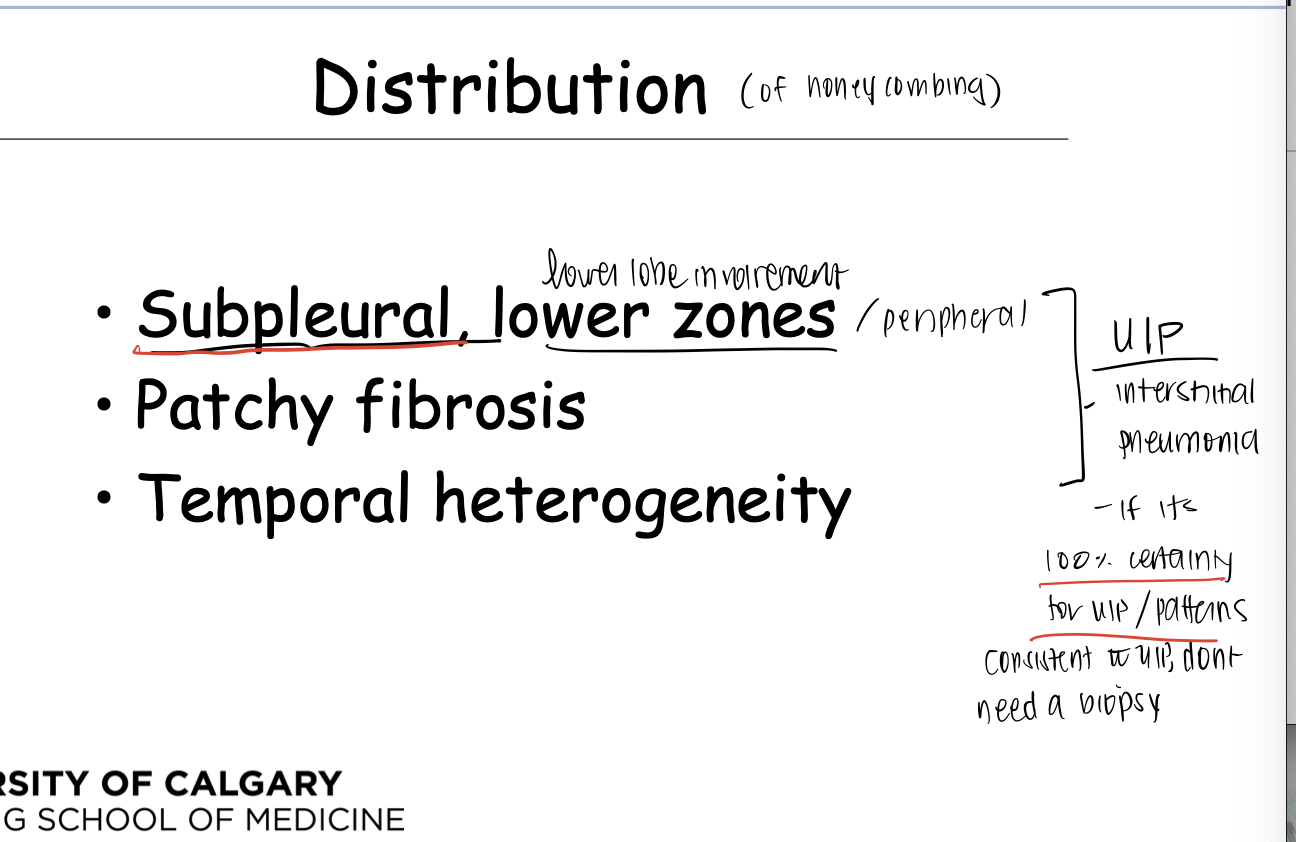
UIP encompasses which diseases
- idiopathic pulmonary fibrosis
- manifestiation of CVD
- chronic hypersensitivity pneumonities (less chronic presentations look more like sarcoidosis– granulomatous inflammation)
- asbestosis.
• 60F with small-volume hemoptysis for 2 weeks, has had a
worsened headache for the last week • Profile
• Current 40pack-yr smoker • Current waitress • Meds/Allergies: none
• Vitals normal • ?Left supraclavicular
lymphadenopathy • Resp exam: hyperinflation • Normal CV exam • No abdo organomegaly
• CBC
• Hgb 150 (N Indices), Platelets 285, WBC 9.0 (N Diff)
• Electrolytes/Renal Function
• Na 133, K 4.0, Cl 95, HCO3 28, Creatinine 80 (eGFR 75) • Calcium 2.35
• Liver Function Tests
• ALT 55, Bili 18, Albumin 30
Mild Liver Enzyme Abnormalities
ddx?
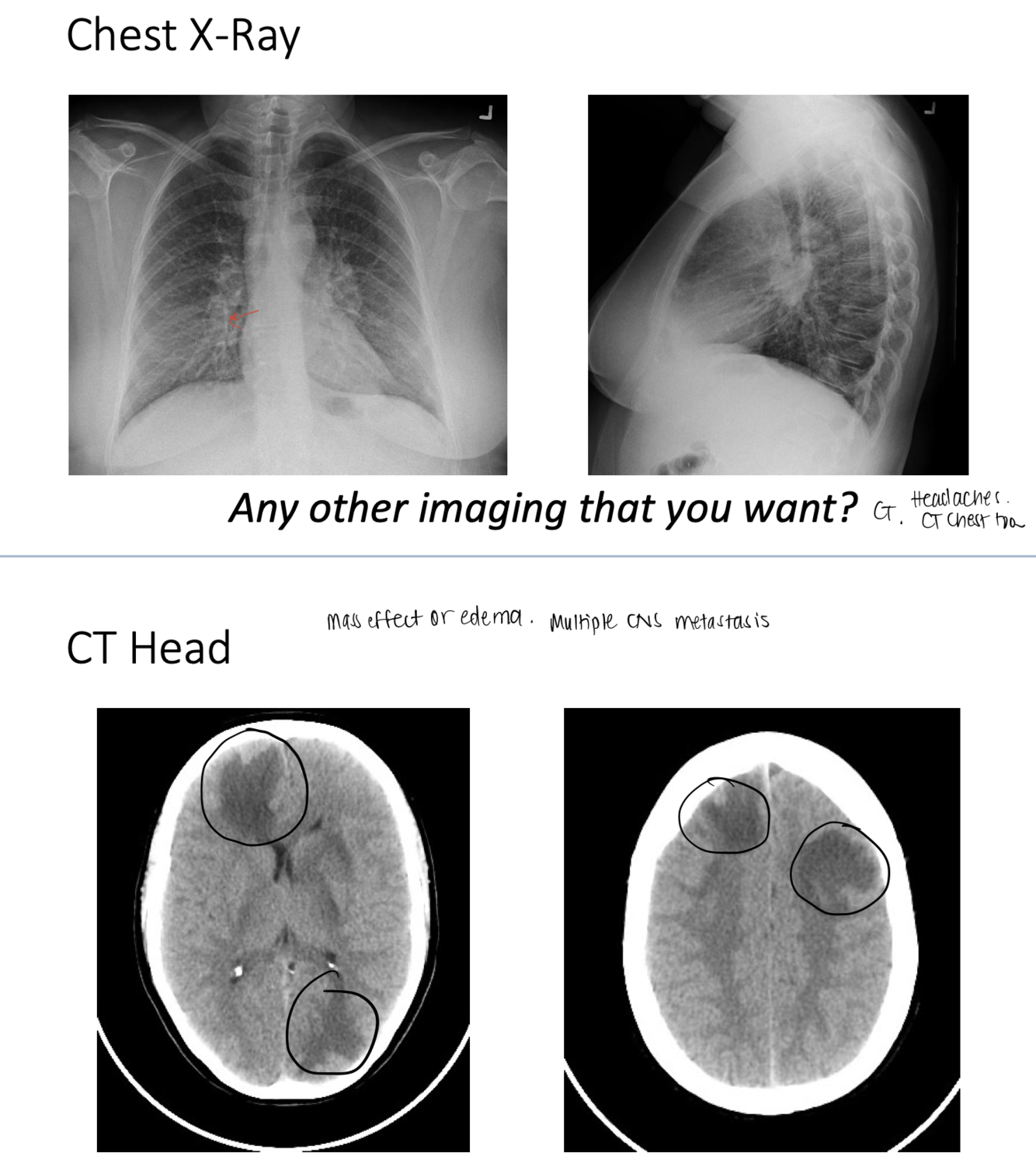
tuberculosis with tuberoma
- lung cancer– lung cancers associated with smoking is small cell lung caracinoma and squamous cell carcinoma.
- there is haziness, hilar enlargement.
• 60F with small-volume hemoptysis for 2 weeks, has had a
worsened headache for the last week • Profile
• Current 40pack-yr smoker • Current waitress • Meds/Allergies: none
• Vitals normal • ?Left supraclavicular
lymphadenopathy • Resp exam: hyperinflation• Normal CV exam • No abdo organomegaly
• CBC
• Hgb 150 (N Indices), Platelets 285, WBC 9.0 (N Diff)
• Electrolytes/Renal Function
• Na 133, K 4.0, Cl 95, HCO3 28, Creatinine 80 (eGFR 75) • Calcium 2.35
• Liver Function Tests
• ALT 55, Bili 18, Albumin 30
Mild Liver Enzyme Abnormalities
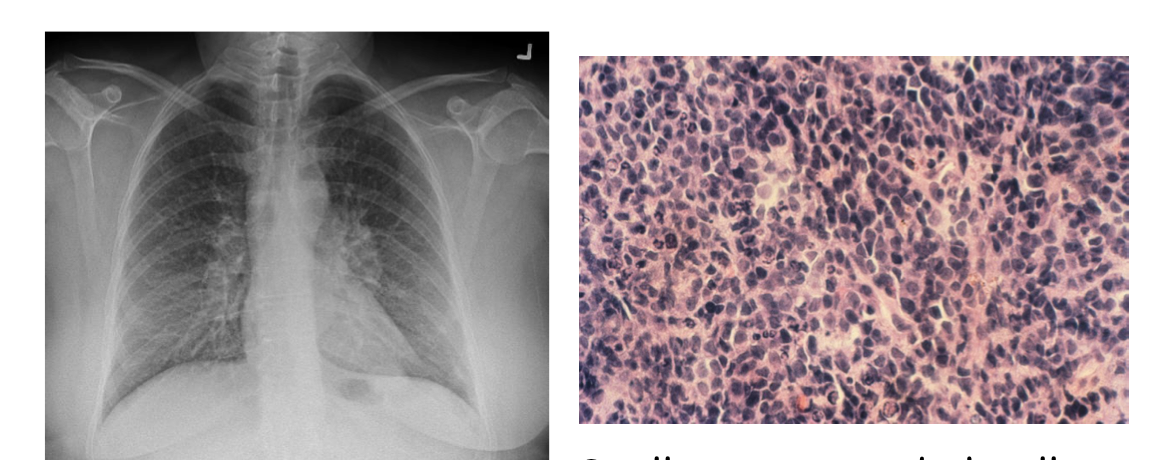
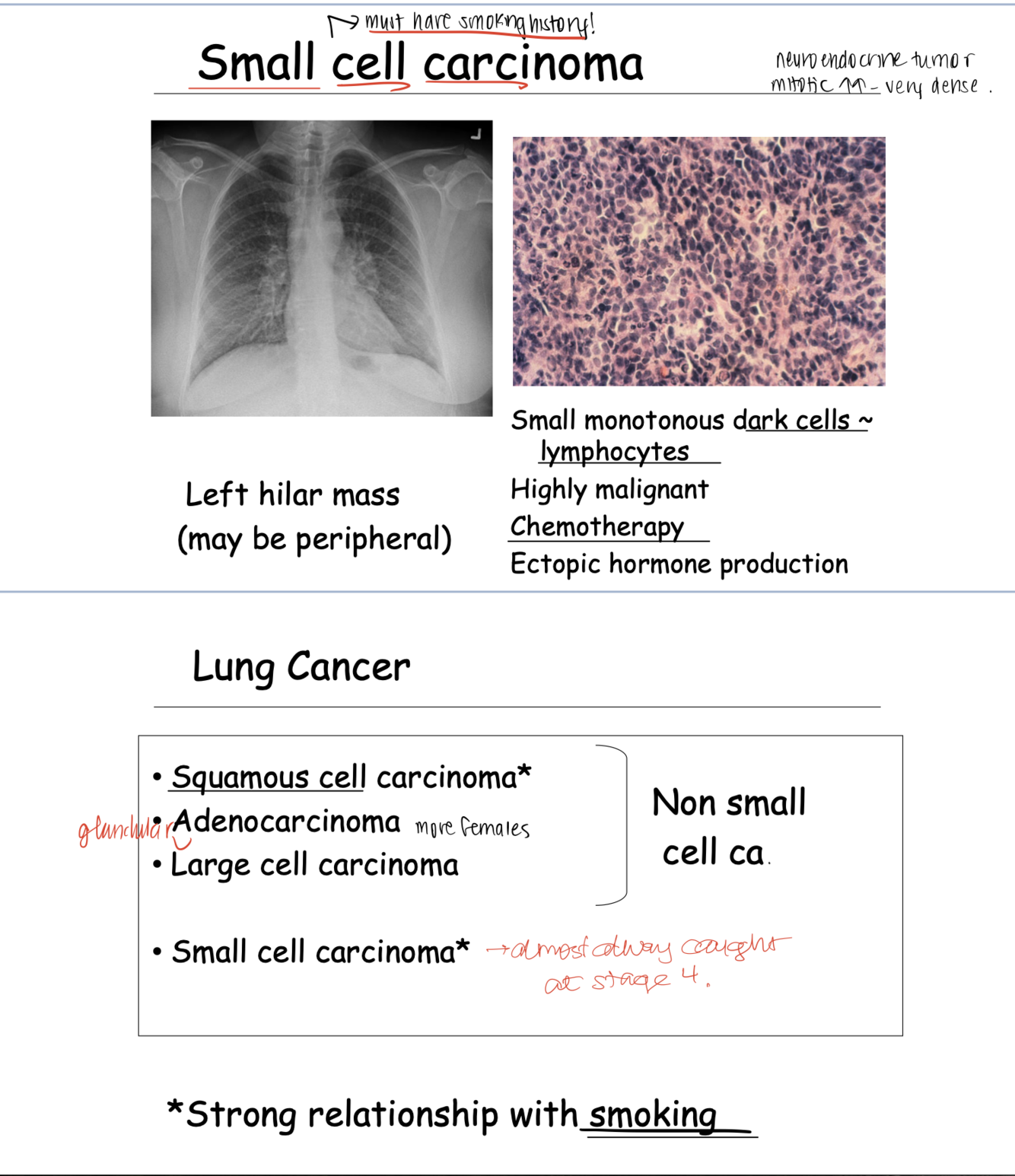
what type of cancer?
Squamous cell carcinoma
- more likely to affect airways than adenocarcinoma (more liekly to affect lung parenchyma)
- M>F
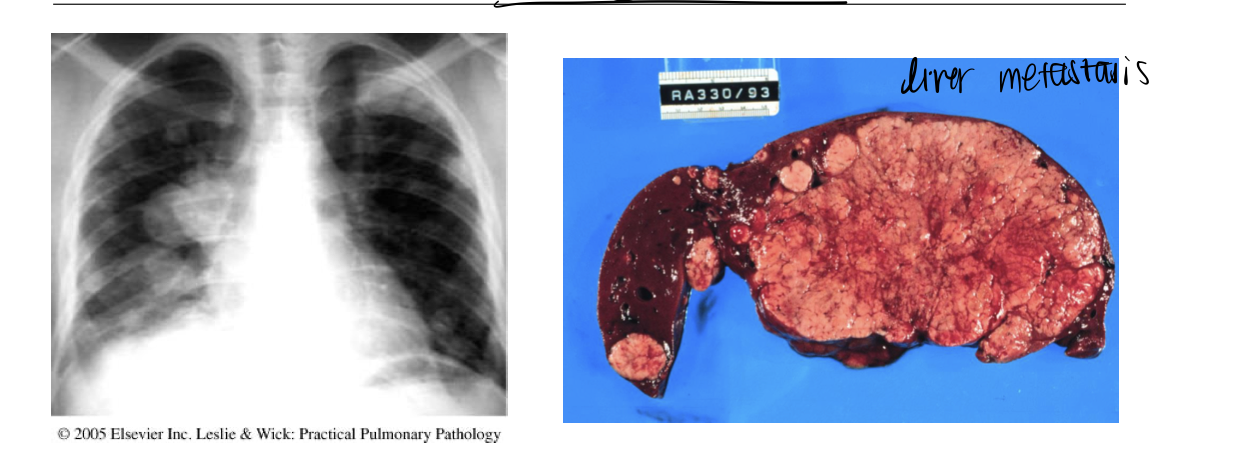
- metastasizes outside thorax only late
- likely to have paraneoplastic syndrome– hypercalcemia
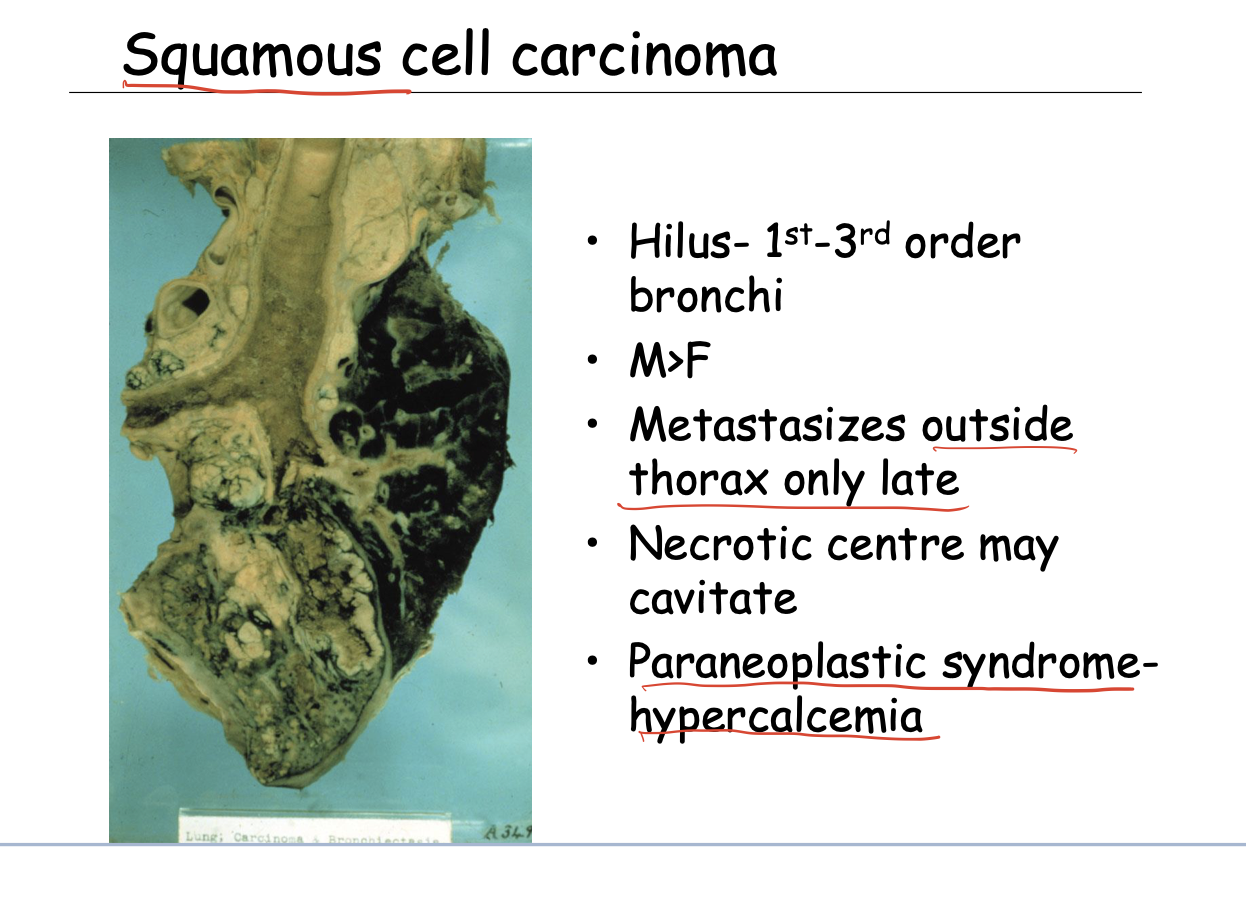
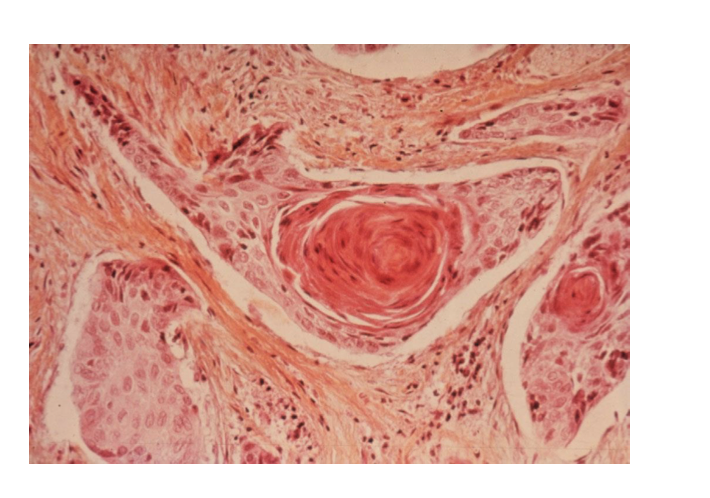
Squamous cell carcinoma
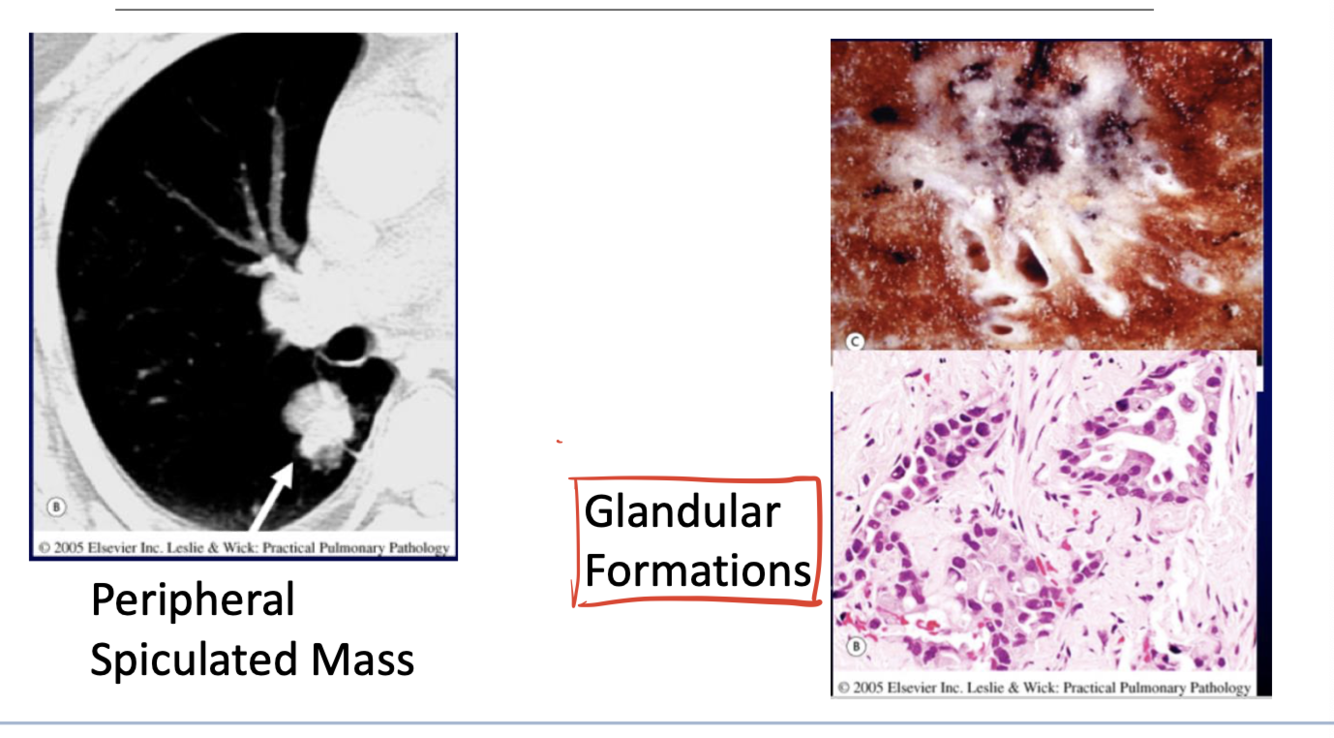
Adenocarcinoma
F>M
- more likely to infiltrate the lung parenchyma rather than the main airways
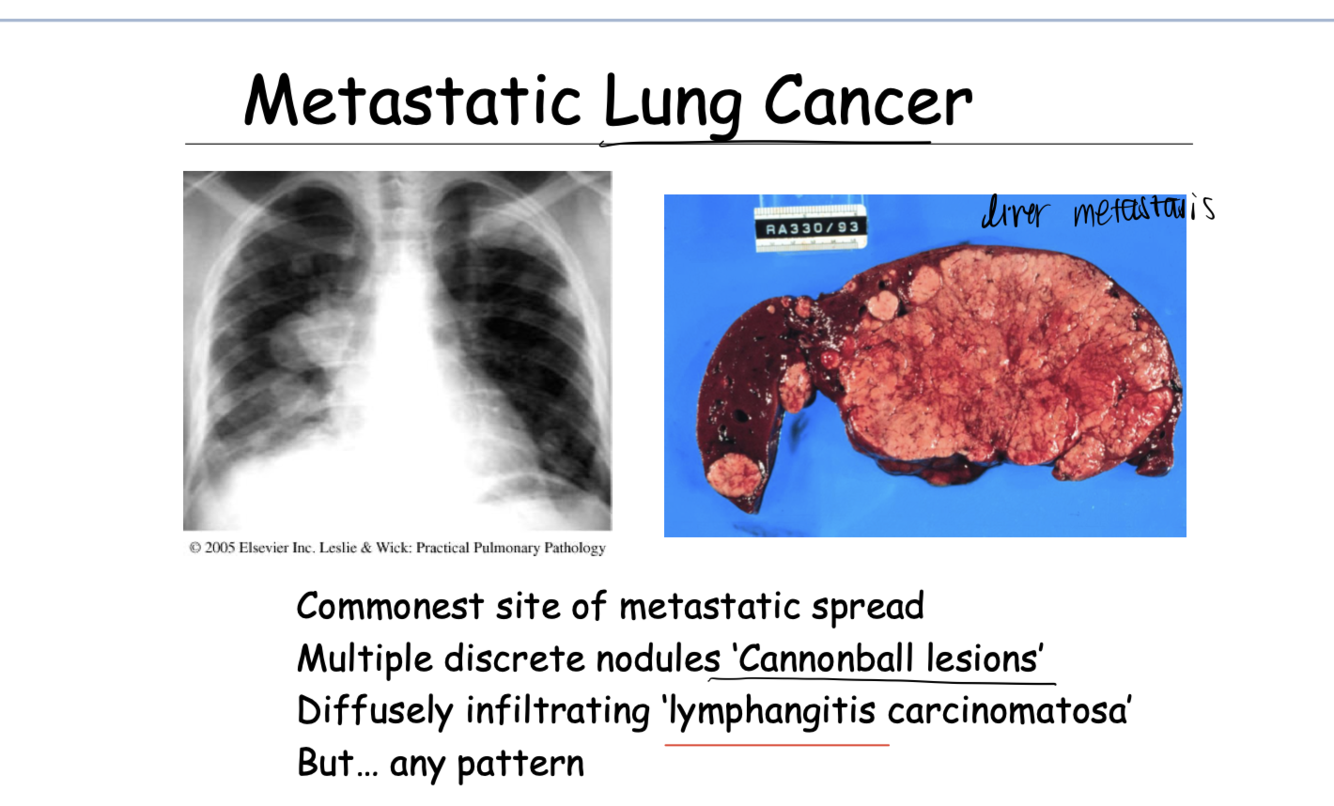
what is being depicted in this slide
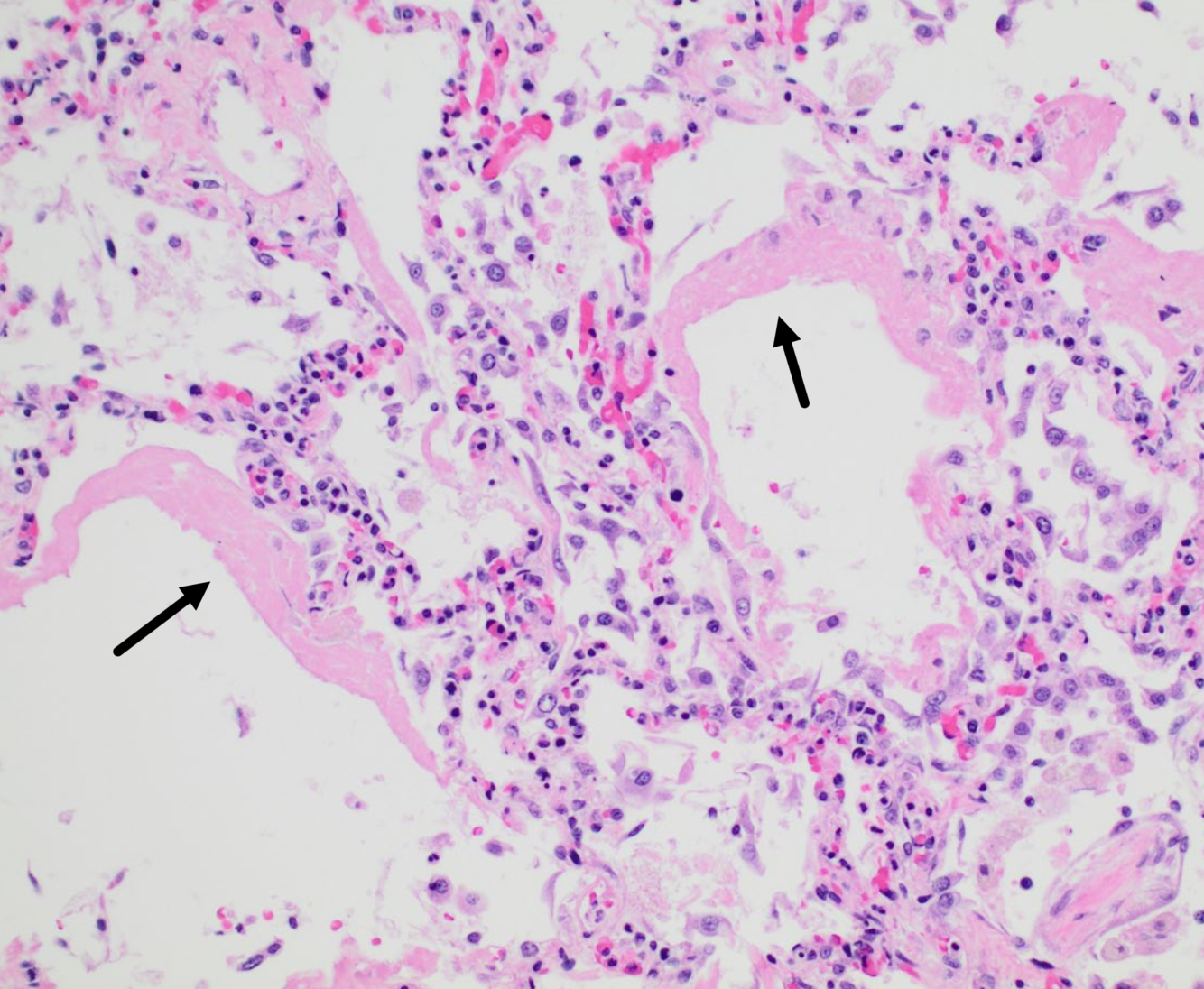
hyalination and white blood cell s
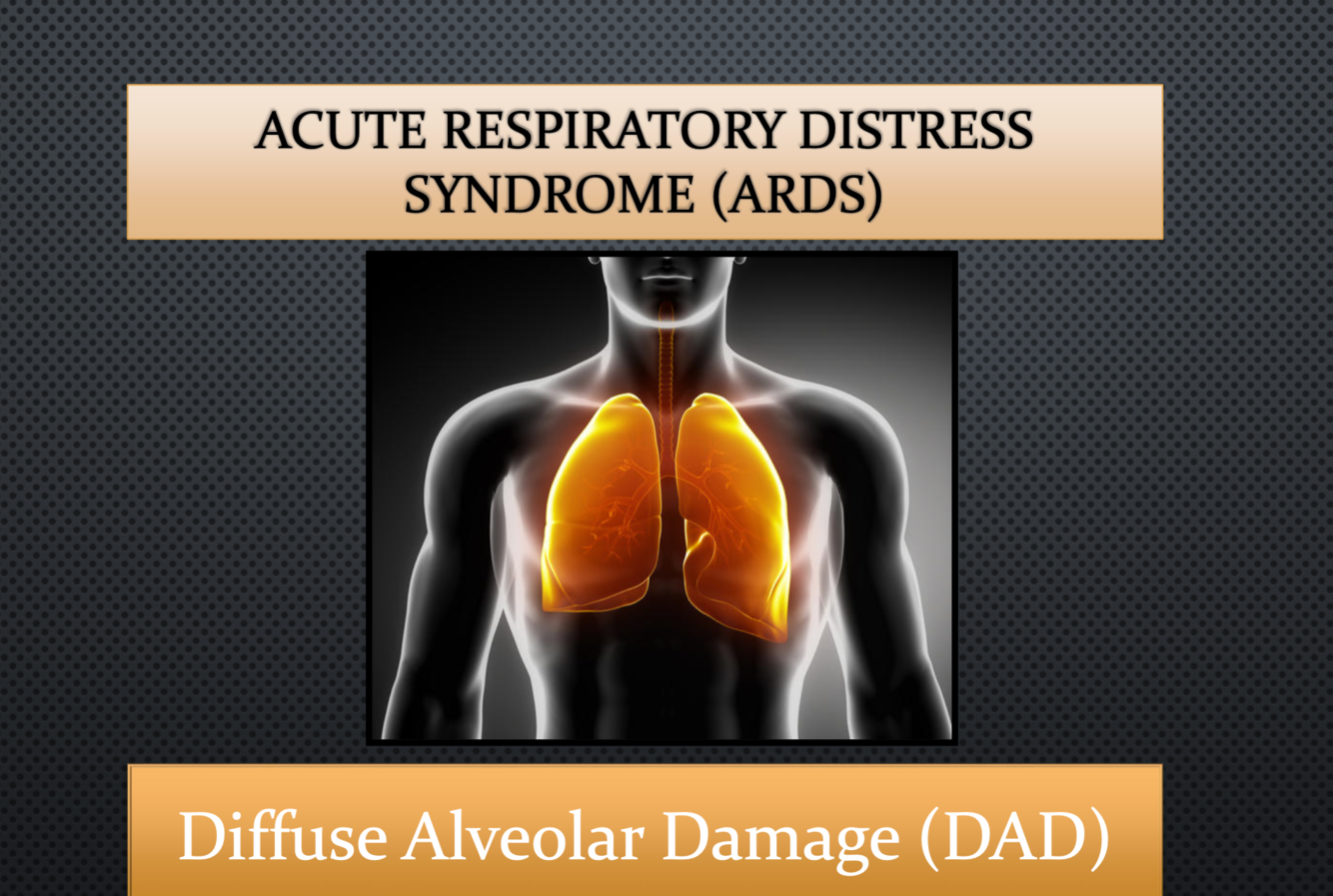
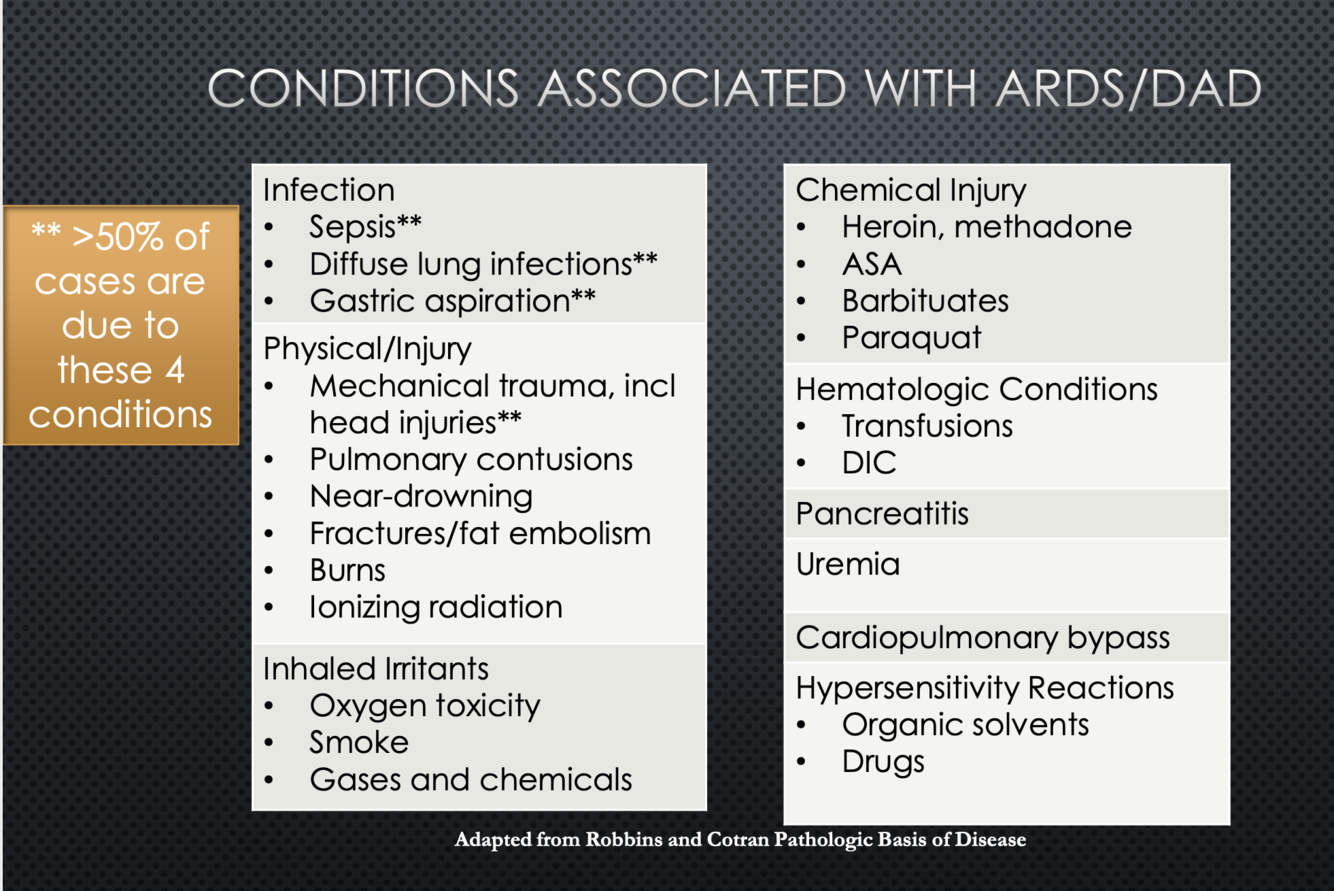
conditions associated with ards
3 stages of ARDS
- exudatiev
- proliferative
- fibrotic– hyalization
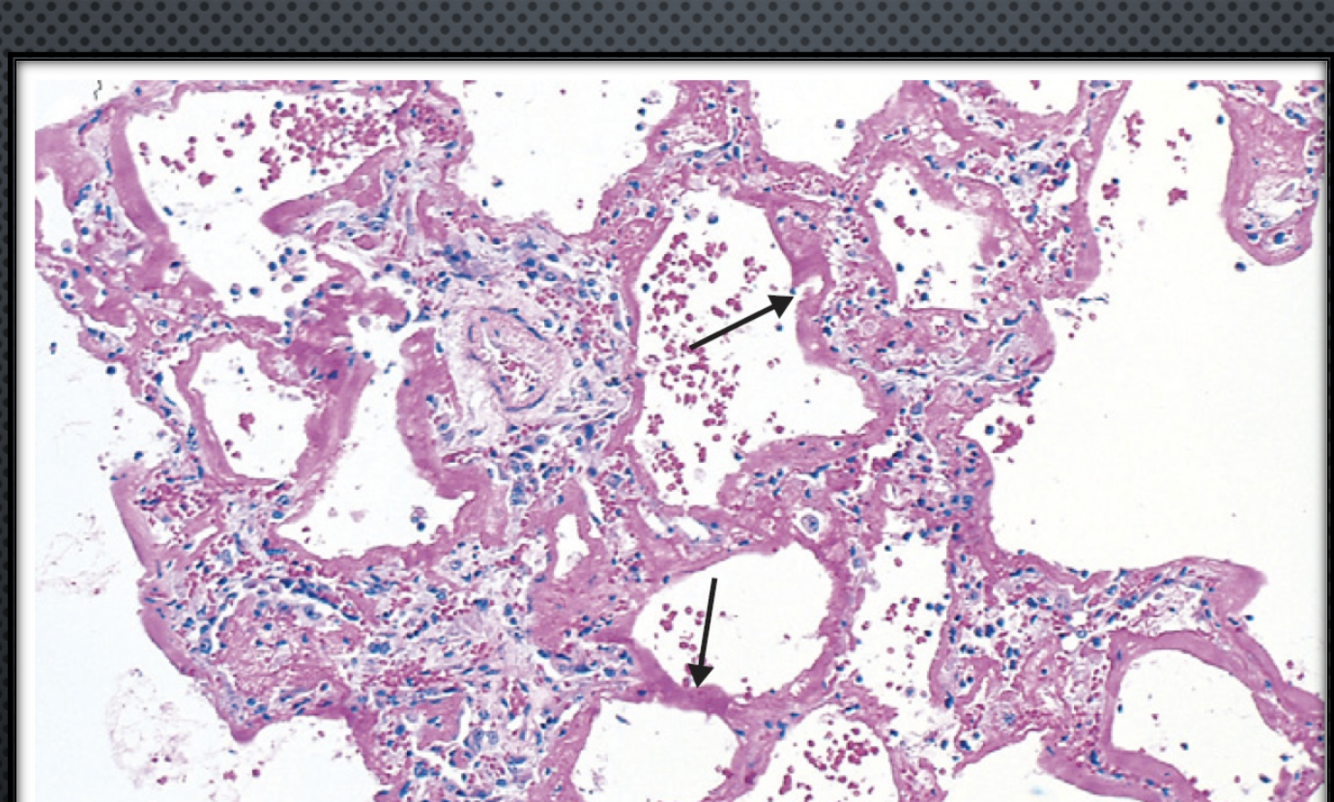
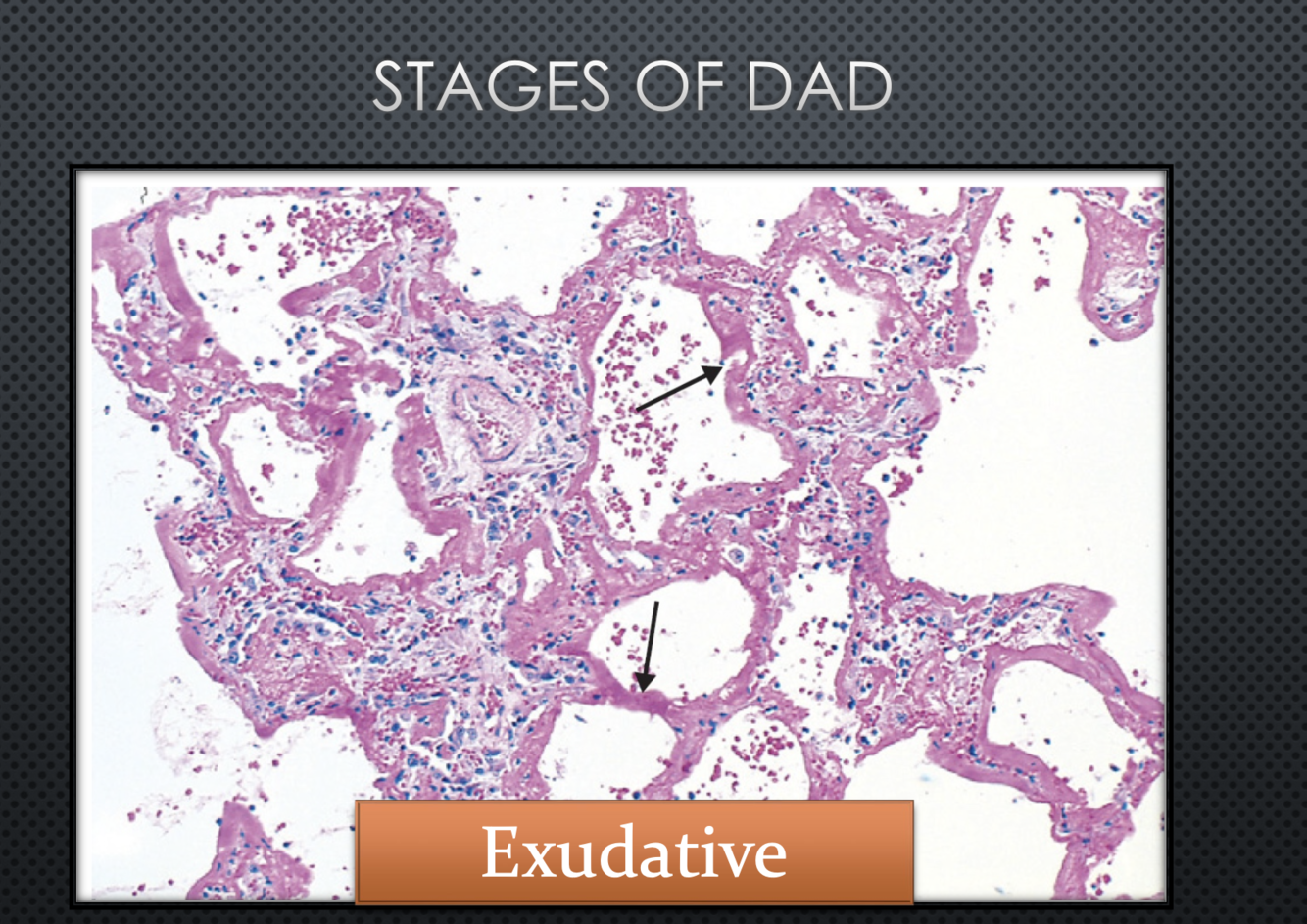
phase of ARDS?
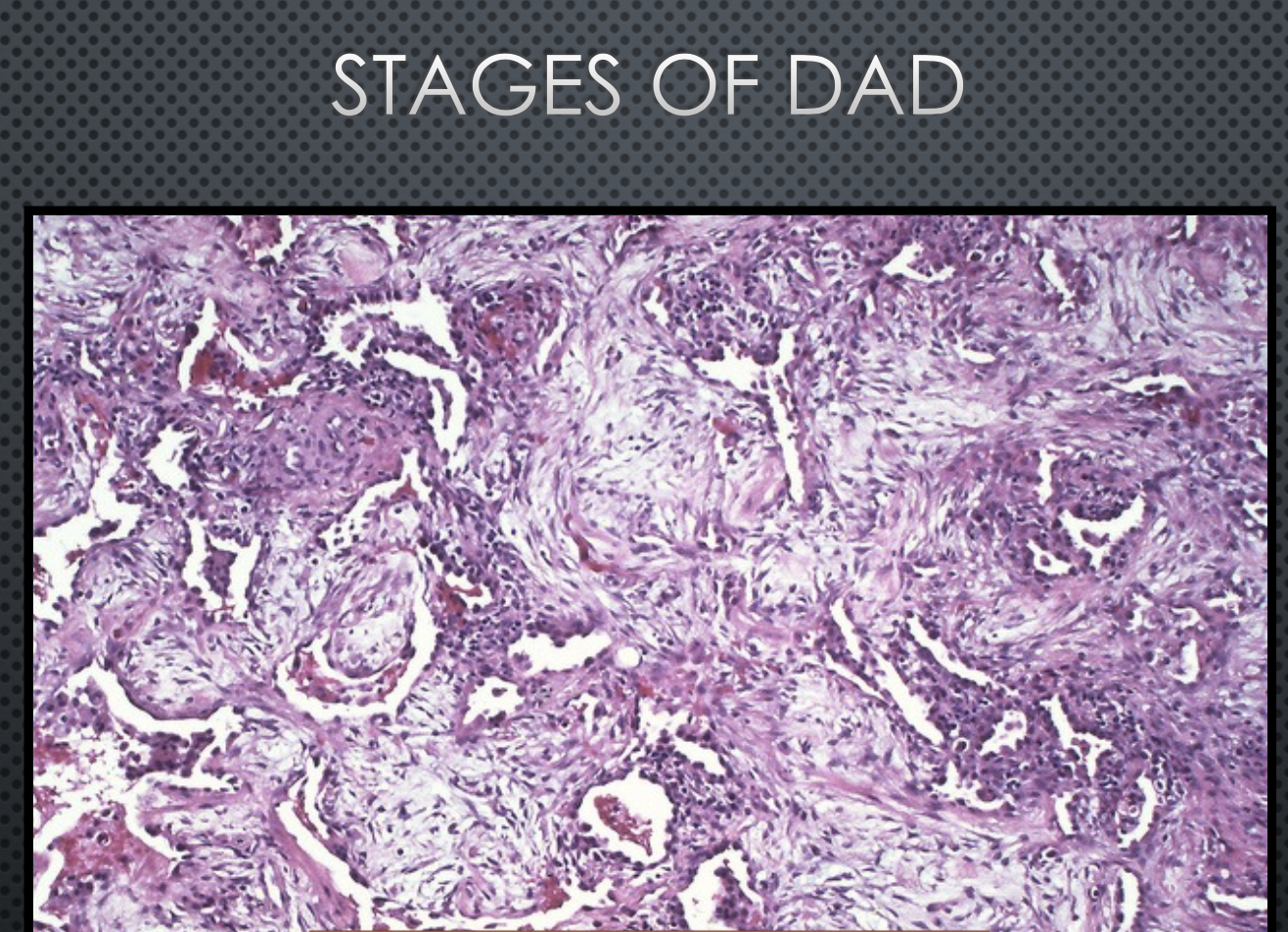
- proliferation type II cells
- fibroblast proliferation
- hyaline membrane deposit
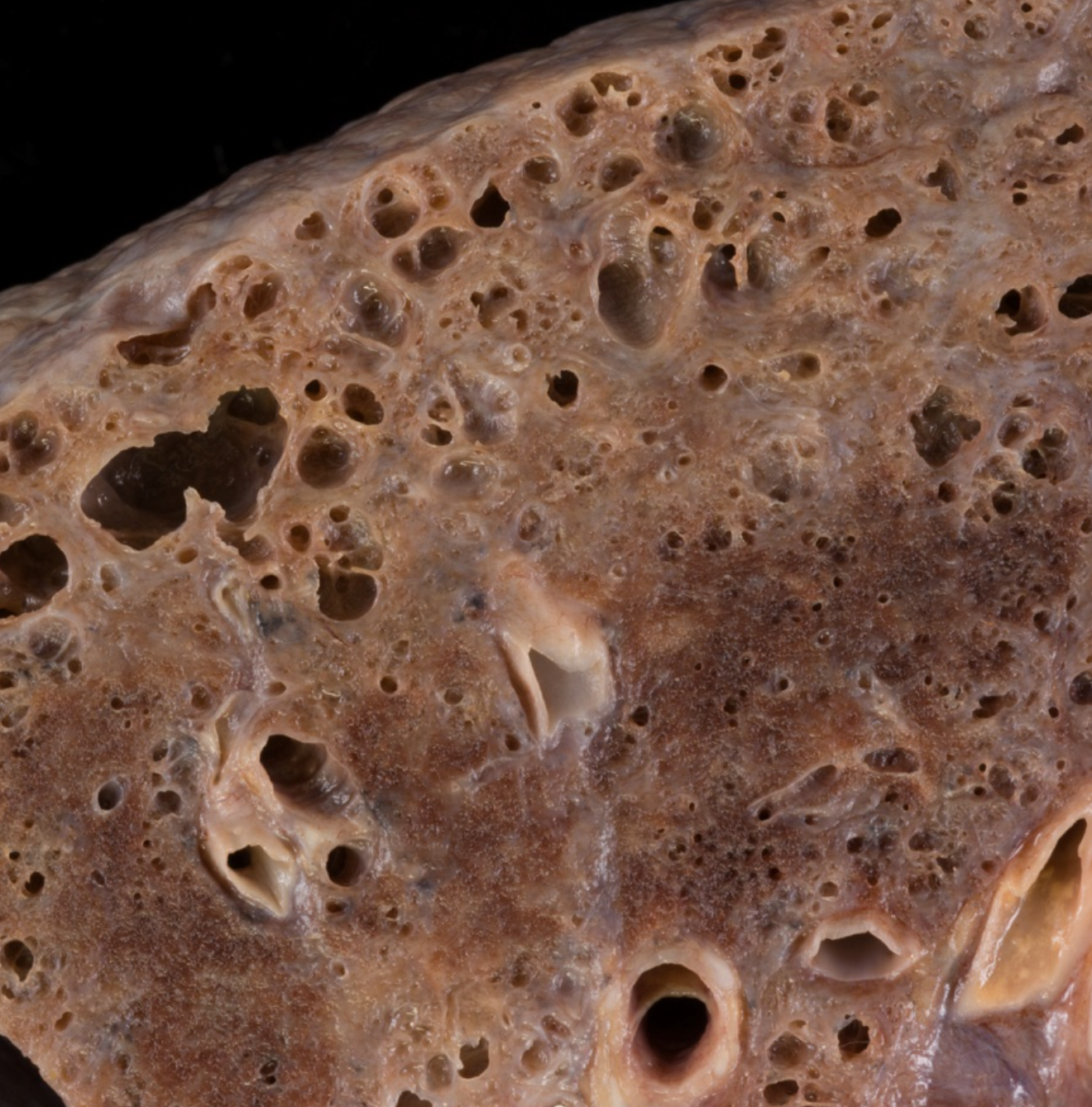
honey comb lung, usually indicates ILD– fibrosis
65yo f
- productive cough for last decade
- worse in the morning– clear to white sputum
- increasing SOB with exertion over the past 2 years, where now she is breathless upon minimal exertion
- pulmonary function stuies show TLC 6.5 (expected 6L), FVC 4.5, and FEV1 2.5L. $
- see increased pulmonary markings for sure
- ct shows dilation
- EMPHYSEMA: abnormal permanent enlargemnet of the airspaces distal to the terminal bronchioles accompanied by destruction of the alveolar wall and without obvious fibrosis.
- part of COPD
main risk factors associated with emphysema
- smoking
- alpha 1 antitrypsin deficiency
- intravenous injection of methlphenidate
there are three morphologic subtypes of emphysema based on their relationship to the secondary pulmonary lobule. what are they?
- centriacinar emphysema: most common, affects proximal respiratory bronchioles and upper lobes predominate. strongly associated with smoking
2. panlobular (emphysema); affects entire secondary pulmonary lobule. most pronounces in the lower zones. associated with alpha 1 antitrypsin deficiney.
3. paraseptal emphysema; usually located adjacent to the pleural surfaces (including pleural fissues)– aka a more peripheral emphysema. associated with smoking and can lead to the formation of a sub pleural bullae and spontaneous pneumothorax


-
Intro to ECG Part 143
-
Intro to ECG Part 2: 12 Lead ECG52
-
Coronary Blood Flow and the Microcirculation26
-
Intro to Cardiac Physiology42
-
Intro to Wigger and PV Loops13
-
Clinical Presentations of Ischemic Heart Disease48
-
Medical Management of Stable CAD33
-
Risk Stratification of Coronary Artery Disease8
-
Management of Acute Coronary Syndromes24
-
Heart Sounds and the Arterial Pulse33
-
Revascularization Strategies14
-
Peripheral Vascular Disease18
-
Intro to Chest Radiology (incomplete)15
-
Pulmonary Embolism19
-
Excitation-Contraction7
-
Pericardial Disease30
-
Pneumothorax20
-
Respiratory Physiology I21
-
Respiratory Physiology II28
-
Pulmonary Function Testing16
-
Acid Base Disorders20
-
Chest Wall Disorders24
-
CV Pathology19
-
Mechanical Complications of MI30
-
Asthma Clinical, Management and Pharmacology24
-
Rheumatic Fever and Endocarditis30
-
Syncope and Autonomic Dysfunction31
-
Bradycardia33
-
Asthma: Cellular10
-
COPD33
-
Bronchiectasis14
-
Anti-Arrhythmics20
-
Aortic Disease16
-
Cardiac Drugs: CHF and Anti-Anginals19
-
Chest Radiology: Airspace and Diffuse Parenchymal Lung Disease19
-
Interstitial Lung Disease17
-
Management of ILD19
-
Introduction and Pathophysiology of Heart Failure28
-
Management of Heart Failure20
-
Valvular Disease: Semilunar Valves25
-
Valvular Disease: Atrioventricular Valves32
-
Pulmonary Hypertension13
-
Cardiomyopathies26
-
Introduction to the Autonomic Nervous System3
-
Hemoptysis29
-
Pharmacology: Vasoactive Agents26
-
Atrial Fibrillation40
-
Supraventricular Tachycardia27
-
Shock: General Overview and Approach25
-
Distributive Shock19
-
Cardiogenic Shock27
-
Upper Respiratory Tract Infection31
-
Clinical Pathological Correlation21
-
Code Blue16
-
Ventricular Arrythmias and Sudden Cardiac Death27
-
Cardiac Arrest30
-
Managing an Emergency Situation15
-
Acute Respiratory Failure34
-
Thoracic Surgical Emergencies23
-
Pleural Diseases49
-
Clinical Pneumonia: Diagnosis and Management37
-
Tuberculosis63
-
Bugs and Drugs58
-
Chronic Cough17
-
Bradycardia45
-
Infections in the Immunocompromised Host19
-
Lung Cancer Epidemiology, Biology, Clinical Presentation and Screening45
-
Intro to Lung Cancer16
-
Approach to Lung Cancer46
-
Pediatric Respiratory/Noisy Breathing in Child39
-
Cough in Child22
-
Pediatric Asthma37
-
Bronchiolitis22
-
Pediatric Sleep Problems34
-
Cystic Fibrosis31
-
Cardiovascular Disease Prevention Part 17
-
Cardiovascular Disease Prevention Part 225
-
Cardiovascular Disease Prevention Part 39
-
Genetics I0
-
Intro to ECG Part 336
-
Intro to Pediatric Cardiology and Congenital Heart Disease36
-
Left to Right Shunts36
-
Right to Left Shunts36
-
Murmur Recap30
-
Pediatric Obstructive Cardiac Lesions39
-
ECG 3 Part 239
-
Approach to Pediatric ECGs18
-
Pediatric Acquired heart Disease36
-
Resp Pathology58
-
Cardiac Pathology23



