BEARS problems
bedtime problems
excessive day time sleepiness
awakenings at night
regularity/duration of sleep
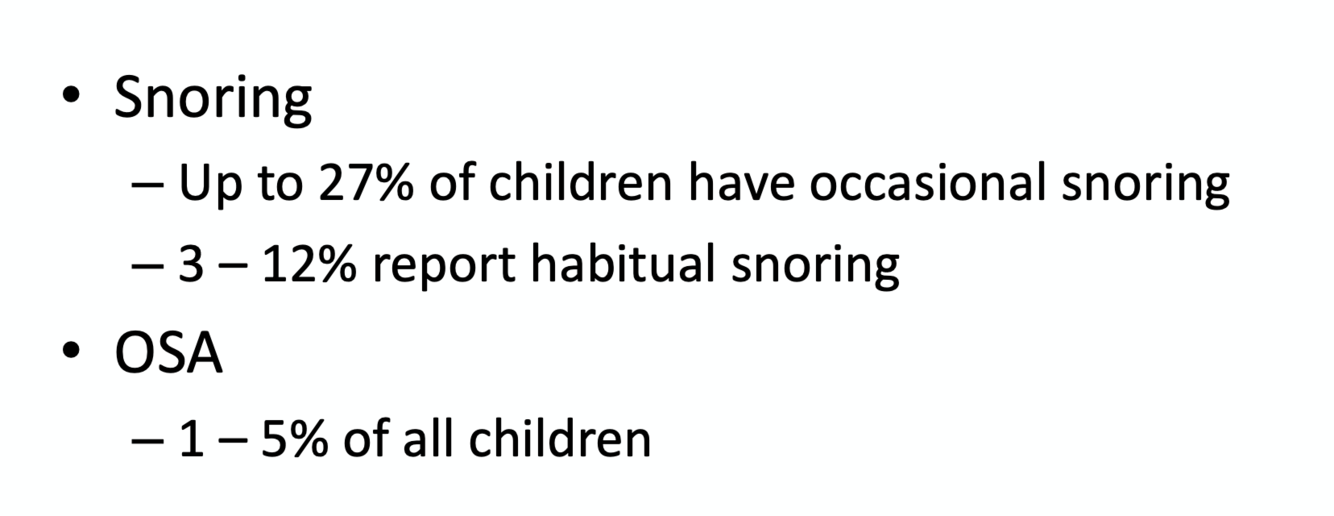
snoring
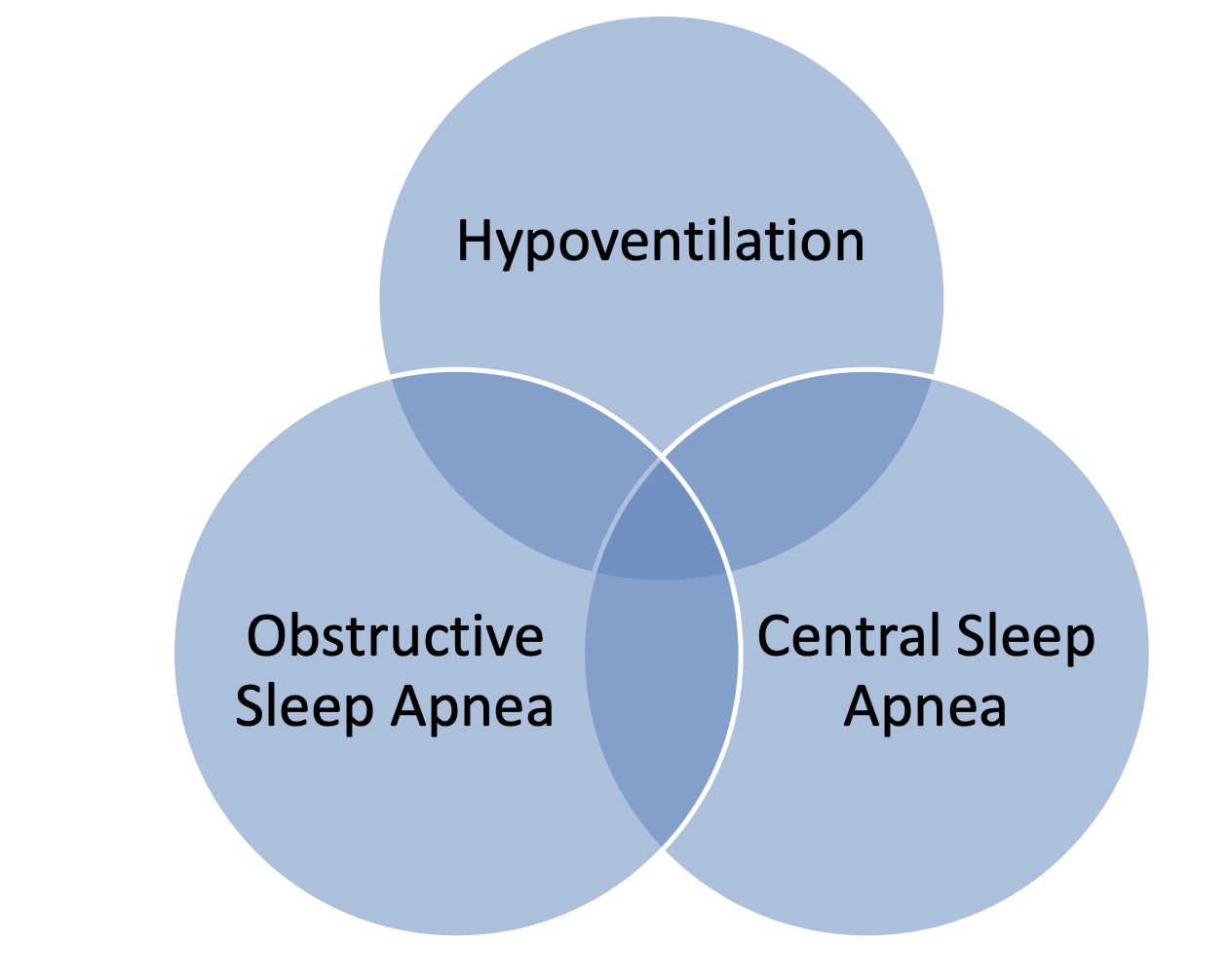
3 types of respiratory sleep disorders
- hypoventilation
- OSA
- CSA
- can have more than one
6 year old boy
– History of snoring, restless sleep
– Concerns regarding attention and focus in school
Tonsillar hypertrophy on examination
type of respiratory sleep disorder?
obstructive sleep apnea
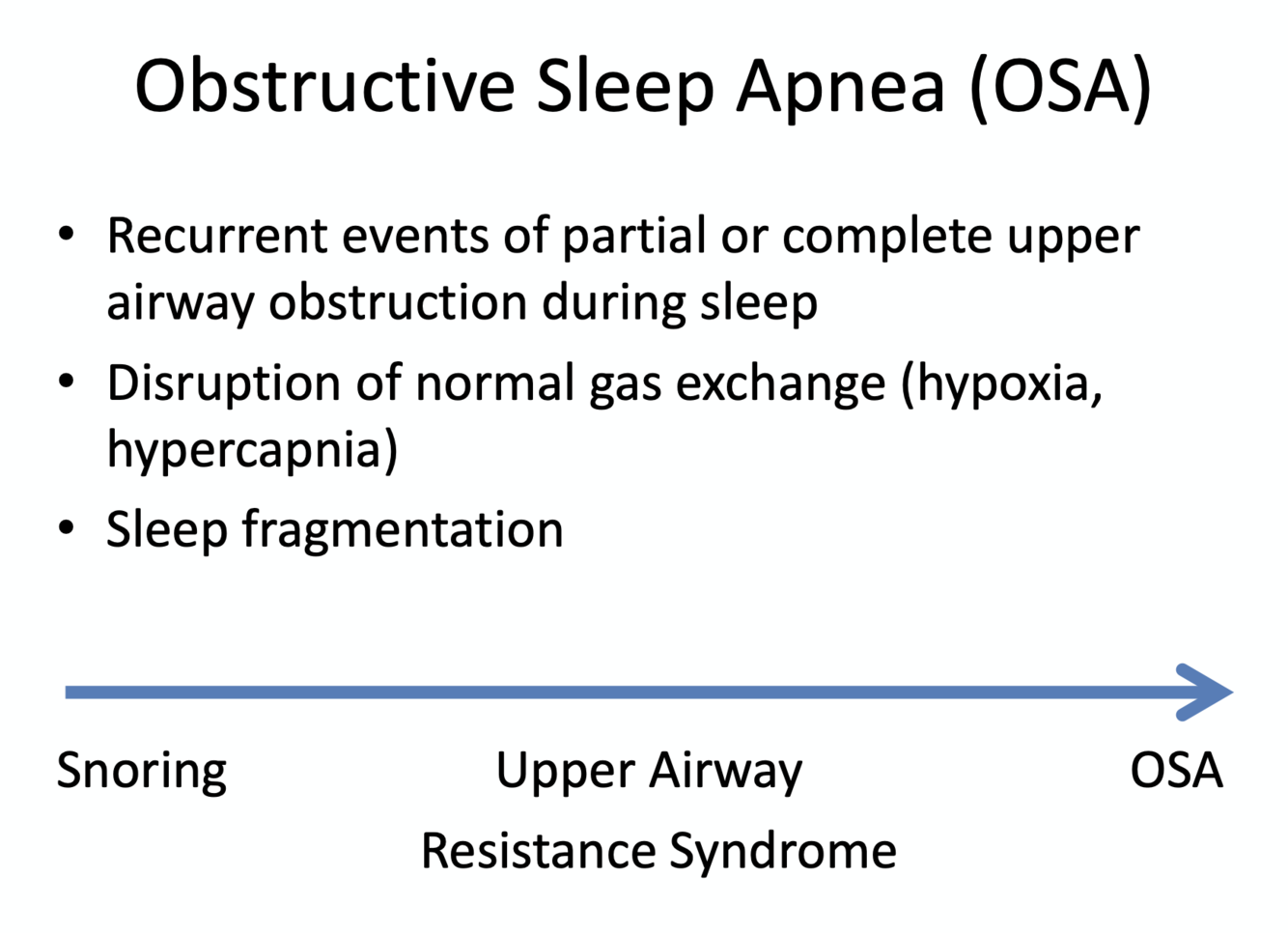
Obstructive Sleep Apnea (OSA)
• Recurrent events of partial or complete upper
airway obstruction during sleep
• Disruption of normal gas exchange (hypoxia,
hypercapnia)
• Sleep fragmentation
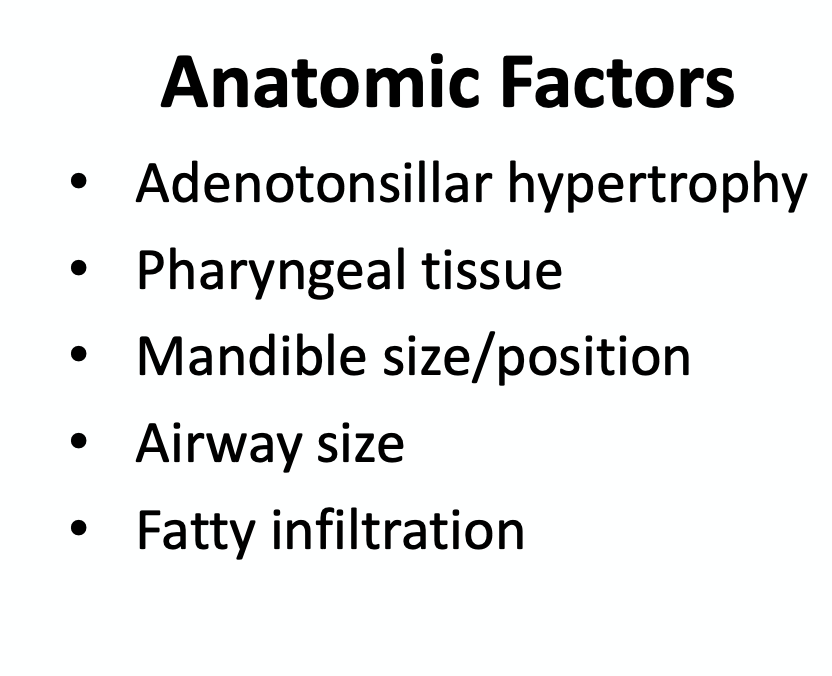
anatomic factors that cause OSA
- Adenotonsillar hypertrophy
- Pharyngeal tissue
- Mandible size/position
- Airway size
- Fatty infiltration
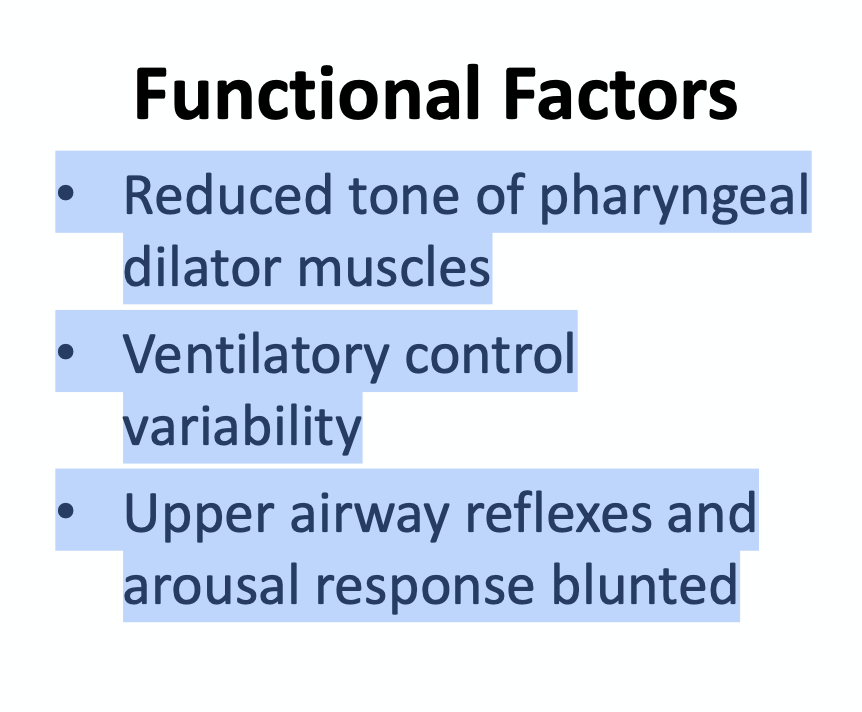
functional factors of OSA
• Reduced tone of pharyngeal
dilator muscles
• Ventilatory control
variability
• Upper airway reflexes and
arousal response blunted
pathway to OSA from snoring
- snoring
- upper airway resistance syndrome
- OSA
biggest risk factor in typical child for oSA
adenotonsillar hypertrophy
how does pierre robin sequence, premature infant, or obese child get predisposed to OSA
these syndromes affec airway structure
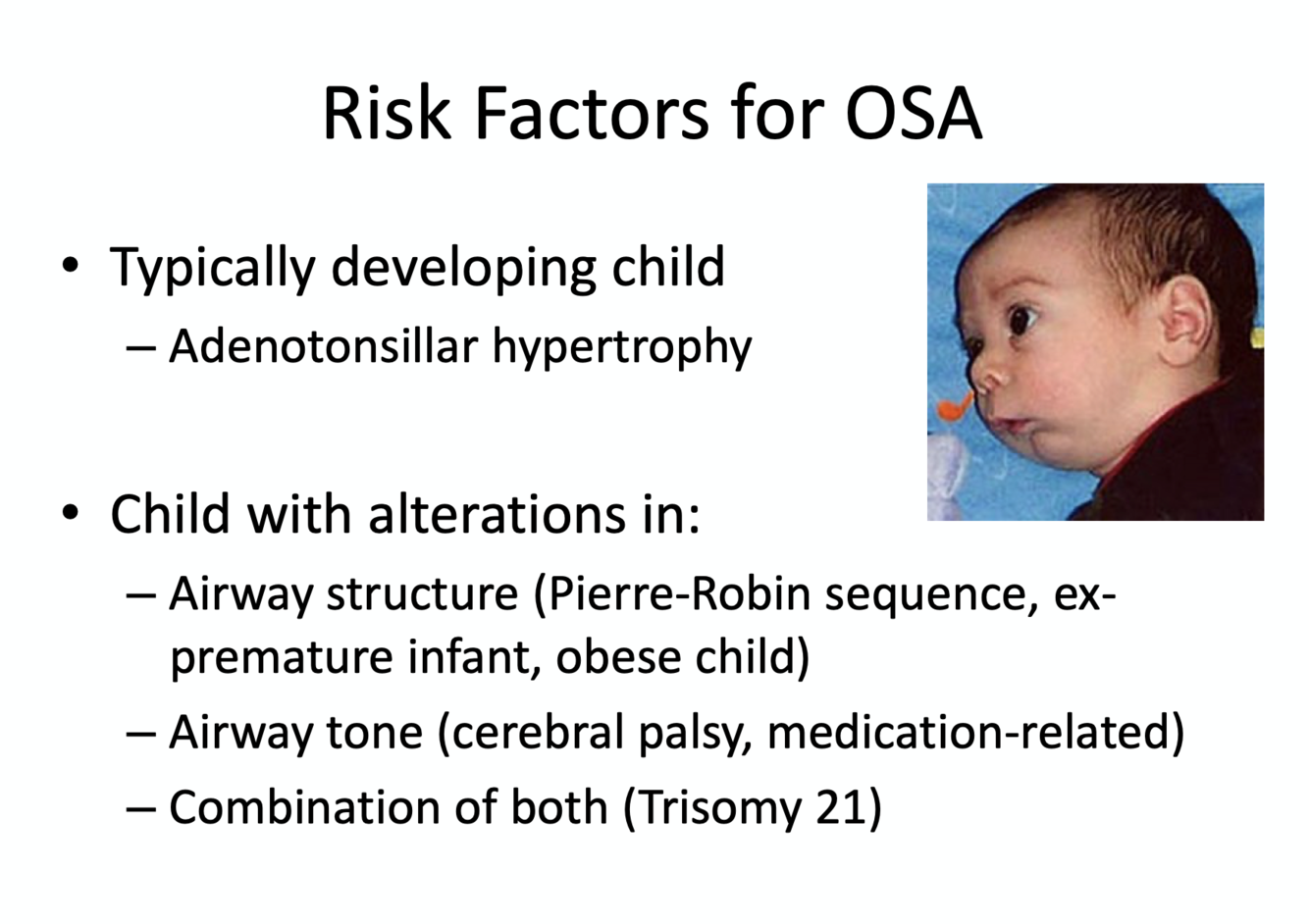
how do children with cerebral palsy have a higher risk factor for OSA
it affects airway tone
how do kids with downs sydnrome get predisposed with ISA
combo of adenotonsillar hypertrophy, they have more airway compressibilities and they have alterations in air way structure
consequences of OSA
- systemic inflammatory condition
- cardiovascular – systemic, pulmonary hypertension
- metabolic – lipid abnormalities, insulin resistance
- somatic growth impairment
- neurobehaviroual (hyperactivity, impulsivity, depression)
- cognitive impairments
- decreased quality of life
- increased health care utilization
clinical presentation of nocturnal OSA
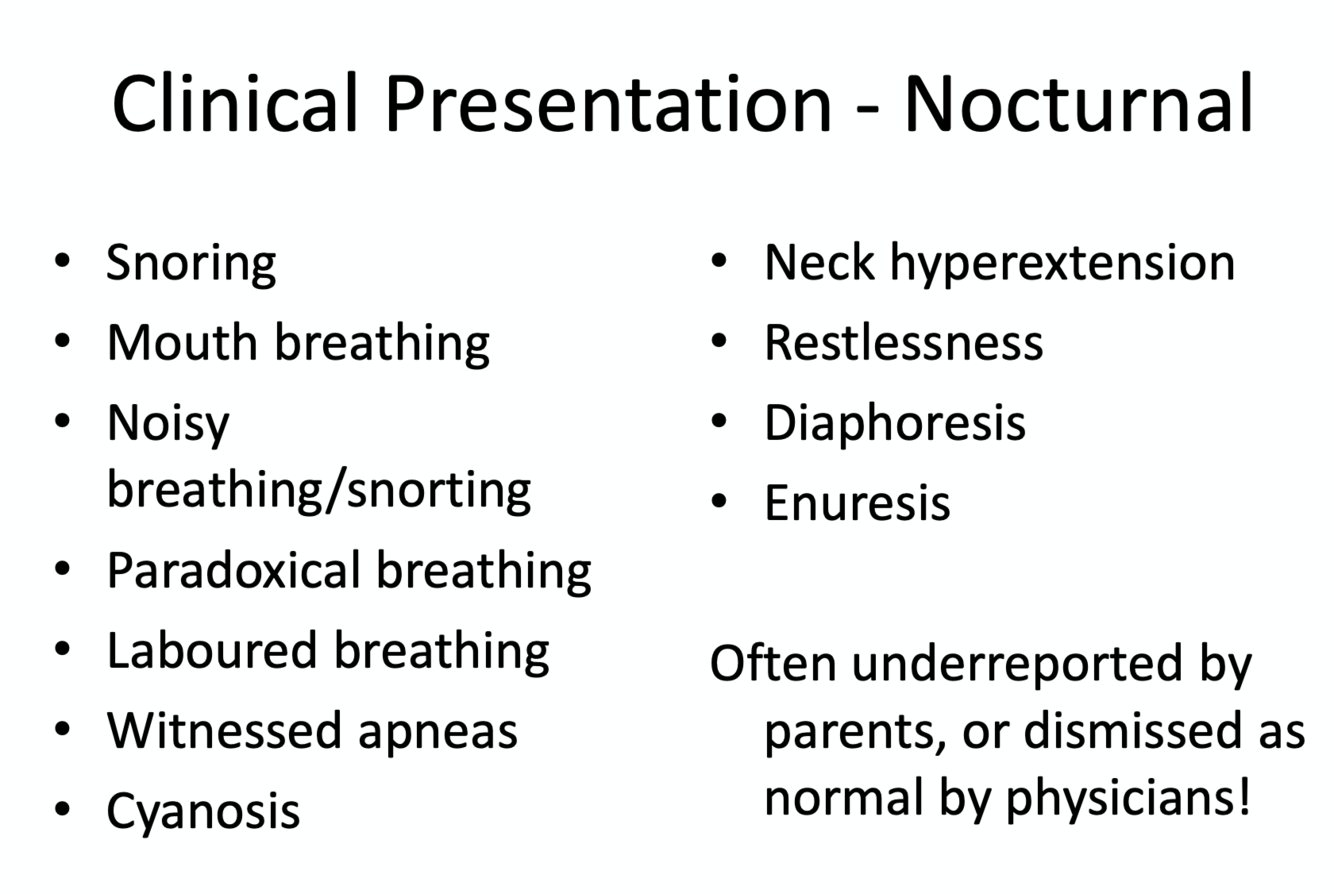
day time presentation of OSA
- Difficulty waking
- Morning headaches
- Nasal obstruction •
Mouth breathing •
Daytime fatigue
- Daytime sleepiness
- Hyperactivity
things to do on PE for OSA
- oropharyngeal/nasal assessment and malampatti score
- facial structure assessment
- height/weight
- vitals, screening cardiorespiratory exam
T?F: Clinical history and physical exam are poor predictors
of OSA
true.
• Home sleep apnea testing is often not feasible, is not
validated, and is not recommended in children
• Gold standard test for diagnosis is the overnight
polysomnogram (PSG)
• So why didn’t we refer this patient for PSG?
factors that are measured by PSG
- sleep quality
- respiratory pattenr
- gas exchange
- limb movements
gold standard test for OSA
• Gold standard test for diagnosis is the overnight
polysomnogram (PSG)
what does each lead represent
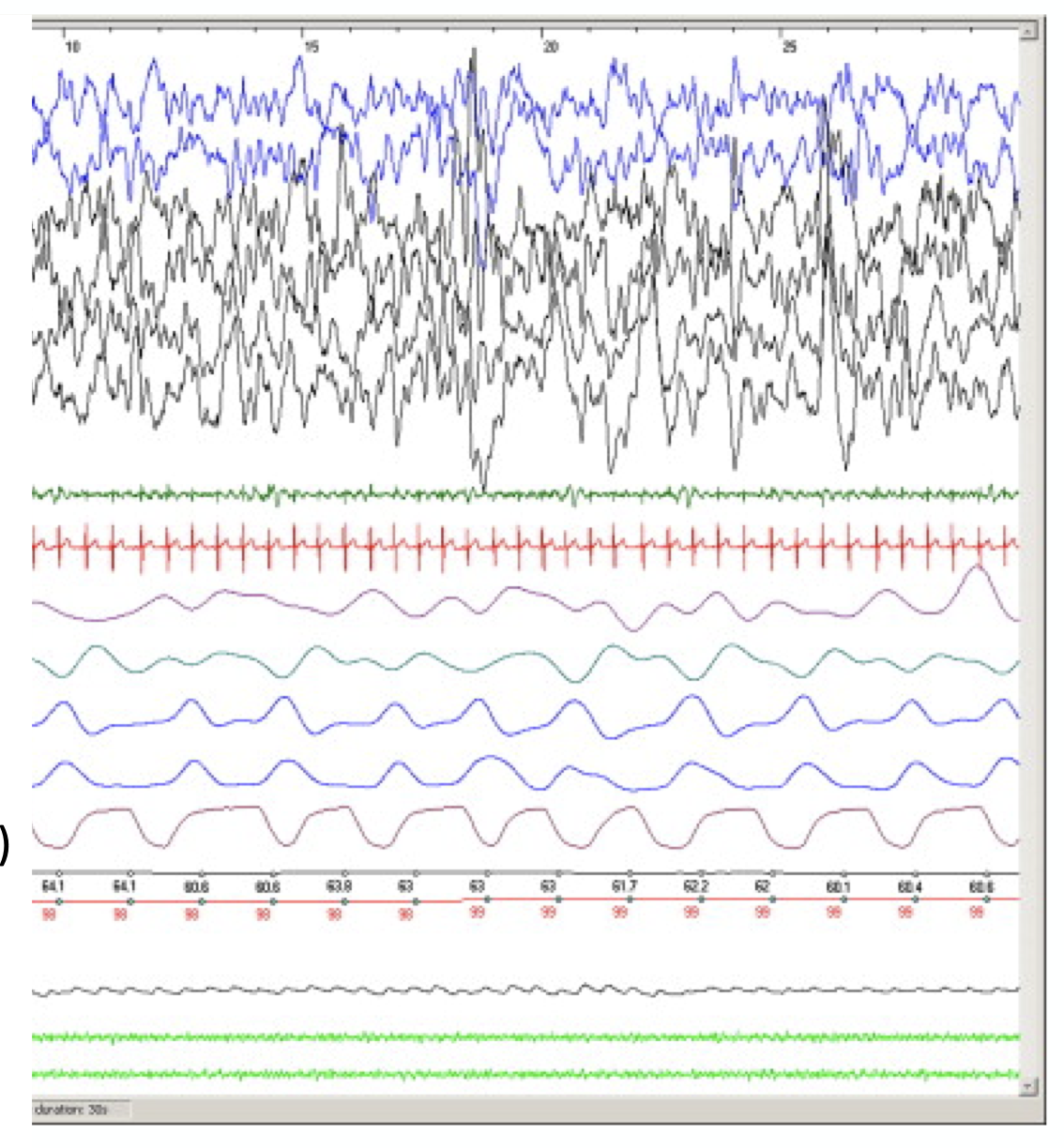
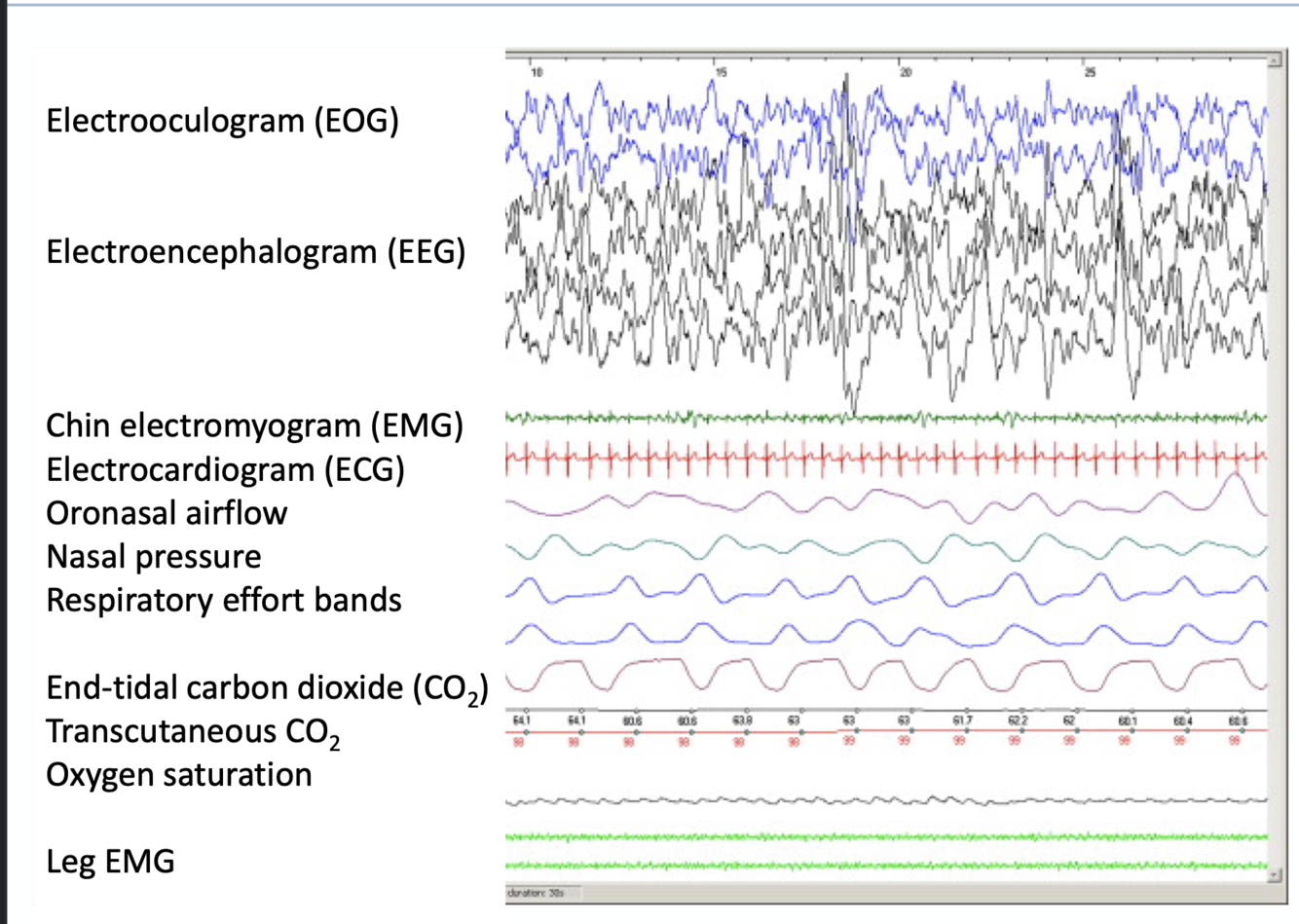
• Obstructive apnea = “trying to breathe and can’t”
– Absent airflow despite continued respiratory effort
– Lasts ___ breaths or longer
___ = “poor quality breathing causing and/or arousal on EEG troubles”
– Decrease in airflow by >___% of baseline
– Lasts two breaths or longer
– Associated with a 3% drop in oxygen saturation
• Obstructive apnea = “trying to breathe and can’t”
– Absent airflow despite continued respiratory effort
– Lasts 2 breaths or longer
hypopnea = “poor quality breathing causing and/or arousal on EEG troubles”
– Decrease in airflow by >30% of baseline
– Lasts two breaths or longer
– Associated with a 3% drop in oxygen saturation
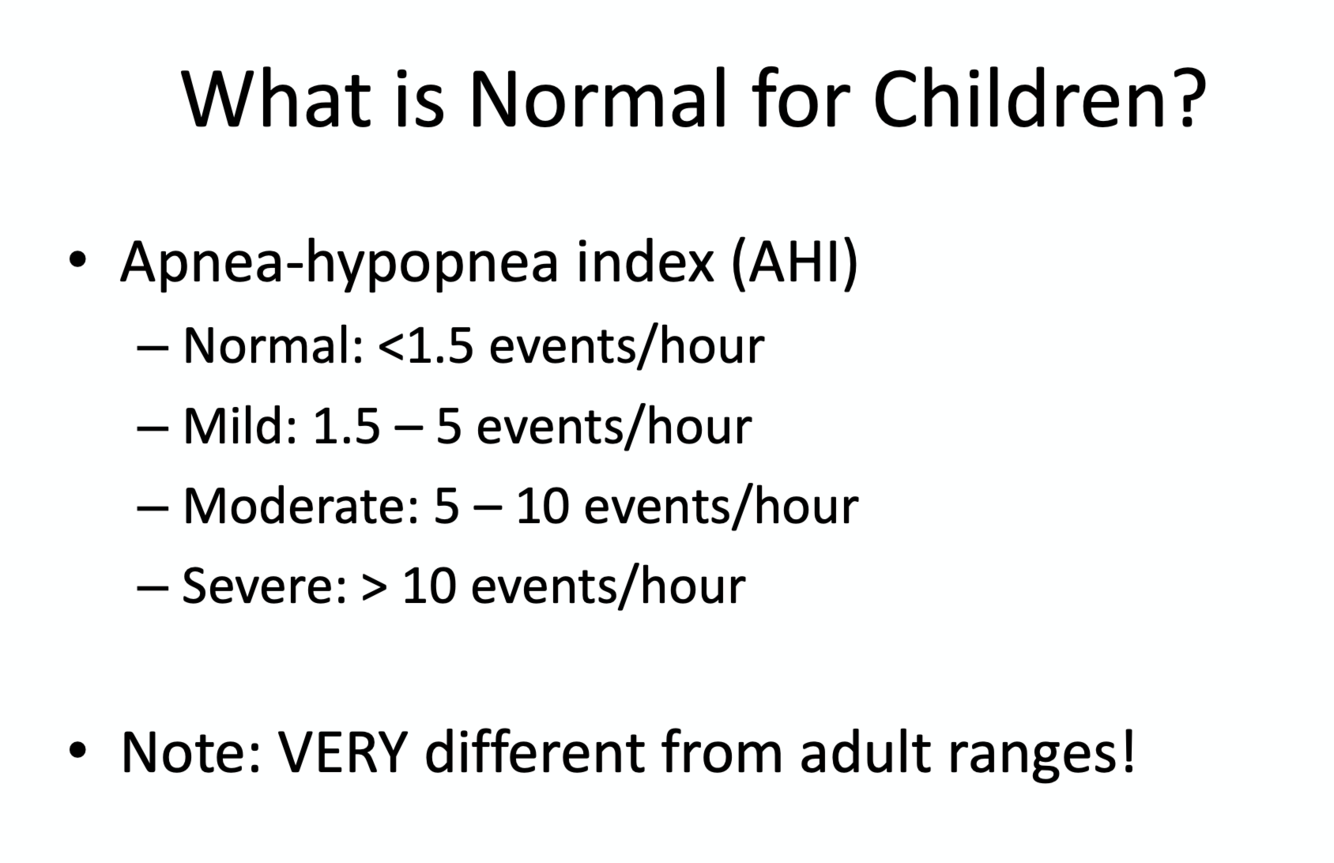
normal and severe OSA
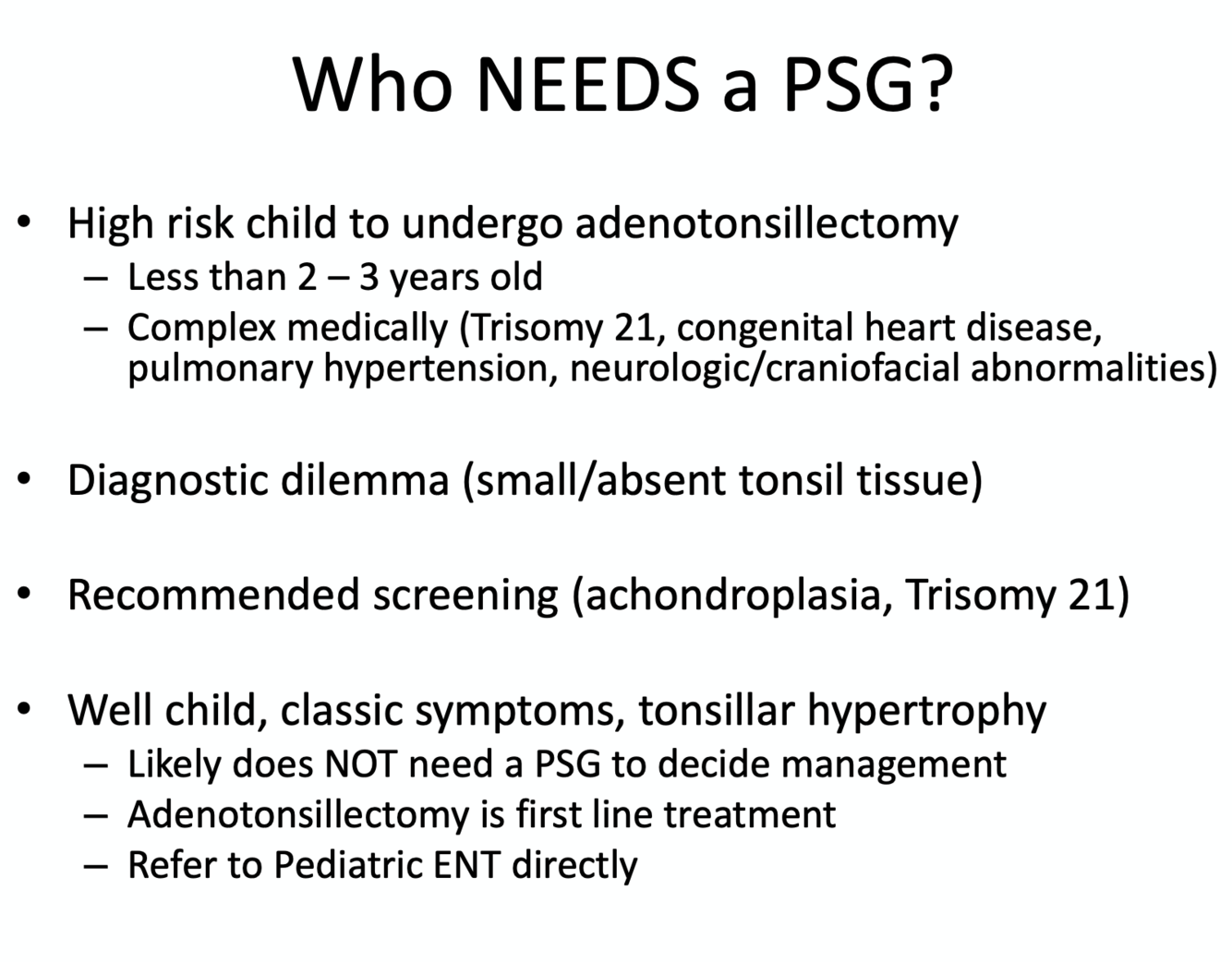
we have huge accessibility problems for PSG in children. Who needs a PSG? Who must have one?
- children who are high risk for adenotonsillectomy: less than 2-3 years old, syndromic children
- diagnostic dilemma (small/absent tonsils issue)
- recommended screening (achondroplasia, trisomy 21)
- children with classic OSA presentation– just refer to ENT
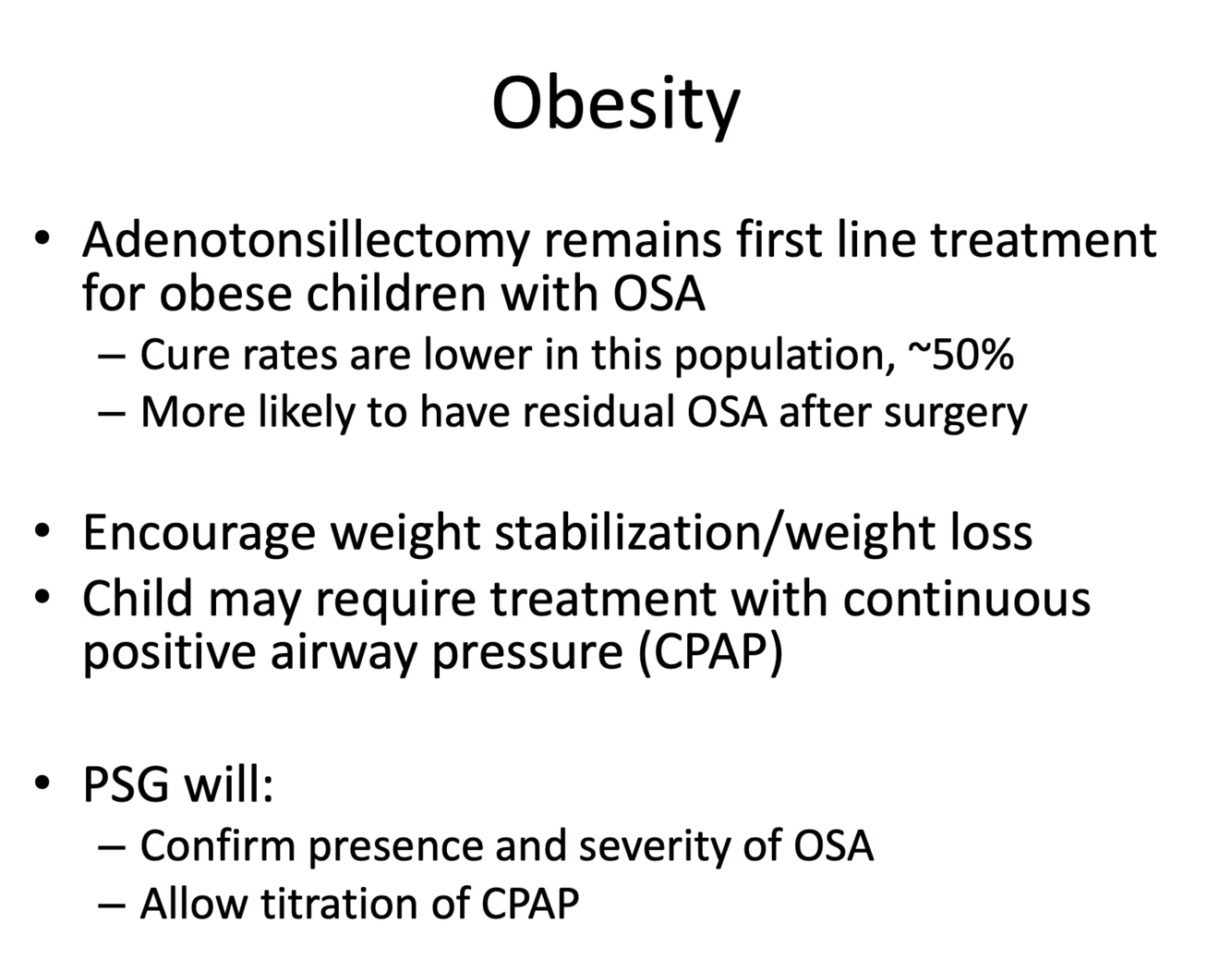
___ remains first line treatment
for obese children with OSA
Adenotonsillectomy remains first line treatment
for obese children with OSA
- encourage weight stabilization/weight loss


-
Intro to ECG Part 143
-
Intro to ECG Part 2: 12 Lead ECG52
-
Coronary Blood Flow and the Microcirculation26
-
Intro to Cardiac Physiology42
-
Intro to Wigger and PV Loops13
-
Clinical Presentations of Ischemic Heart Disease48
-
Medical Management of Stable CAD33
-
Risk Stratification of Coronary Artery Disease8
-
Management of Acute Coronary Syndromes24
-
Heart Sounds and the Arterial Pulse33
-
Revascularization Strategies14
-
Peripheral Vascular Disease18
-
Intro to Chest Radiology (incomplete)15
-
Pulmonary Embolism19
-
Excitation-Contraction7
-
Pericardial Disease30
-
Pneumothorax20
-
Respiratory Physiology I21
-
Respiratory Physiology II28
-
Pulmonary Function Testing16
-
Acid Base Disorders20
-
Chest Wall Disorders24
-
CV Pathology19
-
Mechanical Complications of MI30
-
Asthma Clinical, Management and Pharmacology24
-
Rheumatic Fever and Endocarditis30
-
Syncope and Autonomic Dysfunction31
-
Bradycardia33
-
Asthma: Cellular10
-
COPD33
-
Bronchiectasis14
-
Anti-Arrhythmics20
-
Aortic Disease16
-
Cardiac Drugs: CHF and Anti-Anginals19
-
Chest Radiology: Airspace and Diffuse Parenchymal Lung Disease19
-
Interstitial Lung Disease17
-
Management of ILD19
-
Introduction and Pathophysiology of Heart Failure28
-
Management of Heart Failure20
-
Valvular Disease: Semilunar Valves25
-
Valvular Disease: Atrioventricular Valves32
-
Pulmonary Hypertension13
-
Cardiomyopathies26
-
Introduction to the Autonomic Nervous System3
-
Hemoptysis29
-
Pharmacology: Vasoactive Agents26
-
Atrial Fibrillation40
-
Supraventricular Tachycardia27
-
Shock: General Overview and Approach25
-
Distributive Shock19
-
Cardiogenic Shock27
-
Upper Respiratory Tract Infection31
-
Clinical Pathological Correlation21
-
Code Blue16
-
Ventricular Arrythmias and Sudden Cardiac Death27
-
Cardiac Arrest30
-
Managing an Emergency Situation15
-
Acute Respiratory Failure34
-
Thoracic Surgical Emergencies23
-
Pleural Diseases49
-
Clinical Pneumonia: Diagnosis and Management37
-
Tuberculosis63
-
Bugs and Drugs58
-
Chronic Cough17
-
Bradycardia45
-
Infections in the Immunocompromised Host19
-
Lung Cancer Epidemiology, Biology, Clinical Presentation and Screening45
-
Intro to Lung Cancer16
-
Approach to Lung Cancer46
-
Pediatric Respiratory/Noisy Breathing in Child39
-
Cough in Child22
-
Pediatric Asthma37
-
Bronchiolitis22
-
Pediatric Sleep Problems34
-
Cystic Fibrosis31
-
Cardiovascular Disease Prevention Part 17
-
Cardiovascular Disease Prevention Part 225
-
Cardiovascular Disease Prevention Part 39
-
Genetics I0
-
Intro to ECG Part 336
-
Intro to Pediatric Cardiology and Congenital Heart Disease36
-
Left to Right Shunts36
-
Right to Left Shunts36
-
Murmur Recap30
-
Pediatric Obstructive Cardiac Lesions39
-
ECG 3 Part 239
-
Approach to Pediatric ECGs18
-
Pediatric Acquired heart Disease36
-
Resp Pathology58
-
Cardiac Pathology23



