A 43-year-old male laborer is referred to you by a surgical colleague. He is unable to raise his arm above the horizontal and complains of shoulder pain of three weeks’ duration. On general inspection you note that his shoulder on the painful side appears to sag when compared to the other side. He denies a significant past medical history. He does tell you, however, that he recently underwenta lymph node biopsy and was relieved to find out it was benign.
- Regarding the anatomy of the spinal accessory nerve, all of the statement are true EXCEPT:
A. It travels in proximity to the greater auricular nerve
B. It is purely motor nerve
C. It is derives some of its innervation from the nucleus ambigus
D. It exist the skull with the internal jugular vein via the jugular foramen
E. It courses posterior to the levator scapula muscle
E. It courses posterior to the levator scapula muscle
A 43-year-old male laborer is referred to you by a surgical colleague. He is unable to raise his arm above the horizontal and complains of shoulder pain of three weeks’ duration. On general inspection you note that his shoulder on the painful side appears to sag when compared to the other side. He denies a significant past medical history. He does tell you, however, that he recently underwenta lymph node biopsy and was relieved to find out it was benign.
- Regarding injuries of the spinal accessory nerve, all the statement are true EXCEPT:
A. The most common cause of extracranial accessory nerve palsy is iatrogenic injury.
B. The nerve maybe injuried during routine lymph node biopsy.
C. the nerve is particullary vulnerable to injury in the anterior triangle of the neck.
D. The prognosis for at least partial recovery is good in both operative and non operative groups.
E. The sternocleidomastoid muscle function is usually preserved despite injury to the trapezius muscle.
C. the nerve is particullary vulnerable to injury in the anterior triangle of the neck.
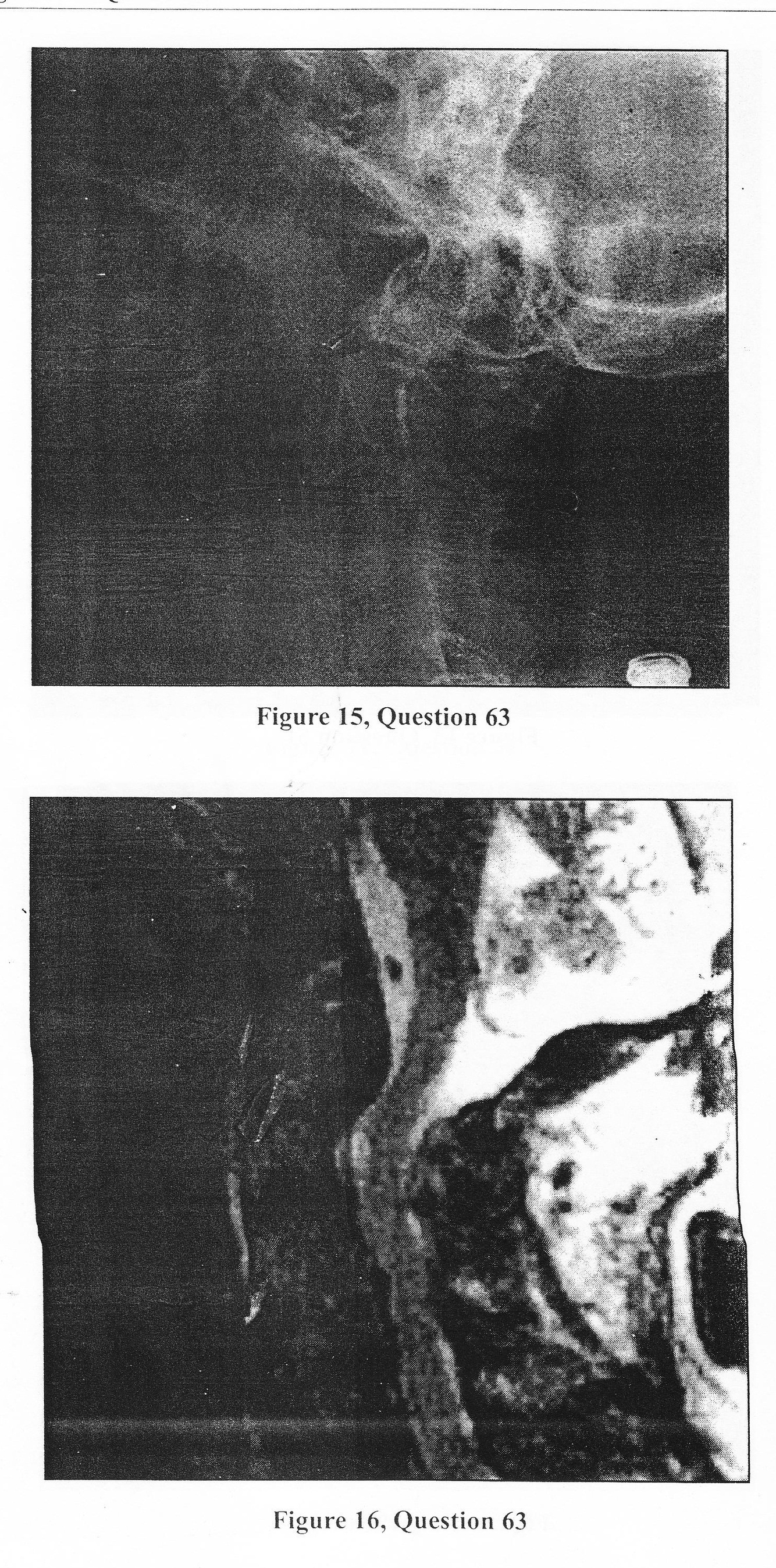
An 80-years-old male nursing home occupant with severe hearing loss and mild dementia was evaluated following a minor fall. He did not have any neck tenderness or any new neurological deficits. Speciallly, there were no deficits referable to his cervikal spinal cord and roots. Cervical radiographs and an MR were obtained (Figure 15 an 16). No information regarding this man’s previous medical history is available.
- Based on the patient’s history and physical and radiographic findings, the MOST LIKELY diagnosis is:
A. persistant subchondral synchondrosis
B. orthotopic os odontoideum
C. type II odontoid fracture-acute
D. type II odontoid fracture – non acute
E. pathologic fracture associated with metastatic lession
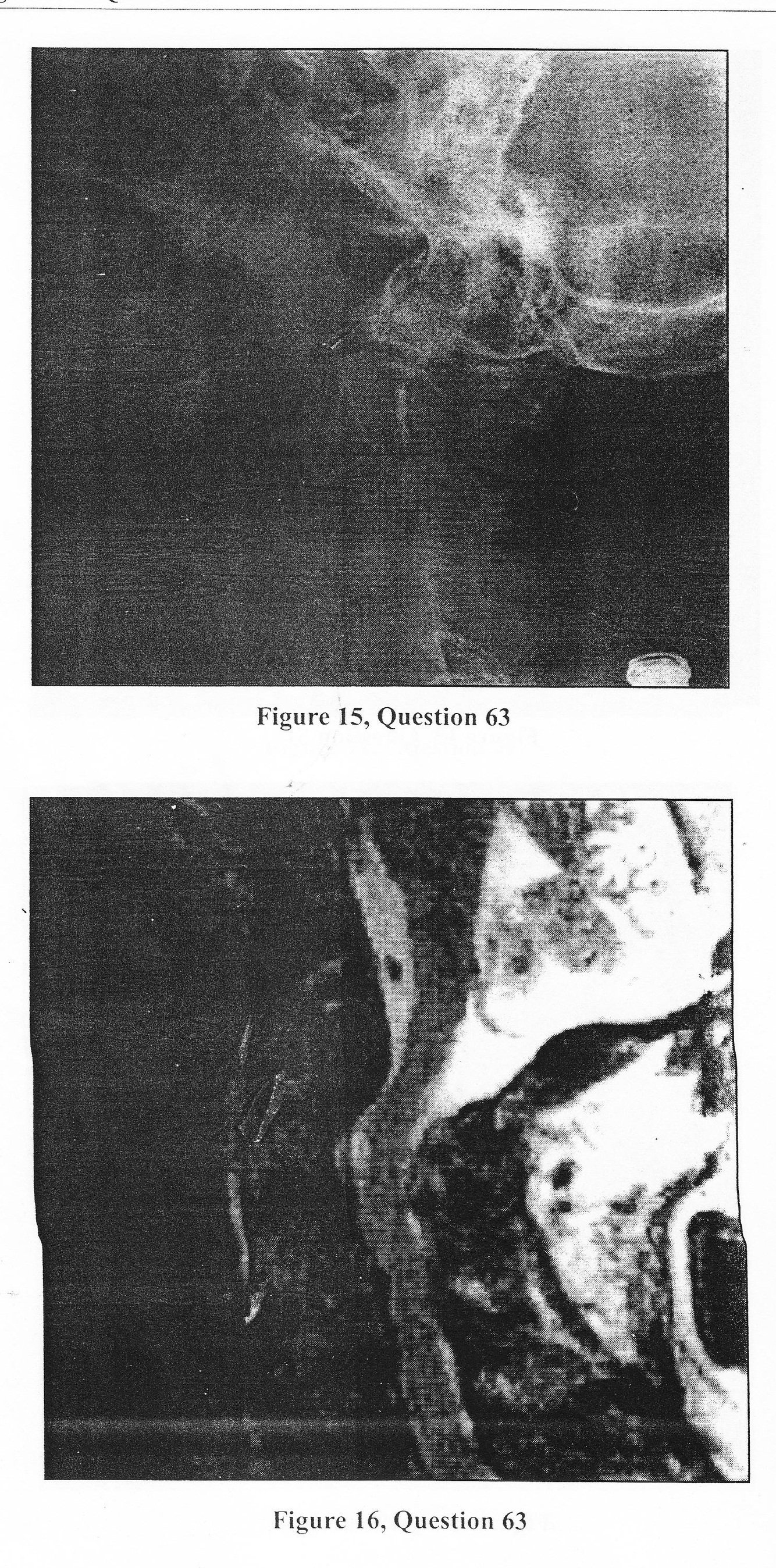
D. type II odontoid fracture – non acute
An 80-years-old male nursing home occupant with severe hearing loss and mild dementia was evaluated following a minor fall. He did not have any neck tenderness or any new neurological deficits. Speciallly, there were no deficits referable to his cervikal spinal cord and roots. Cervical radiographs and an MR were obtained (Figure 15 an 16). No information regarding this man’s previous medical history is available.
- which of the following imaging studies would provide the MOST usefull information to confirm the diagnosis?
A. bone scan
B. polytomograms
C. magnetic resonance imaging
D. computed tomography
E. flexion and extension lateral radiographs
C. magnetic resonance imaging
An 80-years-old male nursing home occupant with severe hearing loss and mild dementia was evaluated following a minor fall. He did not have any neck tenderness or any new neurological deficits. Speciallly, there were no deficits referable to his cervikal spinal cord and roots. Cervical radiographs and an MR were obtained (Figure 15 an 16). No information regarding this man’s previous medical history is available.
- The best terapeutic option for this patient at this time is:
A. observation
B. transoral biopsy followed by dorsal accipital-cervical fusion
C. anterior odontoid screw fixation
D. posterior C1-2 fusion
E. halo immobilization
A. observation
A 50-years-old male with known polyarthritis was taking 10 mg of prednisone daily for several years when he begin complain of disabling bilateral leg numbness, burning dysesthesias, and pain while walking. He reports that he h as fallen several times due to weakness in his legs. Physical exam revealed positive straight-leg raising at 60 degrees bilaterally. Pinprick was diminished in the S1 distribution bilaterally. Sagittal and axial MR images through the lumbar spine are shown in figure 17 and 18.
- based on the patient history, physical exam, and MRI findings, the MOST LIKELY diagnosis is :
A. epidural abscess
B. L5-S1 foraminal stenosis
C. epidural lipomatosis
D. spinal metastatic lesions
E. none of the above
C. epidural lipomatosis
A 50-years-old male with known polyarthritis was taking 10 mg of prednisone daily for several years when he begin complain of disabling bilateral leg numbness, burning dysesthesias, and pain while walking. He reports that he h as fallen several times due to weakness in his legs. Physical exam revealed positive straight-leg raising at 60 degrees bilaterally. Pinprick was diminished in the S1 distribution bilaterally. Sagittal and axial MR images through the lumbar spine are shown in figure 17 and 18.
- The BEST terapeutic option for this patient is :
A. external beam irradiation and chemotherapy
B. intravenous antibiotic
C. L5-S1 foraminotomies
D. Lumbar laminectomy and fat debulking
E. CT guided needle biopsy
D. Lumbar laminectomy and fat debulking
- A 52-year-old male was struck on the right side of the face by a steel bar. This resulted in mandibular and orbitals fractures. His past medical history is remarkable for hyperthyroidism. Two weeks post injury, the orbital fractures were surgically repaired. Two weeks post surgery, he developed dyplopia. His symptoms progessed over the next month until he presented with ptosis, exopthalmus, and chemosis of the right eye. The MOST LIKELY diagnosis is :
A. orbital cellulitis
B. carotid- cavernous fistula
C. Graves’ disease
D. infected orbital implant
B. carotid- cavernous fistula
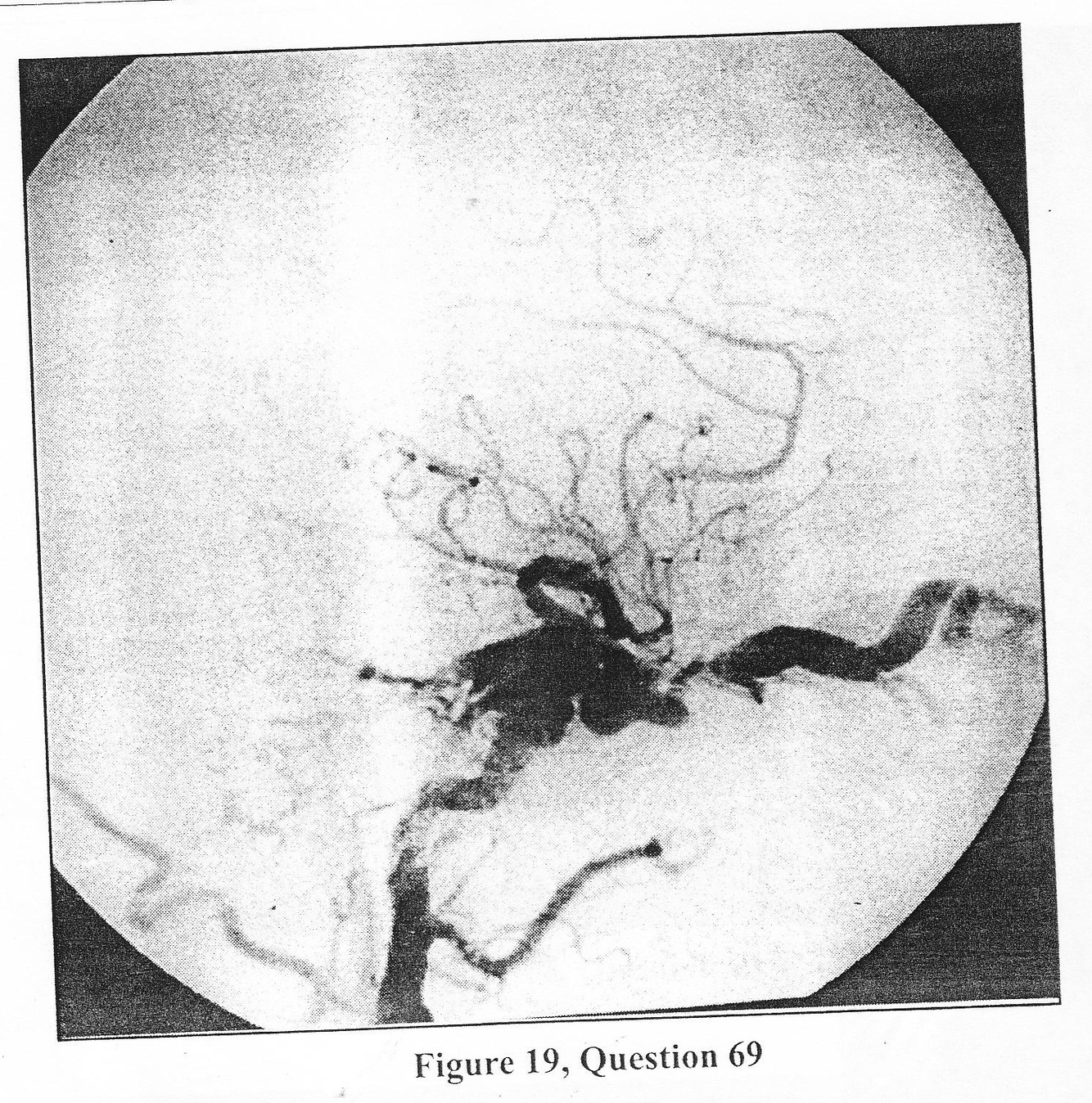
- The patient portrayed in the previous question was evaluated with an angiogram (Figure 19). The lessions is BEST described as :
A. a type A Carotid- cavernosus fistula
B. a type C carotid- cavernosus fistula
C. a complex arteriovenous malformation
D. a cavernous sinus angioma
E. an orbital venous angioma
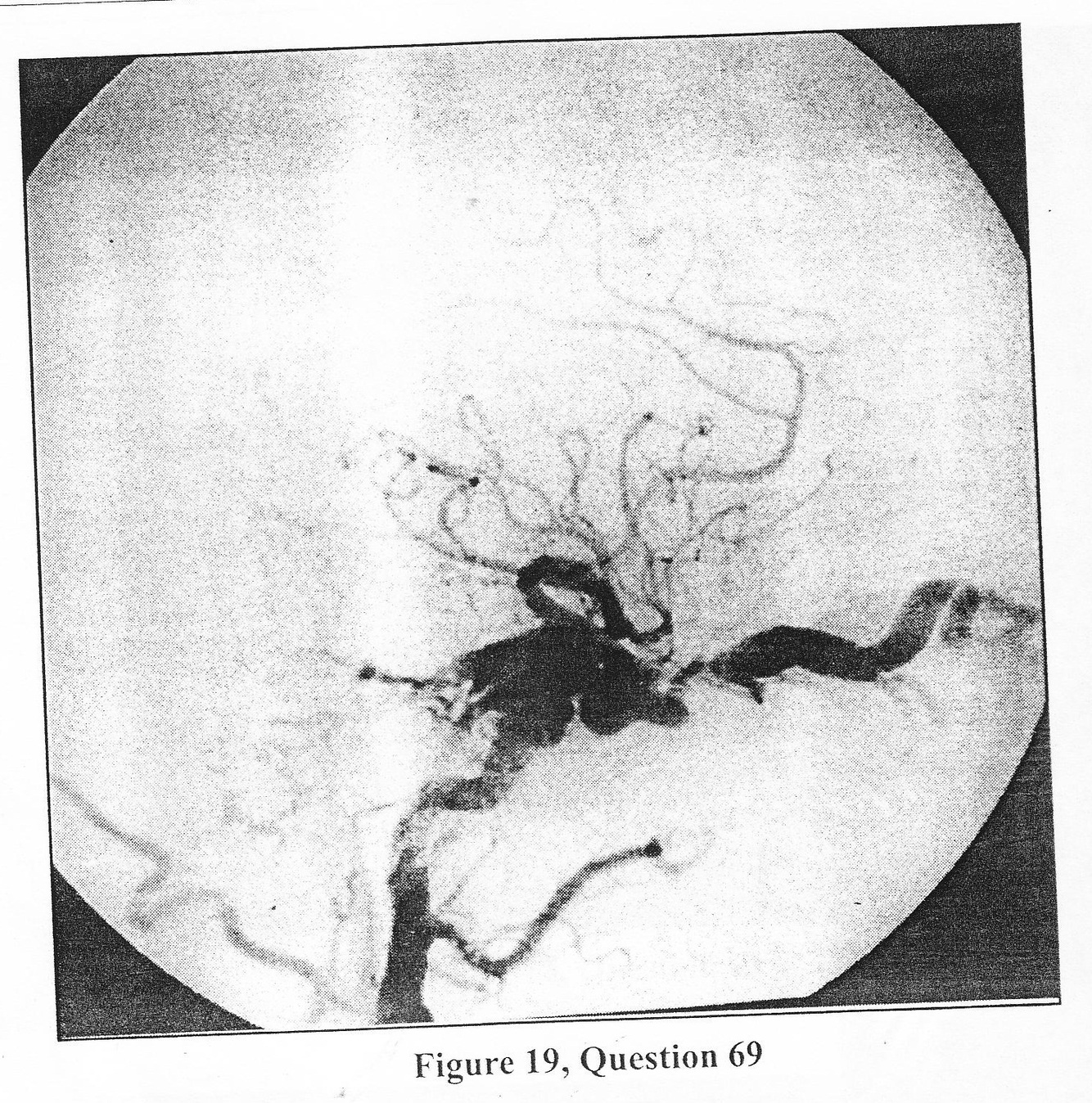
A. a type A Carotid- cavernosus fistula
A very active 79-year-old male with history of multiple lumbar and cerical decompressions presents with a one-week history of back and right leg pain, numbness, and weakness. Three days prior to presentation he repeatedly lifted items weighing up to 40 to 50 pounds. Upon awakening the next morning, he was unable to stand without assistance. At that time he also noted some leg symptoms as well as numbness and tingling in his arms. Review of systems was remarkable for an increase in his chronic urinary retention. He reported that he had been treated for an upper respiratory infection three weeks ago. Examination revealed mild, symmetrical, proximal greater than distal upper extemity weakness; mild, symmetrical , distal greater than proximal lower extremity weakness; hypoactive to absent deep tendon reflexes; flexor plantar responses; and subjective patchy sensory changes but without a sensory level. Rectal sphincter tone was intact. 70. Which following studies may be CONSISTENT with this case?
- Cerebrospinal fluid with red blood cells 215 cells/mm3. Monocytes 2 cells/mm3, protein 66mg/dL, and normal glucose.
- forced vital capacity of 3.91 and forced expiratory volume at one second of 1.5 consistent with chronic obstructive pulmonary disease.
- Normal nerve conduction study four days after onset of weakness.
- Eccentric right L3-4 stenosis on lumbar myelogram, confirmed by MRI.
- Cervical spinal MRI showed C5-6 and C6-7 fusion, bridging osteophytes from C2-3 to C4-5 with preserved disc height, severe midcervical facet arthrosis, and no spinal cord effacement.
A. 1, 2, and 3 only are correct
B. 2 and 4 only are correct
C. 1 and 3 only are correct
D. only 4 is correct
E. all are correct
E. all are correct
A very active 79-year-old male with history of multiple lumbar and cerical decompressions presents with a one-week history of back and right leg pain, numbness, and weakness. Three days prior to presentation he repeatedly lifted items weighing up to 40 to 50 pounds. Upon awakening the next morning, he was unable to stand without assistance. At that time he also noted some leg symptoms as well as numbness and tingling in his arms. Review of systems was remarkable for an increase in his chronic urinary retention. He reported that he had been treated for an upper respiratory infection three weeks ago. Examination revealed mild, symmetrical, proximal greater than distal upper extemity weakness; mild, symmetrical , distal greater than proximal lower extremity weakness; hypoactive to absent deep tendon reflexes; flexor plantar responses; and subjective patchy sensory changes but without a sensory level. Rectal sphincter tone was intact. Use statement 1 and/ or 2 to correctly answer this question:
- An L3-4 laminectomy is indicated.
- Plasmapharesis is indicated.
A. statement 1 is correct
B. statement 2 is correct
C. both statements are correct
D. neither statement is correct
B. statement 2 is correct
all of the following statements are true regarding the Guillain- Barre syndrome, EXCEPT:
A. There is usually very little or no sensory involvement.
B. Sphincter function is usually not affected.
C. History of viral upper respiratory infection, immunization, or surgery frequently precedes the onset of symptoms by a few weeks.
D. Albuminocytologic dissociation (elevated CSF protein without pleocytosis) is a typical CSF finding in Guillain-Barre’ syndrome.
E. Steroids are proven to be effective in hastening the recovery and reducing the neurological deficits.
E. Steroids are proven to be effective in hastening the recovery and reducing the neurological deficits.
- You are carring for a child who was born with a myelomeningocele. The family is aware that these children are more prone to latex allergies and has ask you to address spesific questions regarding this issue. Which of the following statements is CORRECT in regard to latex allergy in children with spina bifida?
A. Latex directed antibodies are found aproximatelly 50% of children with myelomeningoceles.
B. If a child with myelomeningocele has a negative Latex skin test at the time of birth, this child will not develop a Latex allergy.
C. All children with myelodisplasia will eventually develop Latex allergy.
D. A normal sibling of a child with myelodisplasia is also at an increased risk to develop Latex allergy.
E. If myelodisplastic child requires frequent, daily blader catheterizations, but is not latex allergic, then this child should continue to use latex catheters for catherization purpose.
A. Latex directed antibodies are found aproximatelly 50% of children with myelomeningoceles.
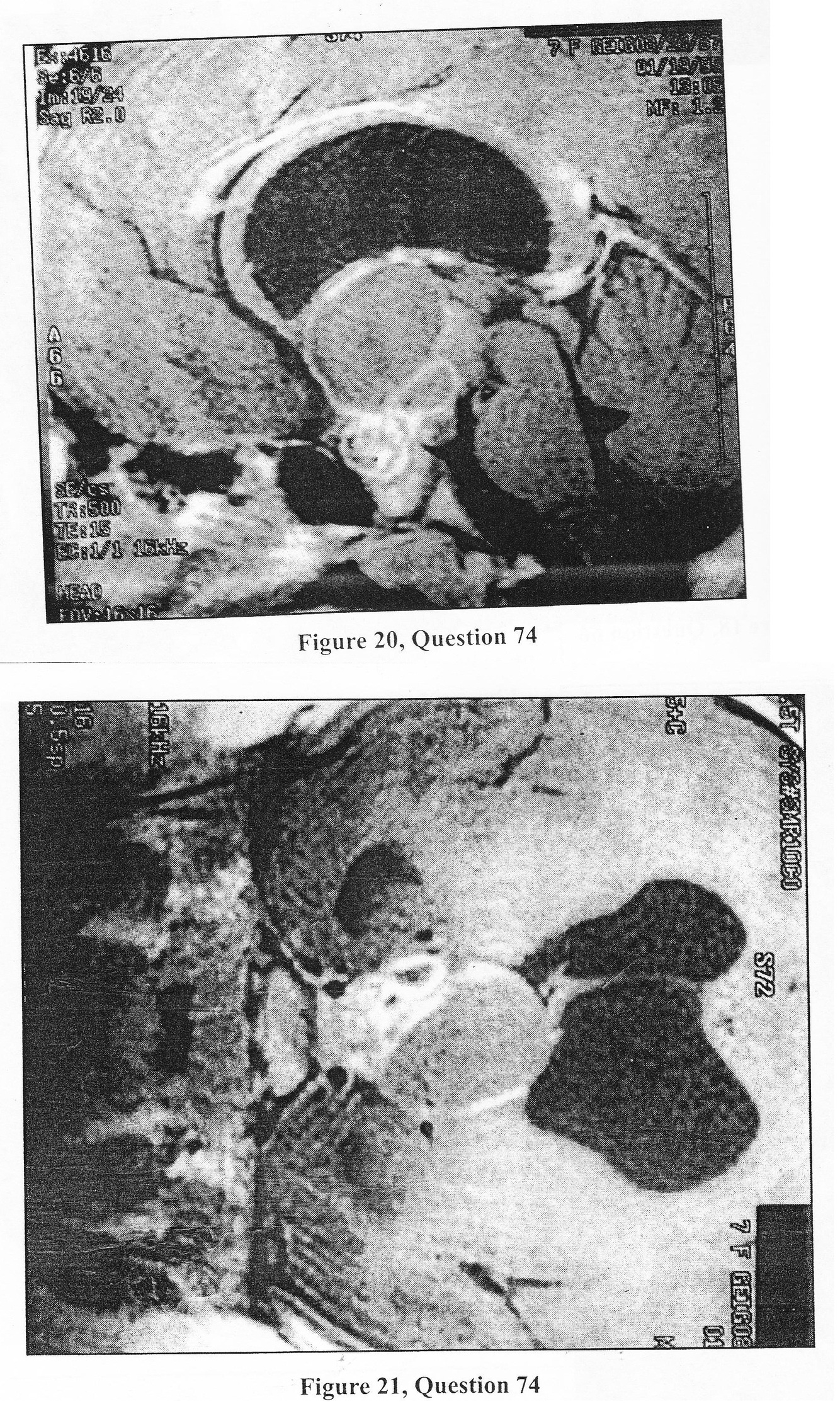
- This 7-year-old white female presented with headaches, A head CT showed obstuctive hydrocephalus. Sagittal and coronal MRIs depicted the following lesion (Figure 20 and 21). This is MOST consistent which with of the following:
A, Rathke’s cleft cyst
B. cystic glioma of the optic chiasm
C. hypothalamic glioma
D. pituitary adenoma with suprarasellar extention
E. craniopharyngioma
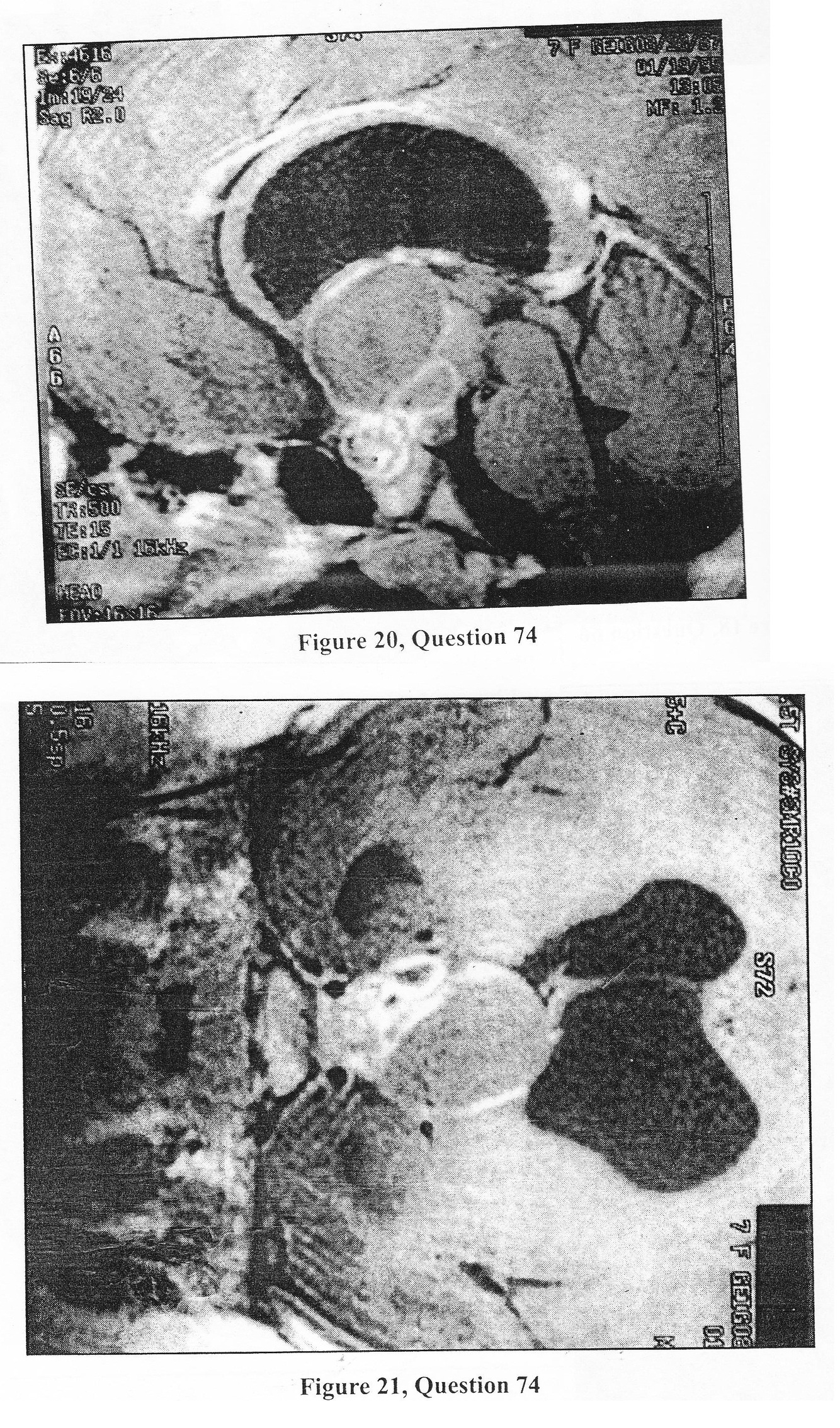
E. craniopharyngioma
- In preparation for tumor removal, you are conselling the family regarding the typical postoperative course for a child undergoing surgery for the tumour discribed in Question 74. Which of the following would NOT be true regarding the endocrine outcome after surgical removal of this tumour?
A. Nearly All the patients will develop permanent diabetes insipidus.
B Apropriately 50% will require growth hormone replacement.
C. This patient has a 50% chance of developing postoperative obesity.
D. Postoperative obesity is less likelly to occur if only partial tumour removal is perfomed.
E. Greater then 90% of patient with this tumor will require maintenance corticosteroids and thyroid replacement therapy.
D. Postoperative obesity is less likelly to occur if only partial tumour removal is perfomed.
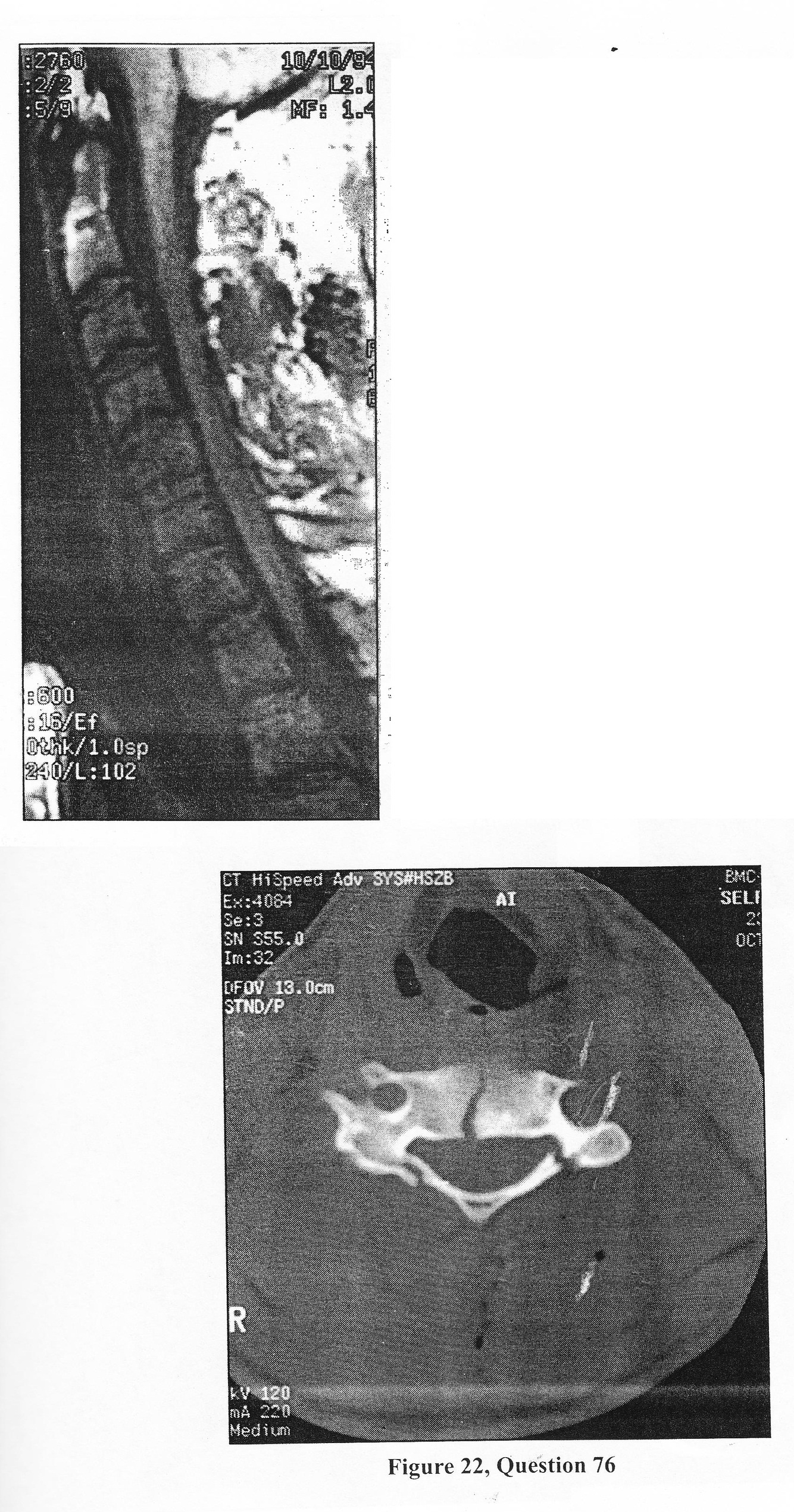
- a 23- year-old unrestrained male driver persent to the emergency room following a motor vehicle accident in which he was piined within the automobile. The CT scan shows a C5 fracture (Figure 22). An MRI scan was obtained within two hours of the accident (Figure 23). The area of vocal signal void in the central cord on the MRI would MOST LIKELY represent:
A. an area of dystrophic calcification
B. chemical shift artifact
C. acute hematoma
D. vascular pulsation artifact
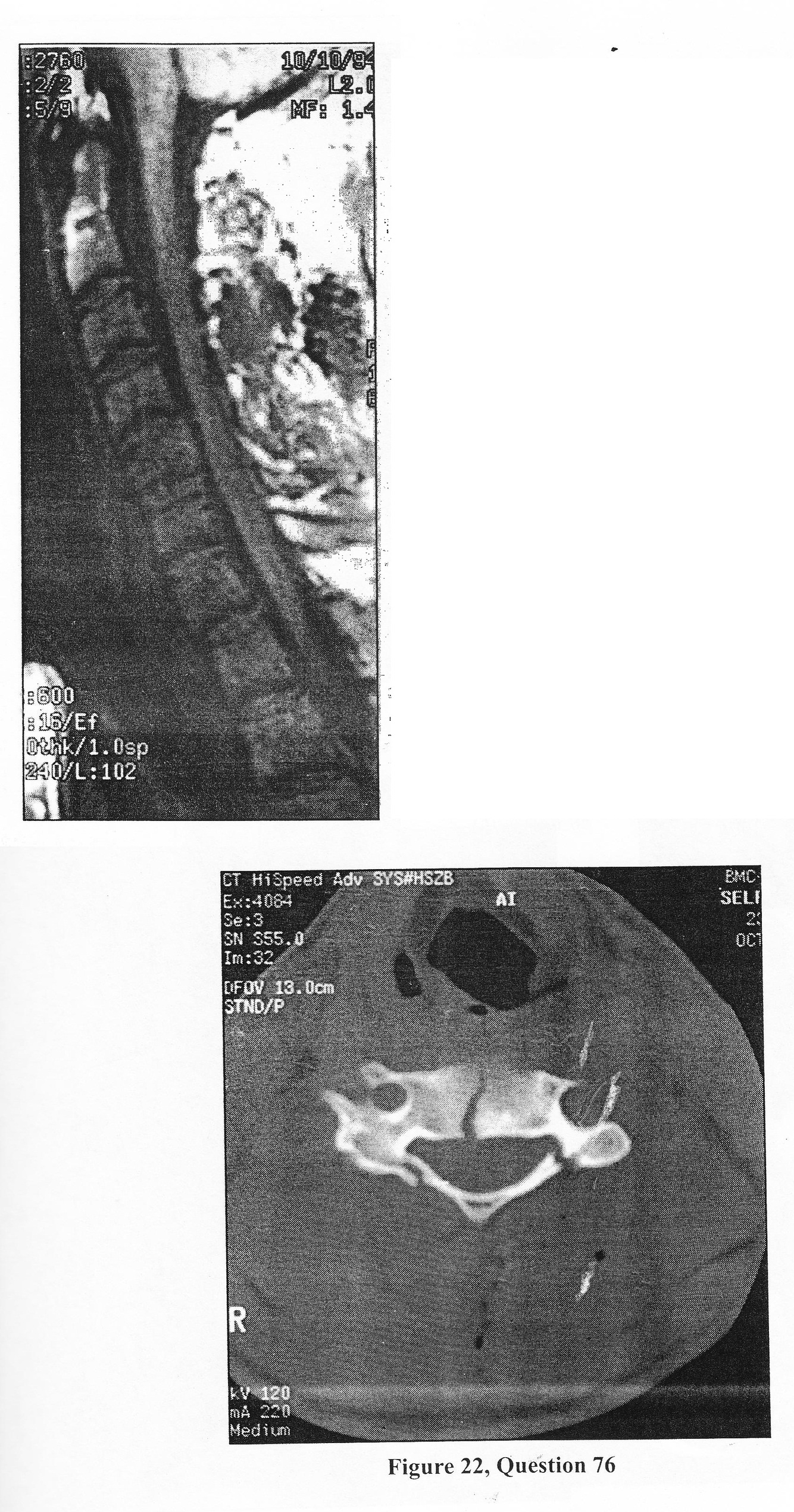
C. acute hematoma
Increased signal within hemrrage on a T1- weighted MRI is MOST LIKELY due to:
A. oxyhemoglobin within the hemorrage
B. deoxyhemoglobin within the hemorrage
C. methemoglobin
D. hemosiderin and ferritin
C. methemoglobin
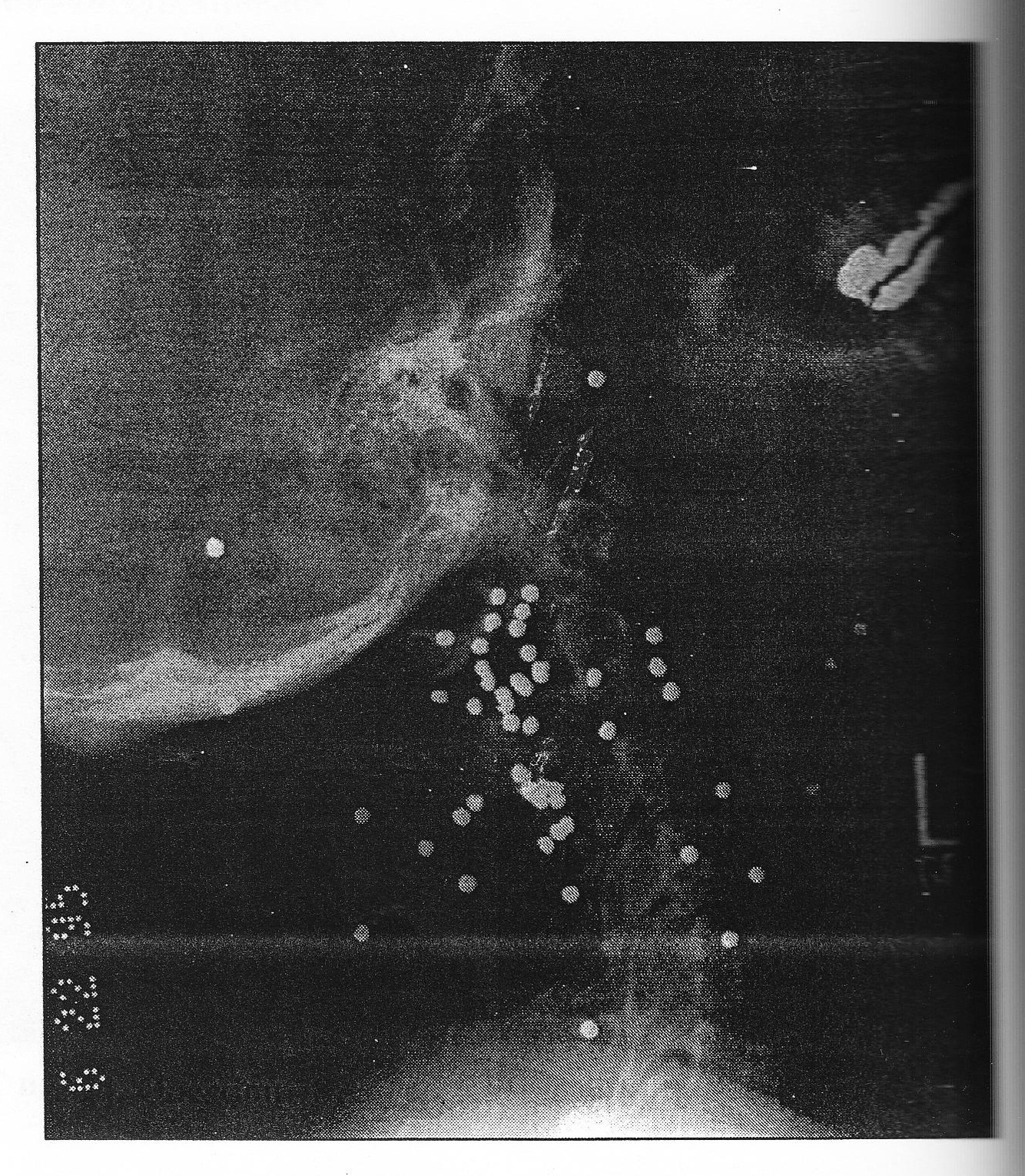
- A young man is shot in the neck at close range with a sawed off shotgun during a carjacking. Nomerous bird shot are seen overlying the cervical region (Figure 24). There is a clinical question of a cervical cord injury. In this patient, an MRI would MOST LIKELY be :
A. Nondiagnostic due to artifact from the lead shoot fragments.
B. indicated for cord evaluation, since most domestically produced bullets and shotgun pellets that are encountered in criminal shootings are nonferromagnetic.
C. indicated for cord evaluation, even if pellets are known to be made of steel
D. dangerous due to possible migration of pellets
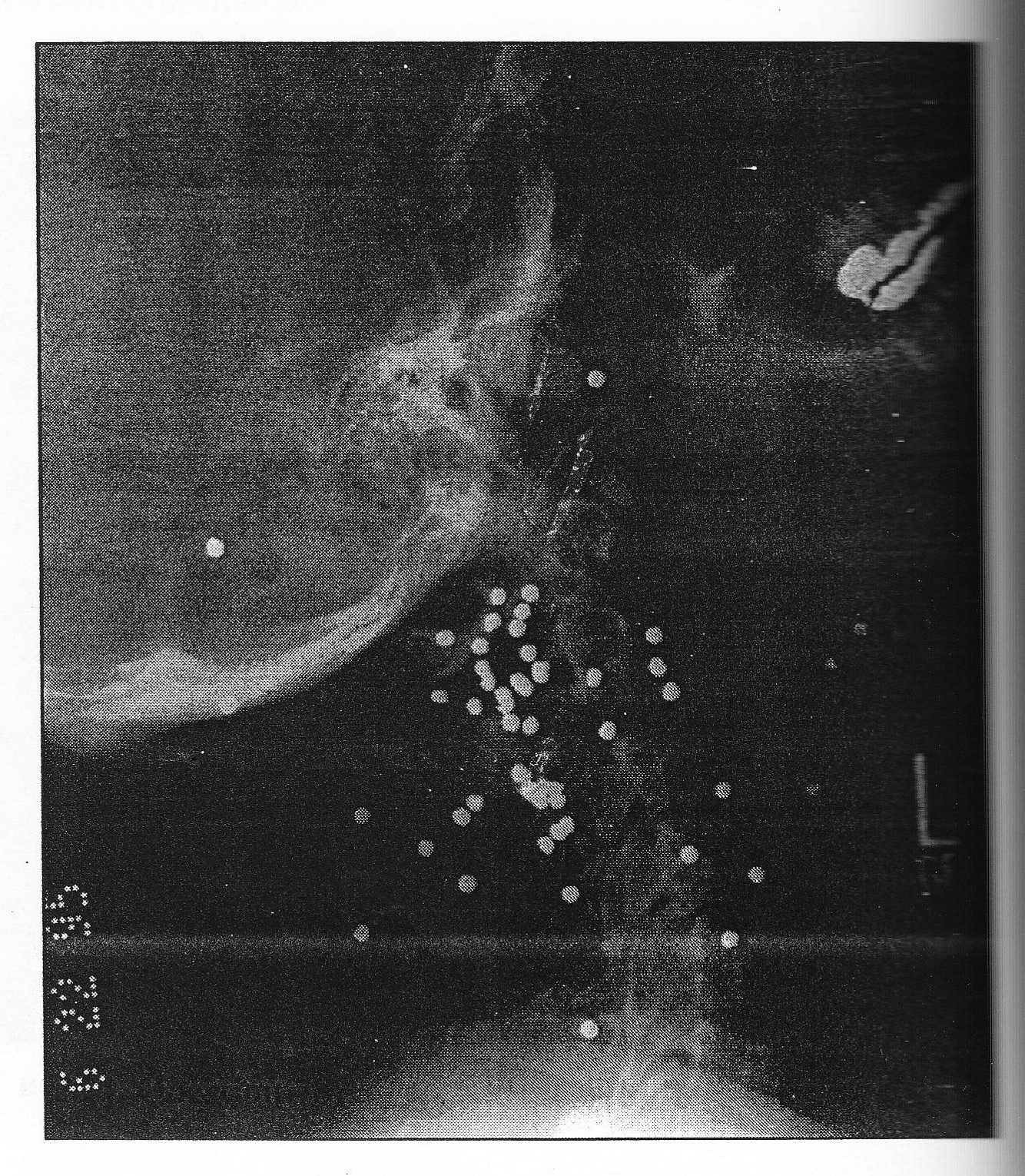
B. indicated for cord evaluation, since most domestically produced bullets and shotgun pellets that are encountered in criminal shootings are nonferromagnetic.
- based on the results of the North American Symptomatic Carotid Endarterectomy Trial (NASCET), which of the following groups is the MOST LIKELY to benefit from carotid endarterectomy?
A. symptomatic patients with severe (70-99%) ipsilateral stenosis.
B. symptomatic patients with moderate (30-69%) ipsilateral carotid stenosis.
C. asymptomatic patients with severe (70-99%) ipsilateral carotid stenosis.
D. patients with transient ischemic attacks or minor stroke within the past six months, regardless of stenosis
A. symptomatic patients with severe (70-99%) ipsilateral stenosis.
which of the following statements concerning nonvalvular atrial fibrilation (NVAF) is FALSE?
A. The prevalance increased with increasing age in the elderly.
B. There is at least a fivefold increased risk of stroke in NVAF, accounting for 45% of all cardioembolic strokes.
C. The currently available data favor the use of chronic anticoagulation with warfarin for stroke prophylaxis in selected patient with NVAF.
D. asymptomatic lone (i.e., without coexisting cardiovascular disease) or paroxismal AF in patients less than 60 years old should be treated with warfarin rather then aspirin 325 mg/day.
. D. asymptomatic lone (i.e., without coexisting cardiovascular disease) or paroxismal AF in patients less than 60 years old should be treated with warfarin rather then aspirin 325 mg/day.
- Which of the following ions blocks the NMDA(N-methyl-D-aspartate) activated channel of the neuron membrane and prevents the channel from contributing to the excitatory post synaptic potential at resting membrane potential?
A. Ca++
B. Na++
C. Mg++
D. K+
C. Mg++
- which of the following is NOT an axcitatory neurotransmitter?
A. glutamate
B. acetylcholine
C. glysine
D. Subtance P
E. aspartate
C. glysine
- An 11- year- old girl is referred to neurosurgery from the urology clinic with severe episodes of urinary tract infection during the past several years. Recently she has noticed an ulcer at the tip of her right big toe which is not healing. During the past few months she has had a few episodes of nocturia. Upon physical examination she had a big patch of hair near her second and third lumbar spinous processes. She had a slightly lax anal sphincter and was unable to walk on toes and heels on the right side. Deep tendon reflexes were slightly up at the knees and left ankle but absent at right ankle. Sensation to pin prick was down on right side from L5 to S4 and on L3 to S1 and anteroposterior (AP) measurement of 25-35 mm. MRI indicated a mass measuring 3 cm x 2 cm x 7 cm in the spinal canal which was hyperintense in T1-weigthed images. The position of the epicomus was at the level of L2. What is the MOST LIKELY diagnosis ?
A. Myxopapillary ependymoma of filum terminale
B. Astrocytoma of conus with central degeneration
C. Tethered cord with lipoma
D. Sacrococcygeal teratoma
C. Tethered cord with lipoma
- A4- year-old boy is seen in the neurosurgical clinic with headache, visual and gait difficulties for the past one year. physical examination he had a 67 cm head circumference, visual acuity 20/70 OU, and severe chronic papiledema with secondary optic atrophy. His visual fields showed enlarged blind spot. He had a disturbed tandem gait. Plain skull radiographs showed copper-beaten appereance and split corona sutures. CT of the head revealed a large lobulated mass in the left lateral ventricle which enhanced intensely with contrast. The boy had severe hidrocephalus. Reperfution studies showed a CSF formation rate of 1,3 ml/min. Which of the following statements are CORRECT?
A. the patient has intraventricular meningioma, obstructive hidrocephalus, and ischemic optic neuropathy.
B. The patient has subependymoma. Communicating hidrocephalus, and compressive optic neuropathy.
C. The diagnosis is choroid plexus papilloma. He has combination of obstructive and communicating hydrocephalus and his visual difficulty is due to chronic papiledema.
D. the patient has subependymal
C. The diagnosis is choroid plexus papilloma. He has combination of obstructive and communicating hydrocephalus and his visual difficulty is due to chronic papiledema.






