What are the complications of HIV?
- Opportunistic Infections
- Tumours
- Central nervous system diseases
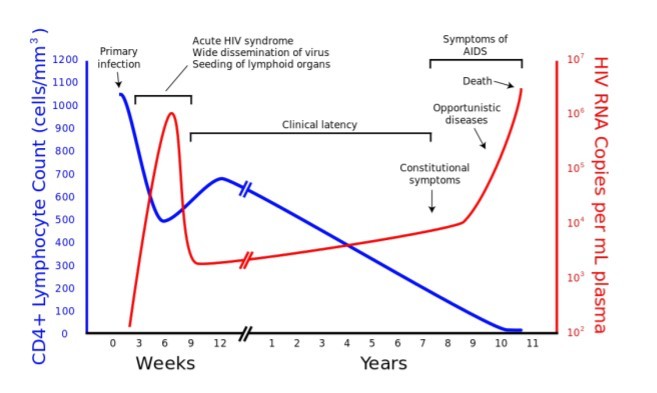
How does symptoms change with CD4 and RNA over time?
What are the HIV opportunistic infections?
Pneumocystis jiroveci: pneumonia
• CMV: especially retina and GIT
• Candida
• Tuberculosis and atypical mycobacteria
• Cryptococcus: meningitis
• Toxoplasma gondii: encephalitis and mass lesions
• JC papovavirus: progressive multifocal leukoencepalopathy
• Herpes simplex
• Cryptosporidium, Isospora belli, microsporidia: GIT
What is this showing?
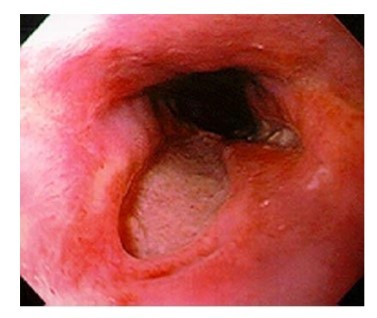
Endoscopy:
Oesophageal ulcer
CMV
What is this?
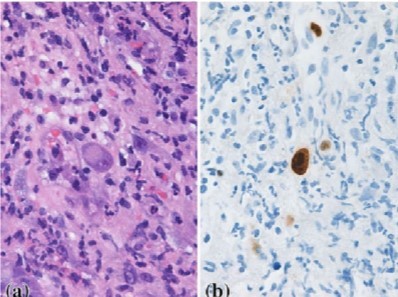
(a) CMV nuclear inclusion
(b) Immunohistochemistry
for CMV
What are the HIV associated tumours?
• Kaposi’s sarcoma:
HHV-8
• Lymphoma:
systemic, CNS or body cavity based
B cell lymphomas
EBV
• Others:
Squamous cell carcinoma
Anus and cervix
HPV
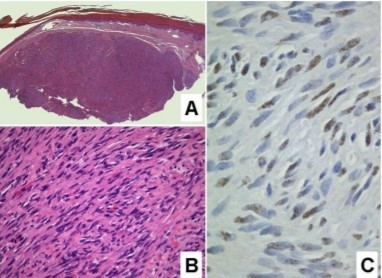
How does a Kaposi sarcoma look Histologically?
A. The dermis is expanded by a solid
tumour.
B. Fascicles of relatively monomorphic
spindled cells, with slit-like vascular
channels containing erythrocytes.
C. The nuclei of the tumour cells
demonstrate immunoreactivity for
HHV-8.
What CNS diseases does HIV cause?
- Progressive encephalopathy = AIDS dementia complex
- Plus opportunistic infections and tumours
What does CNS HIV lymphoma look like?
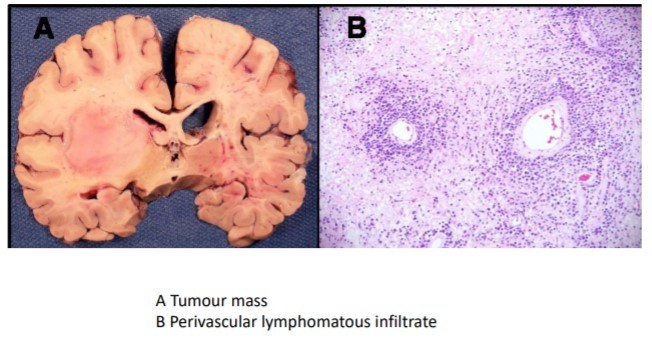
What is the pathology of mTB?
- Caseating granulomas
- Demonstration of acid fast bacilli
- Cavitating lesions
What kind of granuloma is this?
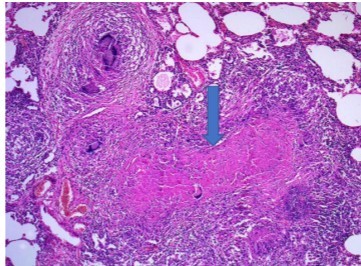
Caseous
Where can TB infect?
• Lung
• Lymph node
• Bone: e.g. vertebra- potts
• Heart: e.g. pericarditis
• GIT: e.g. peritonitis
• CNS: e.g. meningitis
etc.
What are the extrapulmonary features of mTB?
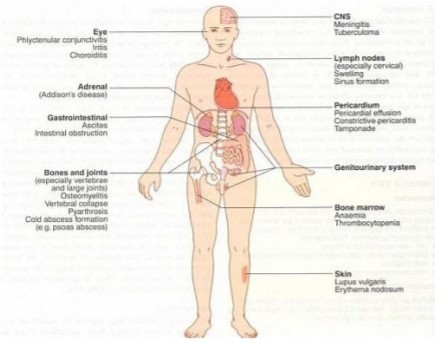
What is the pathology of sarcoidosis?
- Non-caseating granulomas
- A diagnosis of exclusion.
What is this?
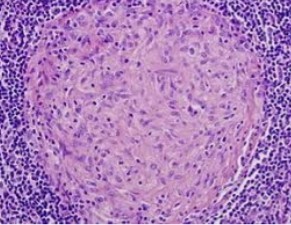
Sarcoidosis
Where can sarcoid effect?
- Lung: scattered granulomas, heal with fibrosis
- Lymph nodes: usually hilar and mediastinal
- Spleen
- Liver
- Heart
- Joints
- Bone marrow
- Skin: nodules, plaques or macules
- Eyes: iritis, choroid retinitis, lacrimal glands
- CNS
- Salivary glands
What is IgG4 related disease?
- Inflammation dominated by IgG4 antibody producing plasma cells
- Fibrosis, obliteration of veins
What is this?
IgG4
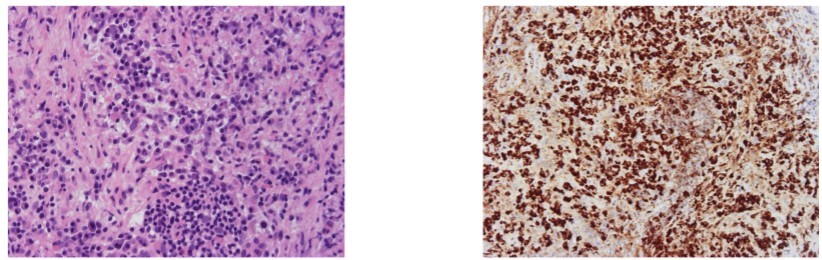
Where does IgG4 related disease effect?
- Salivary and lacrimal glands: Mikulicz syndrome
- Thyroid: Riedel thyroiditis
- Peritoneum: Retroperitoneal fibrosis
- Liver: Biliary obstruction
- Pancreas: Autoimmune pancreatitis
- Mass lesions: Inflammatory pseudotumour
What can alcohol cause?
• Liver: fatty change (steatosis) , fatty liver hepatitis (steatohepatitis),
cirrhosis, liver cell cancer (hepatocellular carcinoma)
• GI Tract: acute gastritis, oesophageal varices
• Nervous system: peripheral neuropathy, Wernicke-Korsakoff
syndrome etc.
• Cardiovascular system: dilated cardiomyopathy, hypertension,
atheroma (and decreases it!)
• Pancreas: acute pancreatitis, chronic pancreatitis
• Fetal alcohol syndrome
• Cancer: oral cavity, pharynx. oesophagus, liver and breast
What are the stages of ALD?
Normal
Steatosis
Steatohepatitis
Fibrosis
Cirrhosis
HCC
10
10
Where does CF present?
Pancreas: duct obstruction, exocrine atrophy
• Salivary glands: duct obstruction, atrophy
• Intestine: meconium ileus
• Liver: biliary obstruction, cirrhosis
• Lung: bronchial obstruction, superimposed infection with abscess
formation (Staphylococcus aureus, Haemophilus influenzae and
Pseudomonas aeruginosa)
• Male genital tract: infertility, absence of the vas
What is amyloid?
Deposition of an abnormal proteinaceous substance in non branching
fibrils, 7.5-10nm diameter
• Always contains P component
• Beta-pleated sheet structure
• A variety of proteins can take on this conformation
• Resistant to enzymic degradation


-
Fundamentals of Histology24
-
Lipoprotein metabolism, cardiovascular disease and obesity54
-
Calcium Metabolism65
-
Haemostasis and Thrombosis51
-
Liver Histology39
-
Immune response to infections96
-
Antimicrobials 167
-
Antimicrobials 257
-
Liver Pathology35
-
Haemotology of Systemic Disease65
-
Sodium Balance43
-
CML and myeloproliferative disorders58
-
Potassium and Electrolytes25
-
Hospital Acquired Infections35
-
Pituitary23
-
Extra haematology10
-
HIV and secondary causes of immune deficiency78
-
Myeloma and MGUS74
-
Neonatal and Childhood Diseases58
-
Diabetes Cases16
-
Adrenal Cases23
-
Respiratory Histopathology57
-
Respiratory Histopathology (Cancer)43
-
Primary Immune deficiency 172
-
Skin pathology83
-
Primary Immune deficiency 257
-
CNS infections and meningitis49
-
Lymphoma 1: MDT72
-
Fungal Infections61
-
Bacterial and Viral Vaccines34
-
CLL and quiz65
-
Breast Pathology74
-
Mycobacterial diseases45
-
Acute and Chronic renal Failure 151
-
Acute and Chronic Renal Failure 237
-
Lower GI pathology60
-
Transplantation57
-
Blood Transfusion 154
-
Blood Transfusion 259
-
Clinical Chemistry CPC41
-
Allergy81
-
Bone Marrow Transplantation84
-
Pancreas and Gallbladder46
-
Wound, bone and joint infections58
-
Enzymes and cardiac markers66
-
EMQ: enzymes, chemistry22
-
Path SBAs6
-
Metabolic Disorders Screening 123
-
Metabolic Disorders Screening 227
-
Paeds Haem82
-
Diabetes CPC32
-
Systemic Pathology31
-
Autoimmune and Autoinflammatory Diseases 139
-
Autoimmune and Autoinflammatory Diseases 247
-
Autoimmune and Autoinflammatory Diseases 330
-
UTI40
-
Upper GI Pathology44
-
Opportunistic Viral Infections92
-
Neuro oncology59
-
Nutrition49
-
EFA10
-
Acid Base Balance27
-
Immune modulating therapies62
-
Porphyria32
-
Hypoglycaemia38
-
Immune modulating therapies 257
-
Viral Hepatitis53
-
Cerebrovascular disease and trauma32
-
Neurodegeneration25
-
EFA 410
-
HIV in African Children26
-
Acute Leukaemia64
-
Case studies and Quiz67
-
Interactive case hx in haematology47
-
GI Infection58
-
Cardiovascular Pathophysiology66
-
Gynae Path 138
-
Gynae Path 248
-
Myelodysplastic syndromes and aplastic anaemia44
-
Thyroid43
-
Haemolytic anaemias24
-
Bone Tumours25
-
Endocrine Disorders46
-
Uric Acid Metabolism16
-
Respiratory Tract Infections44
-
Infection CPC23
-
Zoonoses21
-
Obstetric Haematology30
-
Immune related multisystem disorders40
-
Urology25
-
Renal Disease38
-
LAMS 6+720
-
Pandemics37
-
Antivirals61
-
Tropical Medicine: Worms53
-
Tropical Medicine: Toilets6
-
Tropical Medicine: Brains Worms and TB17
-
Tropical Medicine: Fever in the Returning Traveller39



