Cell Types
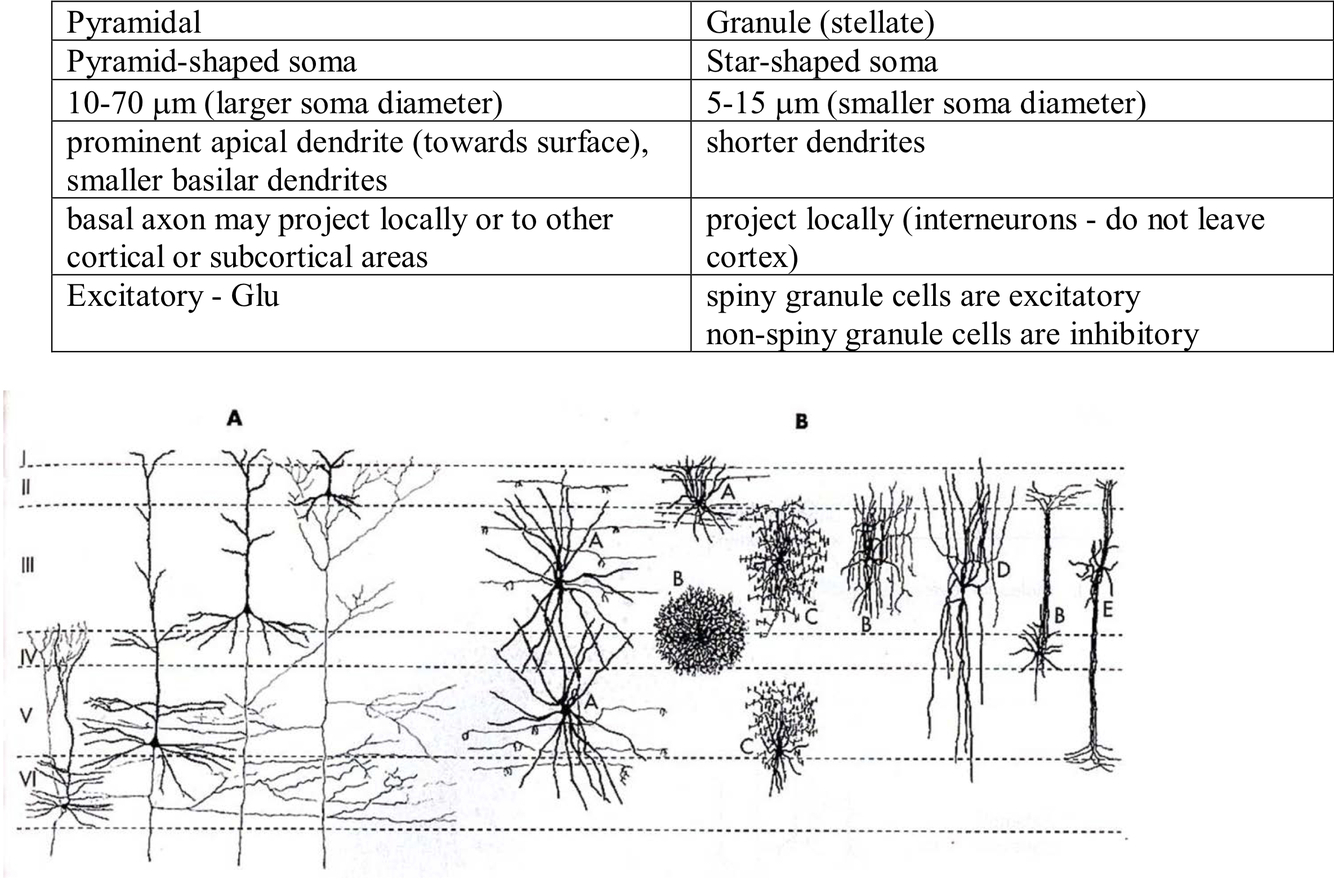
Pyramidal cells:
Excitatory via glutamate
Granule cells:
Spiny cells excitatory
Non-spiny cells inhibitory
Cerebral Laminae
Laminated appearance due to differences in cell type, size, and density.
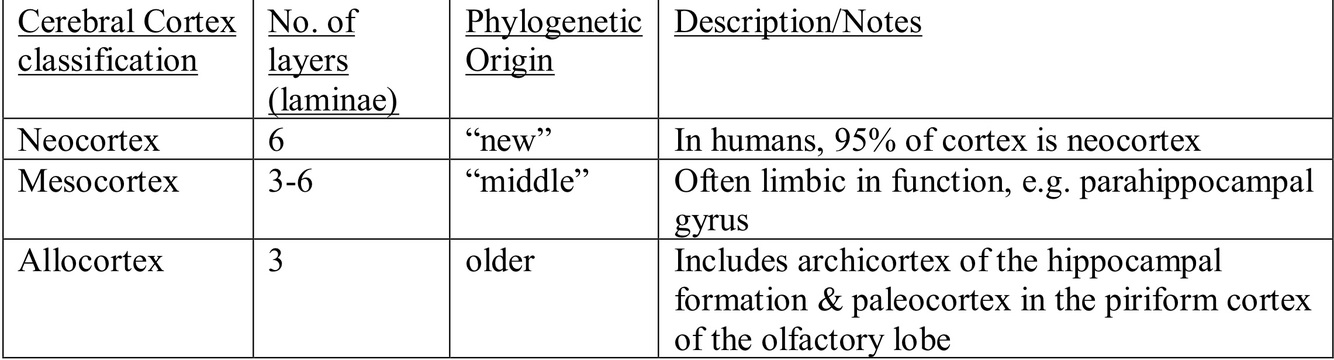
Neocortical Laminae
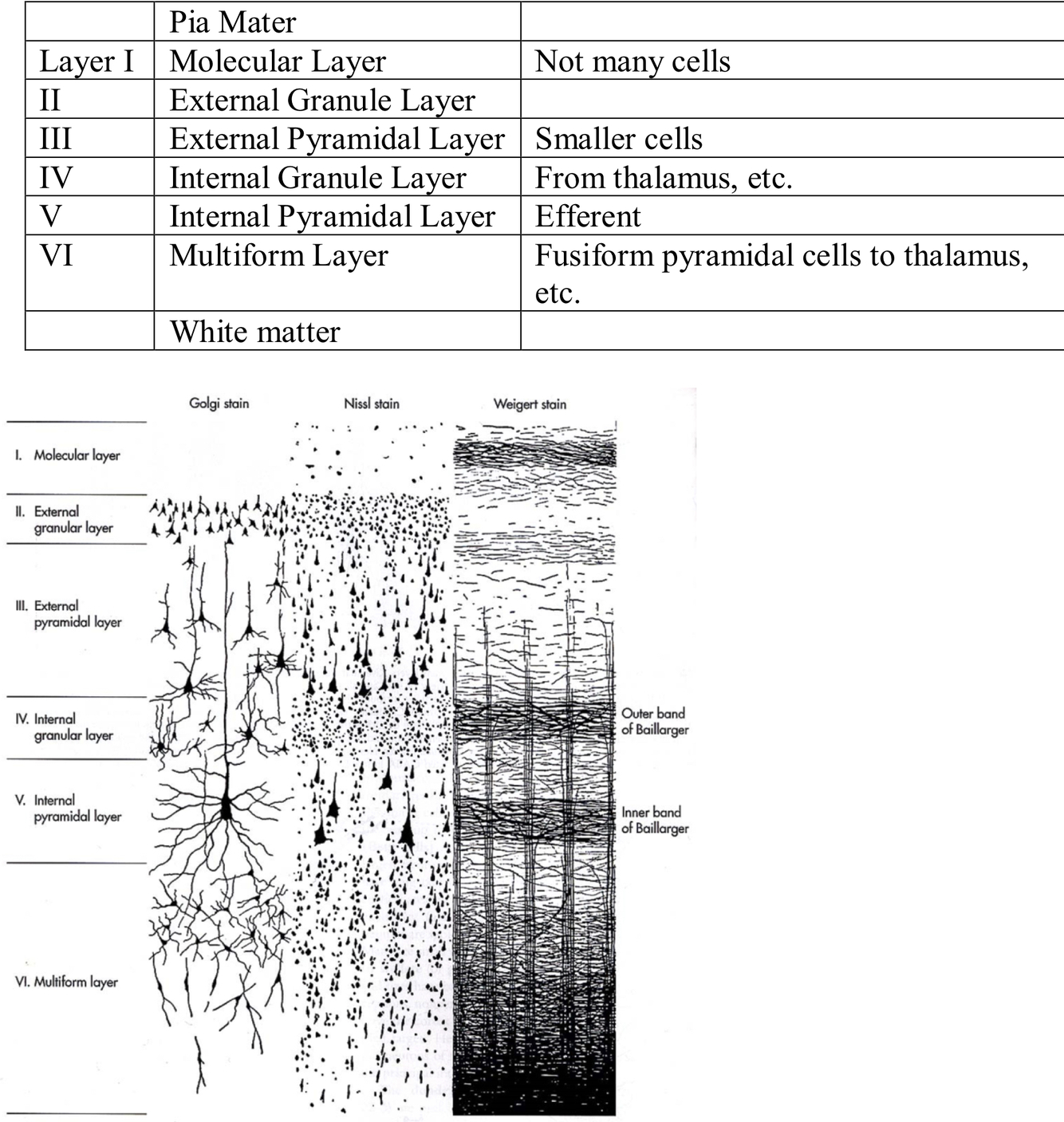
Pia Mater
- Molecular layer ⟾ few cells
- External granule layer
- External pyramidal layer ⟾ smaller cells
- Internal granule layer
- Internal pyramidal layer ⟾ main efferents
- Multiform layer ⟾ to thalamus etc.
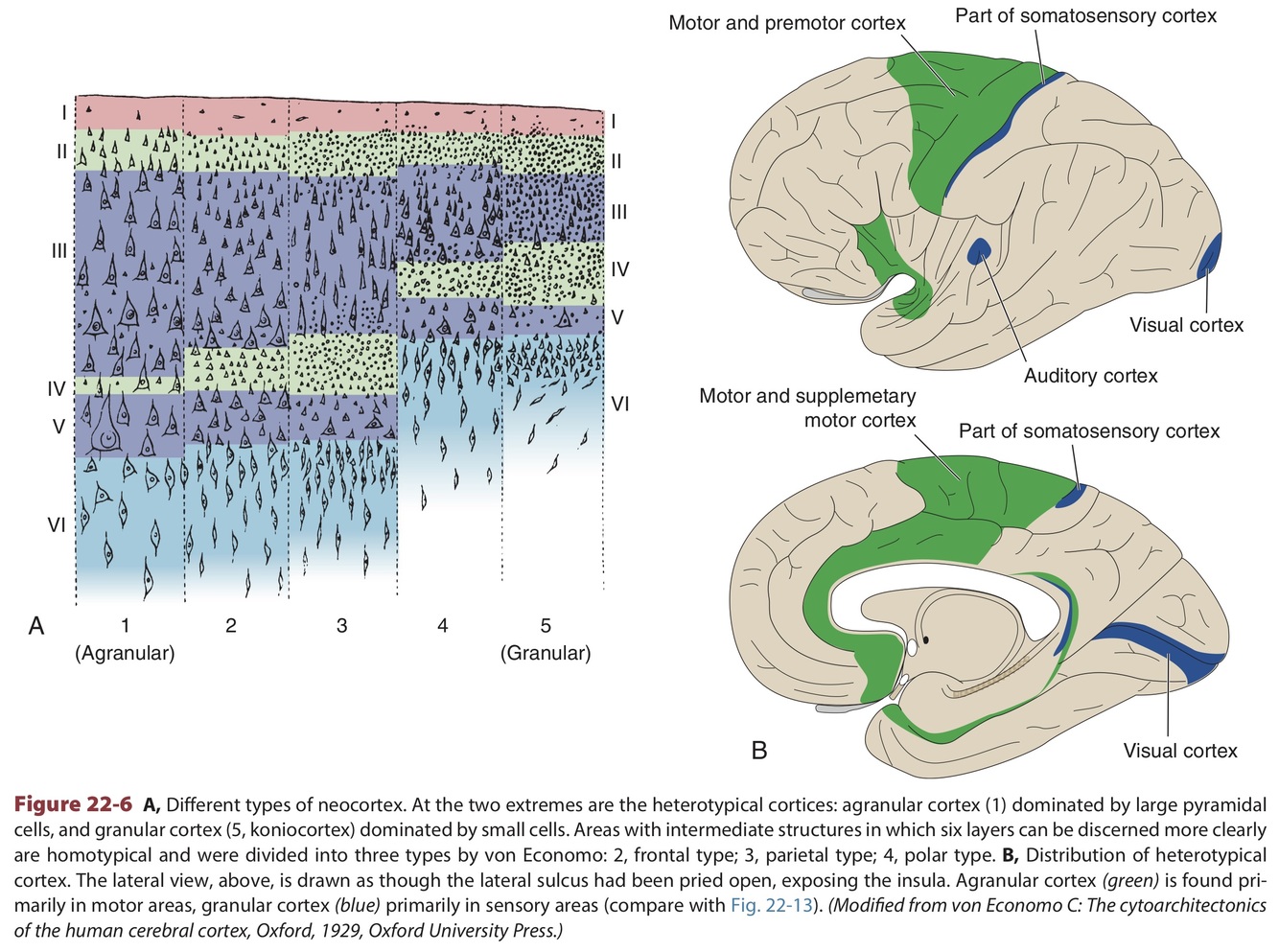
Regional Laminar Variations
- Motor cortex ⟾ agranular cortex
- dominated by pyramidal and agranular laminae
- prominent layer V
- larger cells makes it much thicker
- Sensory cortex ⟾ granular cortex
- dominated by granule cells
- prominent layer IV
- layers referred to as supragranular (I, II, III) or infragranular (V, VI)
- Primary visual cortex ⟾ striate cortex
- reciprocal fibers of lamina IV very prominent
- forms distinct stripes above and below lamina
- called inner and outer bands of Baillarger
- reciprocal fibers of lamina IV very prominent
- Association and limbic cortex also agranular.
Neocortex
Connectivity
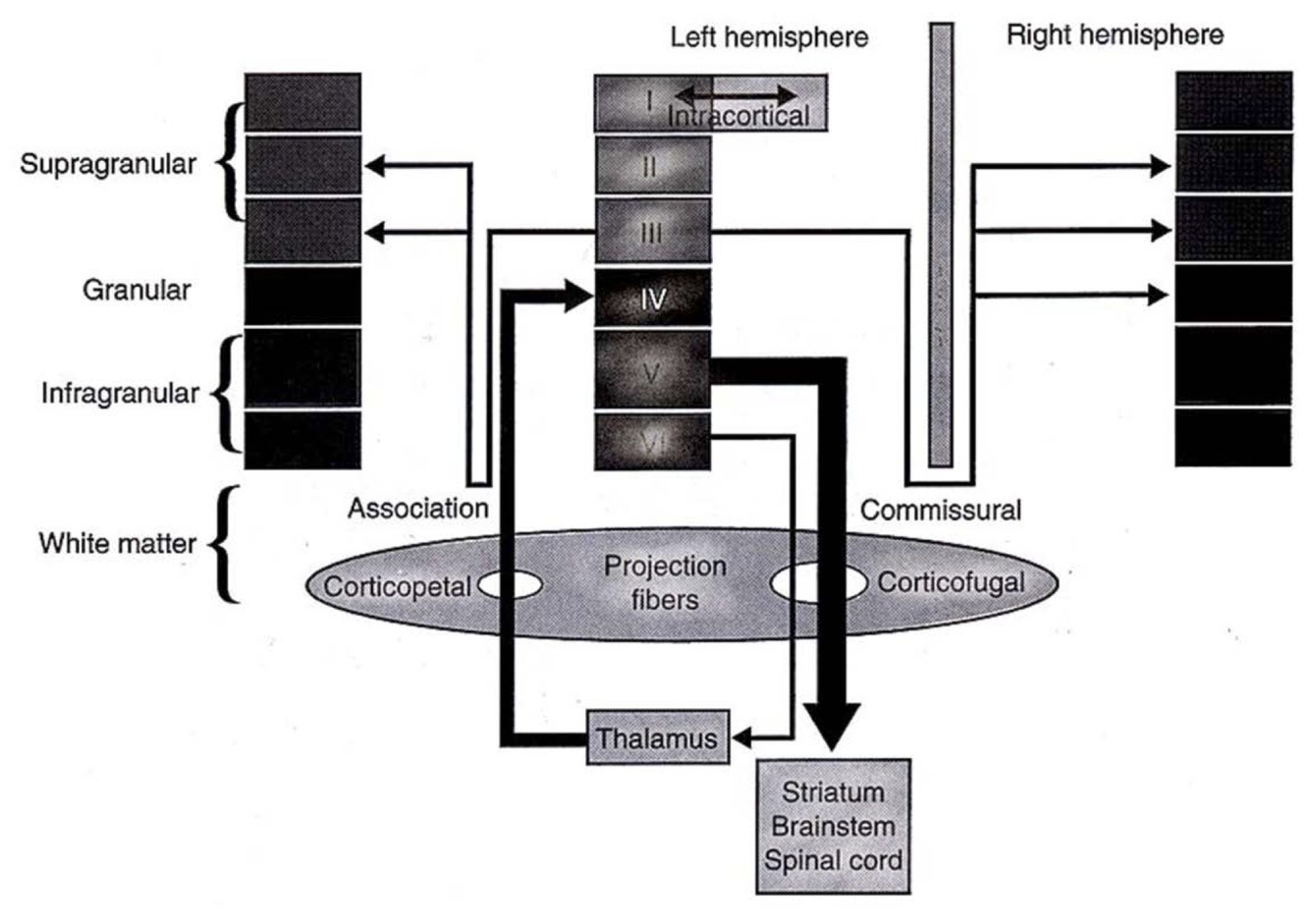
Major connections of neocortex includes:
- afferent
- efferent ⟾ primarily from lamina V
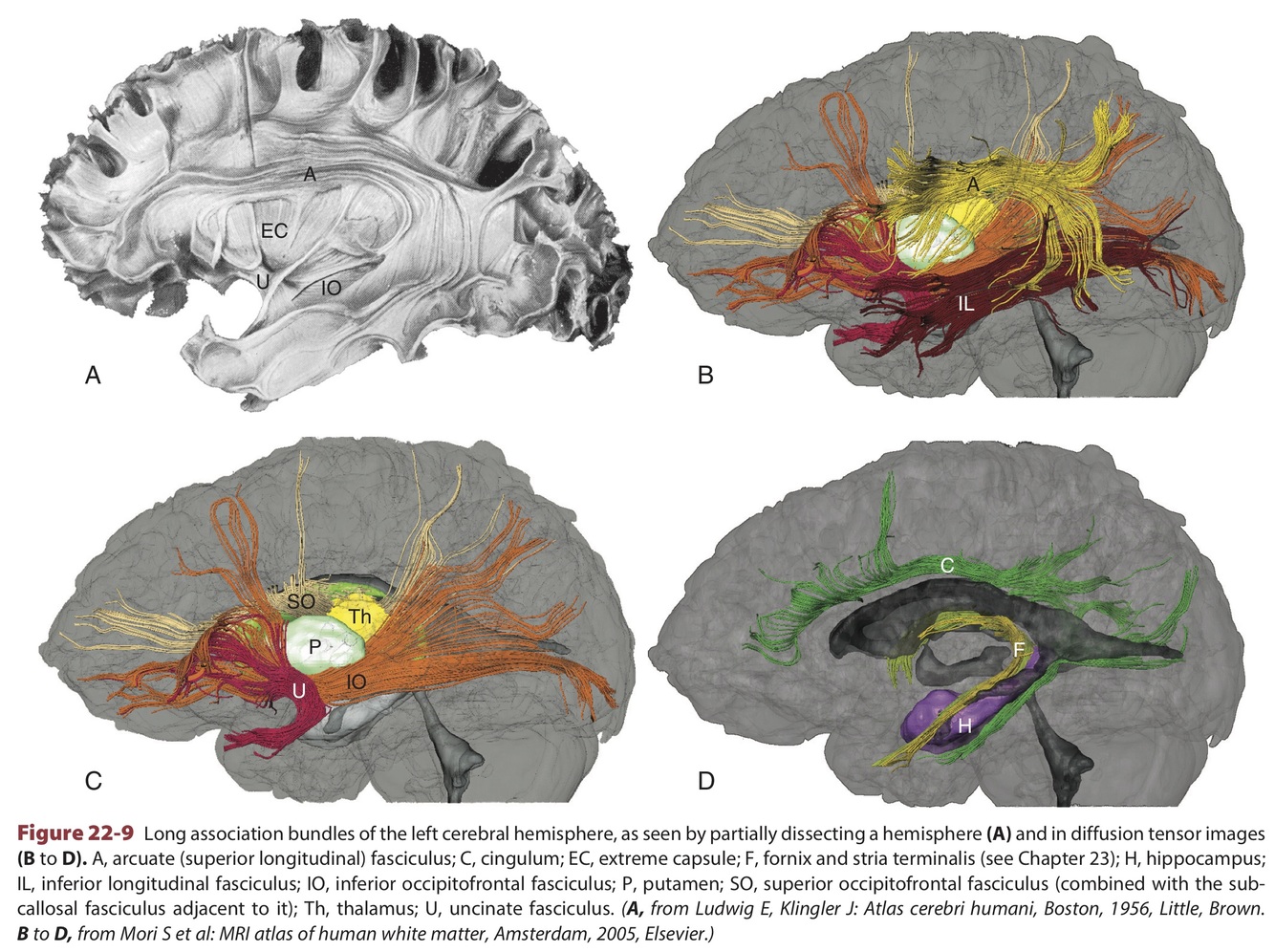
- intracortical/association fibers ⟾ communicate within hemisphere
- commissural ⟾ across hemispheres
- to lamina I-IV via corpus callosum/anterior commissure
Cortical afferents and efferents organized within internal capsule.
Neocortex
Fiber Paths
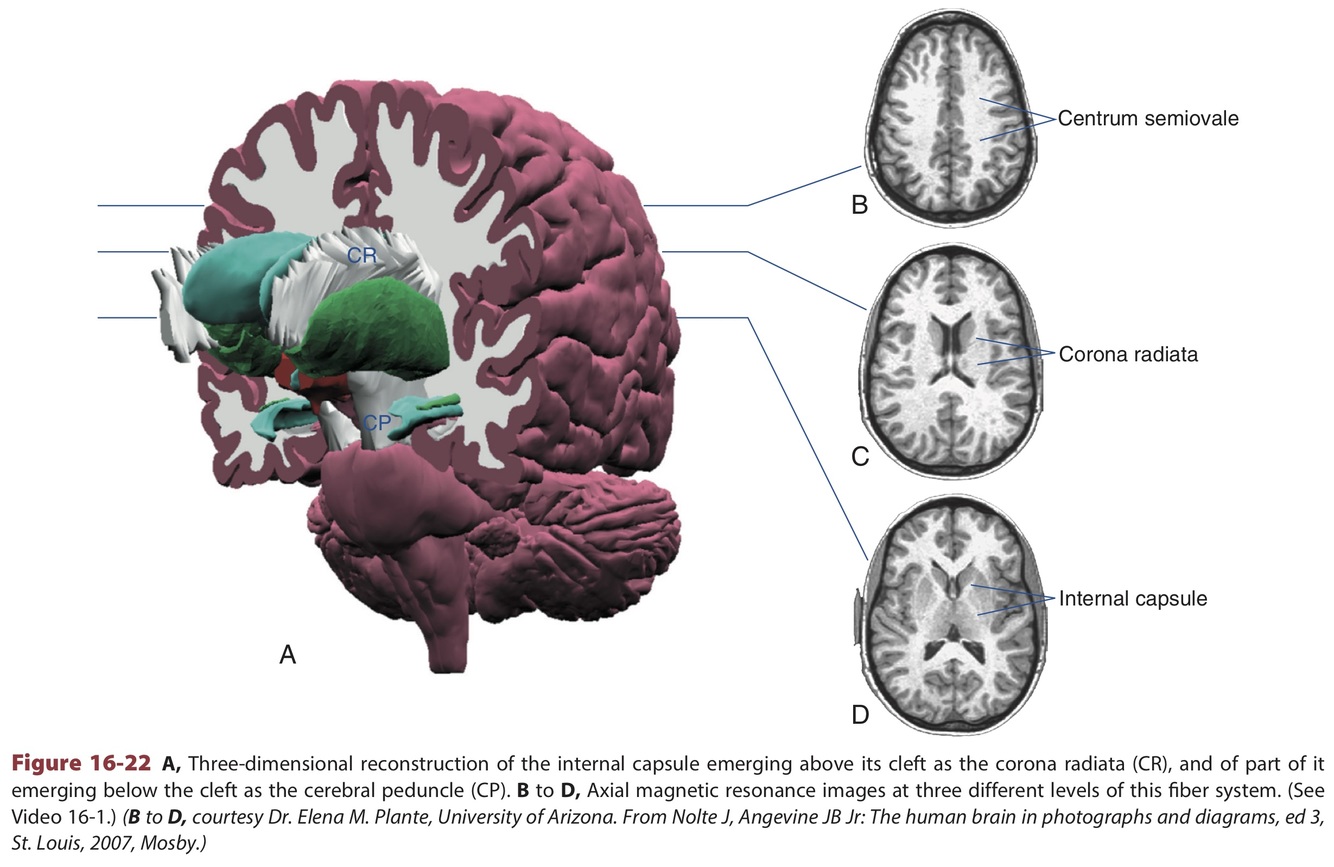
All fibers pass through centrum semiovale.
Fibers connecting cortical and subcortical regions also pass through corona radiata and internal capsule.
Association Bundles
Functional Columns
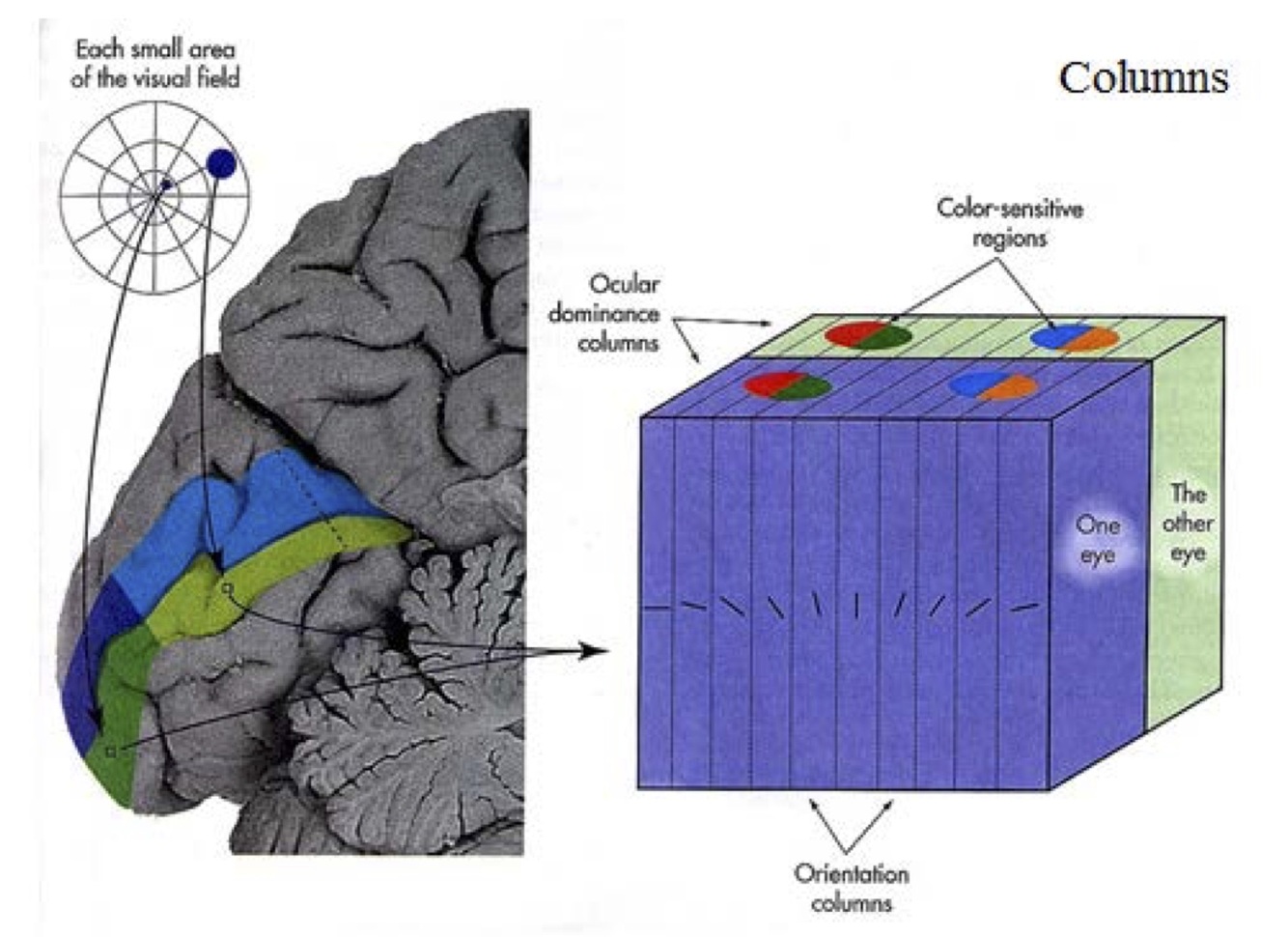
Cortical neurons arranged in vertical columns ⟾ functional units.
Involves processing of multiple inputs and outputs.
Very complex interconnectivity.
Depends on early stimulation for normal development.
Ex. visual cortex with orientation & ocular dominance columns.
Centralized
Neurotransmitters
- Excitatory interneurons
- mainly Glu and Asp
- found in pyramidal and spiny stellate cells
- Inhibitory interneurons:
- mainly GABA
- found in non-spiny stellate cells
- Neuroactive peptides:
- modulates activity of other neurontransmitters
- CCK
- neuropeptide Y
- substance P
- somatostatin
- modulates activity of other neurontransmitters
Distal Neurotransmitter Systems
Transmitters arising from remote neurons.
Often project broadly across neocortex.
- Serotonin
- from raphe nuclei
- terminate mainly in lamina III and IV
- may sharpen sensory processing
- role in sleep and pain
- Norepinephrine
- from locus coeruleus
- terminate mainly in infragranular layers (V & VI)
- role in sleep
- Acetylcholine
- from nucleus of Meynert
- role in learning and memory
- deficient in Alzheimer’s
- Dopamine
- from mesolimbic pathway
- excessive levels in Schizophrenia
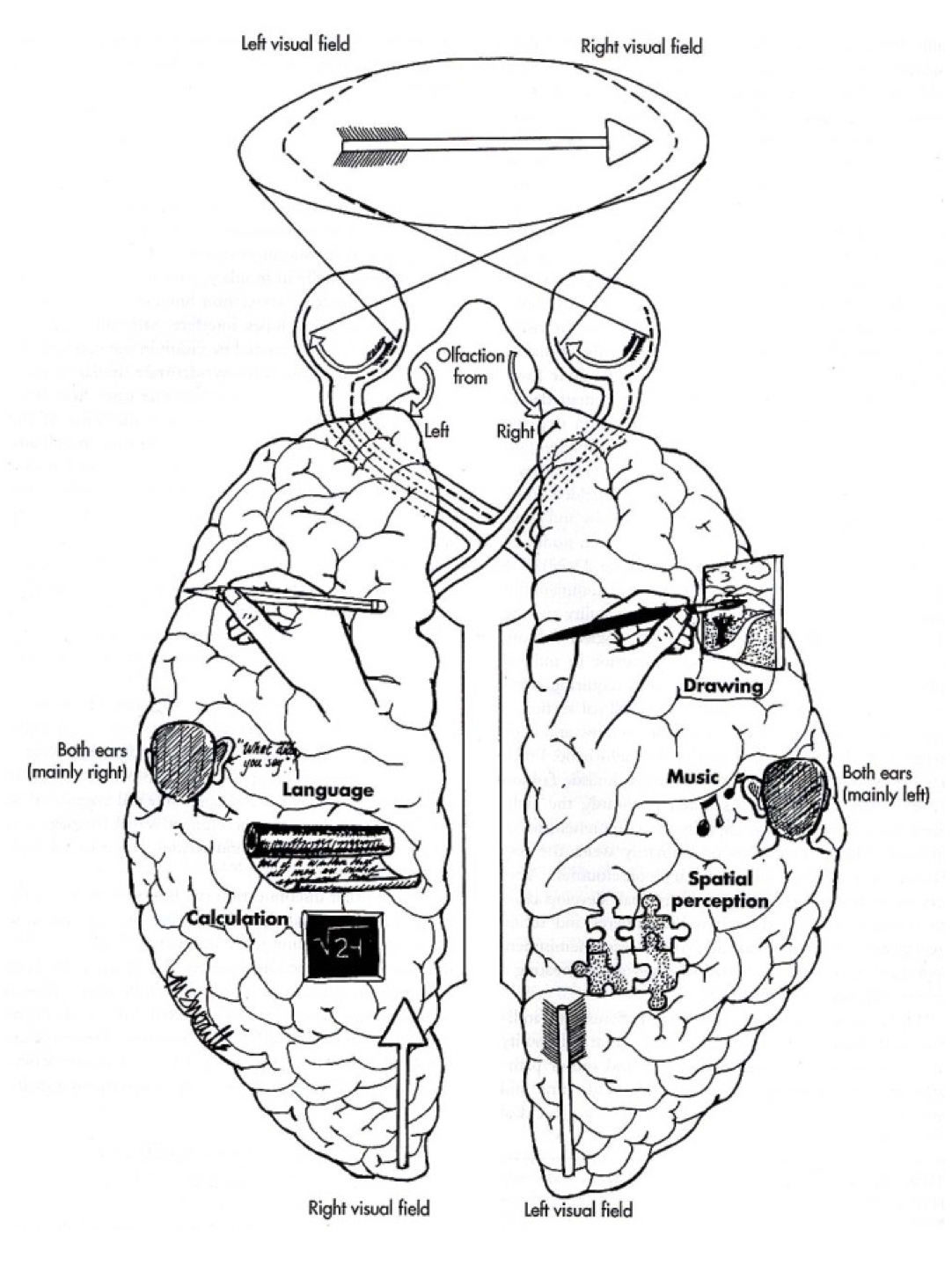
Lateralization
Each cortical lobe with one or more major functions.
Each lobe with lateralization ⟾ left side controls right body.
Left cerebral hemisphere dominant in most people.
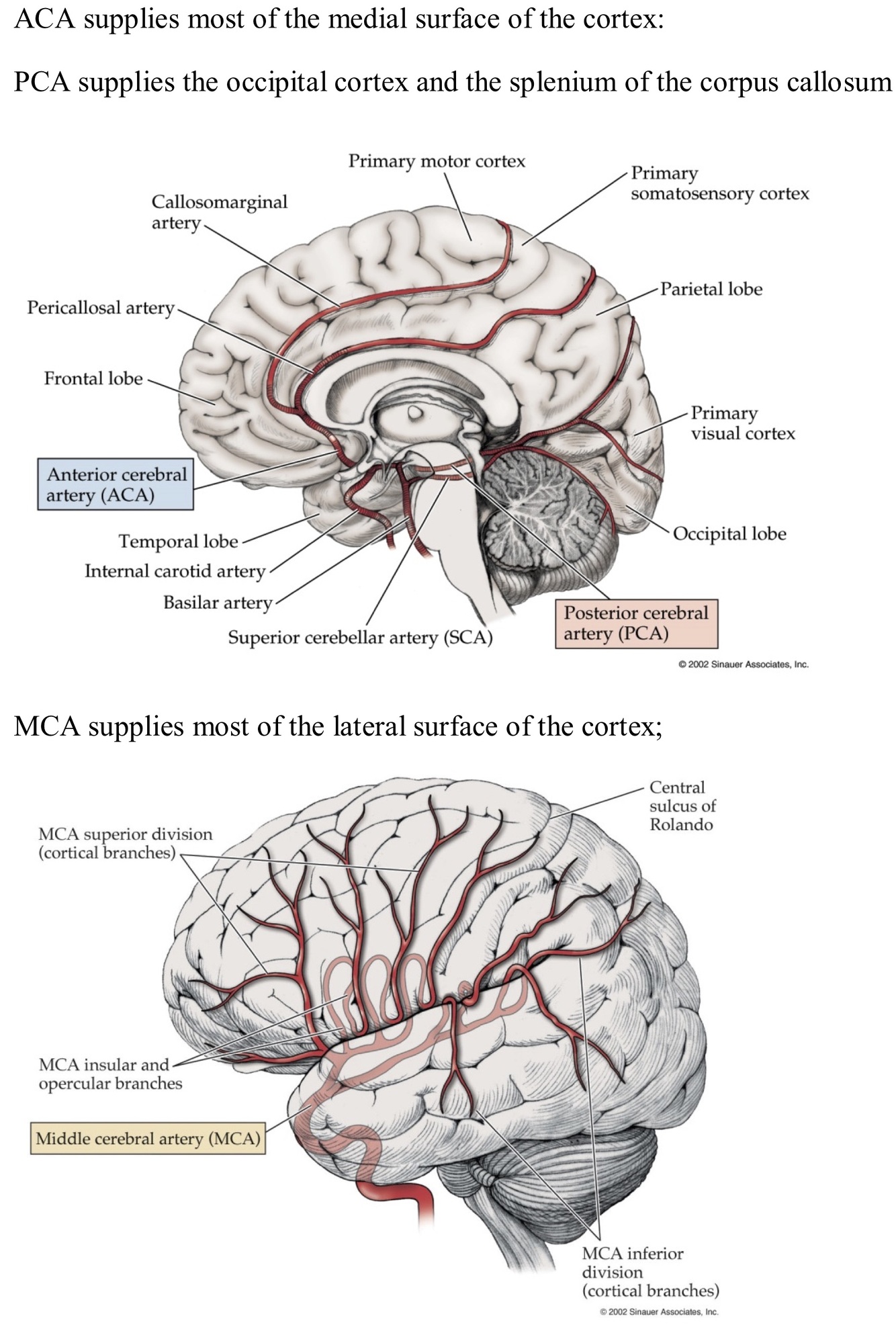
Blood Supply
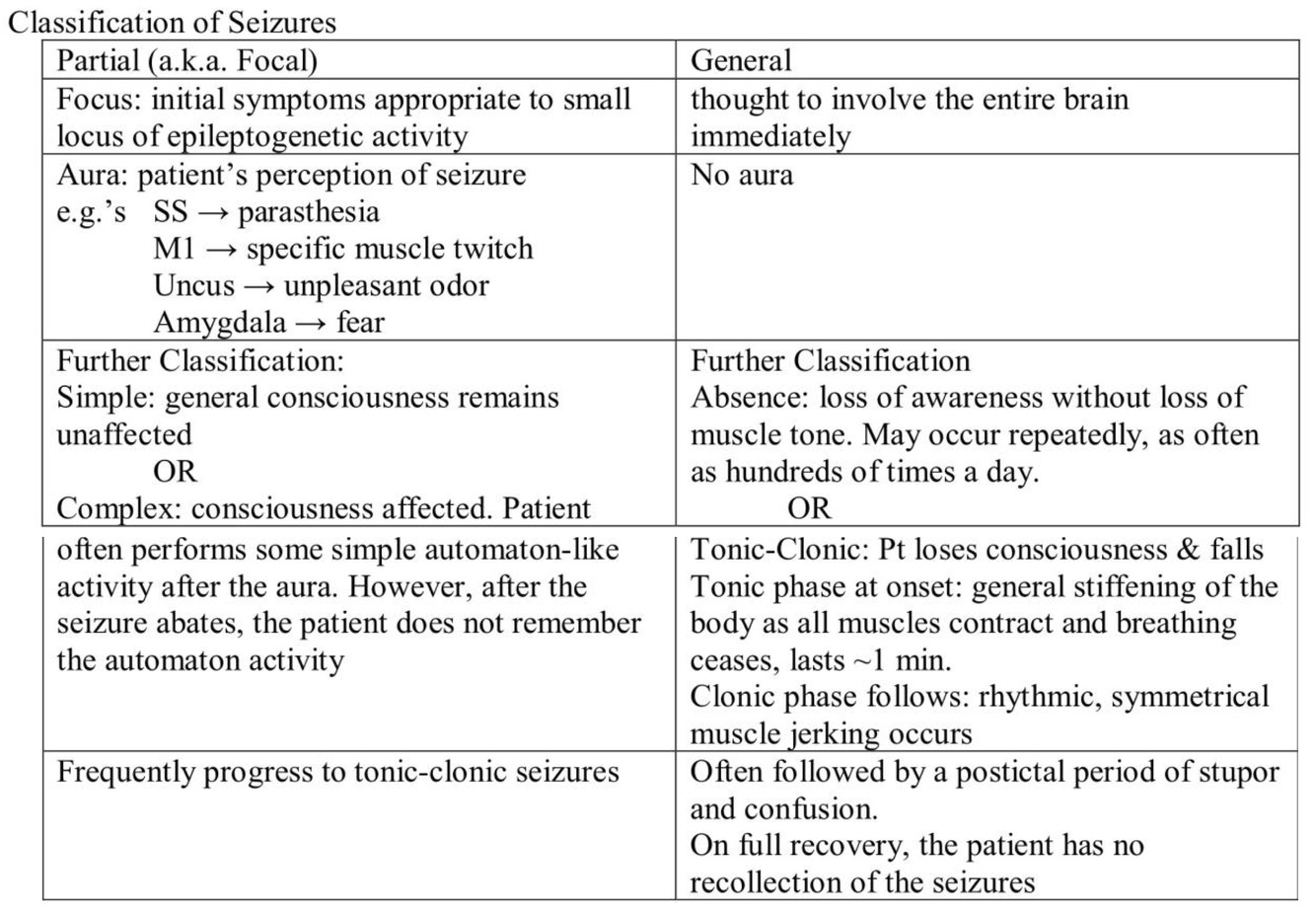
Epilepsy
- Excessive neuronal activity in hippocampal formation or cerebral cortex
- ↑ [glutamate]
- may be toxic esp. to inhibitory interneurons
- Often see ↓ # of inhibitory interneurons in focal areas
- need GABA to supress neuron activity
- usually treat epilepsy with anticonvulsant drugs
- enhanges GABAergic inhibition
- if unresponsive can try cuting corpus callosum to limit spread of activity
- Temporal lobe seizures mot common
- involves paroxysmal events in amygdala, hippocampus, or parahippocampus
- Seizures recur and increase in frequency/severity in most cases if untreated
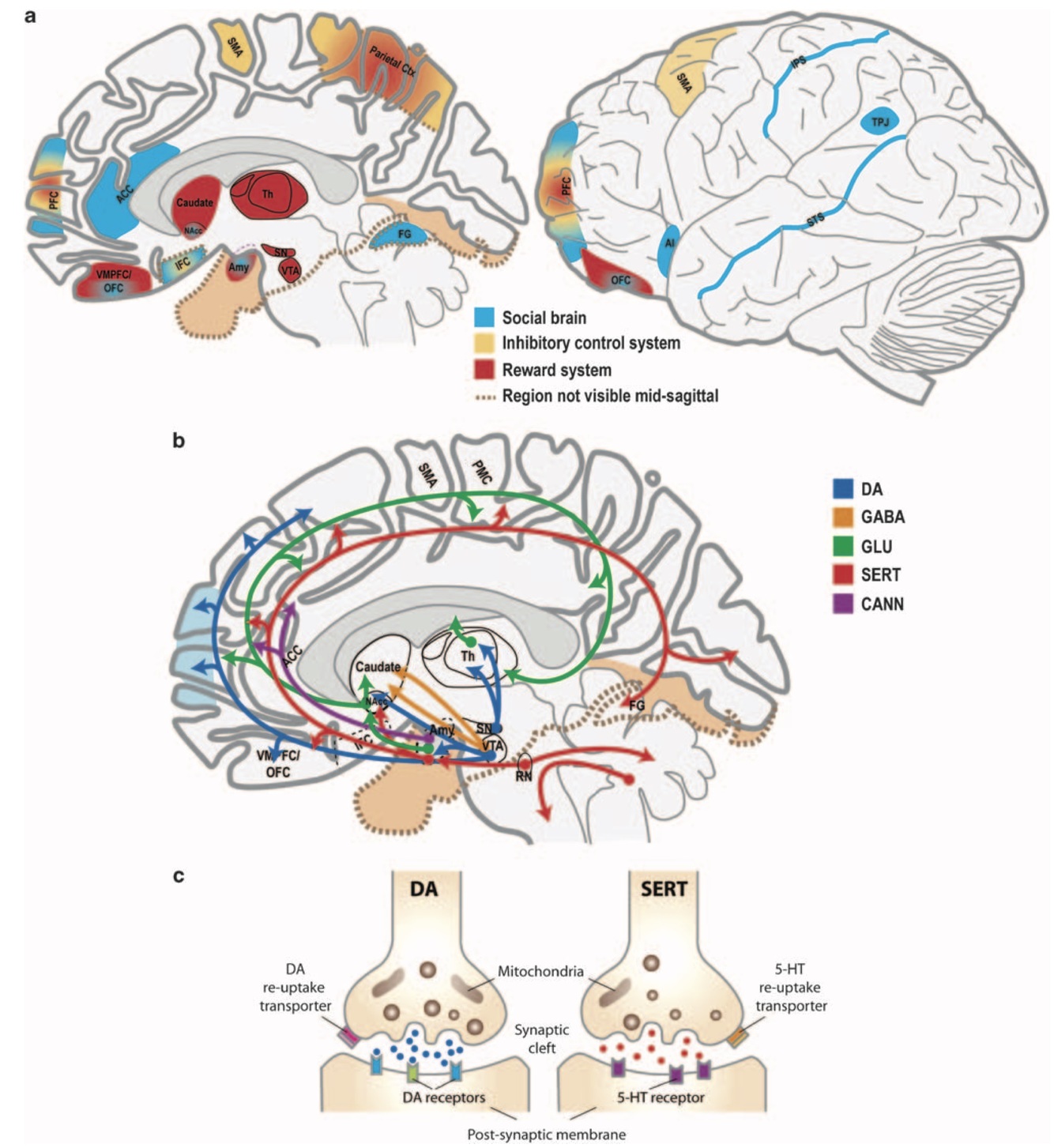
Frontal Lobe
Areas
5 functional areas:
- Prefrontal cortex ⟾ BA 9, 10, 11, 12, 46, and 47
- Broca’s area ⟾ BA 44 & 45
- Frontal eye field ⟾ BA 8
- Premotor & supplementary motor ⟾ BA 6
- Primary motor cortex ⟾ BA 4
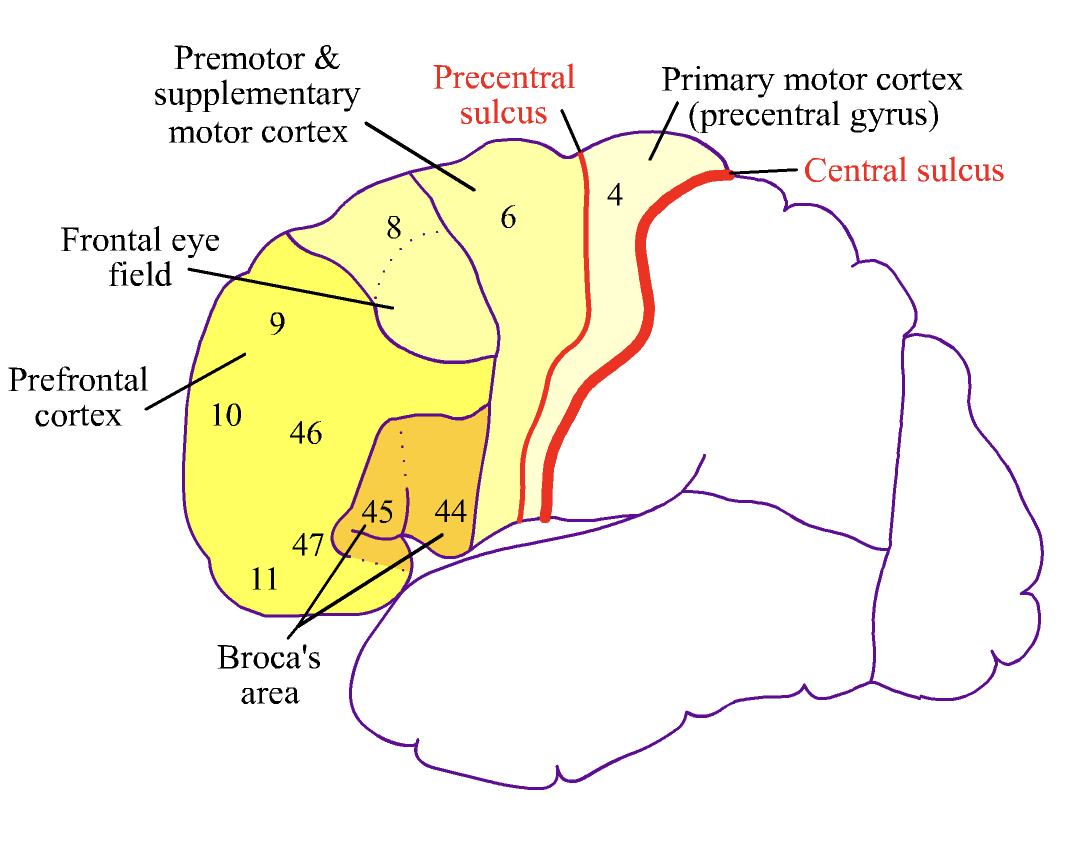
Frontal Lobe Functions
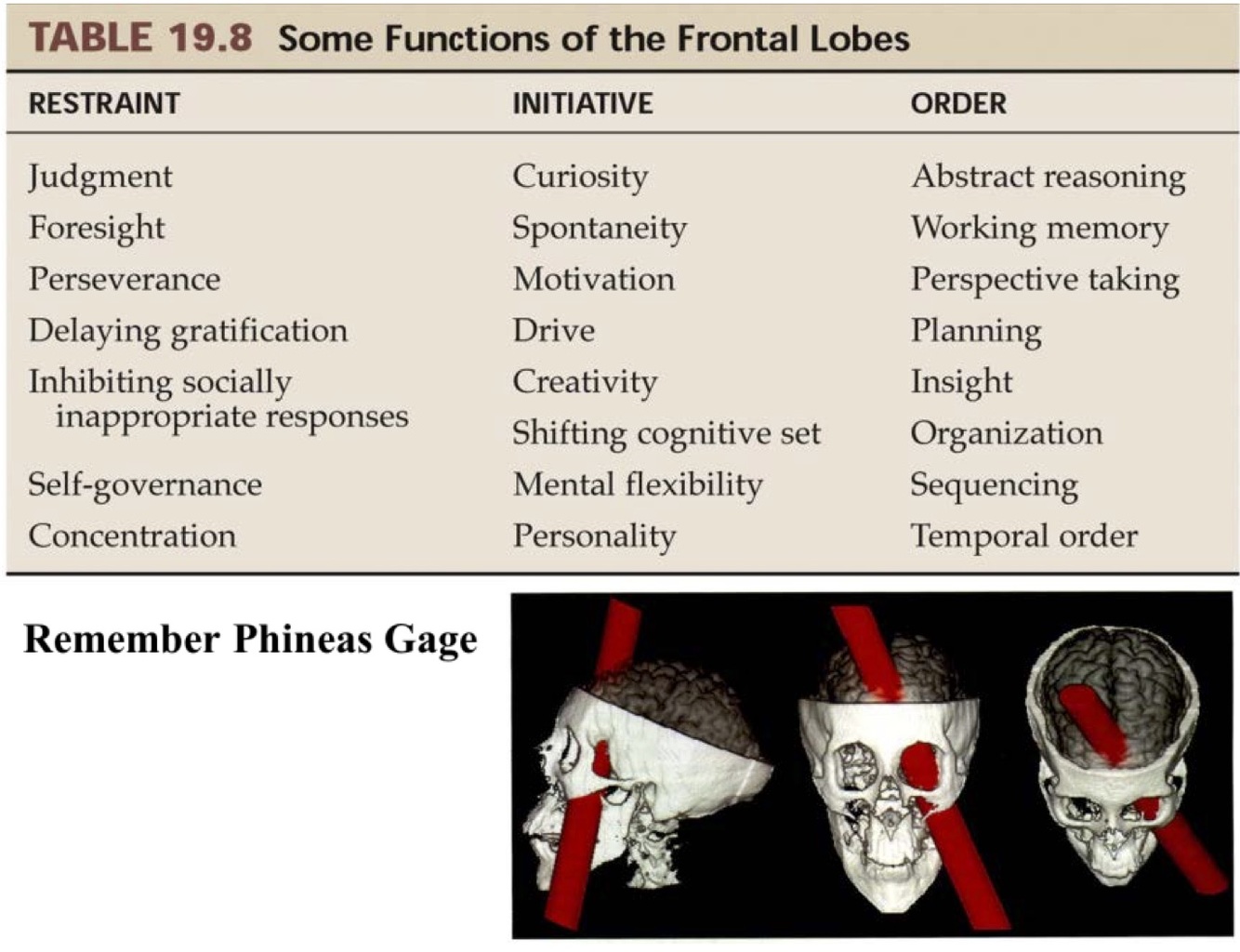
Prefrontal Cortex
Functions
Functions:
- decision making
- judgement
- working memory
- temporarily storing and using information required to perform complex tasks
- suppression of innappropriate responses
- ability to feel and express emotions
- personality
- empathy
- goal directed behavior
- motor functions
- sensorimotor integration
- center for executive functions
- controls activities of other cortical areas
Neurons react to visual, auditory, somatic, olfactory, and gustatory stimuli.
May be mono, bi, or trimodal but show target specificity.
Finishes maturing relatively late in mid-twenties.
Patients with damage to prefrontal lobe unable to sustain a plan of action and meet goals.
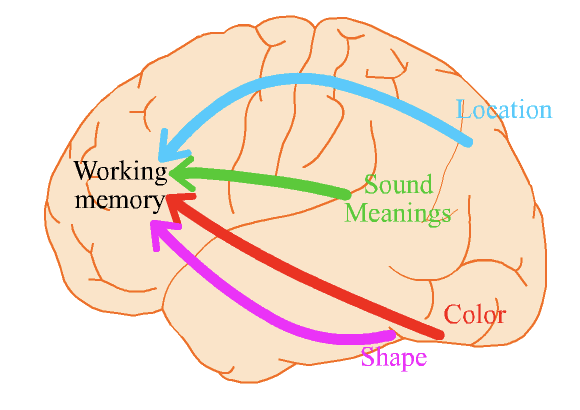
Prefrontal Cortex
Anatomy
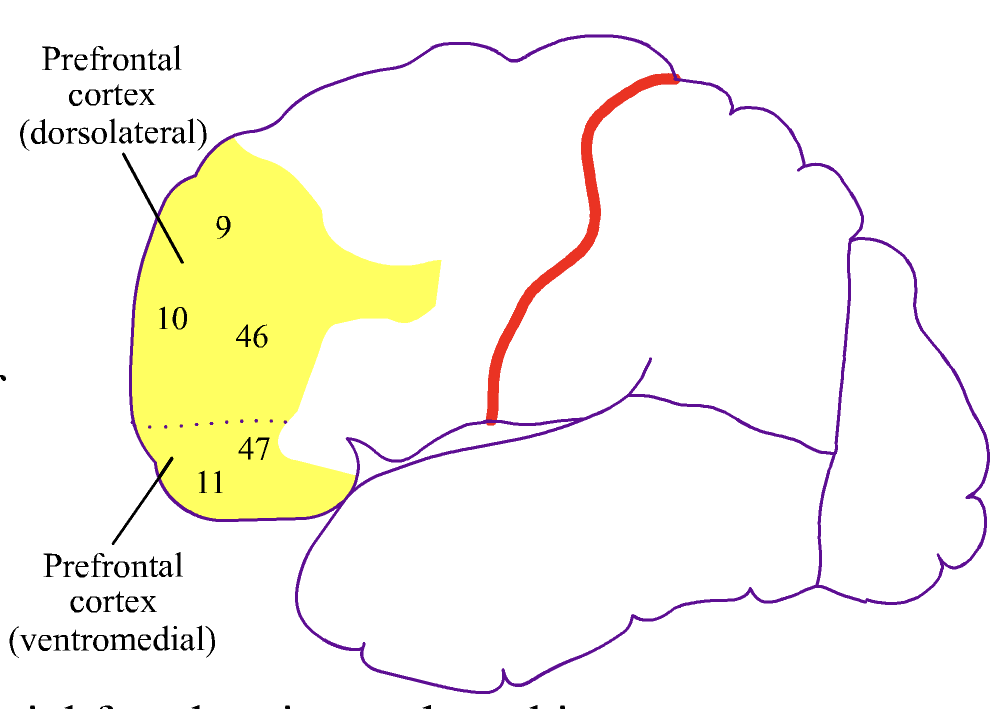
Brodmann’s areas 9, 10, 11, 12, 46, 47.
Two main regions:
- Dorsolateral prefrontal cortex:
- planning and working memory
- Ventromedial prefrontal cortex:
- decision making associated with reward and punishment
- suppression of inappropriate responses & emotional reactions
Prefrontal Hypothesis of Consciousness
- Working memory core process of PFC
- Conscious thought may be due to interaction between neurons for “on-line” processing of mental representations of inside and outside work
- Associated with:
- attention
- stress
- emotion
- problem solving and decision making
- thinking
Dorsolateral Prefrontal Cortex
Lesions
Apathetic, lifeless, abulic state.
Ventromedial Prefrontal Cortex
Lesion
Impulsive, disinhibited behavior.
Prefrontal Cortex
Associated Diseases
Most common cognitive disorders associated with attention deficit:
- ADHD
- Schizophrenia
- Parkinson’s disease
- Tourette’s syndrome
- Age-related memory decline
- Dementias
- Autism
- Depression
Schizophrenia
Symptoms
Schizophrenics w/ similar cognitive sx as damaged prefrontal cortex.
- Positive symptoms:
- delusions
- hallucinations
- extreme emotions
- hyperactivity
- incoherent thoughts and speech
- Negative symptoms:
- lack of emotion, speech, social interaction, and action
Schizophrenia
Dopamine Hypothesis
- overactive mesolimbic pathway → D2 receptors → positive sx.
- hypoactive mesocortical pathway → D1 receptor → negative sx.
Schizophrenia
Glutamate Hypothesis
Hypofunctional glutamate system → decreased prefrontal cortex function (hypofrontality).
Schizophrenia-like sx reproduced in healthy pepole with NDMA glutamate receptor antagonists (e.g ketamine/PCP).
Does not negate dopamine hypothesis.
Suggests ∆ in both glutamatergic and dopaminergic systems involved.


-
Craniofacial Complex37
-
Nervous System Development33
-
Blood Brain Barrier21
-
Neurotransmitters27
-
Intro to Nervous System29
-
Action Potentials and Channelopathies18
-
Neuronal Degeneration and Regeneration19
-
Neuronal Interactions24
-
Nerves, Spinal cord, and Pathways124
-
Spinal Cord Lesions16
-
Pain35
-
Hypothalamus63
-
CNS Pathways & ANS35
-
Limbic System70
-
Cerebral Cortex107
-
Cerebellum50
-
Basal Ganglia30
-
Motor Systems18
-
Brainstem13
-
Cranial Nerves15
-
Thalamus23
-
Aging and Alzheimers15
-
CVA, TBI, and Coma17



