Are ASD’s more common in males or females?
Female preponderance
What is the Trilogy of Fallot?
- PA stenosis
- Right ventricular hypertrophy
- patent foramen ovale
The “trilogy,” consisting of pulmonary stenosis with intact ventricular septum, right ventricular hypertrophy, and a defect in the atrial septum, was first described by Fallot.1 In his series of seven patients, the stenosis was valvular in six and infundibular in one. All seven had a patent foramen ovale, and in one a second defect of the atrial septum was present.
Although the trilogy of Fallot is considered to be an infrequent lesion, growing experience with surgery for congenital heart disease has shown it to be commoner than previously though
In Tricuspid atresia, how does the size of the associated ASD impact flow dynamics and xray findings?
- tricuspid atresia with a large atrial septal defect
- little or no cardiomegaly
- tricuspid atresia with a restrictive (ie small) atrial septal defect
- substantial right atrial enlargement
- which results in cardiomegaly.
- Tricuspid atresia can be associated with increase in pulmonary blood flow,
- secondary to
- large left-to-right shunt at the ventricular septal level or
- the concurrence of transposition of the great vessels.
- secondary to
Aims of CT when ix Coarctation
- Allows precise size and length estimation,
- detection of collaterals,
- postoperative complications and
- stent graft patency postintervention
What is the treatment of Ebsteins anomaly?
Treatment
- ECMO for temporization
- Tricuspid valve reconstruction
- Cardiac pacemaker for arrhythmias
- Bidirectional Glenn shunt (SVC–PA to increase pulmonary blood flow)
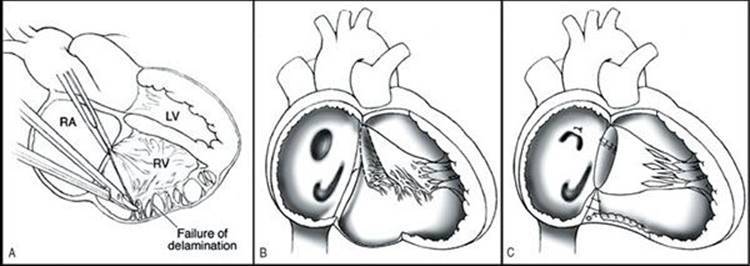
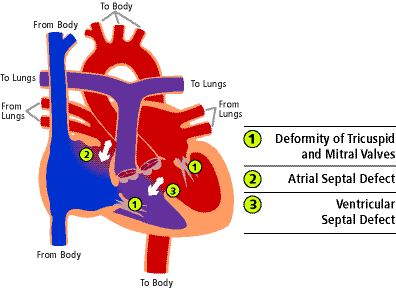
what is the treatment of Endocardial cushion defects?
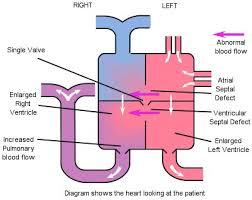
Treatment
•
Primary surgical repair before age 2
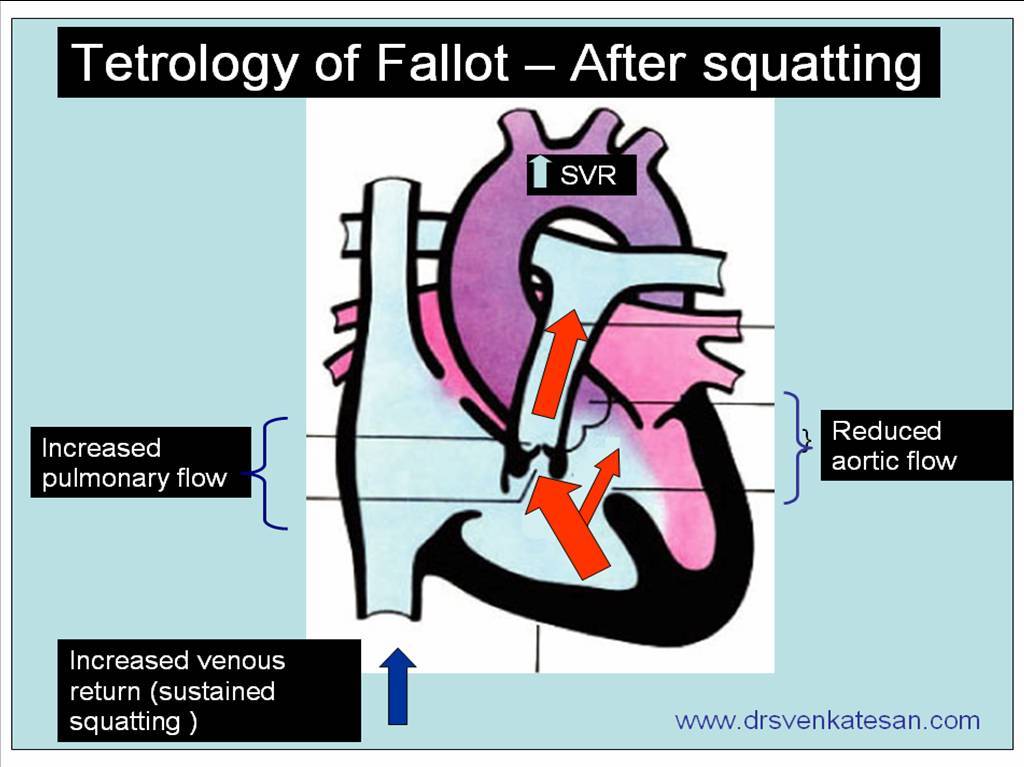
What are the clinical findings of TOF?
Clinical Findings
- Squatting when fatigued (to increase pulmonary flow and thus O 2 saturation)
- Episodic loss of consciousness
- Cyanosis by 3–4 months; time of presentation depends on degree of RV outflow obstruction.
What are the Radiographic features of VSDs?
Small?
Significant shunt?
Eisenmegner?
Radiographic Features
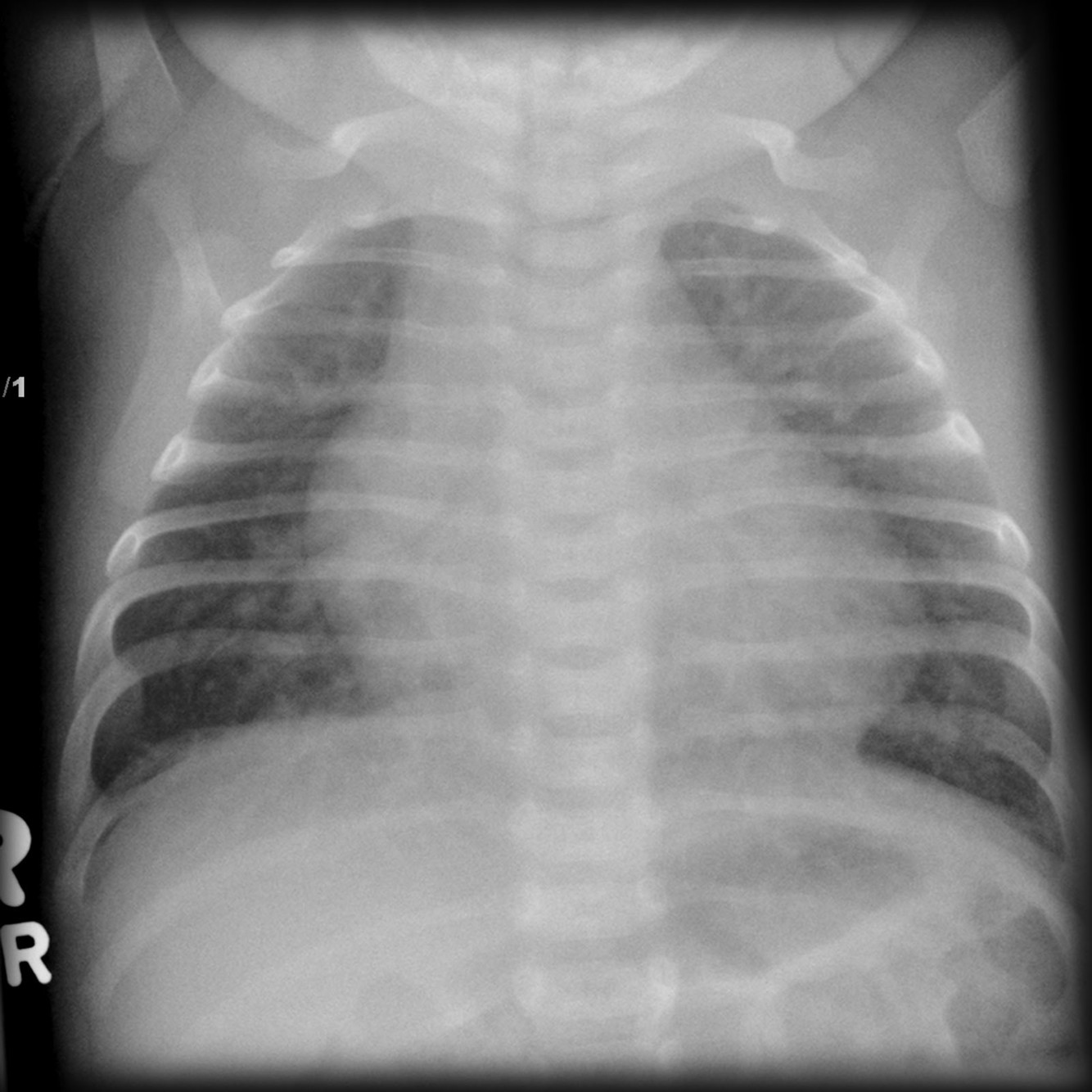
Because of the variation in size of VSD, the radiographic features are variable and may range from normal cardiac size and pulmonary vessels to large RV, LV, and LA.
CXR findings
- Small VSD:
- normal CXR
- Significant shunt (Q pulm /Q aorta >2):
- enlargement of heart, PAs, and LA
- Eisenmenger physiology
- Enlarged PAs
- Cardiac and LA enlargement may decrease RVH
- Peripheral PAs become constricted (“pruning”)
- Calcified PA (rare)
Plain radiograph
The chest radiograph can be normal with a small VSD. Larger VSDs may show cardiomegaly (particularly left atrial enlargement although the right and left ventricle can also be enlarged). A large VSD may also show features of pulmonary arterial hypertension, pulmonary oedema, pleural effusion, and increased pulmonary vascular markings.
what type of CHD is Valvular Pulmonary Stenosis?
re vascularity and cyanosis
Acyanotic CHD With Normal Pulmonary Vascularity
*
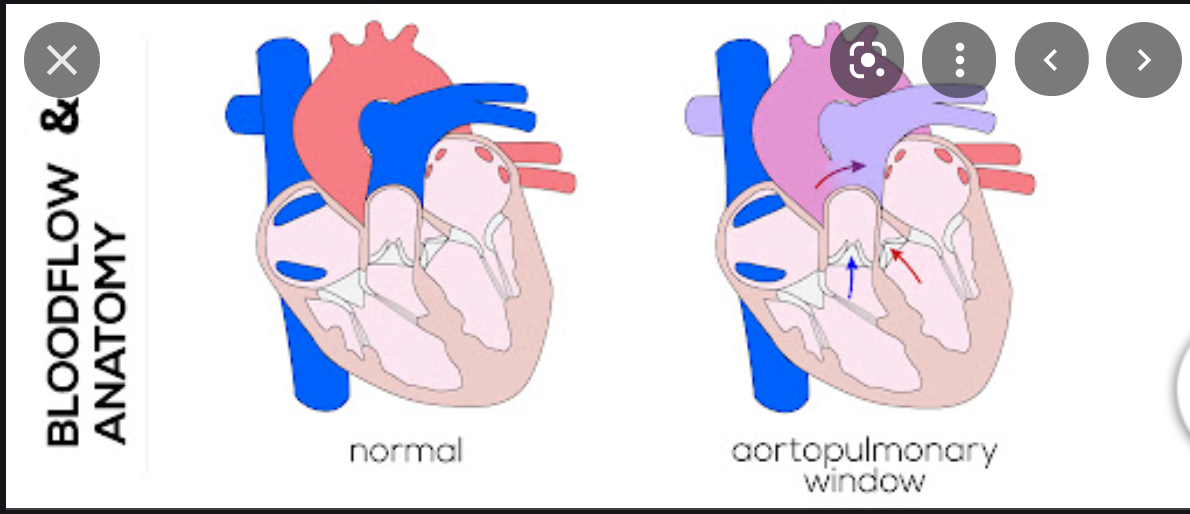
What 3 other defects are AP window defects associated with?
Associations
- PDA, 10%–15%
- VSD
- Co-Arctation
What is the rule of thumb to predict cyanosis by xray?
Cyanosis: there are no definitive signs to predict cyanosis by plain radiograph however, as a rule of thumb, cyanotic patients (right-to-left shunt) have small PAs, and the main PA segment may not be visible or is concave.
What is the underlying mechanism of
Acyanotic CHD With Normal Pulmonary Vascularity
Acyanotic CHD With Normal Pulmonary Vascularity
- Normal pulmonary vascularity is associated with either:
- outflow obstruction
- valvular insufficiency before onset of congestive heart failure (CHF):
- Outflow obstruction
- Coarctation of aorta
- Interruption of aortic arch (IAA)
- AS
- Pulmonic stenosis
- Valvular insufficiency (rarely congenital)
- Corrected transposition of great arteries (L-TGA) (isolated)
Top 6 CONGENITAL HEART DISEASE conditions presenting in the
First Month of Life
(Serious Clinical Problems, High Mortality)
First Month of Life (Serious Clinical Problems, High Mortality)
- Hypoplastic left heart 35%
- Transposition of great arteries 25%
- Coarctation 20%
- Multiple serious defects 15%
- Pulmonary atresia/stenosis 10%
- Severe tetralogy of Fallot 10%
What is the underlying mechanism of Cyanotic CHD With Decreased Pulmonary Vascularity?
Cyanotic CHD With Decreased Pulmonary Vascularity
- Decreased pulmonary vascularity because of obstruction of pulmonary flow.
- In addition, there is a R-L shunt because of an intracardiac defect.
- Normal heart size
- Tetralogy of Fallot
- Fallot variants
- Tricuspid atresia
- Increased heart size
- Ebstein anomaly
- Pulmonary stenosis with ASD
- Pulmonary Atresia
- Normal heart size
What are the clinical findings of pulmonary stenosis?
whate is an associoated syndrome?
3 characteristics of this syndrome
Clinical Findings
Most patients are asymptomatic.
Dysplastic type may show familial inheritance; also associated with Noonan syndrome (short stature, webbed neck, hypogonadism).
What are the characteristics of Ebstein Anomaly?
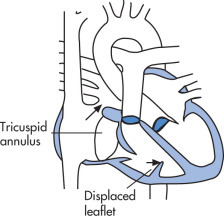
Ebstein Anomaly ( Fig. 2.40 )
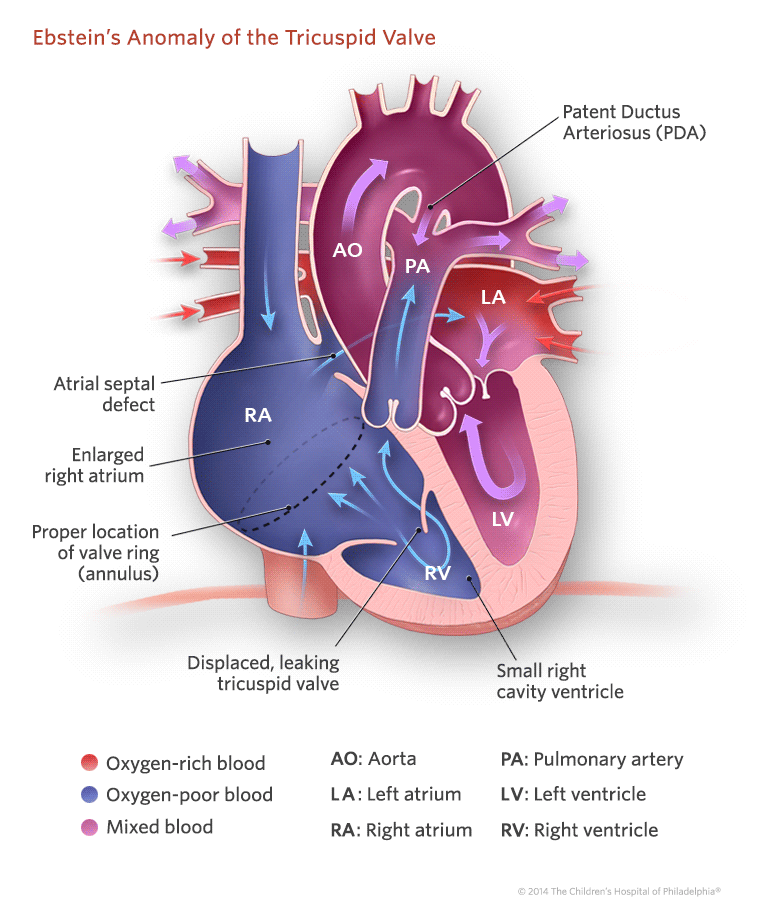
Deformity of the tricuspid valve with distal displacement of the tricuspid leaflets into the RV inflow tract; results in atrialization of superior RV.
Patent foramen ovale or ASD nearly always present, 80%
Aim of CXR assessment in Congenital heart disease
Use of Imaging Modalities for Evaluation of CHD in Pediatric and Adult Populations
Chest Radiograph
- Determine to which of the four categories a CHD belongs (based on pulmonary vascularity and cardiac contour abnormalities).
- Abdomen: determine situs
- Bones: certain CHDs are associated with osseous abnormalities such as 11 ribs or hypersegmented sternum (Down syndrome)
What differentiates an AP window septal defect from Truncus Arteriosus?
- Differentiation from TA:
- Two semilunar valves are present.
- No VSD
What are treatment options for Tricuspid atresia?
- Treatment
- Palliative
- Maintain patent PDA with prostaglandins.
- Blalock–Taussig
- Glenn anastomosis (SVC → PA)
- Definitive (older patients)
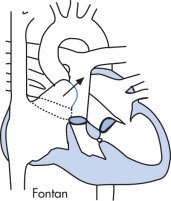
- Fontan procedure: RA is connected to main PA ( Fig. 2.44 ).
- Palliative
when does the PDA close?
PDA closes functionally 48 hours after delivery.
PDA closes anatomically after 4 weeks.
3 x ddx of Congenital heart disease with Increased incidence in females?
Increased incidence in females:
- ASD
- PDA
- Ebstein anomaly
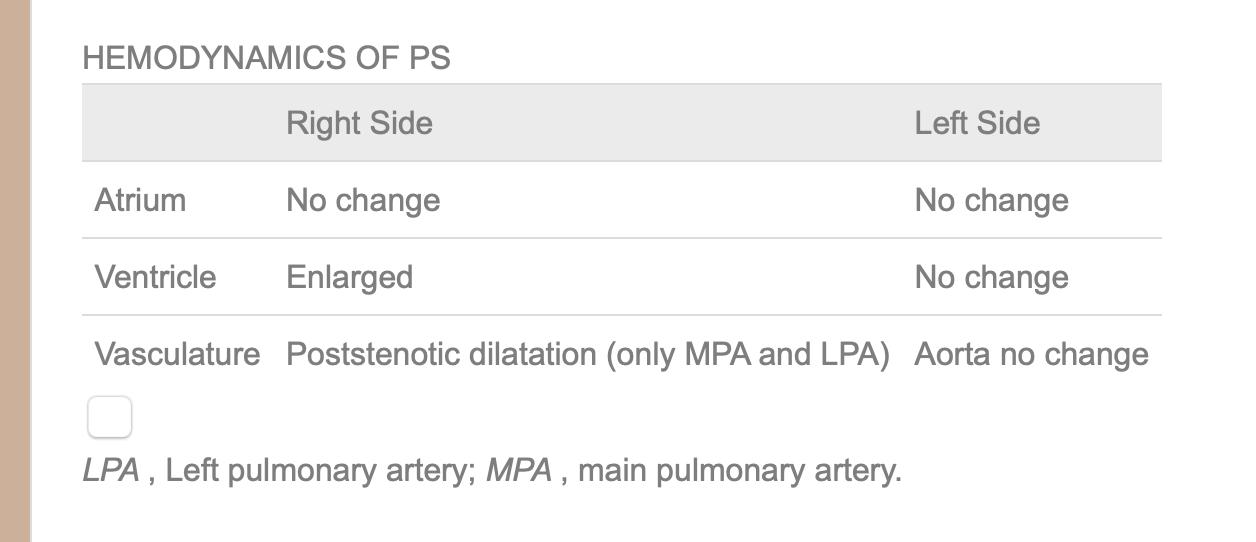
what are the haemodynamics of Valvular Pulmonary Stenosis
Hemodynamics
• Obstruction of RV outflow
What are the clinical findings of Ebsteins Anomaly?
What is the 1st year mortality rate?
Clinical Findings
- Tricuspid regurgitation and/or obstruction
- Arrhythmias (RBBB, WPW)
- 50% mortality in first year
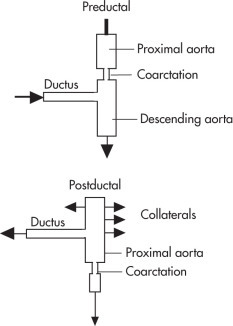
What are the haemodynamics of pre and post ductal coarctation?
- Preductal type has concomitant R–L shunting via PDA or VSD.
- Postductal coarctation has L–R flow through PDA.
- Collaterals to descending aorta
- Internal mammary to intercostals
- Periscapular arteries to intercostals


-
CHEST IMAGING 1100
-
CHEST IMAGING 2100
-
CHEST IMAGING 343
-
CHEST IMAGING 4 (TUMOURS)81
-
CHEST IMAGING 5 PATHOLOGY2
-
CARDIAC IMAGING 1100
-
CARDIAC IMAGING 2100
-
CARDIAC IMAGING 3100
-
CARDIAC IMAGING 443
-
GIT 1101
-
GIT 2100
-
GIT 3100
-
GIT 4102
-
Hepatobilary155
-
Biliary System76
-
Pancreas66
-
Spleen24
-
Adrenal Glands70
-
GENITOURINARY IMAGING 197
-
GENITOURINARY IMAGING 2100
-
GENITOURINARY IMAGING 3100
-
GENITOURINARY IMAGING 4100
-
GENITOURINARY IMAGING 545
-
RETROPERITONEUM33
-
Male Pelvis10
-
GIT PATHOLOGY31
-
Skeletal Dysplasias18
-
MSK104
-
MSK Crack the Core70
-
MSK 295
-
MSK 3100
-
Neuro100
-
Neuro 222
-
NEURO 375
-
Head and Neck 1100
-
Head and Neck 2100
-
Head and Neck 3100
-
Head and Neck 4100
-
Head and Neck 555
-
DDX Head and Neck35
-
Vascular10
-
IR30
-
BREAST IMAGING52
-
OBSTETRICS17
-
GYNAECOLOGY40
-
PAEDIATRICS 196
-
PAEDIATRICS 297
-
PAEDIATRICS 395
-
Nuclear Medicine 134
-
PET CT16
-
Syndromes94
-
HAEMATOLOGY6
-
PATHOLOGY 141
-
Crack the core WHen I Say you say...489
-
Physics31
-
crack the core exam case companion18
-
EPONYMOUS Diseases/signs22
-
What the F&^# is that word?10
-
Radiology Signs25
-
Mnemonics36
-
GIT Pathology1
-
NEURO MRI PHYSICS14
-
GREAT CHEST XRAY CASES1
-
THIS PATIENT IS TYPICAL OF X CONDITION2



