What is this?
association?
Tests?
inheritability
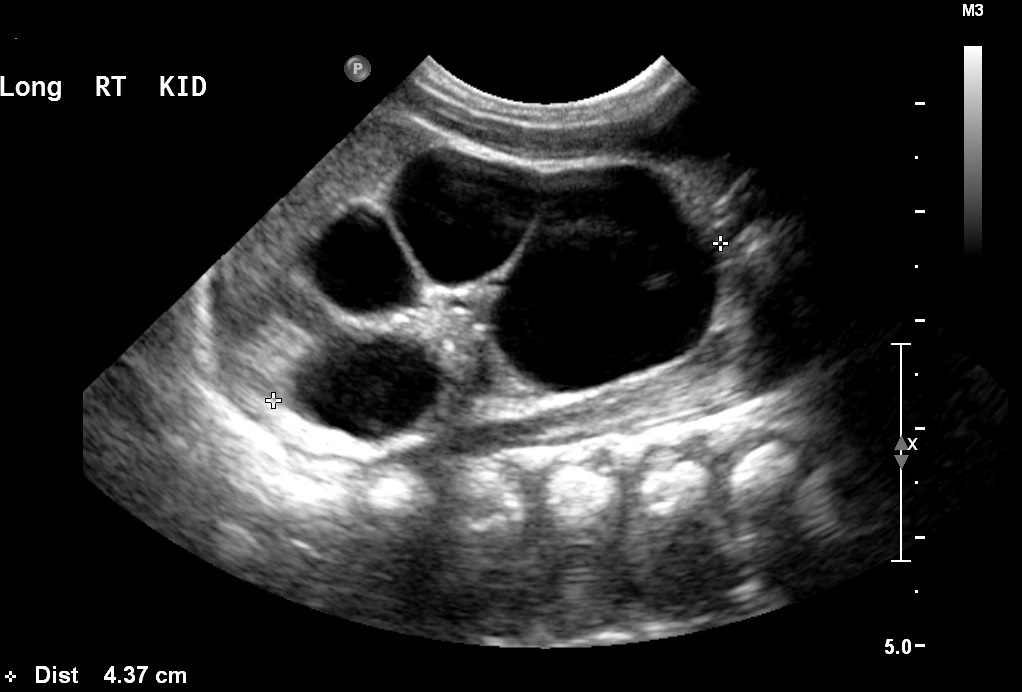
Multicystic dysplastic syndrome
- There are multiple, large noncommunicating cysts in the right kidney, compatible with multicystic dysplastic kidney.
- The diagnosis of multicystic dysplastic kidney is often made on fetal ultrasound.
- It is a nonheritable condition.
- The bilateral form is fatal.
- MAG3 scan:
- a multicystic dysplastic kidney has no excretion.
- Associations
- contralateral ureteropelvic junction obstruction.
- Spontaneous involution occurs commonly, in up to 60% of cases.
Bacterial pneumonia most common pathogens
- Common pathogens
- Pneumococcus
- S. Aureus
- H. Influenze
- Radiographic features
- consolidation: alveolar exudate, segmental consolidation, lobar consolidation, effusions, penutatocele
- Complications:
- PTX,
- Bronchiectasis.
- Swyer-James syndrome
- (aquired pulmonary Hypoplasia/post infectious bronchiolitis obliterates, radiographically chracateries by small hyperlucent lungs with diminished velds (focal emphysema).
What is this condition?
Pathology?
Clinical presentation
Associations
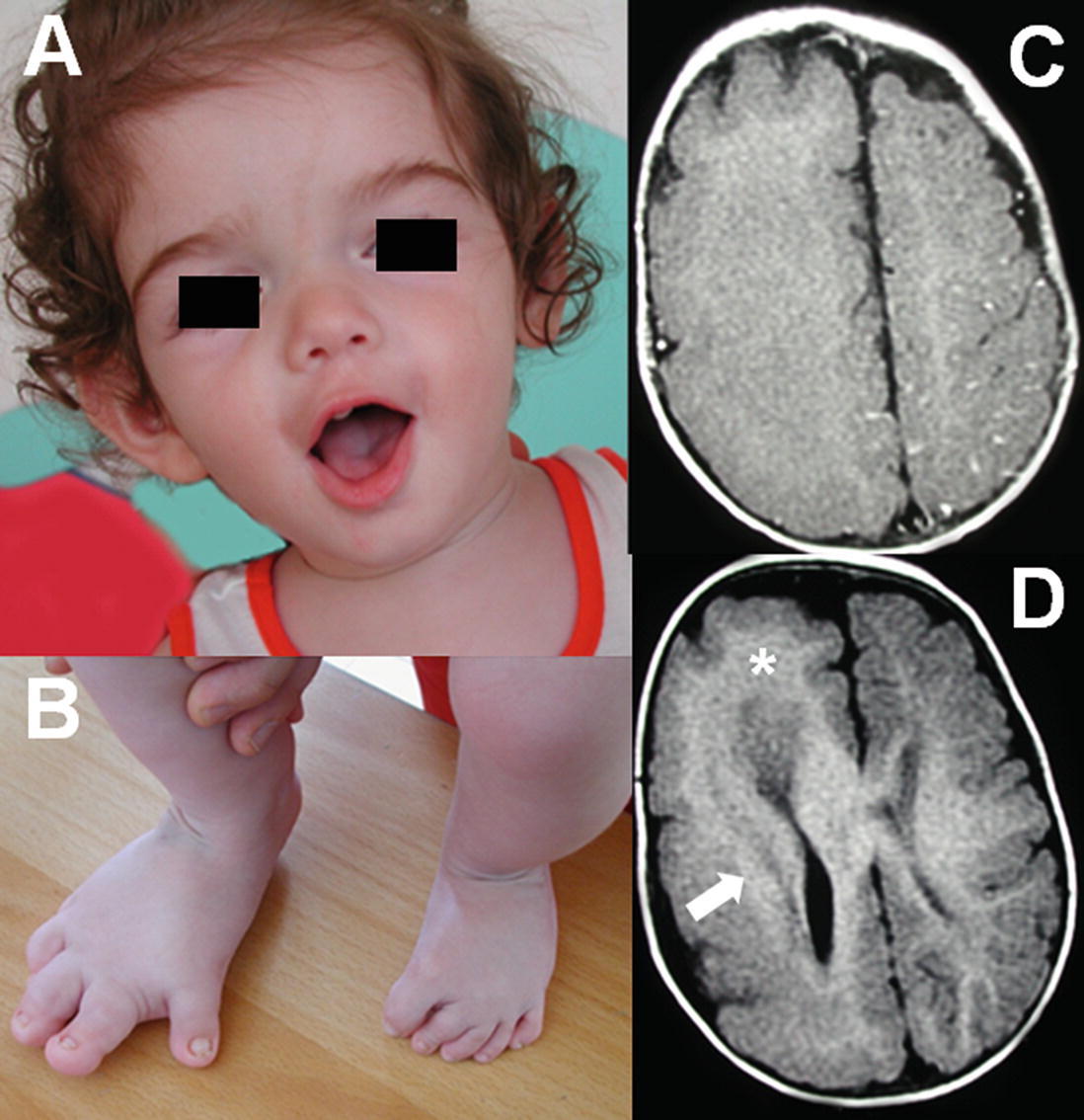
Hemimegaencephaly
- Intro
- rare
- congenital
- disorder of cortical formation
- hamatomatous overgrowth of all or part of a cerebral hemisphere.
- either from increased proliferation or decreased apoptosis of developing neurons (or both).
- Epi
- Cryptogenic congeital disorder and does not have a recognised racial or gender predilection. Rare only found in 0.2% cases of epilepsy.
- Presentation
- 90% of patients present with focal generalised infantile spasms.
- Developmental delay, hemiparesis, hemianopia are also evident.
- may be normocephalic, macrocephaly may be pronounced.
- No raised ICP.
- THREE TYPES
- Isolated
- Syndromic
- epidernal naevus
- Klippel trenaunay
- Macune albright
- Proteus
- Unilateral hypomelanosis of Ito
- NF1
- Tuberous Sclerosis
- CLOVES
- Total hemimegalencephaly
- hemihypertrophy also involves the brainstem and cerebellum.
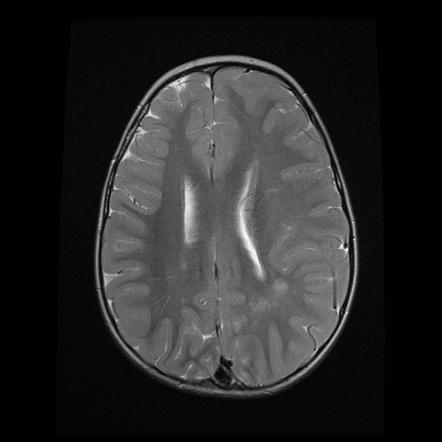
Wolffian Duct
- anlage for vas deference, seminal vesicles, epididymis
- guides ureteral migration to bladder.
- induces kidney development and ascent
- induces mullerian duct development in females.
What pulmonary disease is this patient likely to develop?
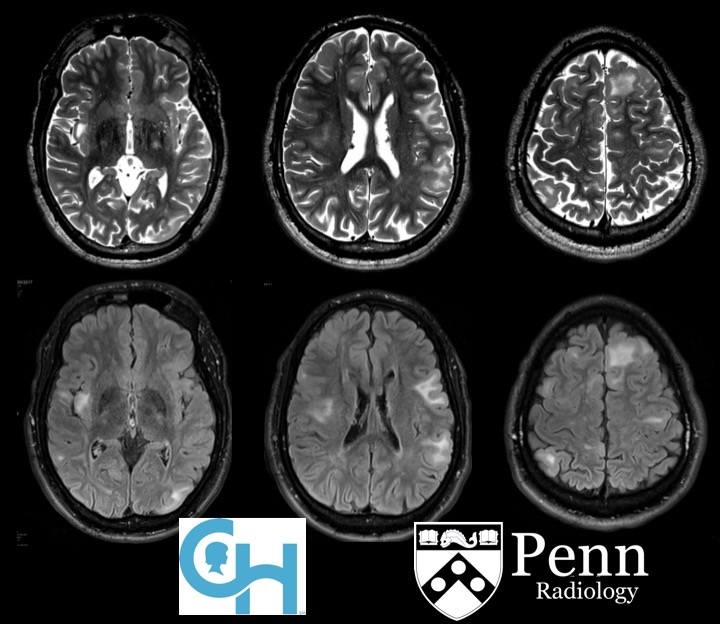
- LAM
- Lymphangioleiomyomatosis
- progressive cuystioc lung diease
- growth of smooth muscle cells
- results in obstructed lymphatics, venules and small airways
- Can lead to respiratory failure.
What is this?
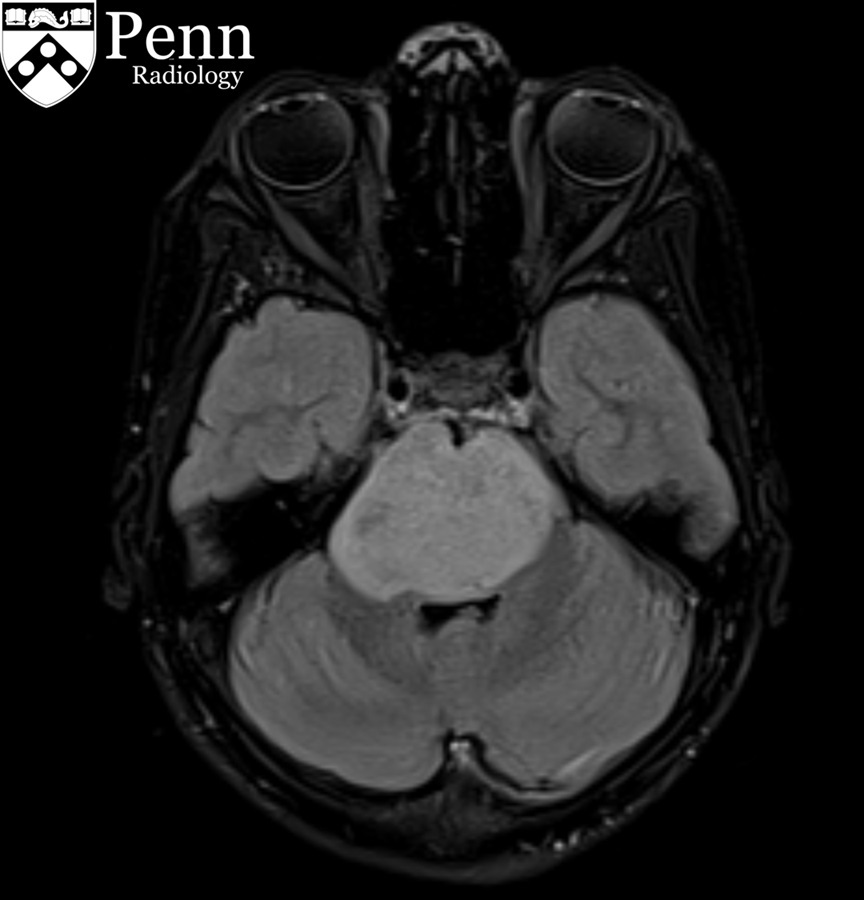
- Diffuse Intrinsic Pontine glioma
- 15% of primary CNS tuymours in children
- Pons most common location (80%) of cases.
- Poor prognosis (accont for 38% of deaths from primary brain tumours)
- Median survival of less than 12 months.
- Clinical presentation:
- large mass. relatively acute onset (ie one month)
- Cranial nerve deficit, ataxia, long tract signs
- Obstructive hydrocephalus 2ndry to compression of the fourth ventricle.
Kartegners Syndrome
- dextrocardia
- muco clilary dyskinesia
Extrusion index
percentage measure of boney coverage of the femoral head by acetabulum in patients iwht fullly matured femoral epiphgysese. A vaule of less than 25% has been reported as normal. The great3er the degree of acetabular dysplasia, the greater the extrusion.
Triad of this condition
Associations
part of which spectrum
what is this sign?
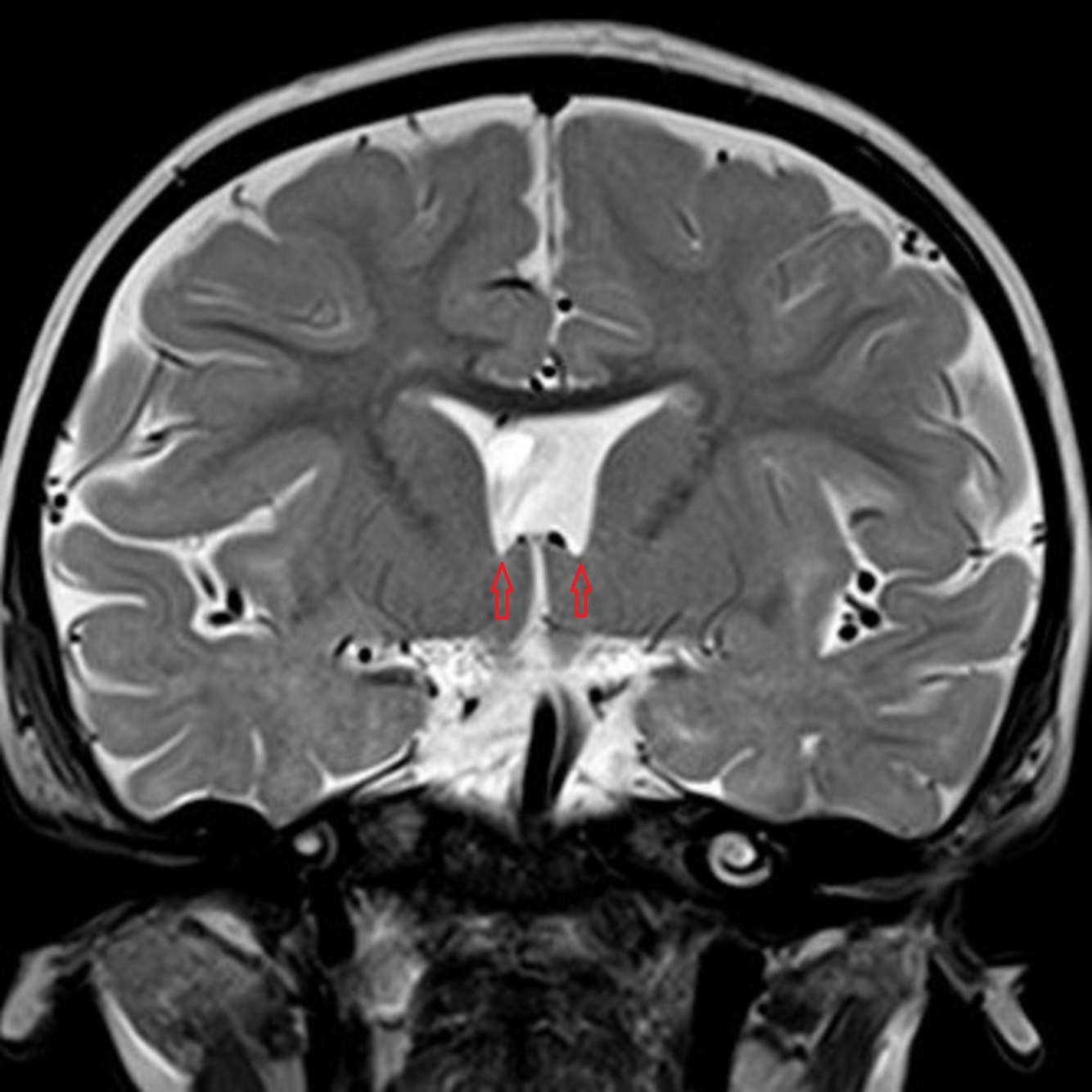
Septo-optic dysplasia (SOD)
- AKA
- de Morsier syndrome
- optic nerve hypoplasia
- absence of the septum pellucidum
- hypothalamic-pituitary dysfunction (2/3 of pts)
- part of the holoprosencephalyspectrum
- Associations:
- 50% a/w schizencephaly
- Types:
- No schizencephaly
- visual apparatus more severely affected
- hypothalamic-pituitary dysfunction present in 60-80% of patients
- may present as hypoglycaemia in the neonatal period
- small pituitary gland with hypoplastic or absent infundibulum
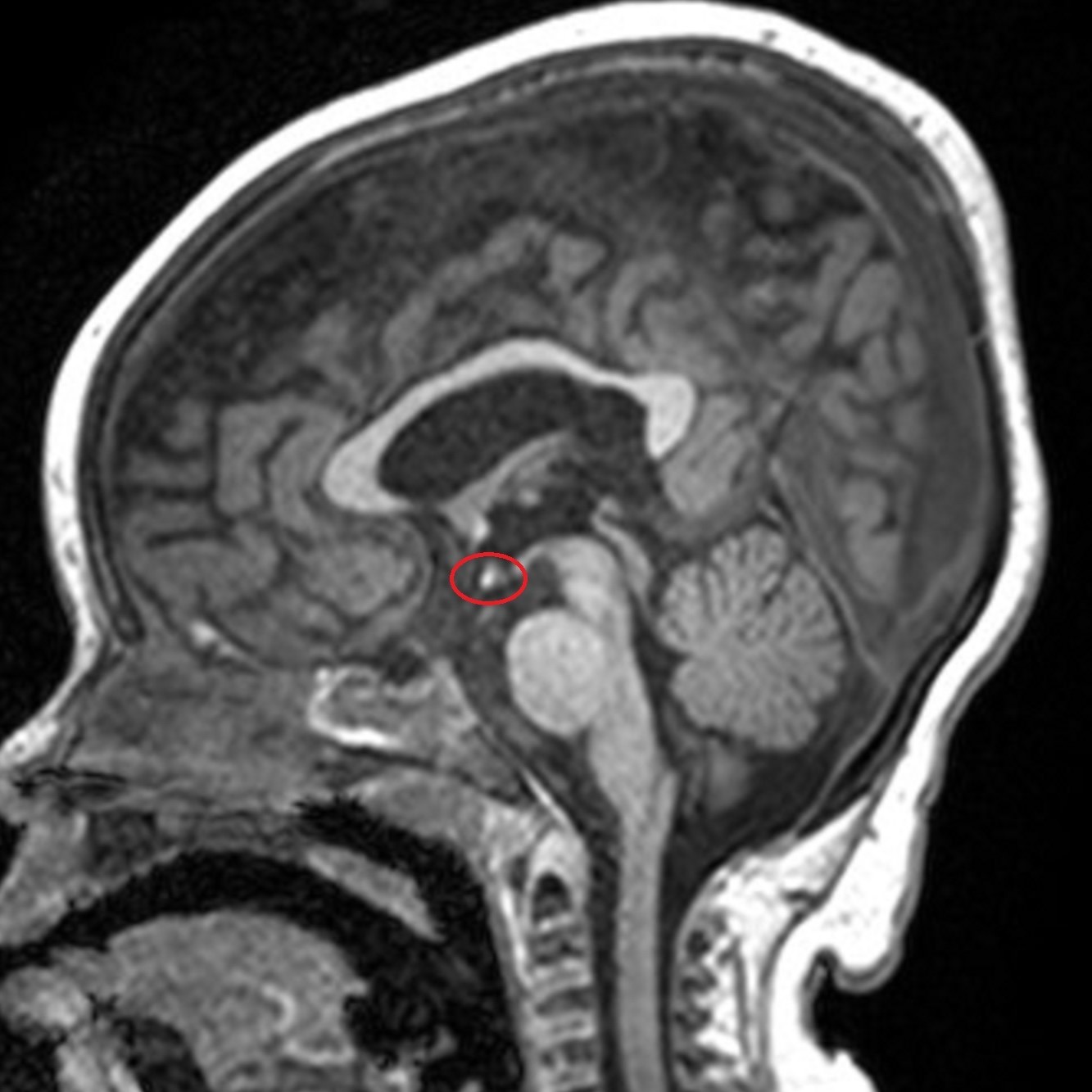
- ectopic posterior pituitary seen as a focus of T1 high signal intensity in the median eminence of hypothalamus
- olfactory bulbs may be absent (Kallmann syndrome)
- associated with schizencephaly
- optic apparatus less severely affected
- cortical anomalies:
- polymicrogyria,
- cortical dysplasia
- may be aetiologically different
- sometimes referred to as septo-optic dysplasia plus
- No schizencephaly
- In addition, a number of other associations are recognised including:
- rhombencephalosynapsis
- Chiari II malformation
- aqueductal stenosis
Selected image of coronal T2-weighted sequence showed the normal olfactory nerves (within the red cycles).
Selected image of coronal T2-weighted sequence showed point-down appearance of the anterior horns of the bilateral lateral ventricles (red arrows).
Selected image of sagittal T1-weighted sequence showed the ectopic posterior pituitary gland at the roof of the third ventricle (red circle).
Case Discussion
This is a case where most of the septo-optic dysplasia features are nicely demonstrated.
Hypoplastic optic nerves and chiasm, absence septum pellucidum with resultant typical configuration of the anterior horns of the lateral ventricles, along with ectopia of the posterior pituitary gland. On the other hand, the globes are intact and the olfactory bulbs are present with no evidence of associated parenchymal abnormality.
- what percentage of bone tumours are______?
- What percentage of benign bone tumors?
- when do they develop?
- syndrome associations (2)?
- Complication?
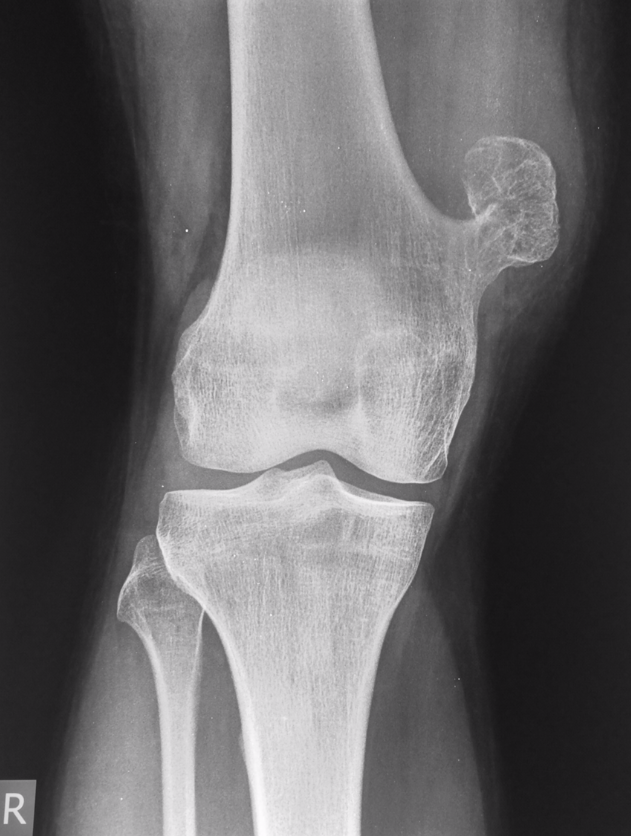
Osteochondromas
- 10-15% of all bone tumours
- approximately of 35% of all benign bone tumours.
- Develop during child hood.
- Can present at any age and are most frequently found incidentally.
- The are usually sporadic, but can be part of:
- hereditary multiple exotoses (HME) also known as diapheal aclasis
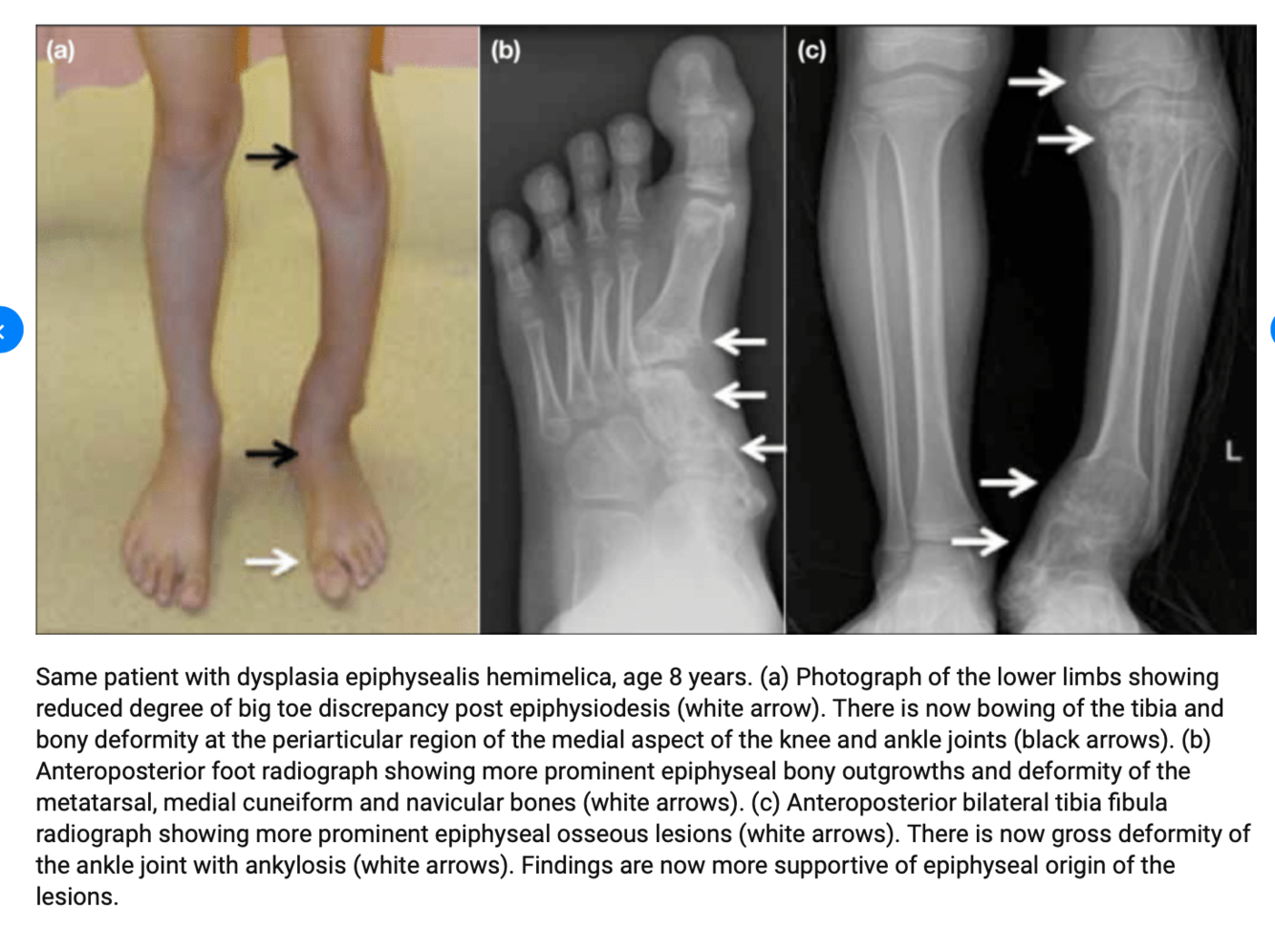
- Trevor disease: dysplasia eiphysealis hemimelica Malignant trasnformation occurs in the carilage cap, and is cuncommon in sporadic solidaty osteocondromasr(1%), whereas in the setting of hereditary multiple exotosese the rate is much higher (5-25%).
Duplication cyst
Bowel wall signature cyst like structure
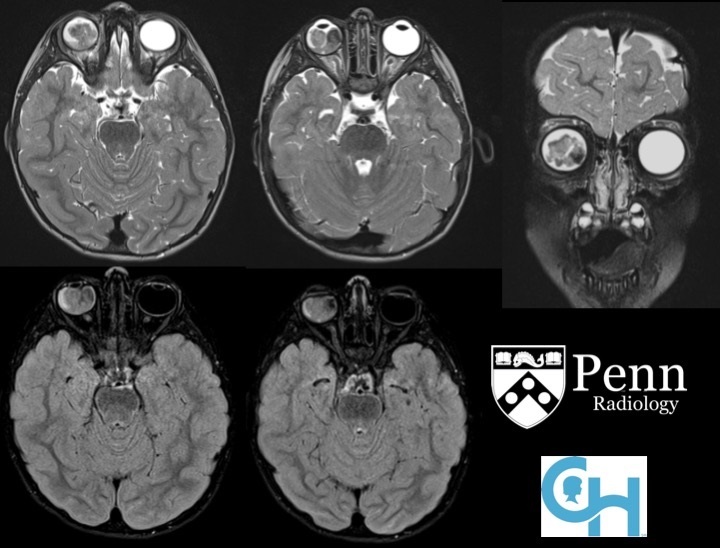
There is a lobulated mass within the right globe that is T1-hyperintense and heterogeneously T2-hypointense relative to vitreous fluid, and which displays restricted diffusion and contrast enhancement. There is retinal detachment with associated hemorrhage, resulting in a fluid/fluid level in the right globe seen on the T2-weighted images.
Retinoblastoma is the most common intraocular childhood malignancy, with a median presentation of 12 months. It can be sporadic (approximately 60% of cases), which requires two spontaneous mutations of the retinoblastoma protein tumor suppressor gene (RB), or it can be familial, due to a single spontaneous mutation in combination with an inherited germline mutation.
Retinoblastomas appear as mixed calcified and noncalcified soft-tissue intraocular masses. CT and ultrasound are good for depicting intralesional calcifications. On MRI, they will appear as a T1-hyperintense, T2-hypointense mass relative to vitreous fluid. Retinoblastomas will restrict on diffusion imaging given that they have a high cellular content as they fall within the class of small blue round cell tumors. The contralateral globe, pineal region, and suprasellar regions need to be carefully evaluated for the presence of additional sites of disease.
Coats disease is characterized by progressive retinal detachment by exudative sub retinal collections and is not typically associated with enhancement, restricted diffusion or calcification.
A coloboma is congenital malformation characterize by failure of closure of the choroidal fissure and is seen as a small globe with a posterior defect with vitreous herniation.
Astrocytic hamartomas are benign retinal tumors associated with tuberous sclerosis.
Retinopathy of prematurity is found in premature infants and seen as vascular proliferation with asymmetrically small globes.
which lobes most commonly affected?
M:F ratio
- 1° or 2°
- LUL - RML - RUL
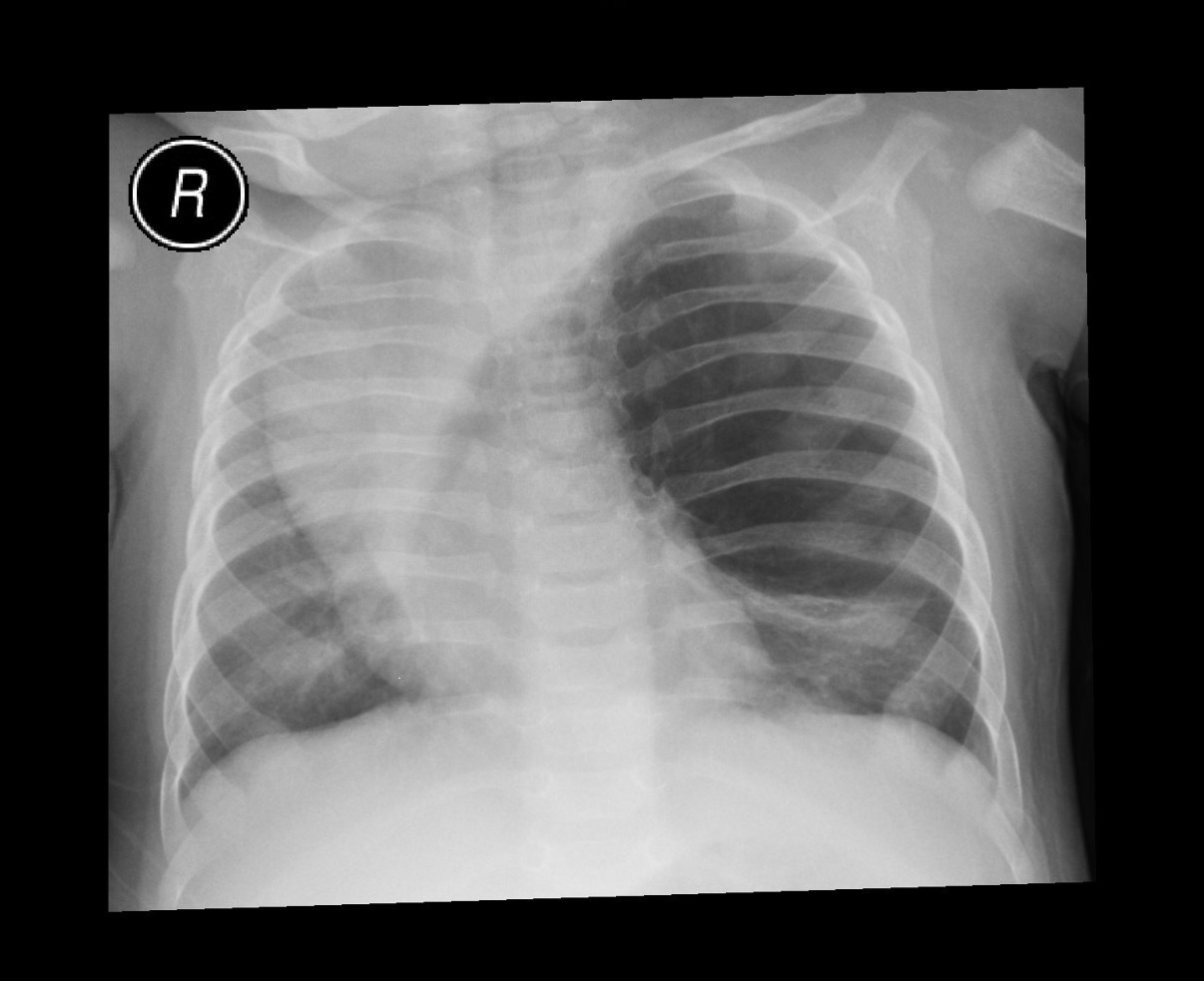
- On imaging, it classically presents on chest radiographs as a hyperlucent lung segment with overinflation and contralateral mediastinal shift.
- ASSOCIATIONS
- aberrant left pulmonary artery 7 and also with congenital heart defects:
- ventricular septal defect (VSD)
- patent ductus arteriosus (PDA)
- tetralogy of Fallot (ToF)
- Image description
- Hyperinflation and poor vascularisation of left upper lobe with contralateral mediastinal shift to the right side. Attenuated lobar bronchi to the left upper lobe. Subsequent mass effect in the form of mediastinal displacement to the right side. Findings are matching with congenital lobar overinflation of the left upper lobe.
- Congenital lobar overinflation (CLO), previously called congenital lobar emphysema, is a congenital lung abnormality that results in progressive overinflation of one or more lobes of a neonate’s lung. It is more common in males (M:F = 3:1). The left upper lobe is the most commonly affected, 40-45%.
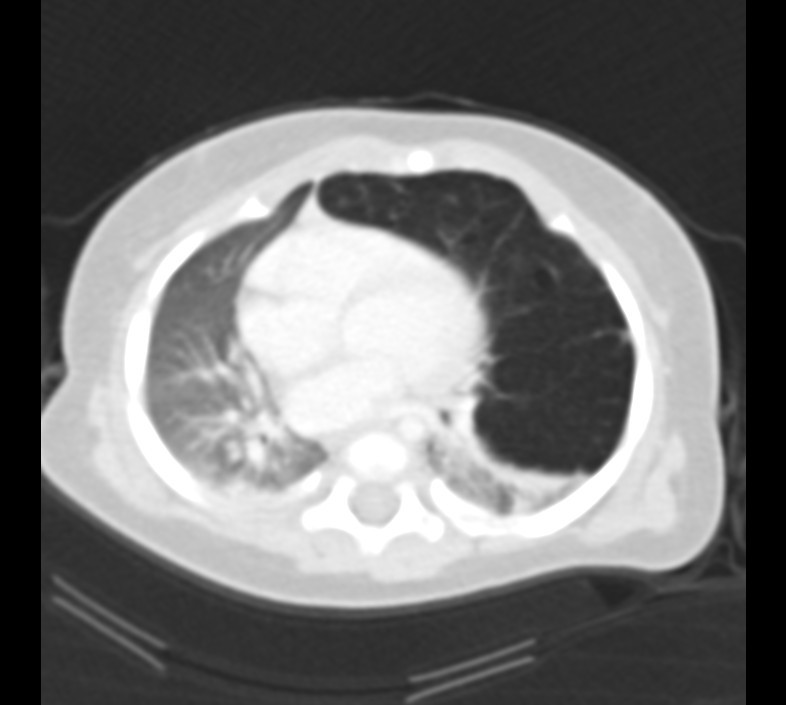
DDH definition
Aberrant development of the hip joint, from the abdnormal relationship of the femoral head to the acetabulum. Clear female predominance. Usually occurs from ligamentous laxity and abnormal position in utero. More comon in oligohydramniotic pregnancies.
what is this
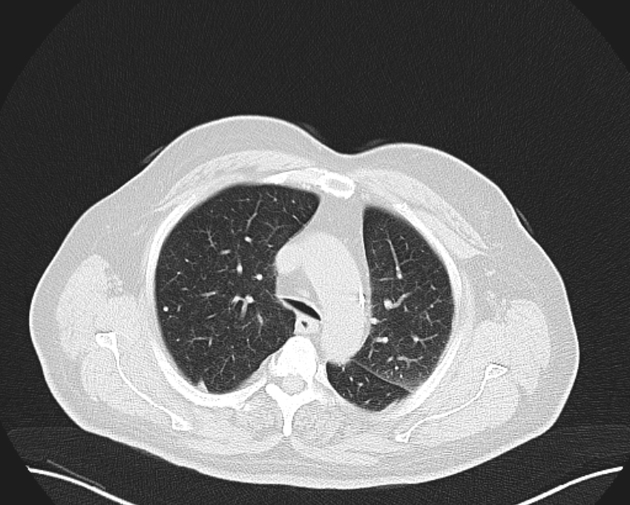
- tracheomalacia
Collpase of the trachea with expiration. May be focal or diffuse. - focal type is usually secondary to congential anomalies the impress on the trachea (ie vascular ring).
Hepatoblastoma
- embroynal hepatic neoplasm
- Age <5 elevated alpha-fetoprotein lv
- Hypoenhancing heterogenous mass coarse calc
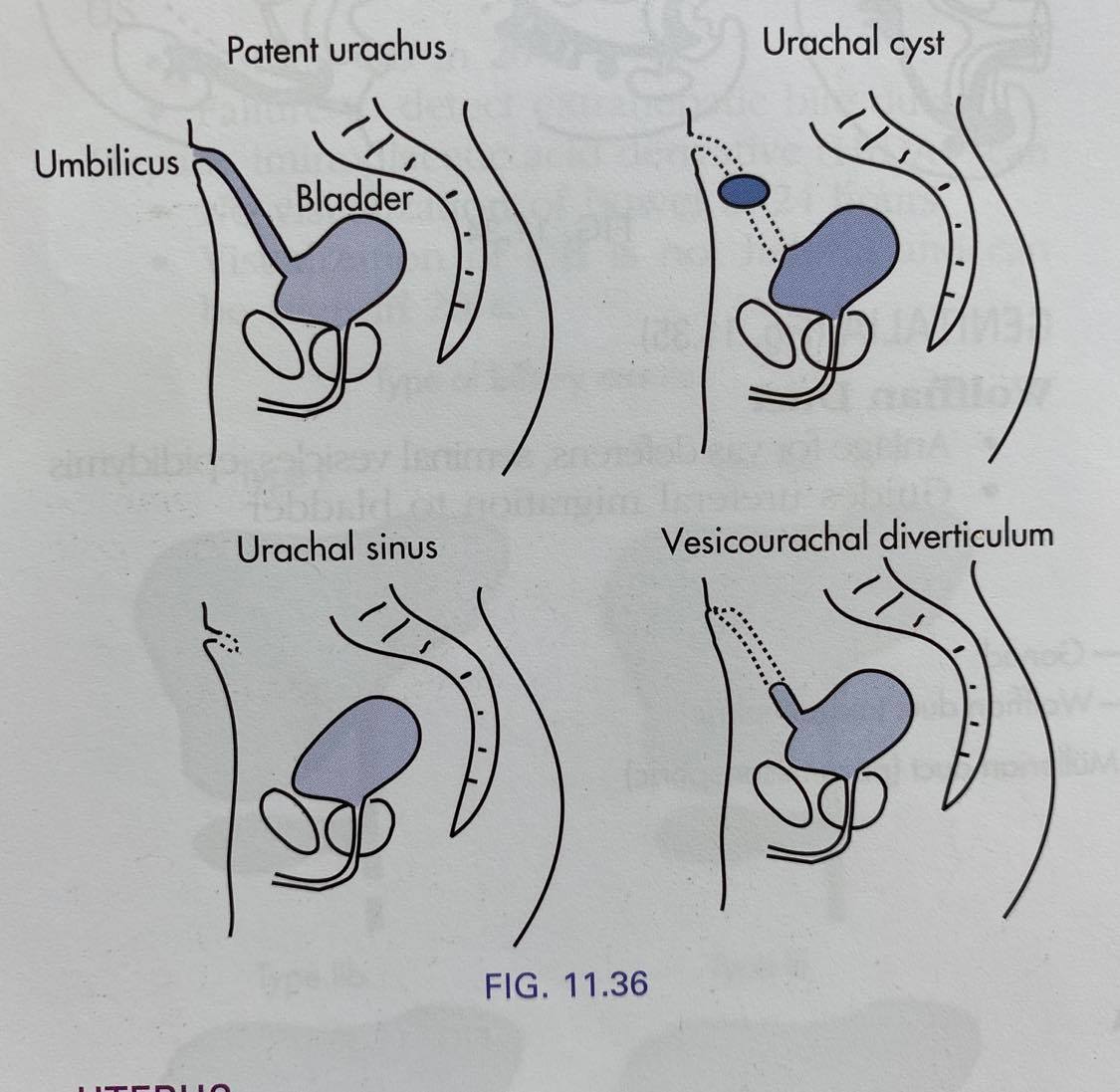
Urachus
- the umbilical attachment of the bladder (initially allantois then urachus).
- Usually, atrophies (umbilical ligament) as the bladder descends into the pelvis. Persistent canalization of the urachus may lead to urine flow from the bladder to the umbilicus
- Tumors: adenocarcinoma, yolk sac tumor adenoma, fibroma
- Urachal cyst: may splay umbilical arteries on prenatal Doppler USS>
what are Testicular mixed germ cell tumours
- testicular tumours composed of two or more types of germ cell tumour
- part of the NSGCT group
- 10% of all testicular cancers
Testicular mixed germ cell tumours are, as the name suggests, testicular tumours composed of two or more types of germ cell tumour. They are considered to be part of non-seminomatous germ cell tumours, as it is that component which dictates prognosis and treatment.
Overall they account for over 10% of all testicular cancers (15% of all testicular germ cell tumours which account for 90% of all testicular cancers) 1.
Epidemiology, clinical presentation, and radiographic features will correspond to the components of the tumour. Treatment and prognosis will be dictated by the most malignant component. Please refer to:
- testicular seminoma
- testicular embryonal cell carcinoma
- testicular choriocarcinoma
- testicular yolk sac tumour
- testicular teratoma
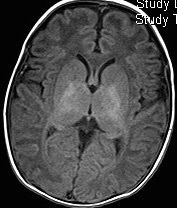
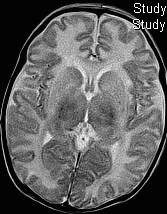
Hypoxic-ischaemic injury to gray matter (thalami and lentiform nuclei) demonstrates characteristic T1 hyperintensity and T2 hypointensity
Neonatal hypoxic-ischaemic encephalopathy (HIE) is the result of a global hypoxic-ischaemic brain injury in a term neonate, usually after asphyxia.
Terminology
It is important to remember that neonatal encephalopathy may result from a variety of conditions and hypoxic-ischaemic brain injury is the most important of them 1. Consequently, both terms are frequently used as synonyms.
Epidemiology
Hypoxic-ischaemic encephalopathy is one of the most common causes of cerebral palsy and other severe neurological deficits in children, occurring in 2-9 of every 1000 live births.
Clinical presentation
The encephalopathic neonate may have low Apgar scores at delivery and metabolic acidosis documented in the cord blood. Within the first 24 hours of life, the infant may develop symptoms of apnoea and seizures with abnormal electroencephalographic (EEG) results.
Pathology
The lack of sufficient blood flow, in conjunction with decreased oxygen content in the blood (perinatal asphyxia), leads to loss of normal cerebral autoregulation and diffuse brain injury. The exact nature of the injury depends on the severity of hypotension and the degree of brain maturation. In general, the myelinated areas are more metabolically active and express more glutamate receptors (NMDA receptors), which make them more vulnerable to HIE due to excitotoxicity.
Radiographic features
In term infants blood flow is ventriculofugal and changes are mainly, like in older children, in watershed-border zones; namely, parasagittal grey matter and subcortical white matter. Profound HIE in term babies results in thalamic and basal ganglia as well as sensorimotor cortex (perirolandic region) injury.
Ultrasound
Sonography is sensitive for the detection of haemorrhage, periventricular leukomalacia, and hydrocephalus. Resistive index (RI) of the middle cerebral arteries, if correlated with gestational age, can add more information. Severe HIE results in loss of autoregulation and increased RI.
CT
CT is the least sensitive modality for evaluation of HIE because of poor parenchymal contrast resolution in the neonatal brain due to the high water content of the parenchyma and high protein content of the CSF.
MRI
MRI is the most sensitive and specific imaging technique for examining infants with suspected hypoxic-ischaemic brain injury. Conventional sequences can help exclude other causes of encephalopathy such as haemorrhage, cerebral infarction, neoplasms, or congenital malformations.
A number of patterns of injury are encountered (see patterns of neonatal hypoxic-ischaemic brain injury) depending on the stage of brain maturation and severity of asphyxia, with the following expected signal intensity changes:
T1
grey matter: hyperintense
white matter: hypointense
T2
grey matter: variable depending on the time of imaging and presence of haemorrhage
white matter: hyperintense
DWI/ADC
diffusion restriction first week
ADC pseudonormalisation occurs at the end of the first week
Types of Congenital Diaphragmatic hernia.
- Bochdaleck hernia (90%) - 75% on the left, 25% on the right. - right sided hernias are more difficult to detect because of similar echogenicity of liver and lung. - Contents of hernia: Stomach, colon, small intestine, malrotation of herniated bowel is common.
- Morgagni hernia (10%)L anterior - most occur on the right (heart prevents development on the left) - Most common hernia contents (omentum, colon)
- Eventration. Caused by a relative abscence of muscle in dome. Associated with T13, T18, Congential CMV, rubella athrogryposis multiplex, pulmonary Hypoplasia. Radiographic features - hemidiaphrgam not visualised Multicystic mass in chest Mass effect.
Shenton line
drawn along the inferior border of the superior pubic ramus and should continue laterally along the inferomedial aspect of the proximal femur as a smooth line. If there is a superolateral migration of the proximal femur due to DDH, then this line will be discontinueous.
Umbilical Venous Catheter
passes directly superiorly, remains relatively anterior in the abdomen. Passes thru the umbilicus, umbilical vein, left portal vein, ductus venous, middle or left hepatic vein, into the the IVC. The tip should lie at the junction of the IVC and right atrium. (ie T8 level).
Neurofibromatosis 1
- Intro/AKA
- Epid
- Genetics/heritance
- diagnostic criteria
- Associatations
- malignancies
- Intro:
- aka Von Recklinghausen Disease
- Multisystem neurocutaneous disorder
- Most common Phakomatosis
- RASopathy.
- One of the most common inherited CNS disorders,
- Autosomal dominant disorders and inherited tumour syndromes
- EPID
- 1/2500
- In half of these cases inherited as an AD condition. otherwise is a De novomutation
- 100% penetrance by 5 years of age.
- CLINICAL PRESENTATION.
- Two or more of the following are required.
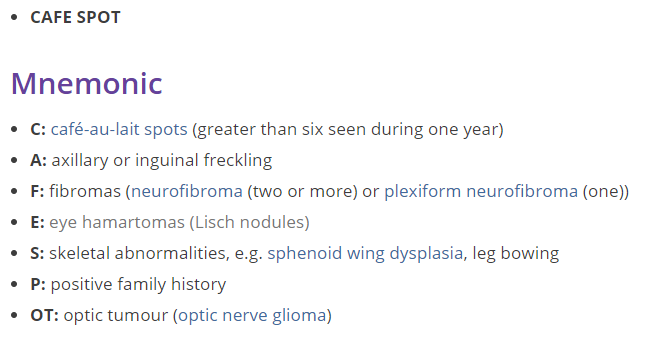
- >6 cafe au lait spots
- Two or more neurofibromas or one plexiform NF
- Optic nerve glioma
- Distinictive osseous leions (sphenoid wing dysplasia or thinning of long bone cortex with or without pseudoarthrosis.
- Two or more iris hamatomas (lisch nodules)
- Axillary or inguinal freckling.
- May have RAS, learning disabilities
- NF1 has a much earlier onset than NF2.
- Two or more of the following are required.
- Associations
- phaeochromocytoma
- Malignant peripheral nerve sheath tumour *MPNST*
- Wilms
- Rhabdomyosarcoma
- Renal angiomyolipoma
- Glioma
- Juvenile pilocystic astrocytoma
- Optic nerve glioma
- Diffuse brainstem glioma
- Spinal asrtrocytoma. Spinal pilocytic asrtrocytoma
- Carcinoid tumours
- Leiomyomas
- Leiomyosarcoma
- Ganglioglioma
- Leukaemia
- PATHOLOGY
- NF1 gene on chromosome 17q11.2.
- gene product is neurofibromin. which is a tumour suppressor of the Ras/MAPK pathway. Inactivation predisposes to tumour development. Therefore a RAS-opathy.
- Hamatomatous disorder that involves the ectoderm and mesoderm
- Usually 3 types of NFs occur in this disorder and are distinguished on the basis of their gross and
Intrinsic Lower Airway obstruction
- includes dynamic processes such as
- tracheomalacia
- tracheal stenosis
- foreign bodies
- focal masses
- hemangiomas
- Tracheal papilloma
- Tracheal granuloma
- Includes dynamic processes such as
- tracheomalacia
- wall softening related to an abnormality of the cartilaginous rings of the trachea.
- Primary or secondary
- the intermittent collapse of the trachea
- tracheal stenosis
- foreign bodies
- focal masses
- hemangiomas
- most common in the subglottic region
- associated with facial hemangiomas in a beard distribution and appear on the AP xray with asymmetric subglottic narrowing.
- Tracheal papilloma
- Tracheal granuloma
- hemangiomas
- tracheomalacia


-
CHEST IMAGING 1100
-
CHEST IMAGING 2100
-
CHEST IMAGING 343
-
CHEST IMAGING 4 (TUMOURS)81
-
CHEST IMAGING 5 PATHOLOGY2
-
CARDIAC IMAGING 1100
-
CARDIAC IMAGING 2100
-
CARDIAC IMAGING 3100
-
CARDIAC IMAGING 443
-
GIT 1101
-
GIT 2100
-
GIT 3100
-
GIT 4102
-
Hepatobilary155
-
Biliary System76
-
Pancreas66
-
Spleen24
-
Adrenal Glands70
-
GENITOURINARY IMAGING 197
-
GENITOURINARY IMAGING 2100
-
GENITOURINARY IMAGING 3100
-
GENITOURINARY IMAGING 4100
-
GENITOURINARY IMAGING 545
-
RETROPERITONEUM33
-
Male Pelvis10
-
GIT PATHOLOGY31
-
Skeletal Dysplasias18
-
MSK104
-
MSK Crack the Core70
-
MSK 295
-
MSK 3100
-
Neuro100
-
Neuro 222
-
NEURO 375
-
Head and Neck 1100
-
Head and Neck 2100
-
Head and Neck 3100
-
Head and Neck 4100
-
Head and Neck 555
-
DDX Head and Neck35
-
Vascular10
-
IR30
-
BREAST IMAGING52
-
OBSTETRICS17
-
GYNAECOLOGY40
-
PAEDIATRICS 196
-
PAEDIATRICS 297
-
PAEDIATRICS 395
-
Nuclear Medicine 134
-
PET CT16
-
Syndromes94
-
HAEMATOLOGY6
-
PATHOLOGY 141
-
Crack the core WHen I Say you say...489
-
Physics31
-
crack the core exam case companion18
-
EPONYMOUS Diseases/signs22
-
What the F&^# is that word?10
-
Radiology Signs25
-
Mnemonics36
-
GIT Pathology1
-
NEURO MRI PHYSICS14
-
GREAT CHEST XRAY CASES1
-
THIS PATIENT IS TYPICAL OF X CONDITION2



