Causes of chondrocalcinosis
Mneomnic
HOGWASH
- H: hyperparathyroidism, hypothyroidism, haemophilia
- O: ochronosis
- G: gout
- W: Wilson disease
- A: arthritis (rheumatoid, postinfectious, traumatic, degenerative), amyloidosis, acromegaly
- S: pseudogout
- H: haemochromatosis
1-2-3 rule
The 1-2-3 rule is a simple aide-mémoire describing the nomenclature of any small simple anechoic structure in the ovary on ultrasound:
<1 cm = follicle
1-2 cm = dominant follicle
>3 cm = cyst
NF 2 comprises of what?
Mnemonic
MISME
- M: multiple
- I: inherited
- S: schwannomas
- M: meningiomas and
- E: ependymomas
- In fact, labelling this disorder neurofibromatosis type 2 is a misnomer, because neurofibromas are not a part of its constellation of abnormalities 1.
causes of acro-osteolysis
The causes of acro-osteolysis can be remembered using the mnemonic:
PINCH FO
Mnemonic
P: psoriasis/pyknodysostosis
I: injury, e.g. thermal burn, frost bite
N: neuropathy, e.g. diabetes mellitus, leprosy
C: collagen vascular disease, e.g. scleroderma, Raynaud disease
H: hyperparathyroidism
F: familial, e.g. Hajdu-Cheney syndrome
O: other, e.g. polyvinyl chloride exposure, progeria
Ageing blood on MRI
- I Bleed
- T1 Isointense
- T2 Bright
- hyperacute < 1 day
- I Die
- T1 Isointense
- T2 Dark
- acute 1 to 3 days
- Bleed Die
- T1 Bright
- T2 Dark
- early subacute 2 to 7 days
- Bleed Bleed
- T1 Bright
- T2 Bright
- late subacute 7 to 14-28 days
- Die Die
- T1 Dark
- T2 Dark
- chronic >14 to 28 days
anterosuperior mediastinal mass
The common causes of an anterosuperior mediastinal mass can be remembered by using the mnemonic:
5 Ts
Mnemonic
- T: thymus
- T: thyroid
- T: thoracic aorta
- T: terrible lymphoma
- T: teratoma and germ cell tumours - see mediastinal germ cell tumours
- Testicular cancer metastasis can represent a sixth T, and there are other rare causes that should be considered.
common apical lung diseases
- Handy mnemonics to remember common apical lung diseases are:
- CARPETS
- C: CF
- A: Ank spond
- R: radiation
- P: pneumoconiosis
- E: Eosinophilic pneumonia
- T: TB
- S: sarcoid
Rule of 2s
neurofibromatosis type 2
Rule of 2s
neurofibromatosis type 2
- chromosome 22 (22q12) gene location
- bilateral vestibular schwannomas
- presents in 2nd-4th decades (around 20 years)
- initial prevalence estimated to be 1:200,000, now thought ~1:25,000
causes of avascular necrosis/osteonecrosis:
PLASTIC RAGS
P: pancreatitis, pregnancy
L: lupus (SLE)
A: alcohol excess (chronic)
S: steroids
T: trauma
I: idiopathic, infection
C: caisson disease, collagen vascular disease
R: radiation, rheumatoid arthritis
A: amyloid arthropathy
G: Gaucher disease
S: sickle cell disease
commonest causes of basal ganglia T2 hypointensity
The commonest causes of basal ganglia T2 hypointensity can be recalled using the following mnemonic:
ChOMP
Mnemonic
- Ch: childhood hypoxia
- O: old age
- M: multiple sclerosis
- P: Parkinson’s disease, more in globus pallidus
Basal ganglia T2 hypointensities can be caused by any of the following and is commonly remembered using the mnemonic ChOMP.
- childhood hypoxia
- old age
- multiple sclerosis
- Parkinson disease: more in globus pallidus
- Parkinson-plus syndrome: more in putamen
- deoxyhaemoglobin of haemorrhage
- haemosiderin
- calcium in certain states
Causes of Basilar invagination
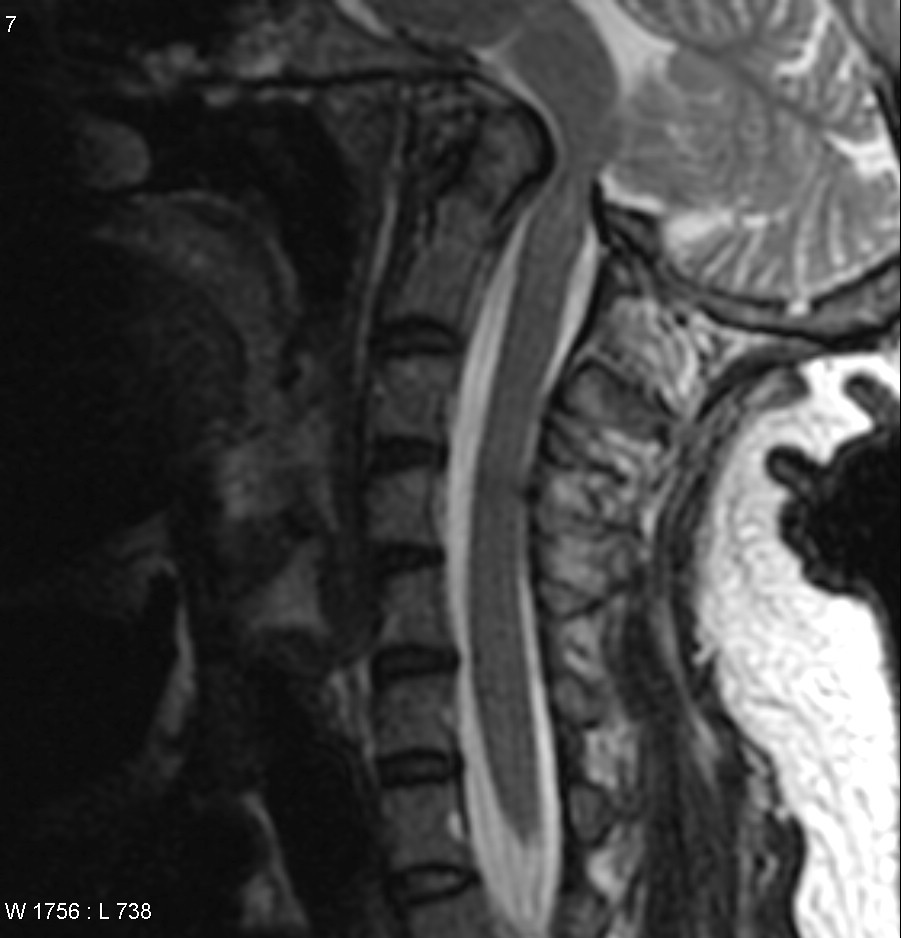
- P: Paget disease of bone
- F: fibrous dysplasia
- R: rheumatoid arthritis, rickets
- O: osteogenesis imperfecta, osteomalacia
- A: achondroplasia
- C: Chiari I and Chiari II, cleidocranial dysostosis
- H: hyperparathyroidism
five benign lytic lesions that rarely occur in patients over 30 years old
A mnemonic to remember five benign lytic lesions that rarely occur in patients over 30 years old
SCAN Everything
Mnemonic
- S: simple bone cyst
- C: chondroblastoma
- A: aneurysmal bone cyst
- N: non-ossifying fibroma (including fibrous cortical defect)
- E: eosinophilic granuloma
In a patient older than 30 years old these differentials can usually be excluded.
causes of bladder wall calcification
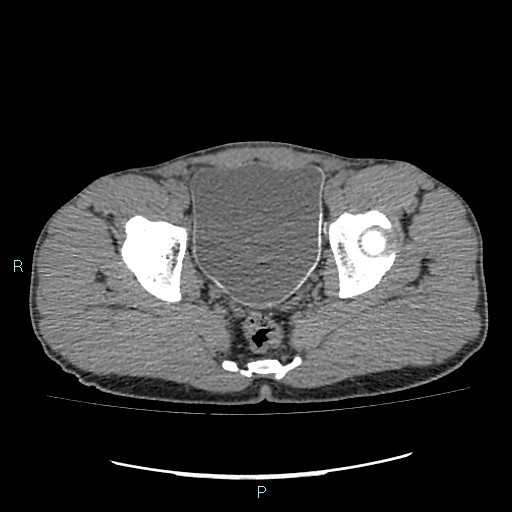
A mnemonic for the causes of bladder wall calcification is:
CREST
Mnemonic
- C: cystitis post radiation therapy/chemotherapy/chronic infection
- R: radiation
- E: eosinophilic cystitis
- S: schistosomiasis
- T: tuberculosis
A helpful mnemonic for remembering the features of a Bochdalek hernia is:
A helpful mnemonic for remembering the features of a Bochdalek hernia is:
5 Bs
Mnemonic
B: Bochdalek
B: big
B: back and lateral, usually on the left side
B: baby
B: bad (associated with pulmonary hypoplasia)
To remember the side in which a Bochdalek hernia more commonly occurs (and to contrast that with Morgagni hernias) Bochdalek has an L for left and Morgagni has an R for right.
A mnemonic for describing bone lesions in a logical order:
A mnemonic for describing bone lesions (of any type) in a logical order:
All Sensible People Must Make Clear and Proper Sense
Mnemonic
- A: age (maturity of skeleton)
- S: site (bone name and location within bone) and size
- P: pattern of destruction (lytic lesions)
- M: margins (transition zone)
- M: matrix
- C: cortical response
- P: periosteal reaction
- S: soft tissue involvement
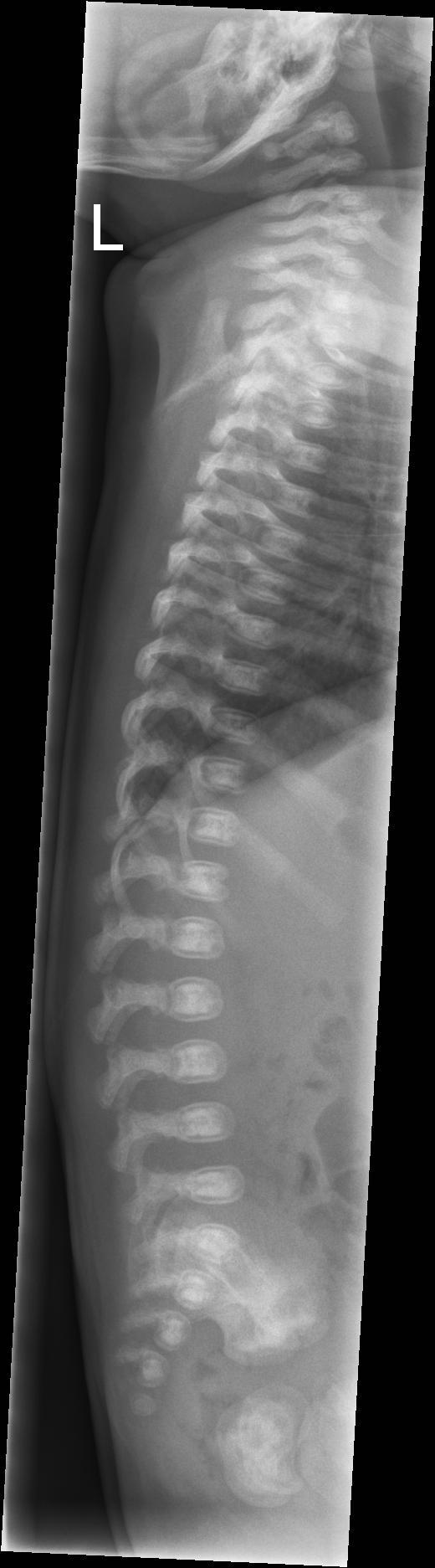
possible aetiologies of a bone within a bone appearance is:
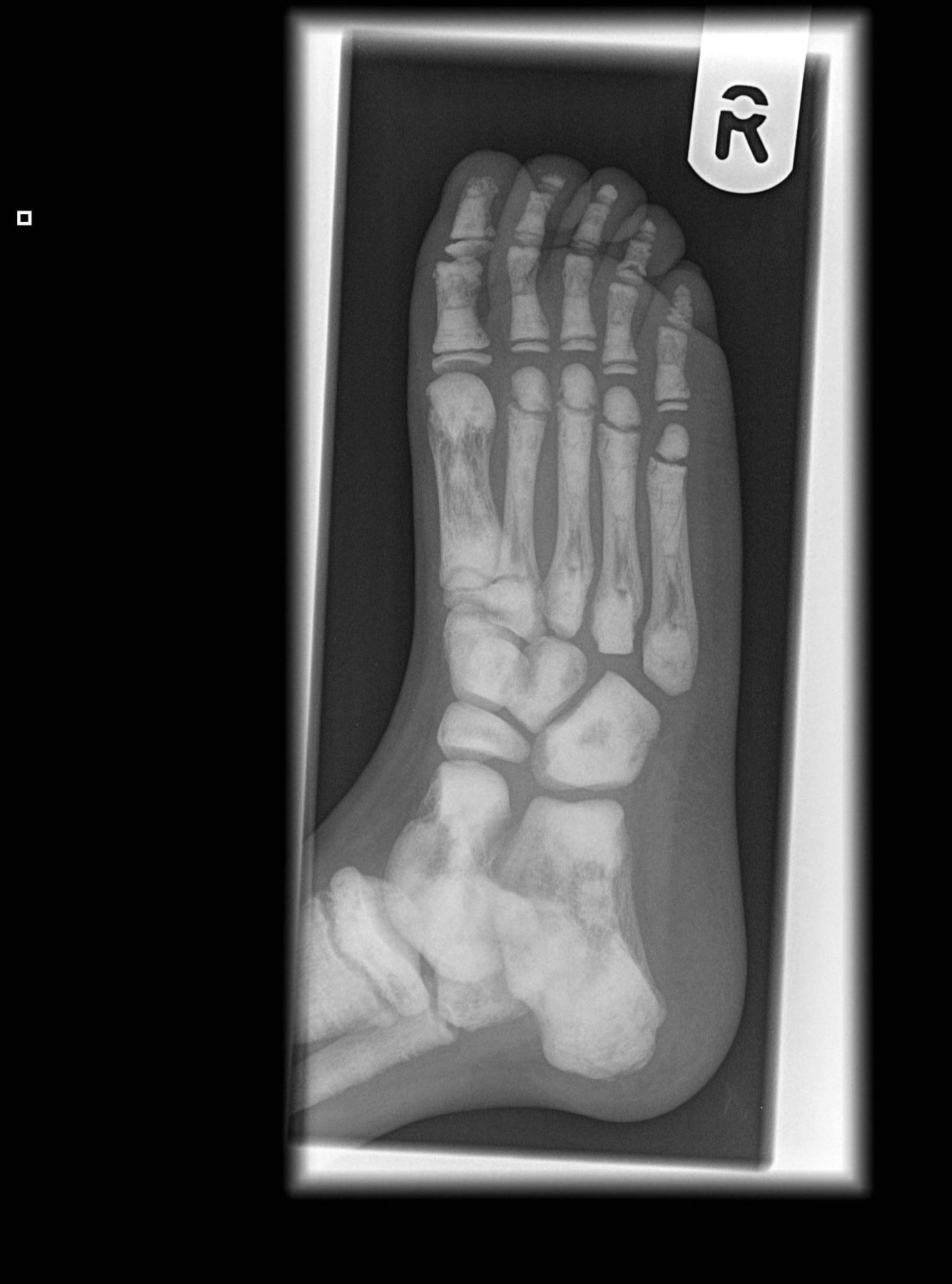
A useful mnemonic to remember the possible aetiologies of a bone within a bone appearance is:
GHOST DRAGON
Mnemonic
G: growth arrest lines
H: heavy metals, hypoparathyroidism, hypothyroidism
O: osteopetrosis (1st pic)
S: sickle cell anaemia, scurvy, syphilis
T: thalassaemia, tuberculosis
D: disease of Caffey, hypervitaminosis D
R: rickets, radiation therapy
A: acromegaly
G: Gaucher disease
O: oxalosis
N: normal (thoracic/lumbar vertebrae in infants) (second Pic)
bony lesions that have no pain or periostitis
A mnemonic to help remember bony lesions that have no pain or periostitis is:
E FUN
Mnemonic
- E: enchondroma
- F: fibrous dysplasia
- U: unicameral bone cyst
- N: non-ossifying fibroma
If periostitis or pain is present (assuming no trauma, which can be a foolhardy assumption), you can exclude E FUN lesions.
common causes of bony sequestrum include:
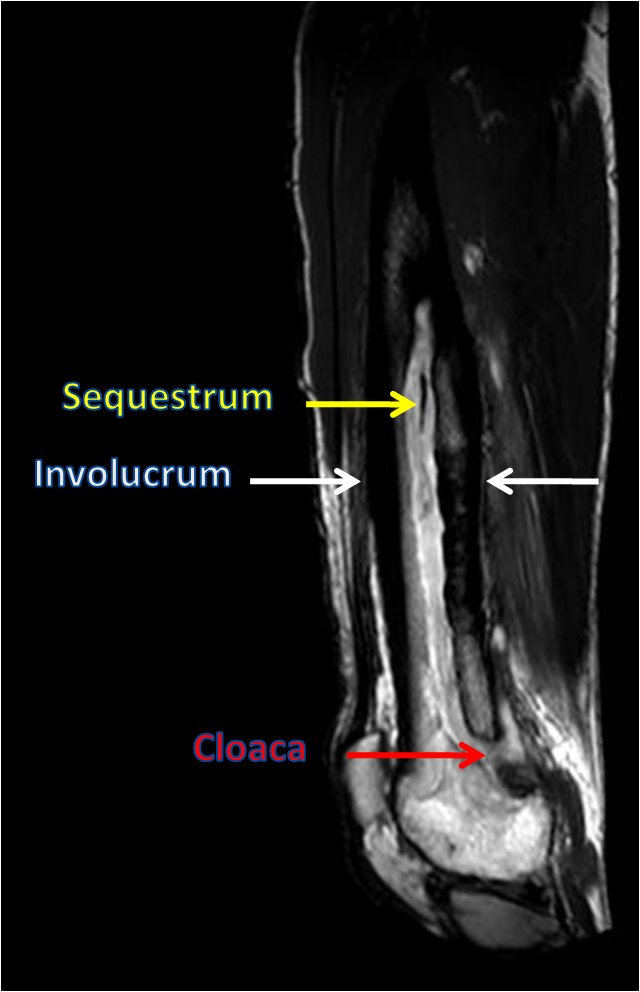
Mnemonic to help remember common causes of bony sequestrum include:
E-FILM
- E: eosinophilic granuloma
- F: fibrosarcoma
- I: infection (Brodie abscess)
- L: lymphoma (skeletal)
- M: malignant fibrous histiocytoma or metastasis (especially from breast carcinoma)
branches of the internal carotid artery
Calming Voices Make Intra-Operative Surgery Pleasurable And Almost Memorable
C: caroticotympanic artery (C2)
V: Vidian artery (C2)
M: meningohypophyseal trunk (C4)
I: inferolateral trunk (C4)
O: ophthalmic artery (C6)
S: superior hypophyseal artery (C6)
P: posterior communicating artery (C7)
A: anterior choroidal artery (C7)
A: anterior cerebral artery (C7)
M: middle cerebral artery (C7)
A useful mnemonic to remember the branches of the internal iliac artery is:
A useful mnemonic to remember the branches of the internal iliac artery is:
I Love Going Places In My Very Own Underwear!
Mnemonic
- I: iliolumbar artery
- L: lateral sacral artery
- G: gluteal (superior and inferior) arteries
- P: (internal) pudendal artery
- I: inferior vesical (vaginal in females) artery, and superior vesical artery
- M: middle rectal artery
- V: vaginal artery (females only)
- O: obturator artery
- U: umbilical artery and uterine artery (females only)
The first three branches in the mnemonic (iliolumbar, lateral sacral and superior gluteal) are branches of the posterior division of the internal iliac artery, the remaining branches are of the anterior division.
A mnemonic for remembering the branches of the maxillary artery is:
A mnemonic for remembering the branches of the maxillary artery is:
DAM I AM Piss Drunk But Stupid Drunk I Prefer, Must Phone Alcoholics Anonymous
Mnemonic
D: deep auricular artery
A: anterior tympanic artery
M: middle meningeal artery
I: inferior alveolar artery
A: accessory meningeal artery
M: masseteric artery
P: pterygoid artery
D: deep temporal artery
B: buccinator artery
S: sphenopalatine artery
D: descending palatine artery
I: infraorbital artery
P: posterior superior alveolar artery
M: middle superior alveolar artery
P: pharyngeal artery
A: anterior superior alveolar artery
A: artery of the pterygoid canal
A useful mnemonic to remember the branches of the ophthalmic artery is:
A useful mnemonic to remember the branches of the ophthalmic artery is:
DR MCLESSI
Mnemonic
- D: dorsal nasal artery
- R: (central) retinal artery
- M: muscular artery
- C: ciliary arteries (long, short and anterior)
- L: lacrimal artery
- E: ethmoidal arteries (anterior and posterior)
- S: supraorbital artery
- S: supratrochlear artery (frontal artery)
- I: internal palpebral artery
The order of the mnemonic is not the correct order of the branches as they arise from the ophthalmic artery. The first and second last branches of the mnemonic are the terminal branches, both of which exit the orbit medially to supply the forehead and scalp.
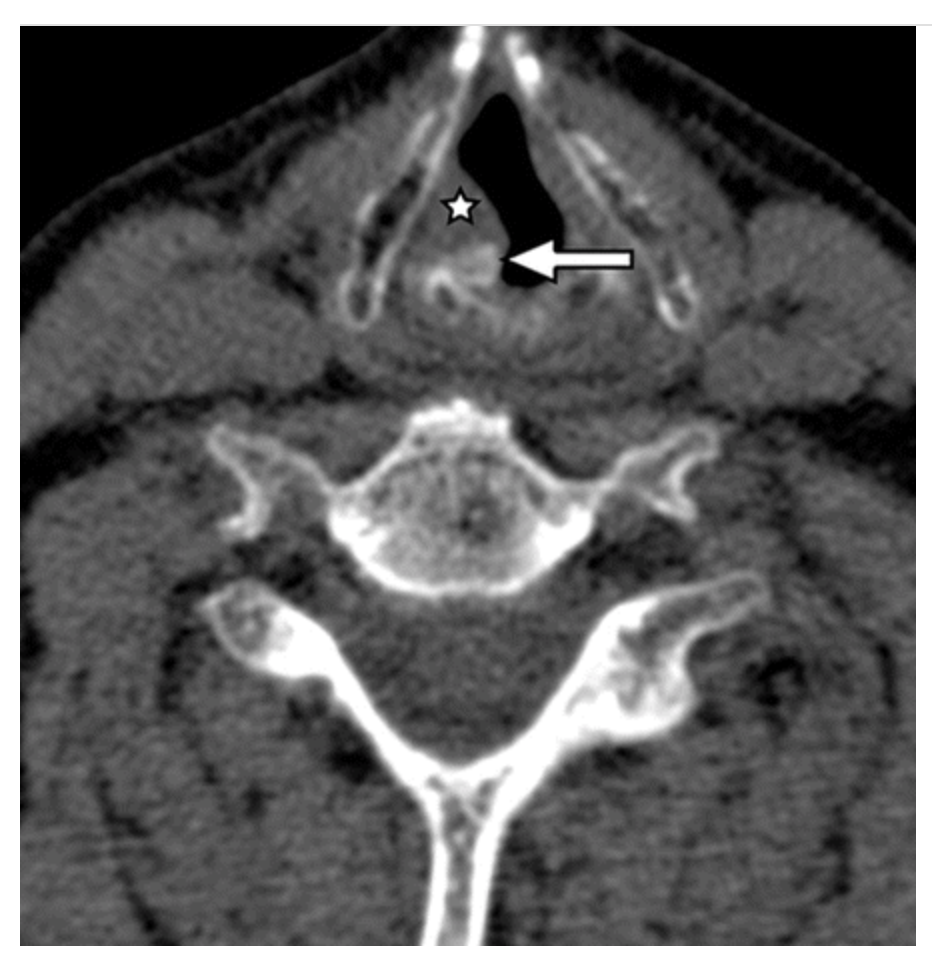
laryngotracheal separation
Paediatric Intfratentorial Tumours
- Child
- posterior fossa astrocytoma
- pilocytic astrocytoma: second most common (25-35%)
- brainstem glioma
- medulloblastoma: most common (30-40%) 7
- ependymoma
- atypical teratoid/rhabdoid tumour (AT/RT)
- haemangioblastoma (uncommon except in patients with vHL)
- teratoma (in infants)
- posterior fossa astrocytoma
- MEAT Pork Beef Ham
- medulloblastoma
- Ependymoma
- ATRT
- Teratoma
- Pilocytic Astrocytoma
- Brain stem glioma
- Hemangioblastoma


-
CHEST IMAGING 1100
-
CHEST IMAGING 2100
-
CHEST IMAGING 343
-
CHEST IMAGING 4 (TUMOURS)81
-
CHEST IMAGING 5 PATHOLOGY2
-
CARDIAC IMAGING 1100
-
CARDIAC IMAGING 2100
-
CARDIAC IMAGING 3100
-
CARDIAC IMAGING 443
-
GIT 1101
-
GIT 2100
-
GIT 3100
-
GIT 4102
-
Hepatobilary155
-
Biliary System76
-
Pancreas66
-
Spleen24
-
Adrenal Glands70
-
GENITOURINARY IMAGING 197
-
GENITOURINARY IMAGING 2100
-
GENITOURINARY IMAGING 3100
-
GENITOURINARY IMAGING 4100
-
GENITOURINARY IMAGING 545
-
RETROPERITONEUM33
-
Male Pelvis10
-
GIT PATHOLOGY31
-
Skeletal Dysplasias18
-
MSK104
-
MSK Crack the Core70
-
MSK 295
-
MSK 3100
-
Neuro100
-
Neuro 222
-
NEURO 375
-
Head and Neck 1100
-
Head and Neck 2100
-
Head and Neck 3100
-
Head and Neck 4100
-
Head and Neck 555
-
DDX Head and Neck35
-
Vascular10
-
IR30
-
BREAST IMAGING52
-
OBSTETRICS17
-
GYNAECOLOGY40
-
PAEDIATRICS 196
-
PAEDIATRICS 297
-
PAEDIATRICS 395
-
Nuclear Medicine 134
-
PET CT16
-
Syndromes94
-
HAEMATOLOGY6
-
PATHOLOGY 141
-
Crack the core WHen I Say you say...489
-
Physics31
-
crack the core exam case companion18
-
EPONYMOUS Diseases/signs22
-
What the F&^# is that word?10
-
Radiology Signs25
-
Mnemonics36
-
GIT Pathology1
-
NEURO MRI PHYSICS14
-
GREAT CHEST XRAY CASES1
-
THIS PATIENT IS TYPICAL OF X CONDITION2



