What are the d/dx for hip joint pathology?
- Hip Joint
- hip dysplasia
- Perthes disease
- osteoarthritis
- luxation
- fractures of proximal femur or pelvis
- muscle strains ( uncommon)
What is canine hip dysplasia determined by?
animals genes
At birth how do dogs genetically predisposed to hip dysplasia hips appear macroscopically?
Dogs genetically predisposed to HD have macroscopically normal hips at birth, but changes begin within a few weeks
What promotes phenotypic expression of HD?
rapid growth and abundant food promote phenotypic expression of the HD
Describe the bimodal age distribution of HD?
Bimodal age distribution of clinically affected dogs:
3-12 months: synovitis
2-12+ years: osteoarthritis
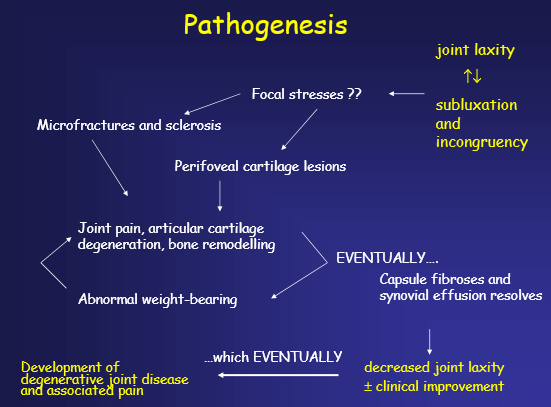
Create a flow chart for the pathogenesis of hip dysplasia?
What are the clinical signs of hip dyslpasia?
May be asymptomatic
May be non-specific: tires, doesn’t play, stiff on rising, reluctant to jump
Observe:
- stiffness on rising
- may stand shifting weight onto front legs
- bilateral or unilateral hindlimb lameness: may wiggle, cross legs or bunny hop
Palpate:
- hindquarter muscle atrophy, particularly gluteals
Manipulate hips:
- pain esp. on extension and abduction
- decreased range of motion or joint instability ± crepitus
- Ortolani sign
What is joint laxity dependent on?
Hip Laxity Joint laxity is dependent upon:
- joint capsule thickness
- integrity of ligament of femoral head
- integrity of dorsal acetabular rim and muscle tension
- Surface tension in the synovial joint
How can hip laxity be assessed?
- Barden ’ s Palpation (hip lift)
- Barlow’s Sign
- Ortolani Test (sedation / GA)
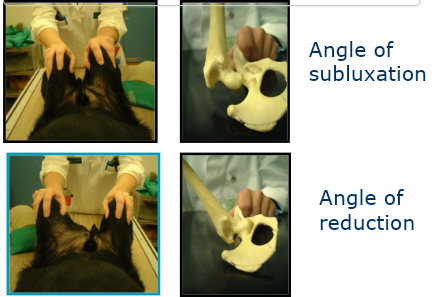
What is the ortolani test?
- Pressing down on the femur see a subluxation of hip (angle of subluxation) then as you abduct the hip it should pop back in (Angel of reduction)
- Best indication of a degree of instability
A positive sign is a distinctive ‘clunk’ which can be heard and felt as the femoral head relocates anteriorly into the acetabulum
How is radiography done for hip dysplasia?
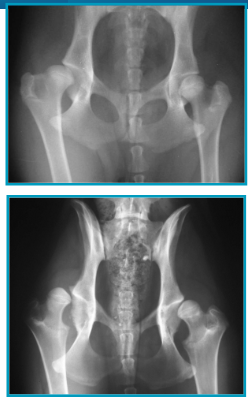
- Ventrodorsal extended femur view - must be straight
- Lateral pelvis / LS junction ( ± flexed)
- Frog leg view Radiography (beware though can give a false impression that hips sit better than they do in reality in this view)
How can we assess level of hip sub/luxation from radiographic images?
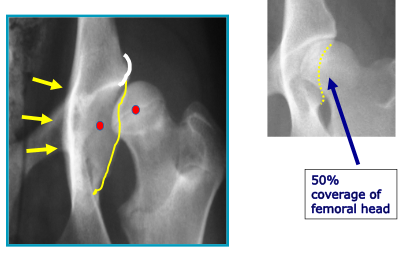
Want to look at dorsal acetabular rim: yellow squiggly line
The red dot on the femoral head should sit where the left red dot is in a non luxated hip.
Dorsal lateral acetabular ridge: White curve line looking at wear and tear on it
New bone: Yellow arrows. New bone seen in dorsal, ventral aspects of acetabulam and around the femoral head. A good indication joint is unhappy and under a degree of strain.
50% coverage of the femoral head is correct as seen in image
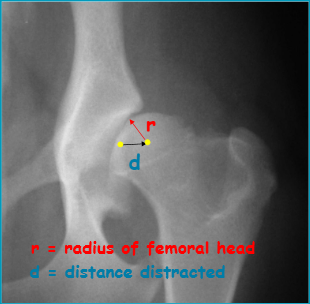
What is the distraction index?
NOT appropriate for UK due to requirement to hold animal during radiography
0 = perfect congruity
0.3 -0.7 = abnormal
1 = complete luxation
Describe conservative management for hip dysplasia?
Treatment Conservative management should always be tried first:
- weight control
- regular exercise to build muscle (especially the gluteals)
- physiotherapy and hydrotherapy
- strategic analgesia (5-7 days as and when needed)
- +/-nutraceuticals
The majority ( 76% ) of juvenile dogs with severe radiographic signs of hip dysplasia may be only mildly clinically affected in later life if they are properly managed: kept at optimal weight and regularly exercised
What are the treatments for hip dysplasia?
Immature dog:
- pectineus myotomy / myectomy
- Triple/double pelvic osteotomy
- femoral neck lengthening
- DARthroplasty
- femoral head and neck excision
- pubic symphysiodesis
Mature dog:
- femoral head and neck excision
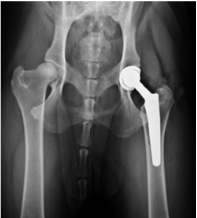
- total hip replacement
When would a triple pelvic osteotomy be indicated in dogs?
Potential candidate would have:
- painful hip(s), non-responsive to analgesia
- unstable but reducible hips
- no / minimal remodelling or degenerative changes
so mainly immature dogs (5-10 months of age)
What is the theory of the triple pelvic osteotomy?
Acetabular segment rotated laterally to capture femoral head –> stabilise hip –> clinical improvement and reduced DJD
Theoretically, degree of rotation determined from Ortolani angles (20, 30, 40 degree plates)
Bilateral surgery if appropriate -staged
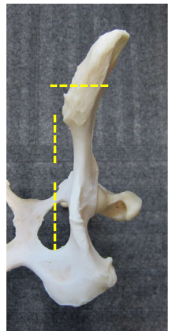
What is occuring here?
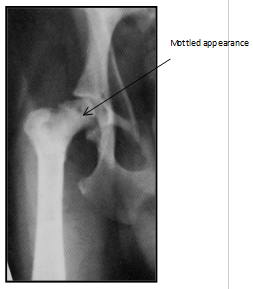
- Perthes disease –avascular necrosis of the femoral head
- Seen usually in small breed dogs, usually 3-13 months old
- Multifactorial aetiology (Manchester Terriers- highly heritable)
What are the clinical signs of perthes disease?
Clinically:
- progressive lameness
- hip pain
- muscle atrophy
- reduced hip ROM
- crepitation
Usually unilateral –bilateral in 12-16.5% cases
Non-inflammatory aseptic necrosis of the femoral head and neck
What are possible treatments for avascular necrosis of the femoral head?
Treatment –
- conservative (in his experience relatively unsuccessful)
- femoral head and neck excision
- total hip replacement
What damage can happen to the stifle joint?
- Cranial cruciate ligament rupture
- caudal cruciate ligament rupture
- meniscal damage
- collateral / multiple ligament rupture
- OCD
- patellar luxation
- fracture of femur, tibia or patella
What might you observe in a dog with cranial cruciate disease?
Observe:
- may sit avoiding stifle flexion
- often stiff to rise
- may stand with toes of opposite hind splayed
- may shift weight forwards onto front legs
- hip hike on affected side
- circumduct leg rather than flex stifle
- shortened anterior (forward) phase of swing
On a clinical exam of a suspected cranial cruciate ligament rupture what might be seen?
Palpate:
- may be some muscle atrophy of affected leg(s), particularly of the quadriceps muscles
- may feel stifle effusion
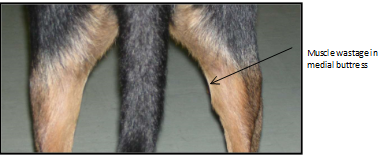
- may feel medial buttress (see pic)
Manipulate:
- painful on extension
- unstable?



-
CRS 1 Revision13
-
Infectious Respiratory Disease in Small Animals74
-
Bonzo has a cough..17
-
Freddie has Nasal Discharge26
-
A difficult pet show9
-
ECG revision26
-
Tracheostomy10
-
Coughing in SAs39
-
Foxy Eosinophilic bronchpneumopathy16
-
Help my dog can't breath32
-
Radiology quiz16
-
Thoracic Imaging 263
-
Thoracic imaging 338
-
Respiratory Tract Neoplasia in SA50
-
SA Airway Disease45
-
Approach to LRT Disease in SA48
-
Diseases and Conditions of the Avian Respiratory System47
-
Thoracic Radiography Quiz8
-
Lung Disease Gross Pathology25
-
SA surgery and nasal disease Wrap Up30
-
Respiratory Tract Disease in Small Animals28
-
Pleural Disease54
-
Respiratory Endoscopy35
-
Lower Airway Disease in Cats42
-
Feline Asthma (SDL)15
-
Chest Drains20
-
Sam The Dog Can't Breath6
-
Lung histopathology18
-
Small Animal respiratory parasites39
-
Blood Pressure SDL8
-
Dysrhythmias SDL41
-
SA Endocardial Disease58
-
The Ascitic Dog Cases11
-
Dysrhythmias Management25
-
Feline Cardiomyopathies52
-
Hypertension57
-
Canine Myocardial Disease53
-
Collapse, Weakness, Exercise Intolerance31
-
Cardiac Radiography50
-
Congenital Cardiac Disease48
-
Cyanosis35
-
Radiography of CRS8
-
Management of Heart Failure78
-
Heart Failure Problems10
-
Management Of Heart Failure 223
-
Echocardiograpy Images10
-
Pericardial disease in SA37
-
How to echo33
-
Pericardiocentesis5
-
Thoracic Surgery14
-
Cardiac Cases6
-
Felix11
-
AB selection for respiratory disease37
-
ECG generation14
-
ECG interpretation27
-
CPCR32
-
Triage58
-
Emergency and Critical Cases12
-
Important factors to consider in the emergency and critical care patient27
-
Traumatic Brain Injury38
-
Important factors to consider in the emergency and critical care patient COPY27
-
Nutrition for critically ill patients54
-
Anaesthesia For The Critical Patient: Is It Different?31
-
Critical patients monitoring37
-
CRS ECC Cases20
-
Formative questions46
-
Adrenal glands6
-
Pancreas4
-
Pituitary gland11
-
Thyroid and parathyroid7
-
Hyperglycaemia7
-
Canine hypoadrenocorticism30
-
Canine hyperadrenocorticism37
-
Hepatic lipidosis/ketosis/farm16
-
Feline DM34
-
Canine diabetes mellitus45
-
Diabetic Ketoacidosis27
-
Hypoglycaemia23
-
Feline hyperthyroidism37
-
Canine hypothyroidism34
-
Calcium disorders in SA25
-
Dermatology64
-
Endocrine cases29
-
PU/PD21
-
Uncommon endocrine disorders15
-
Bacterial skin disease43
-
Fungal skin disease22
-
Viral and protozoal skin disease23
-
Parasitic skin disease49
-
Autoimmune and immune mediated diseases of the skin32
-
Practical information14
-
Pattern analysis21
-
Allergic skin disease: pathophysiology and presentation18
-
Management of allergic skin disease29
-
Clinical signs of and approach to pruritus22
-
Appraoch to cutaneous masses35
-
Feline eosinophillic granuloma complexes11
-
Cytology of cutaneous masses28
-
FNA cytology practice7
-
Non-neoplastic masses21
-
Approach to alopecia27
-
Approach to pustular, papular, scaling and crusting skin disease36
-
Otitis48
-
Otitis available treatments and choice15
-
Otic surgery33
-
Dermatological therapeutic case discussion7
-
Feline specific aspects of dermatology18
-
Dermatology cases18
-
SA Anatomy Refresher17
-
Year 2 Formative (Revision)46
-
Introduction5
-
Clinical Approach To GI Disease in SA34
-
Sickly Dog35
-
Vomiting In Dogs and Cats54
-
Gastric Disease in Dogs and Cats57
-
Diagnostic Imaging of GI15
-
Practical: Dog anatomy32
-
SA GI radiography and Ultrasonography71
-
Management of SA oesophageal and gastric SA disease39
-
Pancreatitis43
-
Intro To Intestinal Disease72
-
SI Disorders in Dogs and Cats61
-
Chronic Diarrhoea in SA50
-
Management Plans for Vomiting SA16
-
Devising a Plan12
-
SA Large Intestinal Disease49
-
Why Is This Patient Vomiting Cases27
-
Approach to abdominal radiography21
-
Abdo surgery: intro and biopsy techniques38
-
Abdominal Palpation9
-
Sedation and GI plans for GI patient15
-
Abdominal radiology cases10
-
Weight loss and ascites58
-
Feline Liver Disease72
-
Liver Disease Introduction71
-
Chronic Liver disease in dogs51
-
SA Acute Liver Disease49
-
What Is Wrong With These Patients?19
-
GDV and Gastropexies54
-
Small Animal Acute Abdomen60
-
Abdominal surgery13
-
Feline infectious peritonitis40
-
Gastrotomy, Enterotomy and Enterectomy38
-
Liver, biliary tract and portosystemic shunts48
-
Surgical Diseases of The Oesophagus25
-
Anal and Rectal Conditions66
-
Hernias & Ruptures47
-
Oral tumours, oral surgery & stick injuries50
-
Rabbit Dental Disease15
-
Common Intoxications58
-
Peridontal Disease10
-
Toxiocology cases32
-
Extraction Technique28
-
Oral surgery: surgical extraction technique34
-
GI Disease in Herbivorous Rodents53
-
Formative27
-
Developmental and Genetic Dental Abnormalities9
-
Supporting the Poison Case34
-
Clinical Case10
-
Feline Oral Disease23
-
Pancreatic disease16
-
Bella and her liver16
-
Oral cavity exam33
-
Oral cavity trauma and infection32
-
Introduction COPY4
-
Erythroid110
-
Leukogram62
-
Leukaemia and Lymphadenopathy28
-
Anaemia54
-
Pathology of Lymphoid System58
-
Haemostatic Disease67
-
Diagnosis and Management of Lymphoid Diseases96
-
Immune Mediated Disease64
-
Viruses and Lymphoid System44
-
Blood Transfusions41
-
Formative assessment87
-
Revision practical16
-
Bone pathology51
-
Bone: Diagnostic Imaging70
-
SA MSK Radiography and Radiology20
-
Spine Head and Neck Imaging37
-
Autoimmunity37
-
Principles of Fracture Management 1125
-
Principles of fracture management 2100
-
Case: Bony swelling in dog16
-
NSAIDs58
-
Examination of the Lame Dog and Cat49
-
SA Joint Dx and OA51
-
Sprains and luxations46
-
Joint Treatment6
-
Decision making in Diagnostic Tests CR11
-
Antibiotics51
-
Bones and Joint Histology (and a few pics)28
-
Synoviocentesis7
-
Joint - Inflammatory Conditions60
-
SA bandaging30
-
Triage COPY19
-
Soft Tissue Trauma65
-
Radiology wrap up25
-
Orthopaedic infections46
-
CSGTR Flat Cat10
-
SA developmental disease66
-
SA Developmental Disease Part 260
-
Small Animal Distal Limb78
-
Surgical Planning2
-
Restricting Exercise8
-
SA Muscle Disease27
-
Muscle Pathology10
-
Post Op Managment60
-
SA Hindlimb51
-
SA Forelimb63
-
SA Trauma55
-
Salvage Procedures48
-
Neurodegenerative Disease33
-
Vascular Disease35
-
Neurology Infectious Diseases84
-
Ophthalmic Exam85
-
Conjunctiva and KCS60
-
Corneal Ulcers58
-
Pain Assessment17
-
Non-Notifiable Viral Disease44
-
Notifiable Neuro Viruses26
-
Neuropharmacology47
-
Eye and Disease30
-
Feline Ophthalmology32
-
Behaviour21
-
Ocular Emergencies40
-
Ocular Pharmacology81
-
Toxicities72
-
Inflammatory Disease59
-
Pain Treatment16
-
Neuropathology36
-
Neurosurgery37
-
Exotics Neurology17
-
Pharmacological Control Of Pregnancy and Parturition25
-
Formative COPY43
-
Principles of Pregnancy Failure14
-
Intro to repro pathology137
-
Principles of Cycle Manipulation32
-
Bitch and queen when to spay and why?25
-
Principles of managing dystocia45
-
Monkey (not even a monkey) at the clinic16
-
Approach to Examining the Female Tract42
-
Male Castration63
-
Principles of Contraception42
-
Principles of Neonate Care and Disorders of the Neonate37
-
Principles of therapeutics and anaesthesia in of the neonate and pregnant animal40
-
Reproductive Anaesthesia44
-
Reproductive anaesthesiaCase based seminar13
-
Approach to Examining the Male Reproductive Tract47
-
Reproductive Exam19
-
Facillitator Cases17
-
Spay practical notes28
-
The optimal mating time in the bitch22
-
Urinary Incontinence30
-
Clinical Research - Cystic Endometria Hyperplasia15
-
Diagnostic Methods in the Bitch and Queen82
-
When Will Sasha Have Her Pups?31
-
Abnormalities of pregnancy, parturition and puppies65
-
Abnormalities and Infertility in Female Small Animals45
-
Dystocia Cases31
-
Manipulation of Reproduction and Contraception45
-
Pregnancy Case studies - bitch13
-
First Opinion Reproduction Cases4
-
Unwanted Mating in the Bitch10
-
Pre-pubertal neutering14
-
Bitch Spay Complications21
-
Ovariectomy/Ovariohysterectomy34
-
Surgery of the Female Reproductive Tract34
-
Abnormalities of the Mammary Gland19
-
Peri-operative management and anaesthesia for pyometra in a dog28
-
Common Diseases and Surgery in the Male Dog and Cat37
-
Reproductive Tract Diagnostic Methods and Prostatic Disease in Males76
-
Imaging SA Repro43
-
Exotic reproduction44
-
Repro formative case 16
-
Repro formative case 24
-
Repro formative MCQ23
-
Evaluation of urinary tract disease54
-
Renal Physiology21
-
CKD & AKI26
-
Fluid Therapy9
-
Infectious Diseases7
-
Drug Choices and Therapeutics21
-
Blood Results28
-
Chronic kidney disease79
-
Acute Kidney Injury65
-
Urinary pathology98
-
Urinary Imaging112
-
Fluid therapy in urinary tract disease56
-
Diagnostic approach to polyuria and polydipsia (PUPD)48
-
Neoplasia of Urinary Tract62
-
Congenital And Neonatal Abnormalities82
-
Urinary tract infections39
-
Urinary Tract Disease in Reptiles and Birds85
-
Q and A with steve and jane3
-
Small Animal Urinary Tract Imaging Cases13
-
Interpreting Urinalysis Results48
-
Haematocrit stuff5
-
Crystal quiz9
-
Pu/Pd toolkit20
-
Lower Urinary Tract Disease60
-
Feline Lower Urinary Tract Disease, Calculi and Blocked Cats48
-
Urinary Tract Surgery11
-
Is It Incontinent?8
-
FLUTD7
-
Calculi in Dogs (and Other Pets)18
-
Hypertension/renal failure CR14
-
Practical urinary pathology14
-
FLUTD CR10
-
Contrast Radiographs16
-
Fluid Therapy In Practice36
-
Urinary Incontinence COPY32
-
Principles of urinary surgery53
-
CR Billy the dalmation18
-
Formative MCQ20
-
Formative clinical reasoning6



